Why New 2026 HVAC Models Include Subscription Plans
Understanding the Shift Toward HVAC Subscription Services
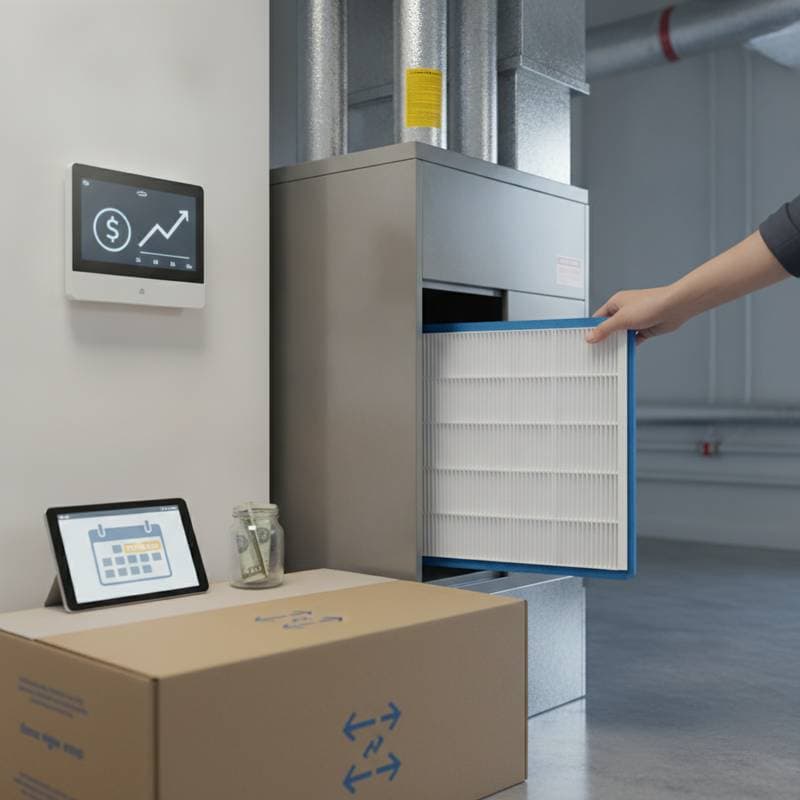
Homeowners seeking new heating, ventilation, and air conditioning systems encounter a notable industry trend. Numerous 2026 HVAC models integrate subscription-based service plans in place of traditional one-time purchases or limited warranties. These plans encompass routine maintenance, filter replacements, software enhancements, and occasional system upgrades, all for a consistent monthly payment.
Subscription fees for residential HVAC systems typically fall between $25 and $80 per month, varying by equipment specifications, service tiers, and coverage scope. This structure provides homeowners with stable expenses, diminished risk of unforeseen repair bills, and seamless access to advanced smart functionalities without substantial initial investments.
This article examines the reasons behind the HVAC sector's adoption of subscription models, details the components of these plans, contrasts costs with conventional ownership, and offers essential considerations for potential subscribers.
Reasons for Subscription Models in 2026 HVAC Systems
Multiple drivers propel the transition to subscription frameworks in contemporary HVAC systems.
1. Integration of Smart Technology
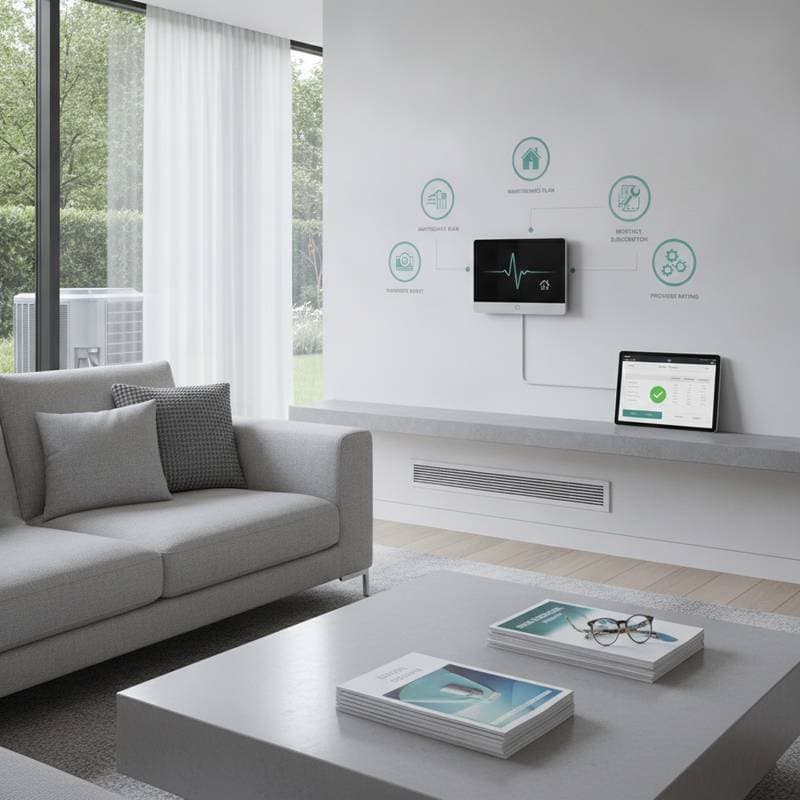
Contemporary HVAC units frequently incorporate smart sensors, networked thermostats, and application-driven interfaces that necessitate periodic software updates. Subscription arrangements enable manufacturers to supply these updates, diagnostic assessments, and efficiency enhancements via remote channels. Such methods maintain optimal system performance and security throughout the equipment's service life at no extra charge to the owner.
2. Predictable Maintenance Expenses
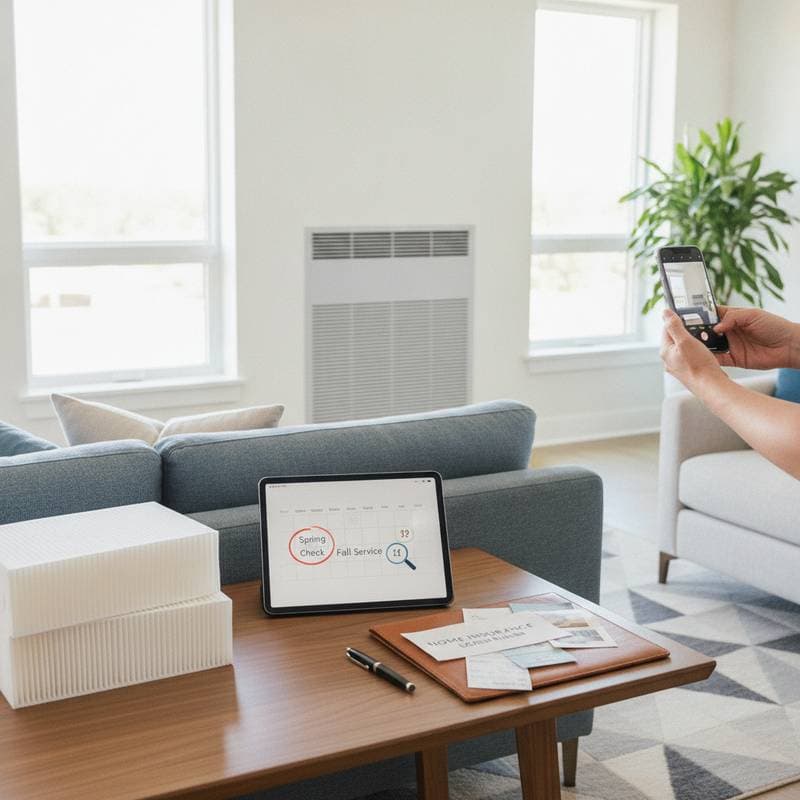
A primary appeal of HVAC subscriptions lies in their provision of financial foreseeability. Subscribers avoid the burden of several hundred dollars for annual inspections or emergency fixes by covering these through a steady monthly charge that includes thorough cleanings and component checks.
This framework minimizes the likelihood of costly failures, particularly during peak seasonal demands when systems operate under maximum strain.
3. Prolonged Equipment Durability
Consistent upkeep plays a crucial role in mitigating degradation. Subscription services foster regular interventions that can prolong a system's operational span by multiple years. Properly serviced HVAC equipment often endures 15 to 20 years, in contrast to 10 to 12 years for units lacking diligent care.
4. Enhanced Energy Efficiency and Environmental Benefits
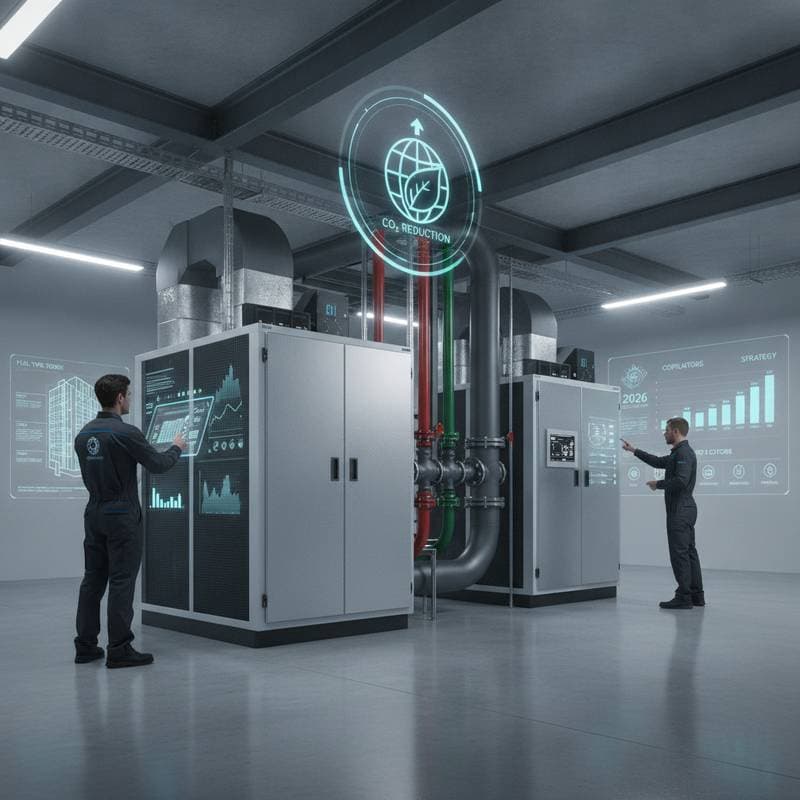
Industry leaders leverage subscription models to advance energy-conscious usage. Remote performance tracking allows service teams to fine-tune configurations or alert owners to suboptimal operations. These measures lower utility expenses and align with broader ecological objectives.
5. Alignment with Consumer Preferences for Ease
As subscription services permeate sectors like media streaming, home security, and kitchen appliances, HVAC providers adapt to deliver comparable simplicity. Features such as automated appointment booking, mobile application oversight, and round-the-clock assistance resonate with contemporary household routines.
Subscription Plans Versus Traditional HVAC Ownership
| Cost Element | Subscription Plan | Traditional Ownership |
|---|---|---|
| Upfront Cost | $0 to $500 | $5,000 to $12,000 average |
| Monthly Fee | $25 to $80 | None |
| Annual Maintenance | Included | $150 to $400 |
| Repairs | Included or discounted | $200 to $1,200 per repair |
| System Replacement | Included after term | New purchase required |
| Energy Monitoring | Included | Optional add-on |
Although subscription expenses accrue gradually, the embedded safeguards and user-friendly aspects often offset the total outlay. Individuals averse to significant initial expenditures or ongoing upkeep responsibilities gain substantial reassurance from this approach.
Frequently Asked Questions About HVAC Subscriptions
Are Subscription-Based HVAC Systems Valuable?
For numerous homeowners, these systems prove advantageous. Individuals favoring uniform monthly outlays over sporadic large sums benefit from comprehensive coverage of upkeep, fixes, and potential enhancements, which curbs surprise expenditures. Those intending long-term residency in their properties often deem the reliability and simplicity a sound investment.
Is Early Cancellation of an HVAC Subscription Possible?
Providers generally enforce a minimum commitment of one to three years. Certain plans permit termination upon payment of a penalty or facilitate equipment acquisition at an adjusted rate.
What Occurs During System Malfunctions?
Subscription agreements typically assign repair or replacement duties to the provider. Members receive expedited assistance, ensuring prompt resolutions ahead of standard service timelines.
Do These Systems Feature Smart Controls?
Affirmative; the majority of 2026 HVAC models incorporate smart thermostats or compatible applications. These elements link to the service network for distant oversight, seamless updates, and performance refinements.
How Do Subscriptions Influence Property Resale?
Transferable subscriptions enhance market appeal by assuring prospective buyers of sustained maintenance without historical concerns.
Securing Quotes for HVAC Subscriptions
Prospective subscribers should solicit estimates from multiple sources to identify optimal terms. Inquire about service boundaries, encompassed offerings, and post-contract scenarios.
Key Questions to Pose
- What elements comprise the monthly charge?
- Do major overhauls or substitutions incur extra fees?
- Is plan adjustment feasible in the future?
- What duration applies to the agreement?
- Does the plan transfer upon property sale?
- Which brands and models qualify?
- Are energy tracking and analytics provided?
- What frequency governs technician visits?
- What penalties apply to premature termination?
- Do extended commitments yield reductions?
Embracing Efficient HVAC Management Through Subscriptions
Subscription-integrated HVAC models mark a pivotal evolution in residential climate regulation. Consolidating hardware, support, and innovation into a single, foreseeable payment resolves prevalent fiscal and operational hurdles associated with legacy methods.
Homeowners prioritizing ease, dependable output, and intelligent capabilities discover that 2026 subscription options deliver a pragmatic, forward-thinking pathway. Thorough evaluation of providers and contract stipulations ensures dependable climate solutions alongside diminished lifetime expenses.