Why Corrosion Shortens HVAC Heat Exchanger Life
Corrosion ranks among the most prevalent and damaging problems that shorten the lifespan of an HVAC heat exchanger. As metal surfaces within the furnace rust or degrade, the heat exchanger forfeits its capacity to transfer heat securely, resulting in diminished efficiency, expensive repairs, or total system breakdown. Grasping the origins of corrosion and strategies to avert it enables homeowners to prolong furnace durability and safeguard indoor air quality.
| Key Insight | Detail |
|---|---|
| Primary Cause of Corrosion | Moisture interacting with combustion gases within the furnace |
| Typical Heat Exchanger Lifespan | 10 to 20 years, influenced by upkeep and local conditions |
| Initial Indicators | Rust spots, soot accumulation, odd smells, and performance shifts |
| Replacement Expense | Ranges from $1,000 to $3,000 based on furnace model |
| Mitigation Steps | Routine servicing, adequate ventilation, and humidity management |
The Role of the Heat Exchanger in Your Furnace
The heat exchanger serves as the core component of any furnace. It conveys heatto the air distributed throughout the home. Sealed metal tubes channel combustion gases, which warm the adjacent air while preventing toxic elements such as carbon monoxide from entering living areas. Corrosion compromises these tube walls, potentially causing fissures that permit hazardous gas escape and impair heating performance.
Mechanisms of Corrosion in Heat Exchangers
Corrosion emerges when moisture, oxygen, and acidic elements contact the metal. Even minimal condensation over time triggers rust development. In gas furnaces, combustion yields water vapor and corrosive byproducts that erode the metal lining. Factors like faulty installation, obstructed vents, or disrupted airflow hasten this deterioration.
Heat exchangers face two principal corrosion forms:
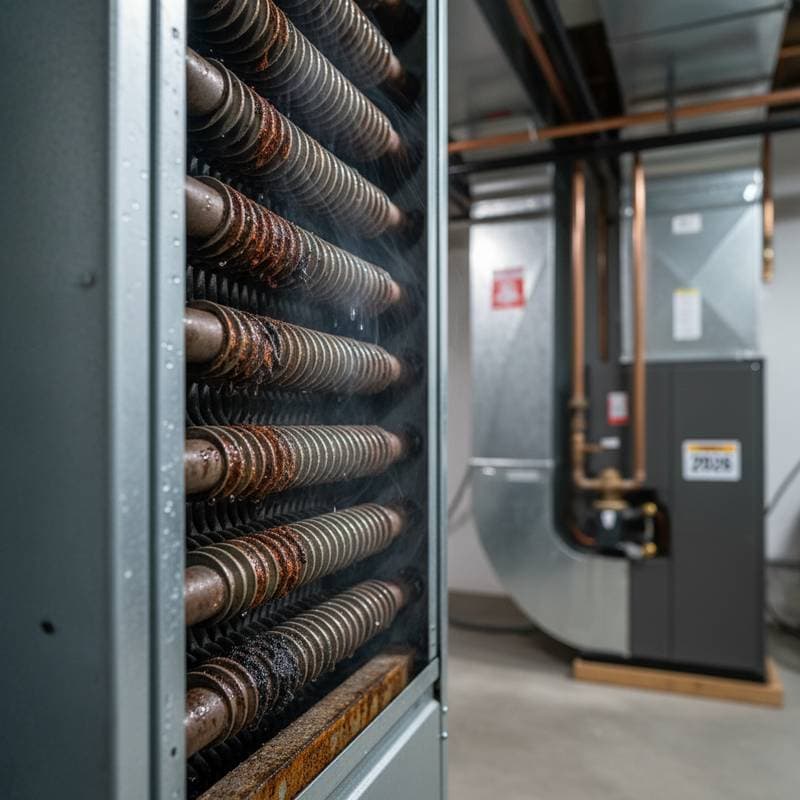
- Surface Rust: Arises from condensation during system downtime, particularly in humid regions or areas lacking ventilation.
- Internal Corrosion: Stems from acidic residues in combustion gases that linger when the furnace idles.
Each form undermines the metal integrity, heightening risks of gas containment failure.
Factors Influencing Corrosion and Heat Exchanger Durability
Moisture and Ambient Humidity
Elevated humidity within the furnace enclosure or nearby spaces elevates rust potential. Warm, humid air cools upon entering the furnace, depositing condensation on metal parts. Units positioned in moist basements or underfloor areas experience accelerated corrosion.
Combustion Efficiency
Incomplete combustion elevates carbon monoxide and acid levels within the heat exchanger. These substances intensify metal degradation. Contaminated burners, obstructed filters, or incorrect gas pressure all foster suboptimal combustion.
Material Composition and Build Quality
Most heat exchangers utilize stainless or aluminized steel. Stainless variants offer superior corrosion resistance, yet prolonged condensate exposure can still cause wear. Inferior materials or slender gauges succumb more rapidly to repeated heating cycles.
Maintenance Schedule
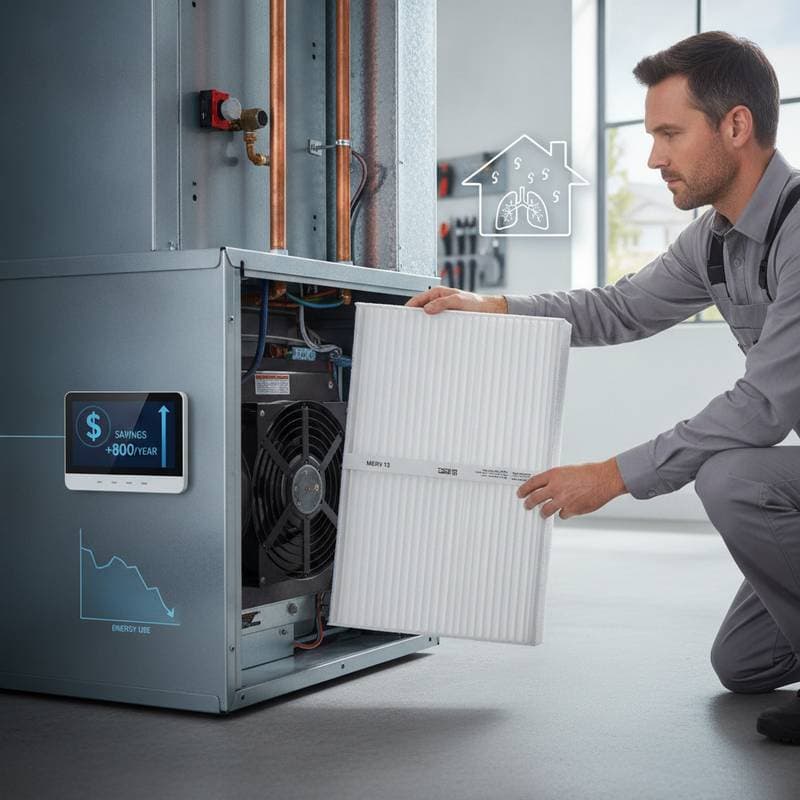
Consistent professional servicing proves essential for curbing corrosion. Inspectors scan for fissures, residue, and oxidation. They cleanse burners and optimize airflow to promote complete combustion. Neglected checks permit minor issues to escalate into major disruptions.
Airflow and Exhaust Management
Limited airflow generates uneven temperatures within the exchanger, forming stress points from expansion and contraction. This thermal cycling fosters cracks alongside corrosion. Effective venting expels moisture and acids, minimizing buildup.
Corrosion Impacts Across Furnace Types
Furnace configurations vary in managing moisture and emissions, affecting corrosion vulnerability. Awareness of type-specific risks aids in targeted monitoring.
- Standard Efficiency Gas Furnaces: Employ a single heat exchanger and direct venting. They resist condensation better but suffer if exhaust paths clog.
- High-Efficiency Condensing Furnaces: Feature dual exchangers to reclaim heat from exhaust. Increased condensate production demands vigilant corrosion controls.
- Oil Furnaces: Generate soot and acids that adhere to surfaces. Routine cleaning prevents moisture-trapping deposits from corroding the exchanger.
- Electric Furnaces: Avoid combustion, eliminating related corrosion. Still, humidity and ventilation issues can degrade the enclosure and internals.
Indicators of Heat Exchanger Corrosion
A deteriorating heat exchanger poses immediate safety hazards and performance declines. Homeowners should monitor for these symptoms:
- Apparent rust or pale streaks in the furnace interior
- Metallic or scorched scents during operation
- Abnormal sounds, such as clattering or snapping
- Blackened residue around burners
- Weaker heat output or frequent on-off cycles
- Carbon monoxide alerts or post-use discomfort like headaches
Upon detecting these, deactivate the furnace and summon a certified HVAC professional without delay.
Inspection and Replacement Procedures for Heat Exchangers
Technicians conduct thorough evaluations to identify corrosion or structural flaws.
- Visual Examination: Access the cabinet to inspect for oxidation, staining, or deposits.
- Combustion Analysis: Gauge oxygen and carbon monoxide to verify proper exhaust.
- Pressure Assessment: Apply pressure to reveal concealed breaches.
- Remedial Cleaning: For early-stage issues, remove buildup and refine airflow.
- Replacement Directive: Severe damage necessitates full substitution for safety compliance.
Replacement expenses span $1,000 to $3,000, varying by model and regional labor. For aging furnaces, complete unit renewal often proves more economical.
Estimating Labor Costs for Heat Exchanger Services
Labor constitutes a significant portion of repair or replacement bills. Basic inspections run $100 to $200, including diagnostic tools and travel. Full replacements demand 4 to 8 hours, with rates of $75 to $150 per hour, plus parts. Factors like accessibility and urgency can add 20 to 50 percent to totals. Homeowners benefit from obtaining multiple quotes to ensure fair pricing.
Frequently Asked Questions on Heat Exchanger Corrosion
How Long Does a Furnace Heat Exchanger Typically Endure?
Proper care extends most heat exchangers to 10 through 20 years. Exposure to corrosion accelerators like moisture or flawed combustion curtails this period.
Is Repair Viable for a Corroded Heat Exchanger?
Surface oxidation may yield to cleaning, but structural breaches require replacement. Partial fixes fail to guarantee enduring safety.
What Measures Prevent Furnace Corrosion?
Maintain dryness around the unit, swap filters monthly, and book seasonal tune-ups. Optimize airflow and burner cleanliness to limit acid and moisture accumulation.
What Risks Arise from Neglecting Corrosion?
Overlooked damage invites gas infiltration, carbon monoxide poisoning, and system collapse. Efficiency drops also inflate energy expenses.
Does Warranty Coverage Include Corrosion Damage?
Certain policies address early failures, excluding those from inadequate maintenance or harsh environments. Review documentation for specifics.
How Do Experts Uncover Concealed Corrosion?
Specialized cameras, pressure diagnostics, and emission analyzers expose internal degradation in inaccessible zones.
Steps to Safeguard Your Furnace Against Corrosion
Homeowners can implement practical routines to minimize corrosion threats. Install a dehumidifier near the furnace if ambient moisture exceeds 50 percent. Seal the installation area against drafts and leaks. Annually inspect vents for blockages and ensure filters remain fresh. Engage professionals for combustion tuning to eliminate incomplete burns. These actions not only extend component life but also enhance overall system reliability and lower long-term costs.