Indoor Air Quality
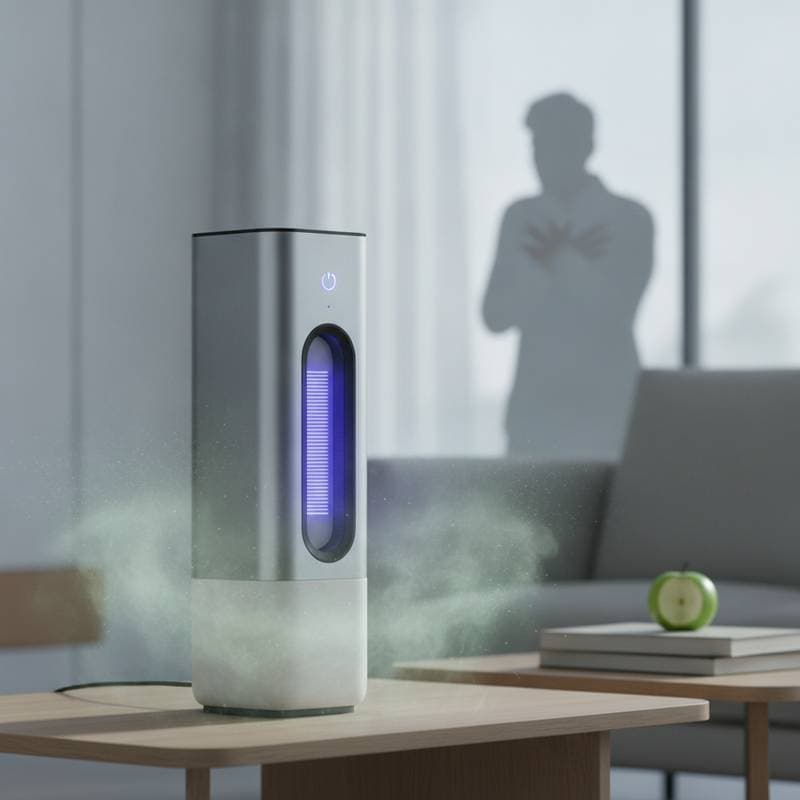
FDA Warns UV-C Air Purifiers May Release Harmful Ozone
The FDA warns that some UV-C air purifiers release harmful ozone and create respiratory risks despite germ-killing claims.
George Templeton
3 min read
Articles tagged with Safety
The FDA warns that some UV-C air purifiers release harmful ozone and create respiratory risks despite germ-killing claims.
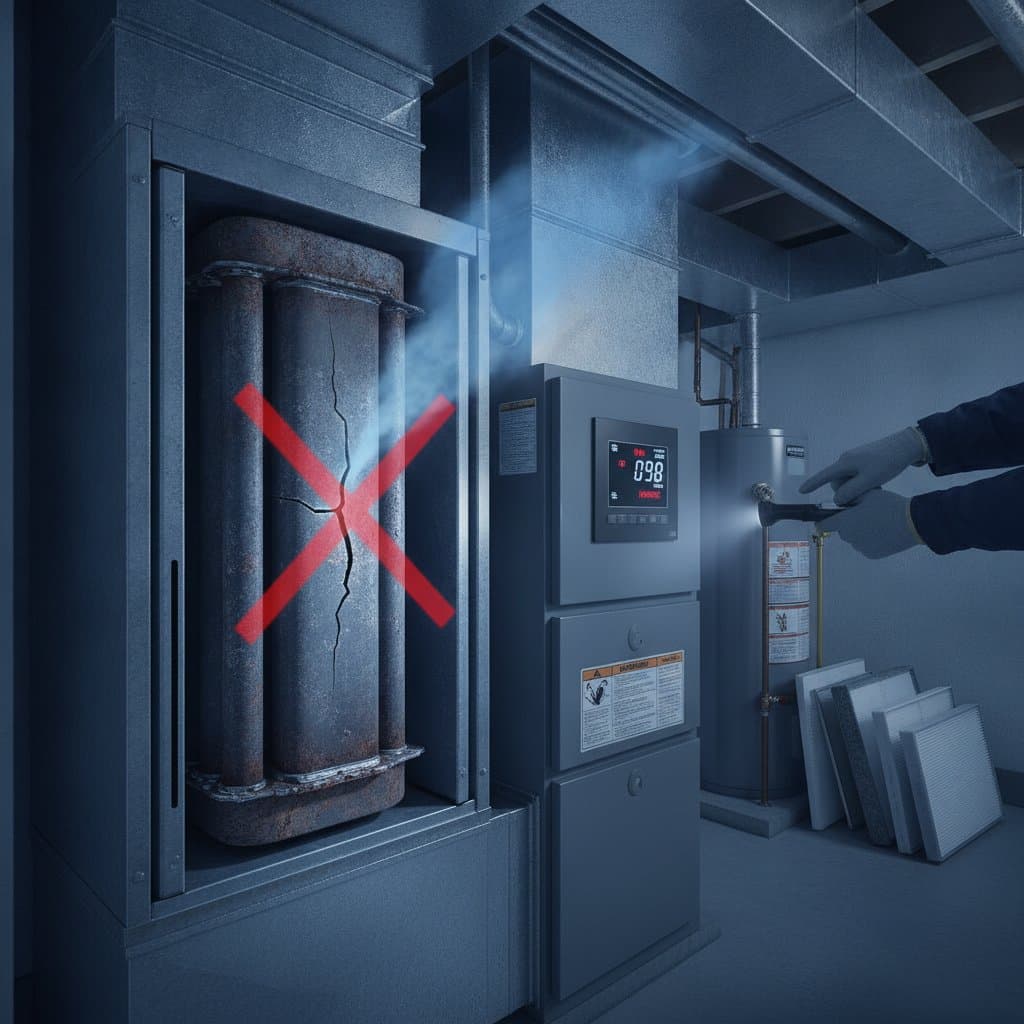
Furnace heat exchangers can fail after eight years and create carbon monoxide risks. Review the warning signs, common causes, and costs of repair or replacement. Learn how proper sizing, maintenance, and airflow extend system life.
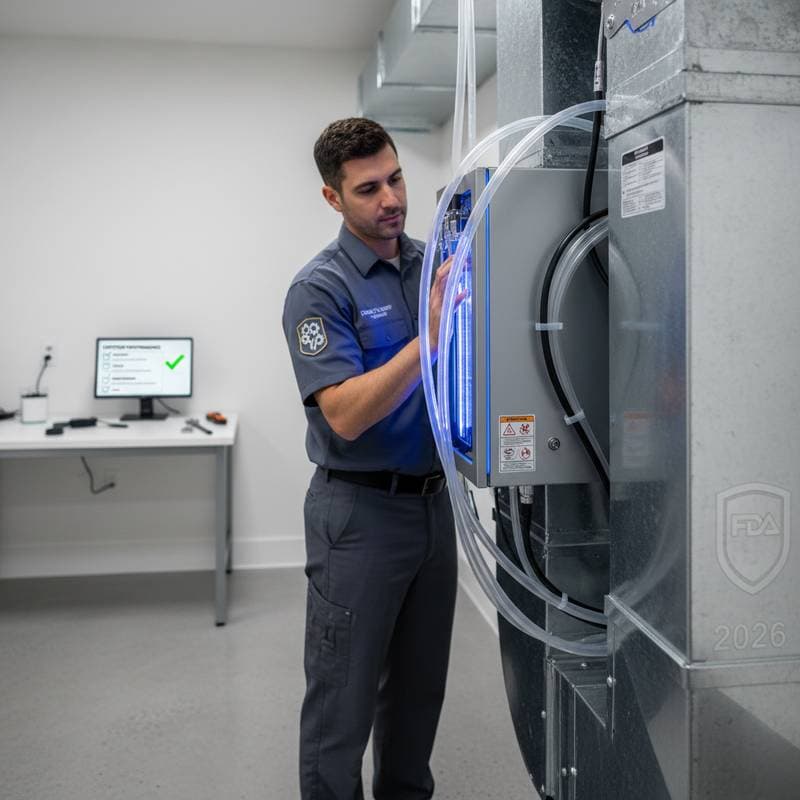
Starting in 2026, the FDA mandates certified safety and performance for UV-C HVAC purifiers. Residential users should inspect systems immediately to sidestep replacements. This overview covers certification checks, cost projections, and preparation strategies for regulatory adherence.
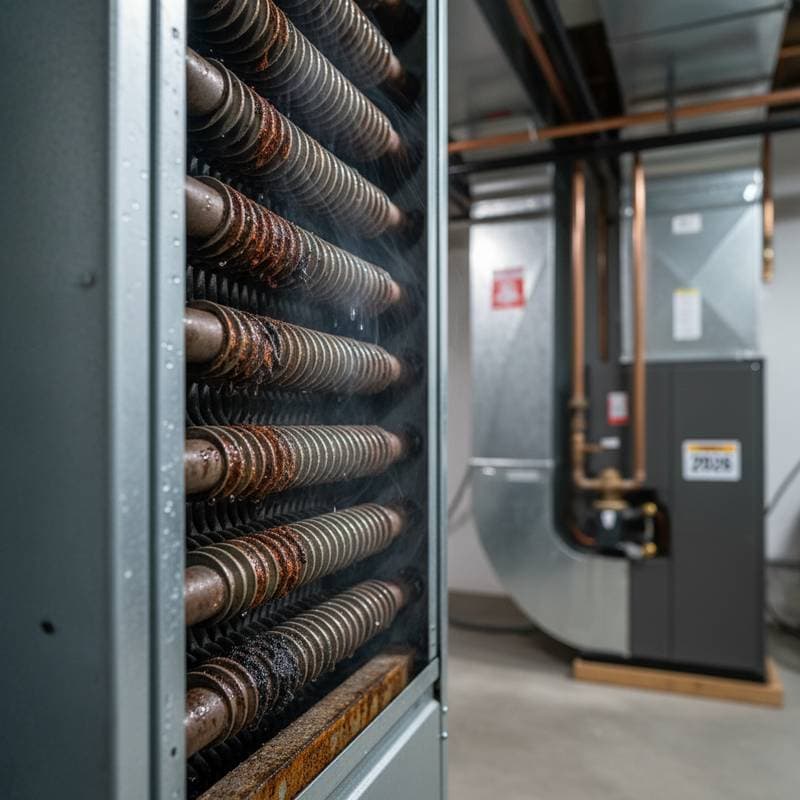
Corrosion erodes furnace heat exchangers through moisture and combustion byproducts, risking efficiency loss, gas leaks, and safety dangers. This guide details causes, detection, and maintenance strategies to protect your HVAC investment and home.

The FDA's 2026 UV-C air purifier standards establish rigorous benchmarks for residential devices, mandating certified pathogen neutralization, minimized ozone output, and detailed labeling. These changes empower homeowners with safer options for air purification while compelling manufacturers to adopt advanced testing and design protocols that boost device reliability and indoor air quality.
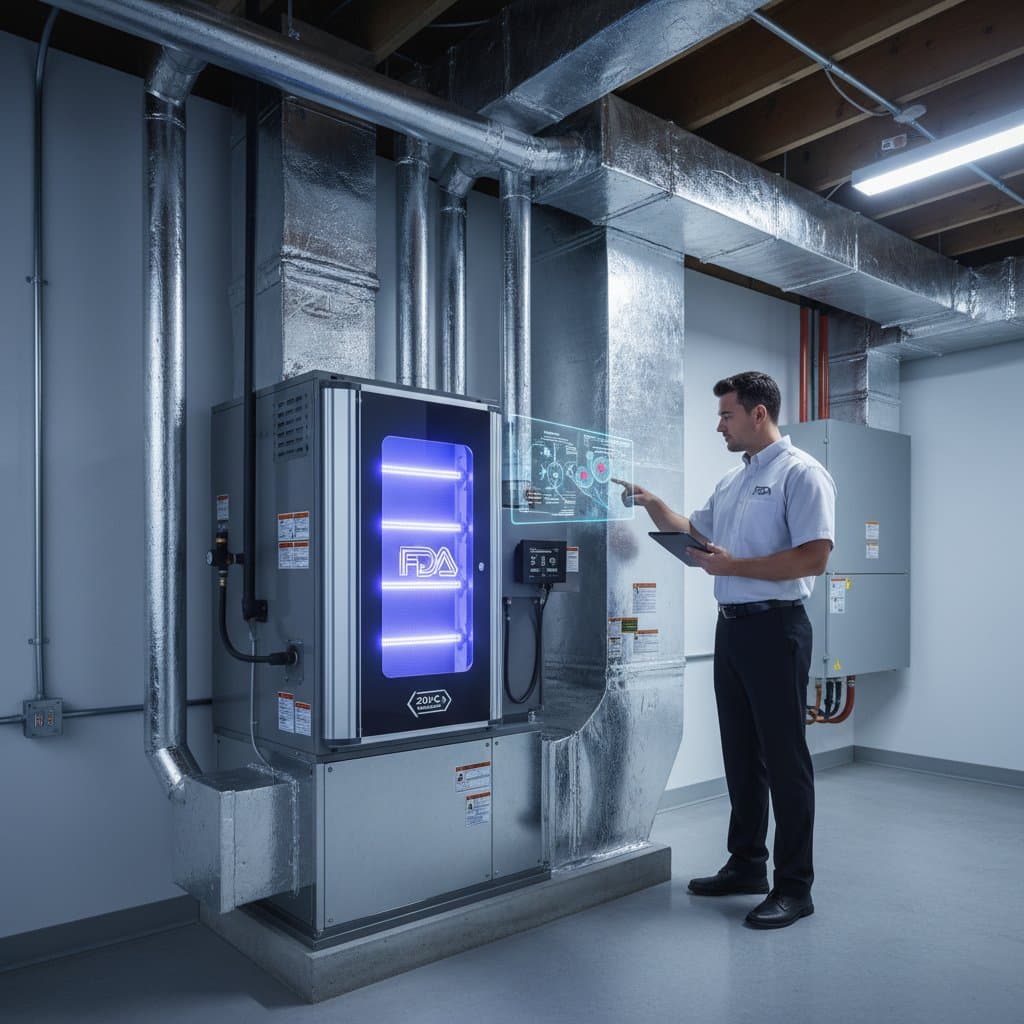
The FDA's 2026 regulations establish rigorous standards for UV-C air purifiers in HVAC systems, emphasizing safety, verified performance, and accurate labeling. These changes promise greater reliability for consumers, improved air quality, and protection for HVAC equipment. Discover the implications and preparation strategies for your property.

Revolutionary furnace diagnostics leverage thermal imaging, acoustic sensors, and AI to identify heat exchanger cracks preemptively, averting carbon monoxide dangers, boosting system efficiency, and safeguarding homes. Discover the benefits of early detection for prolonged furnace performance and family well-being.

Cracked heat exchangers pose silent threats by allowing carbon monoxide infiltration, compromising efficiency, and demanding expensive fixes. This guide details causes, symptoms, inspection steps, and prevention strategies to protect your home and heating system.
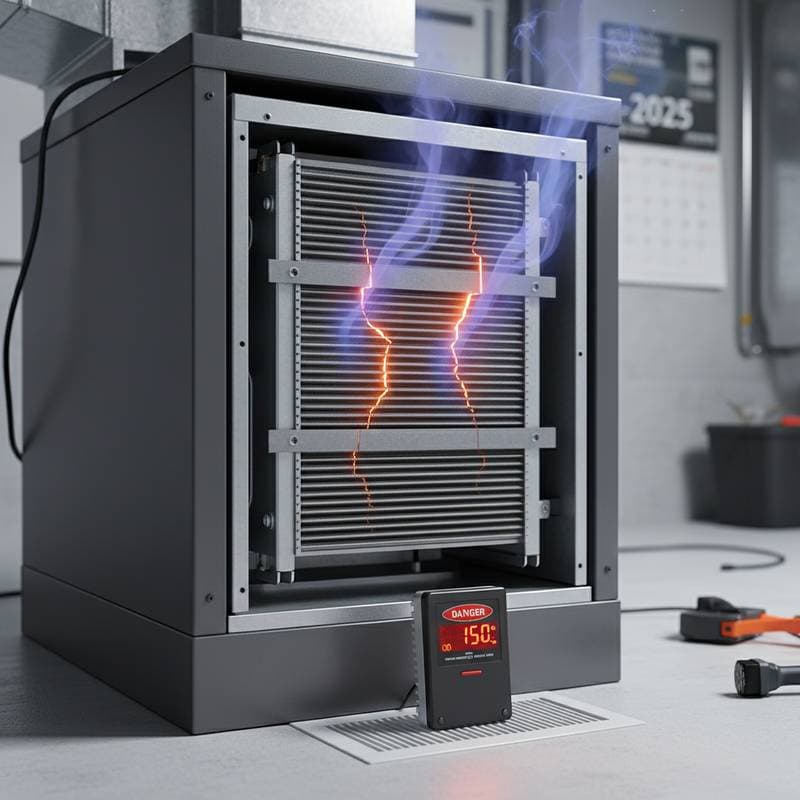
In 2025, heat exchanger failures in furnaces have increased by 89%, largely due to thinner manufacturing materials, neglected maintenance routines, restricted airflow, corrosive elements, and outdated equipment. Such failures often result in cracks that release carbon monoxide, creating hazardous conditions for households. This guide explains the vulnerabilities of contemporary furnaces, identifies key warning indicators, and provides essential maintenance practices to ensure safety and longevity.
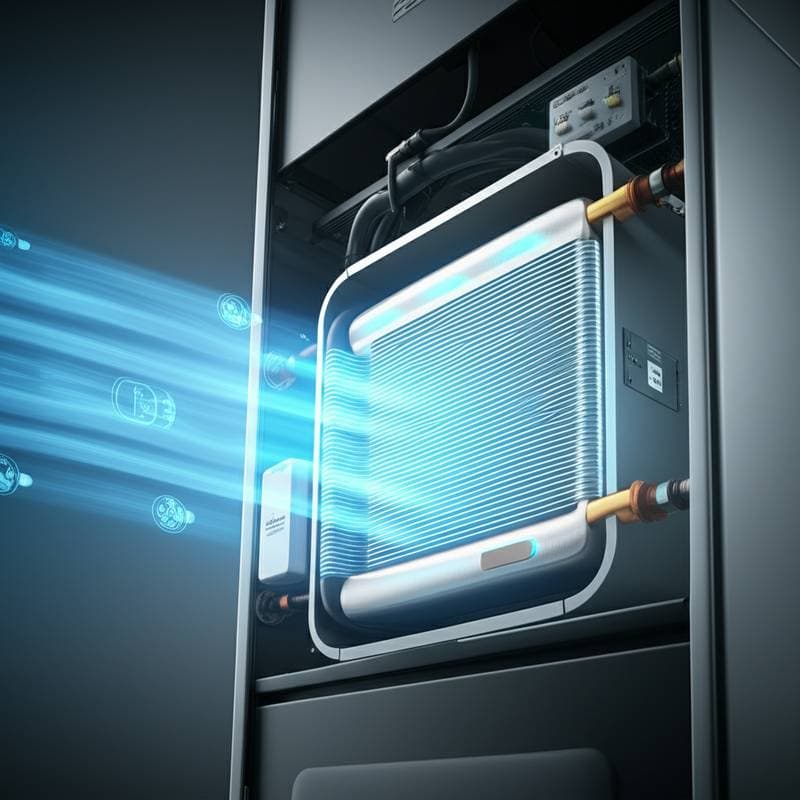
The 2025 heat exchanger standards revolutionize furnace reliability with robust materials, mandatory inspections, and advanced monitoring to avert carbon monoxide leaks. These enhancements safeguard homes, streamline maintenance, and deliver enduring protection against invisible hazards.