Introduction to Indoor Air Quality and UV-C Technology
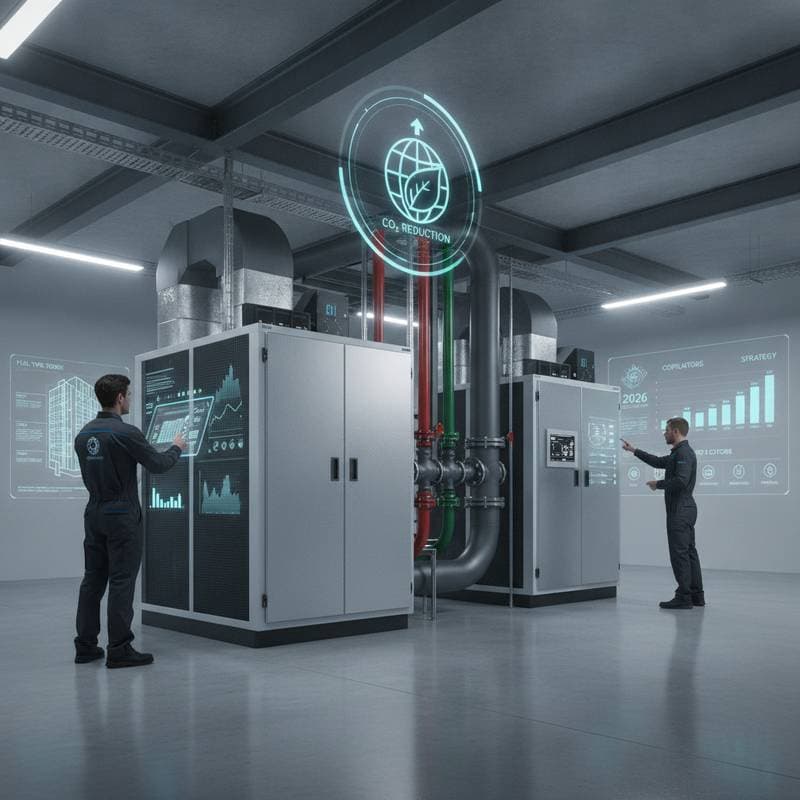
Indoor air quality ranks as a primary priority for homeowners and facility managers. Growing awareness of airborne contaminants has directed attention toward ultraviolet (UV-C) air purifiers integrated into heating, ventilation, and air conditioning (HVAC) systems. The Food and Drug Administration (FDA) introduces regulations effective in 2026 to elevate safety, performance, and reliability in these devices. This overview examines the regulations' implications and provides guidance for implementation in residential and commercial settings.
Understanding UV-C Purifiers in HVAC Systems
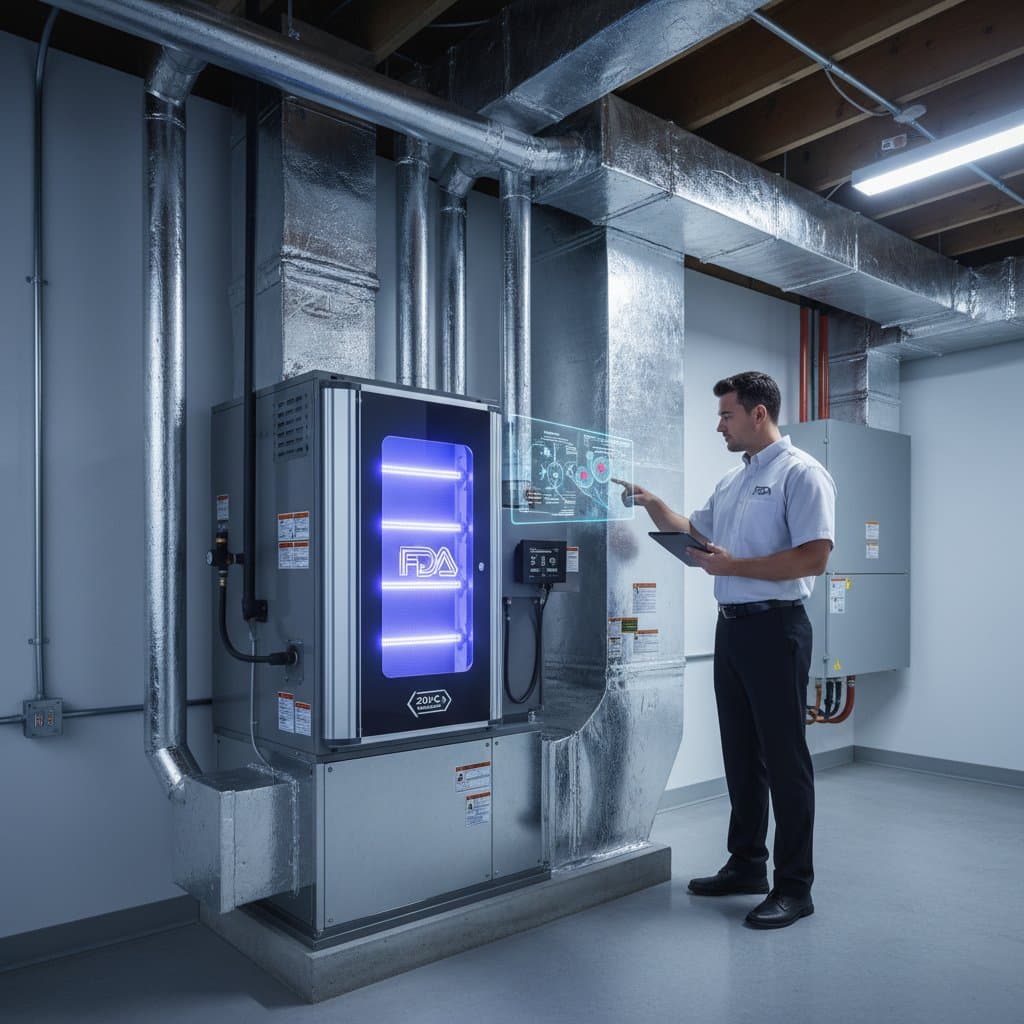
UV-C purifiers employ short-wave ultraviolet light to inactivate microorganisms, including bacteria, mold spores, and viruses. Within HVAC systems, installers position these units adjacent to evaporator coils or inside ductwork to treat air as it circulates. The UV-C spectrum, particularly wavelengths around 254 nanometers, targets the genetic material of pathogens, disrupting their ability to reproduce.
These devices gain popularity for mitigating allergens and preventing microbial accumulation that leads to odors or diminished system efficiency. Correct installation enhances air cleanliness and supports a healthier indoor atmosphere. Users often observe reduced dust accumulation and prolonged equipment life when combining UV-C with routine maintenance.
Rationale Behind FDA Regulation of UV-C Purifiers
The FDA targets UV-C devices in HVAC applications to address variability in product efficacy and potential risks. Current market offerings sometimes lack rigorous validation, resulting in unreliable pathogen reduction or unintended byproducts like ozone emissions and unintended UV exposure. These regulations aim to standardize practices and protect public health.
Key regulatory elements include:
- Safety protocols: Mandatory assessments to confirm containment of UV light, preventing exposure in living areas.
- Performance metrics: Required demonstrations of microbial inactivation rates under controlled conditions.
- Labeling requirements: Precise disclosures of coverage capacity, expected lifespan, and validated claims.
- Quality assurance in production: Oversight to eliminate substandard manufacturing that could compromise device integrity.
Implementation of these standards fosters industry uniformity, enabling consumers to select products with assured functionality and minimal hazards.
Advantages of Integrating UV-C Purifiers into HVAC Systems
Prospective users benefit from evaluating UV-C purifiers' contributions to air management. Outcomes depend on system configuration and upkeep, yet common observations include:
- Enhanced air purity: Substantial diminishment of airborne pathogens, lowering allergy triggers and respiratory irritants.
- Optimized system operation: Prevention of coil fouling improves heat transfer and airflow, potentially reducing energy consumption by up to 15 percent.
- Odor elimination: Neutralization of volatile compounds from microbial sources maintains fresh indoor scents.
- Extended service intervals: Cleaner internals decrease the need for frequent professional interventions, saving time and costs.
UV-C purifiers complement, rather than replace, high-efficiency particulate air (HEPA) filters, dehumidification efforts, and scheduled cleanings. Integrate them into a comprehensive strategy for optimal results.
Variables Influencing UV-C Purifier Effectiveness
Performance of UV-C systems hinges on multiple operational factors. Knowledge of these elements aids in product selection and optimization.
- Optimal bulb positioning: Strategic placement maximizes contact between light and air or surfaces; for instance, upstream of coils ensures thorough exposure.
- Light specifications: Devices must deliver 254-nanometer output at sufficient intensity, measured in microwatts per square centimeter, to achieve inactivation.
- Circulation dynamics: Slower airflow velocities, ideally below 500 feet per minute, allow adequate dwell time for treatment.
- Upkeep schedule: Bulbs degrade after 9,000 hours of use; annual replacement preserves output levels.
- Infrastructure compatibility: Scale systems accordingly—single-family homes may suffice with one unit, while commercial spaces demand distributed arrays.
Engage a certified HVAC specialist to assess your setup, perform dosimetry calculations, and align with impending FDA criteria.
Installation Considerations: Self-Managed or Expert-Assisted?
Marketing for UV-C kits often highlights user-friendly setups, yet ultraviolet handling demands precision to avoid radiation risks or equipment harm. Weigh capabilities carefully before proceeding.
Self-Managed Tasks
- Conduct thorough research on FDA-approved models, verifying certifications via product documentation.
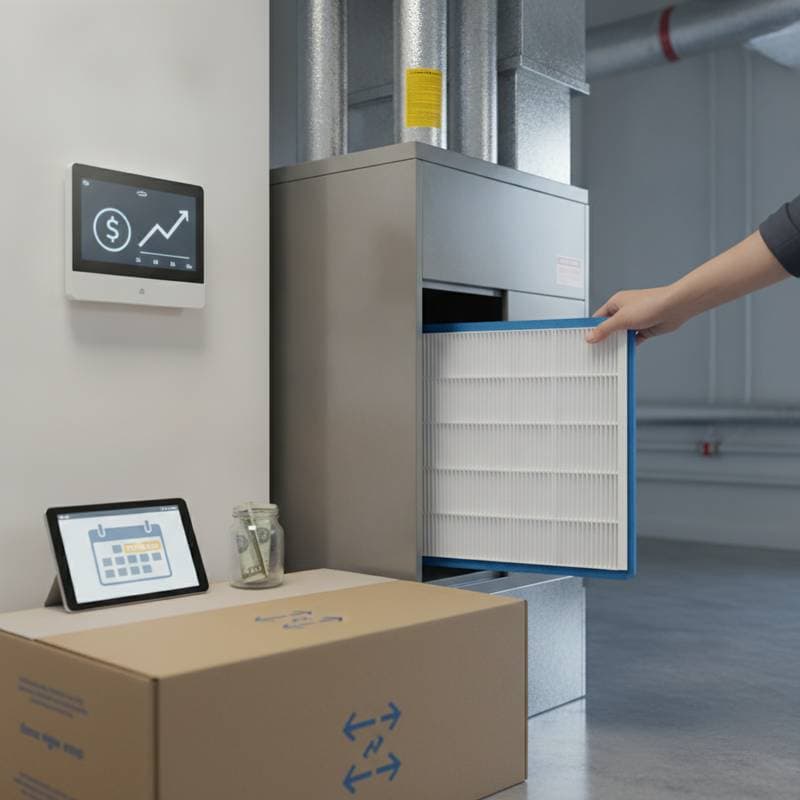
- Maintain filtration media by inspecting and replacing according to manufacturer timelines, typically every three months.
- Inspect enclosure integrity, ensuring seals prevent light leakage during routine checks.
Expert Interventions
- Secure mounting and electrical integration to comply with National Electrical Code standards.
- Adjust positioning for uniform exposure, using tools like UV meters for validation.
- Conduct post-installation tests for ozone levels and light containment, documenting adherence to regulations.
Professionals mitigate errors that could void warranties or incur repair expenses. Their expertise ensures seamless operation and regulatory alignment.
Anticipated Outcomes from FDA Regulations for Consumers
Upon enforcement in 2026, manufacturers face obligatory validation processes, reshaping market dynamics. Consumers gain:
- Transparent product information: Labels detailing square footage coverage, inactivation efficiency against specific pathogens, and maintenance protocols.
- Assured hazard mitigation: Certification confirming ozone output below 0.05 parts per million and zero UV leakage.
- Substantiated efficacy: Claims backed by independent lab results, such as 99.9 percent reduction in tested microbes.
These advancements simplify decision-making, promoting trust in selections that deliver consistent benefits.
Frequently Asked Questions
Do UV-C Purifiers Eliminate All Germs and Viruses?
No device achieves complete eradication, but well-configured UV-C systems reduce targeted bacteria, molds, and viruses by over 90 percent. Efficacy varies with factors like intensity and exposure duration; combine with filtration for broader protection.
Will FDA Regulations Increase UV-C Purifier Costs?
Certification demands may elevate upfront prices by 10 to 20 percent, reflecting enhanced testing. However, improved durability and performance often offset expenses through lower long-term maintenance and energy savings.
Can UV-C Light Damage HVAC Components?
When installed per guidelines, UV-C targets organics without affecting metals or plastics. Avoid direct prolonged exposure to non-resistant materials; certified units include safeguards like reflective shielding.
Do UV-C Purifiers Replace Air Filters?
UV-C addresses biological contaminants but not particulates like dust or pollen. Retain MERV 13 or higher filters for comprehensive capture; UV enhances by sanitizing what passes through.
How Often Should I Replace a UV-C Lamp?
Replace lamps annually or after 9,000 hours of operation, whichever occurs first. Monitor intensity with built-in indicators; timely swaps maintain peak performance and compliance.
Preparing for Enhanced Air Quality Compliance
With FDA regulations approaching, prioritize evaluation of current HVAC capabilities. Schedule a consultation with a licensed technician to identify suitable UV-C integrations tailored to your space. This proactive approach secures cleaner air, efficient operations, and peace of mind under evolving standards.