Spring Startup: Critical Filter Changes Homeowners Miss
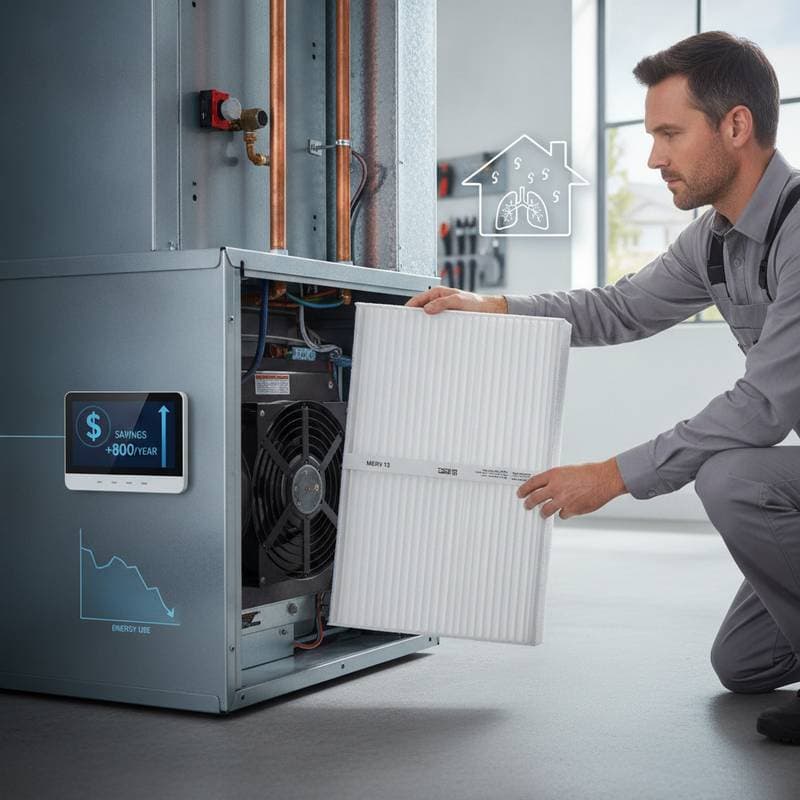
When you start your HVAC system in spring, one of the simplest yet most overlooked tasks is replacing or cleaning air filters. A dirty filter can reduce efficiency by up to 15 percent, increase energy costs, and even shorten system lifespan. As the weather warms, changing filters ensures your system runs smoothly and keeps indoor air clean. This guide explains which filters homeowners often miss, why they matter, and how to include them in your spring maintenance checklist.
| Filter Location | Typical Replacement Frequency | Commonly Missed? | Purpose |
|---|---|---|---|
| Main Return Air Filter | Every 1-3 months | Sometimes | Protects HVAC system and improves air quality |
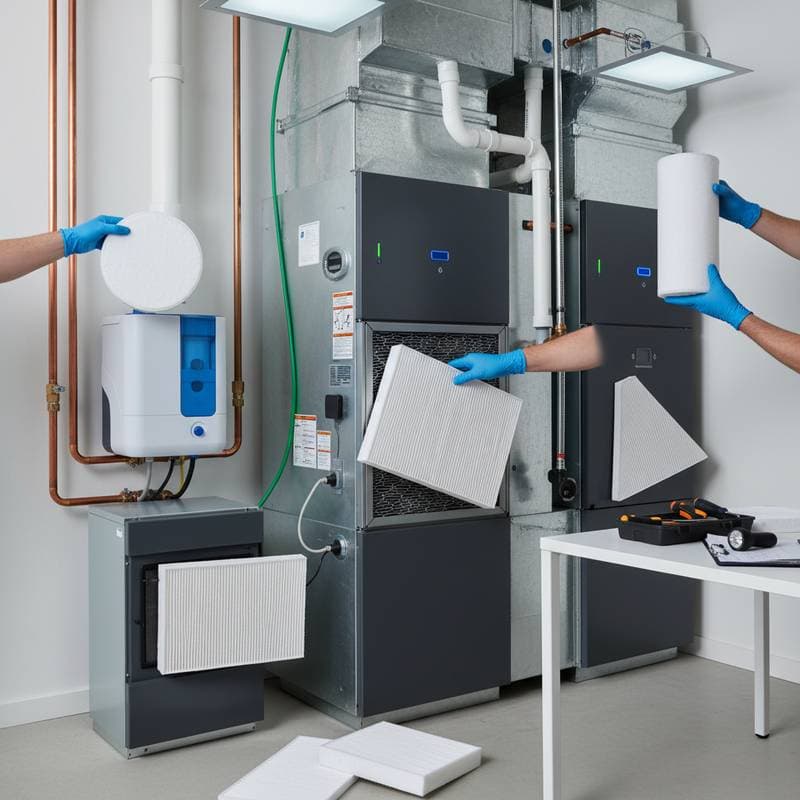
| Fresh Air Intake Filter | Every 6-12 months | Often | Filters outdoor air entering ventilation system |
| Humidifier or Dehumidifier Filter | Every 3-6 months | Very Often | Prevents mold and mineral buildup |
| ERV/HRV Filter | Every 3-6 months | Very Often | Maintains balanced ventilation efficiency |
| Ductless Mini-Split Filter | Monthly | Frequently | Keeps indoor air handler performing efficiently |
Average Filter Replacement Costs
You can expect to spend between $10 and $50 per filter, depending on size, type, and quality. High-efficiency filters with MERV ratings above 11 typically cost more but capture smaller particles and allergens. For specialty systems like energy recovery ventilators (ERVs) or whole-home humidifiers, replacement filters may range from $30 to $100 each. Professional maintenance services often include filter checks as part of a $150 to $300 seasonal inspection.
Key Factors That Affect Filter Replacement Cost
Several factors influence how much you spend on HVAC filters each season. Understanding these helps you plan your spring startup budget effectively.
Filter Type and Material
Filters come in several types, from disposable fiberglass to pleated high-efficiency models. Fiberglass filters are inexpensive but trap fewer particles. Pleated and electrostatic filters cost more but provide better air cleaning and longer service life.
System Size and Configuration
Larger homes often have multiple return vents and air handlers, requiring more filters. Ductless systems may have washable filters for each indoor unit, while central systems typically have one main filter near the return vent or furnace cabinet.
Household Air Quality Needs
If you have pets, allergies, or smoking indoors, your filters will clog faster. Homes with higher indoor pollutant levels may need replacements every month to maintain healthy airflow and air quality.
Maintenance Frequency and Labor
If you hire a professional to handle seasonal maintenance, their labor rates can affect your total cost. Some HVAC service contracts include filter changes, inspection, and coil cleaning. This adds convenience but may raise the total cost compared to DIY replacements.
Types of HVAC Filters and Their Pros and Cons
Each type of HVAC filter serves a specific purpose. Choosing the right one for your system and air quality goals makes a big difference in performance.
-
Fiberglass Filters
Pros: Low cost, easy to find, disposable.
Cons: Capture only large debris, poor at trapping fine dust or allergens. -
Pleated Filters
Pros: Better filtration efficiency, available in various MERV ratings.
Cons: Higher airflow resistance if not replaced regularly. -
Electrostatic Filters
Pros: Washable, reusable, effective for small particles.
Cons: Require regular cleaning and can lose efficiency over time. -
HEPA Filters
Pros: Capture up to 99.97 percent of particles, excellent for allergy control.
Cons: Not compatible with all systems, may require modifications. -
Activated Carbon Filters
Pros: Remove odors, smoke, and chemical fumes.
Cons: Need frequent replacement to stay effective.
Signs You Missed a Critical Filter Change
Neglecting certain filters can lead to problems that affect both comfort and system reliability. Watch for these warning signs:
- Uneven temperatures between rooms
- Dust buildup on vents and furniture
- Rising utility bills without increased usage
- Musty or stale indoor air
- Reduced airflow or noisy operation
- Visible dirt or discoloration on the filter surface
- Increased allergy or asthma symptoms indoors
If you notice any of these issues, check every filter in your home, not just the main HVAC return filter.
The Spring HVAC Startup Process
During spring startup, your goal is to ensure efficient airflow and clean operation before cooling season begins. Follow these steps for a thorough process:
- Turn off power to the system for safety before inspecting filters.
- Locate all filters throughout the home, including main return vents, ERV or HRV units, humidifiers, and mini-splits.
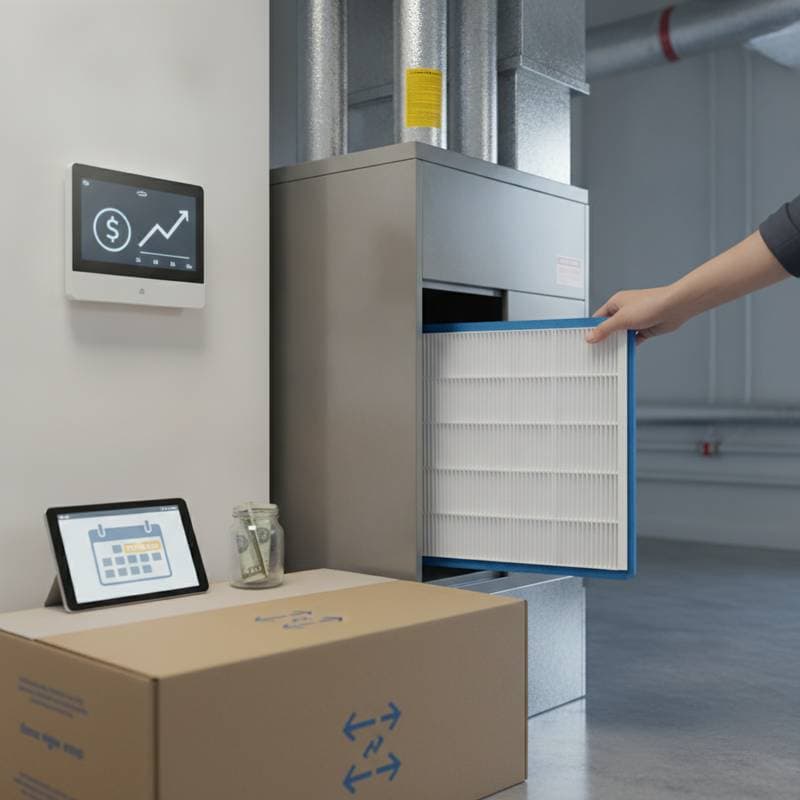
- Remove each filter and inspect for dust, discoloration, or damage.
- Replace disposable filters with the same size and type recommended by your HVAC manufacturer.
- Wash reusable filters with mild soap and water, then allow them to dry completely before reinstalling.
- Check airflow after replacing filters to confirm proper operation.
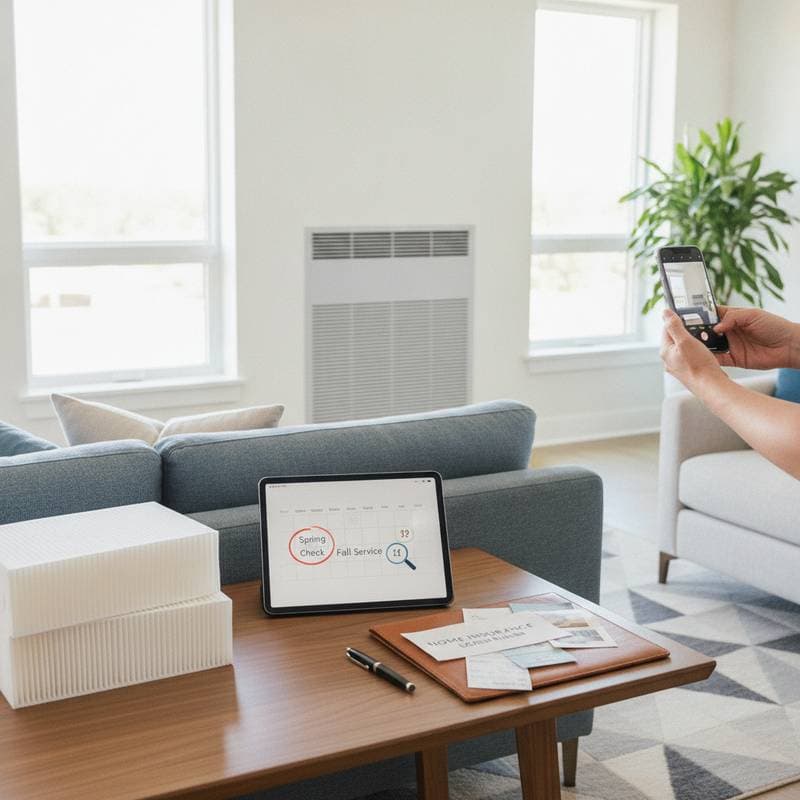
- Document replacement dates on the filter frame or a maintenance log for future reference.
These steps are simple but prevent major performance issues later in the season.
HVAC Labor Costs for Filter Maintenance
If you prefer to have a professional handle your spring startup, labor costs vary depending on your system type and service provider. A typical HVAC technician may charge between $75 and $150 per hour, with most filter-related tasks taking less than one hour. When combined with a full inspection, duct cleaning, or refrigerant check, the visit may cost $150 to $300 total. This small investment helps ensure your system operates efficiently all season.
Frequently Asked Questions About HVAC Filter Replacement
How often should I replace my HVAC filters?
Most standard filters should be replaced every 1 to 3 months, but some high-efficiency models last longer. Check manufacturer recommendations and inspect filters monthly during heavy use.
Can I clean and reuse my filter?
Only washable or electrostatic filters are designed for reuse. Disposable fiberglass or pleated filters must be replaced to maintain proper airflow and filtration.
Why does my filter get dirty so quickly?
Rapid filter clogging often means high dust levels, pet hair, or poor ventilation. It can also indicate that your filter has a higher MERV rating and traps smaller particles, which fill it faster.
Do ductless mini-splits have filters?
Yes, each indoor air handler in a ductless system includes a small washable filter. These should be cleaned monthly to maintain efficiency and prevent odor issues.
What happens if I forget to change the filter?
A neglected filter can restrict airflow, reduce cooling capacity, and overwork the blower motor. This leads to higher energy bills and potential system damage.
Are expensive filters worth the cost?
Should I replace filters during professional maintenance visits?
Maintaining Your HVAC Investment
Changing filters regularly is one of the easiest ways to protect your HVAC system and improve indoor comfort. By including every filter in your spring maintenance checklist, you avoid uneven cooling, poor air quality, and unnecessary wear on your equipment. If you are unsure where all your filters are located, schedule a professional inspection.