Why 40% of Homeowners Choose HVAC Subscriptions
Homeowners increasingly select HVAC subscription plans to maintain their heating and cooling systems with efficiency and foresight. These plans, priced between $150 and $500 annually, include regular tune-ups, priority service, and repair discounts. Such programs shift the focus from reactive fixes to preventive care, which appeals to nearly 40% of households seeking reliable comfort.
An HVAC subscription extends beyond basic maintenance. It represents a strategic investment that minimizes emergency repairs, enhances system longevity, and optimizes energy use. This article explores the reasons for their popularity, key benefits, and guidance on selecting the appropriate plan for your residence.
Reasons Homeowners Opt for HVAC Subscription Plans
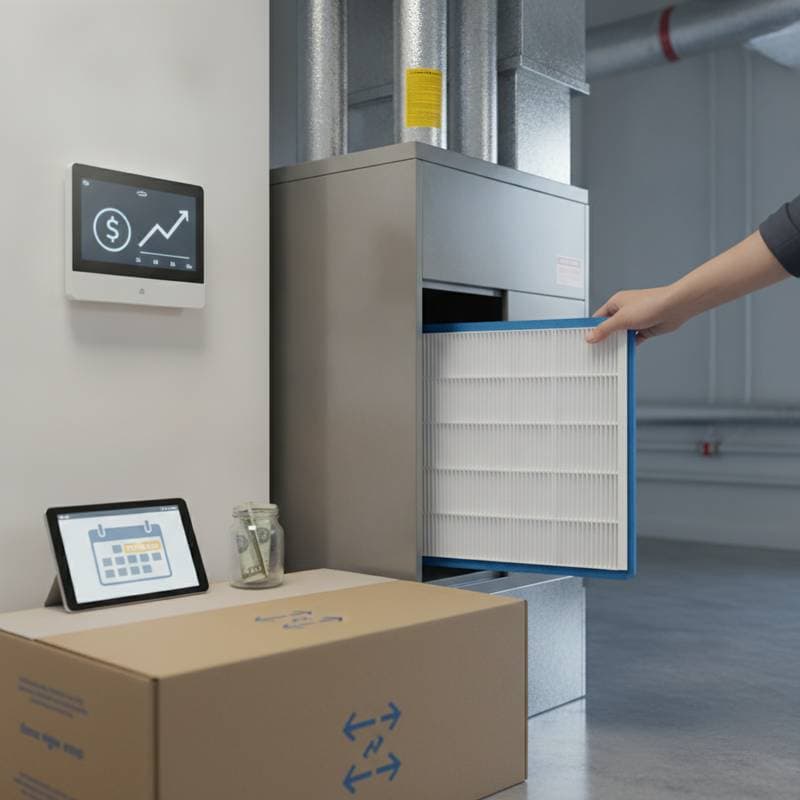
Subscription plans address common challenges in HVAC management. They provide scheduled inspections that catch potential problems early, avoiding costly disruptions. For instance, a simple filter replacement during a routine visit can prevent airflow restrictions that lead to overheating or freezing components.
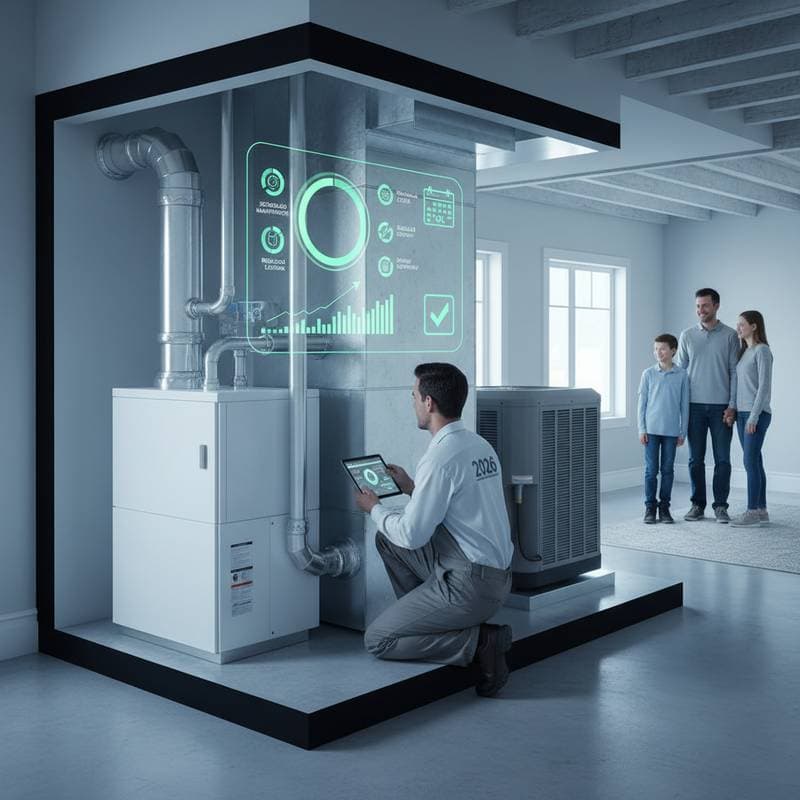
These programs also foster a partnership with certified technicians who track your system's performance over time. This ongoing relationship ensures tailored advice, such as adjusting thermostat settings for seasonal efficiency. As a result, subscribers experience fewer service interruptions and greater control over home climate.
Key Benefits of HVAC Subscriptions
1. Predictable Costs and Substantial Savings
Emergency repairs often range from $300 to $1,000, depending on the issue's severity. HVAC subscriptions distribute these expenses across the year through fixed fees, eliminating the financial shock of sudden failures. Moreover, consistent maintenance preserves energy efficiency, which can reduce utility bills by up to 15% annually.
To maximize savings, review plans that bundle tune-ups with parts discounts. This approach not only covers routine tasks like coil cleaning but also applies credits toward major services, such as compressor replacements.
2. Priority Scheduling and Rapid Response
During high-demand periods, such as summer heatwaves or winter storms, standard service wait times can stretch to several days. Subscribers gain access to expedited appointments, often within 24 hours for urgent needs. This feature proves invaluable when system downtime affects family comfort or health.
Providers typically assign dedicated support lines for members, streamlining communication. Technicians arrive equipped with your service history, enabling quicker diagnostics and resolutions without redundant explanations.
3. Prolonged Equipment Lifespan
HVAC systems last 15 to 20 years with proper care, but neglect shortens this period significantly. Regular maintenance addresses wear on components like fans and belts, preventing escalation into full breakdowns. For example, annual lubrication reduces friction, while refrigerant checks maintain optimal pressure levels.
Over time, these interventions compound to extend operational life by several years. Homeowners report systems functioning at peak performance well beyond the average, delaying the need for expensive replacements.
4. Enhanced Energy Efficiency and Consistent Comfort
Inefficient systems force units to work harder, increasing energy consumption and uneven temperatures. Subscription services include airflow assessments and duct sealing to ensure balanced distribution. Technicians calibrate controls for precise humidity and temperature regulation, creating a more comfortable indoor environment.
These optimizations align with modern energy standards, potentially qualifying homes for rebates. Subscribers notice steadier conditions, with fewer hot or cold spots, leading to improved daily living.
5. Assurance and Professional Oversight
The reliability of pre-arranged visits and on-call support alleviates concerns about system reliability. Professionals monitor trends, such as rising energy use, and recommend adjustments proactively. This vigilance provides homeowners with confidence in their home's climate control.
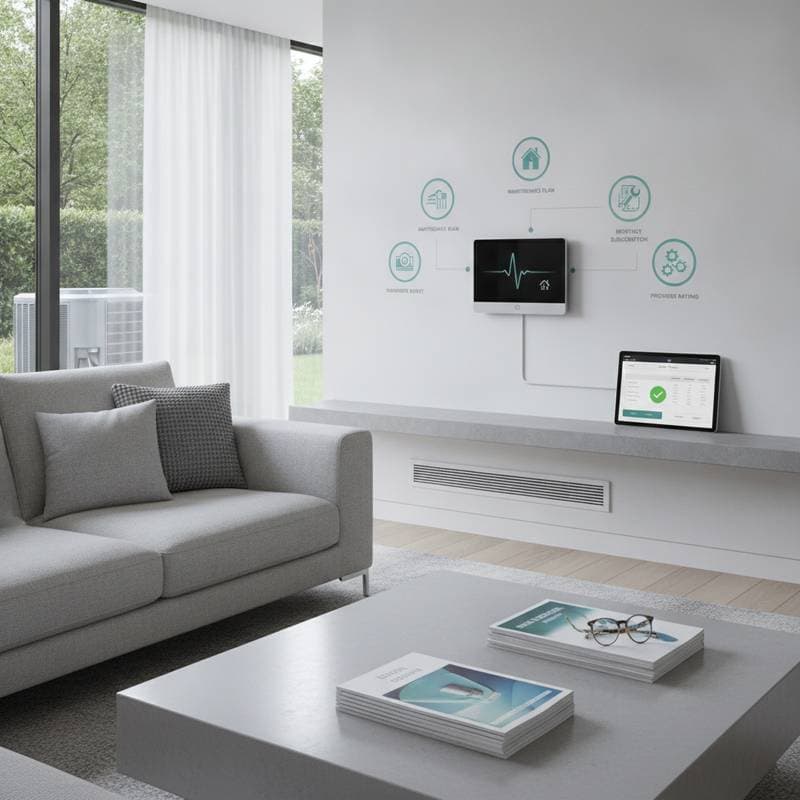
Many plans incorporate digital tools, like performance reports, to keep owners informed. This transparency builds trust and encourages informed decisions about system upgrades.
HVAC Subscription Frequently Asked Questions
Do New Systems Require Subscription Maintenance?
Absolutely, preventive care benefits even brand-new installations. Routine inspections validate manufacturer warranties, which often mandate annual servicing. This practice sustains peak efficiency, preventing early degradation from manufacturing residues or initial setup issues.
What Are the Cancellation Policies?
Providers generally permit termination at any point, but refund eligibility varies based on completed services. Examine the agreement for prorated credits or notice periods to avoid unexpected fees. Consulting with the company beforehand clarifies these terms.
How Many Visits Does a Typical Plan Include?
Standard plans schedule two annual visits: one in spring for cooling preparation and one in fall for heating readiness. Premium options may add quarterly checks or filter deliveries. Discuss frequency with providers to match your home's usage patterns.
Can Subscriptions Cover Multiple Units?
Yes, many plans extend to whole-home systems, including furnaces, air handlers, and thermostats. Multi-unit coverage often comes at a discounted rate per additional component. Verify inclusions to ensure comprehensive protection.
Do Plans Address Smart Thermostat Integration?
Increasingly, subscriptions incorporate smart device calibration. Technicians optimize settings for energy savings and remote monitoring. This integration enhances overall system intelligence and user convenience.
Selecting and Implementing Your HVAC Subscription
Evaluate providers based on technician certifications, response guarantees, and coverage scope. Request details on included services, such as diagnostic tools or emergency parts stocking. A well-chosen plan integrates seamlessly into your home routine, delivering sustained benefits.
Start by assessing your current system's age and usage. Older units may prioritize repair discounts, while efficient models focus on efficiency tuning. Once enrolled, track the first few visits to confirm alignment with expectations.
Investing in an HVAC subscription transforms maintenance from a chore into a safeguard. Homeowners gain not only operational reliability but also financial predictability and enhanced living quality. Choose a plan that fits your needs to secure these advantages year-round.