How Common DIY Filter Mistakes Can Cost You $800 Yearly
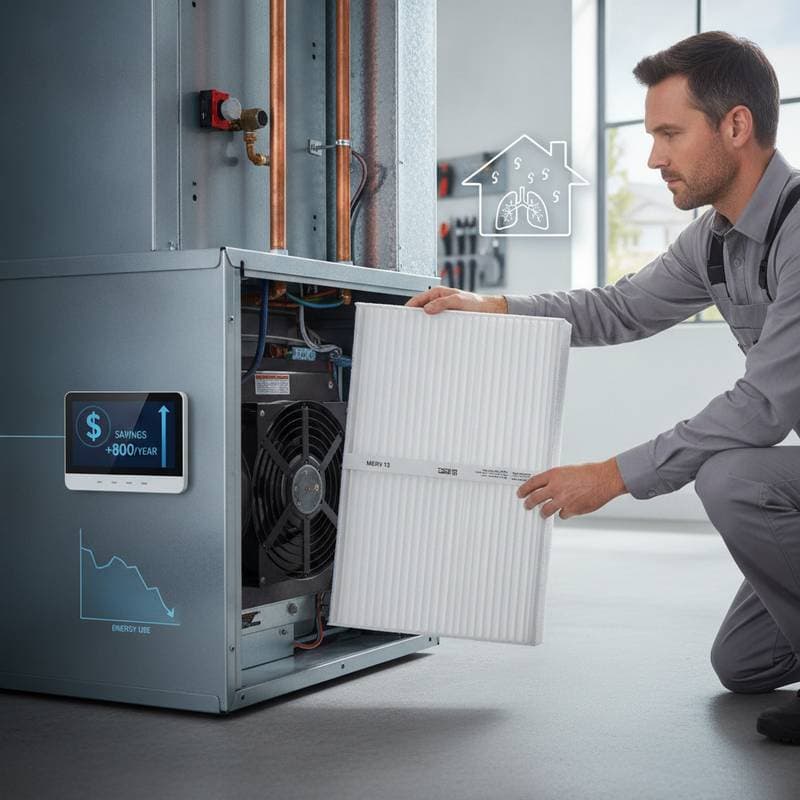
Homeowners frequently overlook the critical role of HVAC filter maintenance. A basic error, such as selecting an incompatible filter or delaying replacement, silently increases energy expenses, stresses system components, and prompts costly repairs. Research indicates that poor filter management results in up to $800 annually in additional energy and upkeep expenses.
This guide details prevalent DIY HVAC filter errors that generate these concealed costs. Readers gain insight into filter functions within system performance, errors to evade, and effective strategies for optimal HVAC maintenance.
Prevalent DIY Filter Errors and Their Annual Costs
1. Neglecting Regular Filter Replacement
Failure to replace filters consistently ranks as the primary and most expensive oversight. Homeowners often neglect inspections for extended periods, permitting substantial dirt accumulation. A blocked filter compels the blower motor to expend greater energy, elevating utility costs by as much as 15 percent.
Typical financial effects:
- Increased energy consumption: $15 to $30 monthly
- Diminished system longevity: $200 to $400 yearly in wear-induced expenses
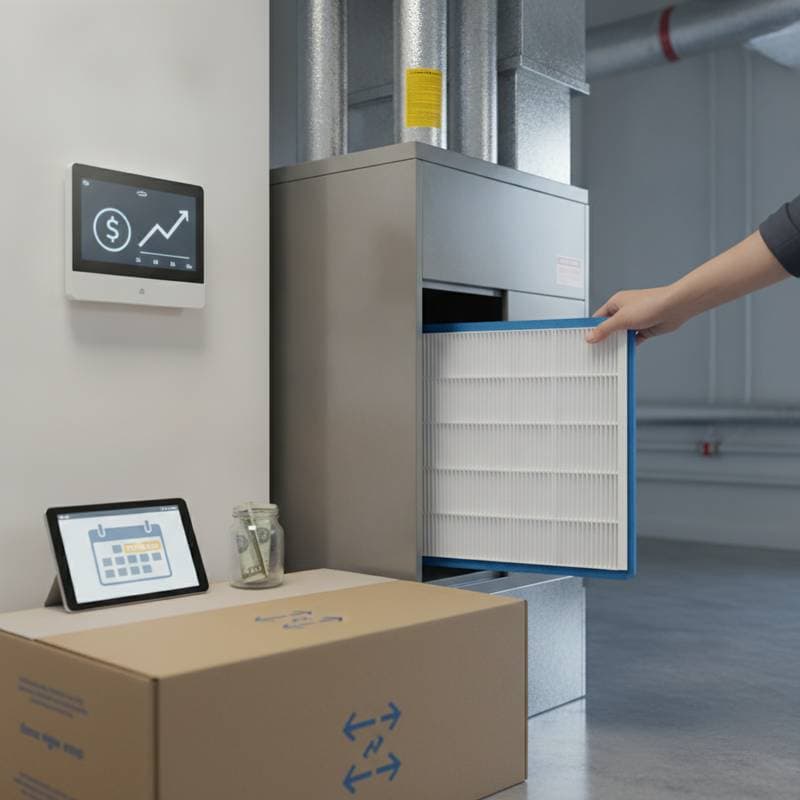
Best approach: Exchange filters every one to three months, adjusted for household activity and filter variety. Residences with pets or allergy sufferers benefit from more frequent intervals.
2. Selecting the Wrong Filter Type
Filters vary by material and efficiency rating, such as MERV levels that measure particle capture. An unsuitable type, like a high-efficiency filter in a system designed for basic models, restricts airflow and overburdens the unit.
Financial effects:
- Elevated energy demands: $100 to $200 yearly
- Potential motor strain: Additional $50 to $100 in repairs
Best approach: Consult the HVAC manual or a professional to match filter type with system specifications. Opt for pleated filters in standard residential setups for balanced performance.
3. Installing Filters Backward
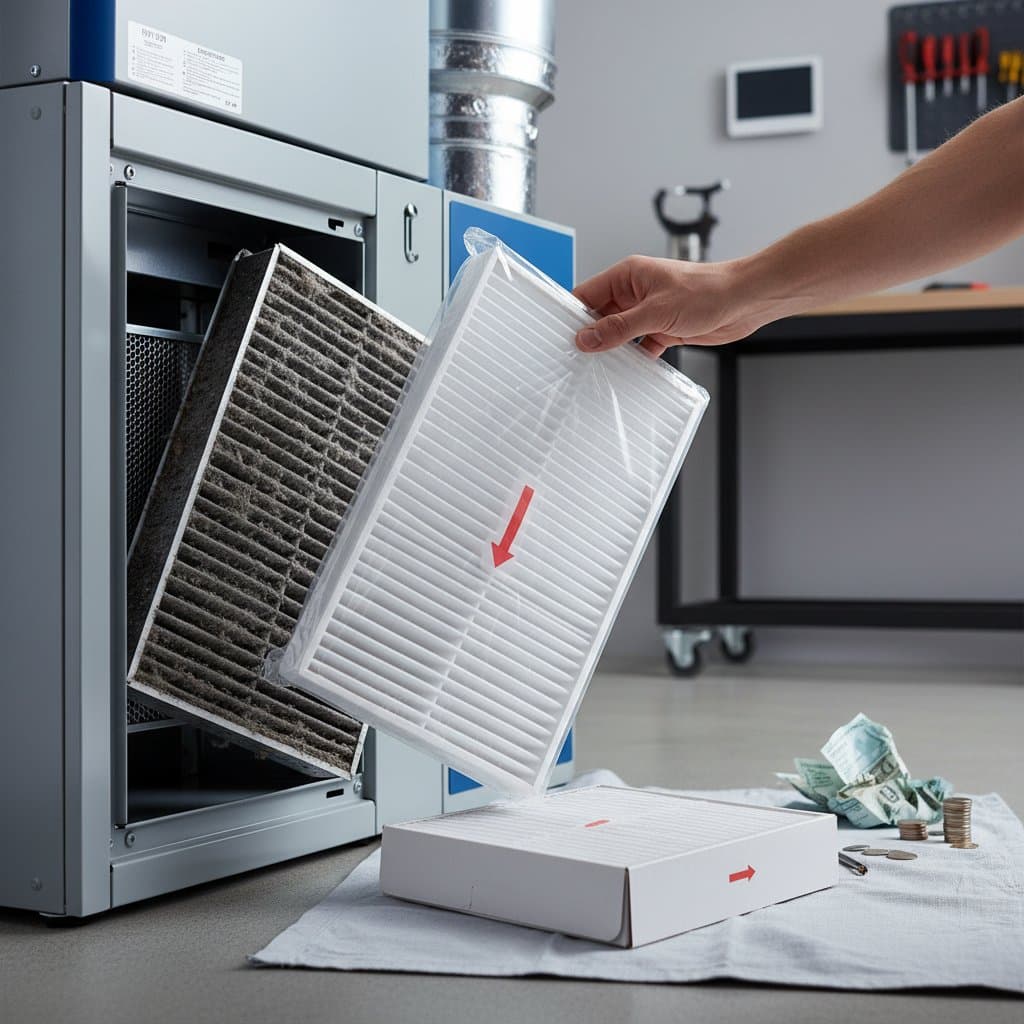
Directional arrows on filters denote proper airflow orientation. A reversed installation diminishes efficiency and intensifies blower pressure. The system labors to force air through the filter's denser layer, consuming extra power while compromising indoor air purity.
Financial effects:
- Heightened power usage: $10 to $20 monthly
- Motor wear accumulation: $150 to $250 yearly
Best approach: Verify arrow direction prior to placement. Arrows must align toward the furnace or air handler for correct flow.
4. Using an Incorrect Filter Size
Filters demand precise dimensions to seal effectively within the housing. An ill-fitting filter, whether oversized or undersized, creates gaps that permit unfiltered air entry or causes binding that hampers operation.
Financial effects:
- Airflow inefficiencies: $100 to $200 yearly
- System imbalance risks: $50 to $150 in service fees
Best approach: Measure the slot dimensions accurately and select matching filters. Trim custom sizes only as a temporary measure, and replace with proper fits promptly.
5. Overlooking Filter Slot and Frame Cleaning
Routine filter swaps alone do not suffice if surrounding areas accumulate debris. Residue in the frame or slot disrupts seals, enabling bypass of contaminants and reducing overall filtration.
Financial effects:
- Performance decline: $10 to $15 monthly
- Annual cleaning demands: $100 to $200
Best approach: Clean the housing with a moist cloth at each replacement. This practice preserves airflow and ensures tight seals.
6. Reusing Disposable Filters
Disposable filters lack reusability; attempts to rinse or vacuum them degrade their structure and filtration capacity. Persistent use leads to rapid clogging and uneven particle capture.
Financial effects:
- Compromised efficiency: $400 to $600 yearly
- Heightened dust circulation: Extra $100 in health-related costs
Best approach: Discard disposable filters after one use cycle. Consider washable alternatives only if compatible with the system and cleaned meticulously.
7. Disregarding Seasonal Usage Patterns
HVAC units operate at peak intensity during heating and cooling periods. Filters saturate more quickly under constant demand, and ignored inspections exacerbate inefficiencies during high-consumption months.
Financial effects:
- Surging energy bills: $20 to $30 monthly in peak times
- More frequent service visits: $100 to $150 annually
Best approach: Perform monthly filter checks during intensive seasons. Early detection prevents clogs and maintains steady performance.
Cumulative Impact of These Errors
Individually minor, these filter missteps compound to surpass $800 in yearly losses. The total encompasses surplus electricity, accelerated part degradation, and avoidable fixes.
| Error | Estimated Yearly Cost |
|---|---|
| Late filter replacement | $200–$300 |
| Wrong filter type | $100–$200 |
| Backward installation | $150–$250 |
| Incorrect size | $100–$200 |
| Dirty filter slot | $100–$200 |
| Reused disposable filters | $400–$600 |
| Ignoring seasonal checks | $200–$300 |
| Skipping professional maintenance | $300–$500 |
A handful of these issues suffices to accumulate substantial expenses. Proactive avoidance proves more economical than remedying energy waste and breakdowns.
Strategies for Effective HVAC Filter Management
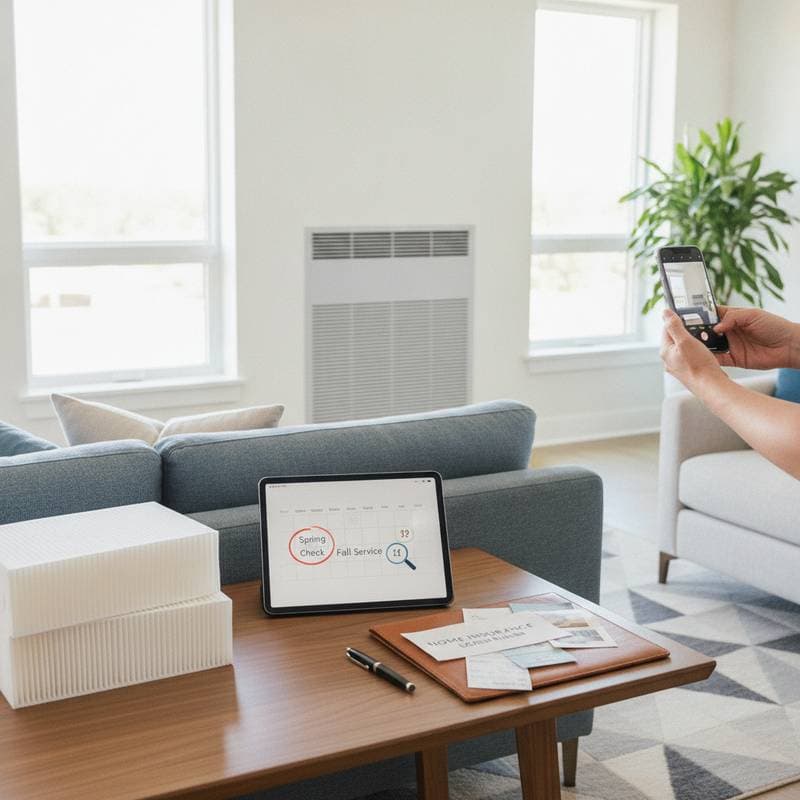
Implement a filter replacement calendar tied to seasonal shifts and usage levels. Pair DIY efforts with annual professional inspections to detect underlying issues early. These habits safeguard system reliability, enhance air quality, and deliver long-term savings on operational costs.
Frequently Asked Questions on DIY Filter Management
How frequently should HVAC filters receive replacement?
Standard filters require exchange every one to three months. High-usage homes, those with pets, or allergy-prone individuals should aim for monthly updates. Refer to packaging instructions for model-specific advice.
What consequences arise from delayed HVAC filter changes?
A clogged filter elevates power consumption and impairs heating or cooling output. Prolonged neglect results in elevated expenses, soiled coils, and risk of complete system malfunction.
Does any fitting filter suit the HVAC system?
Filters must align with size and airflow needs. A high-MERV option in a basic system induces restrictions and undue stress.
Do washable filters outperform disposables?
Washable models offer savings through reuse, provided cleaning occurs thoroughly. However, they typically provide inferior filtration compared to pleated disposables and demand complete drying to avoid mold.
How can correct filter installation get confirmed?
Ensure the airflow arrow directs toward the air handler or furnace. The filter fits securely without voids. Whistling sounds or irregular airflow signal the need for adjustment or replacement.
What indicators suggest a clogged filter?
Observe diminished airflow, inconsistent room temperatures, extended run times, or dust near vents. Immediate filter inspection follows any such observation.