How a Humidity-Controlled HVAC System Enhances Allergy Relief in 2026
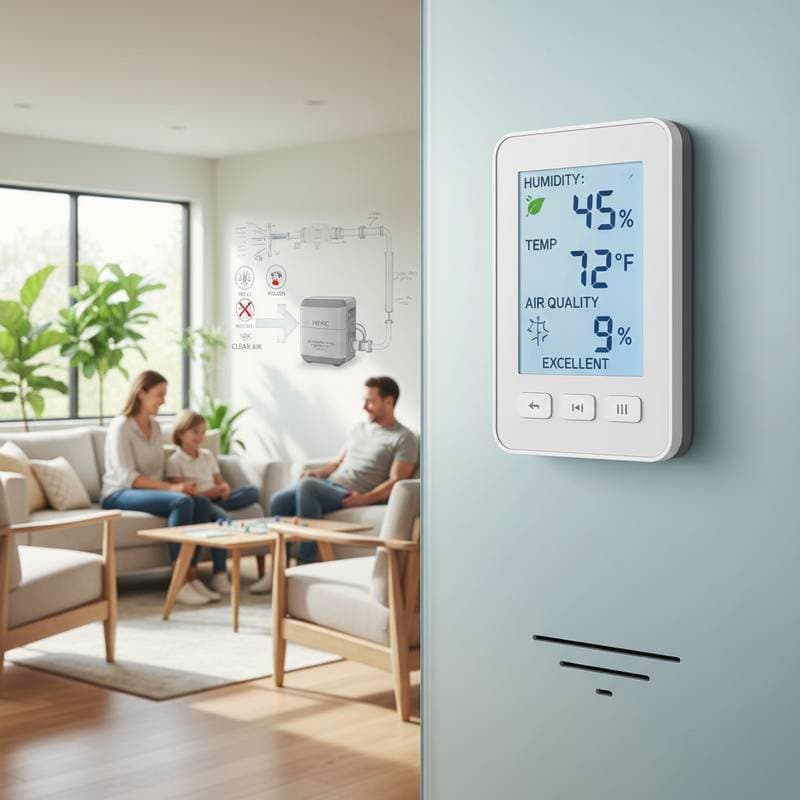
Homeowners facing persistent allergies often overlook indoor humidity as a key trigger. A humidity-controlled HVAC system addresses this by maintaining optimal moisture levels, typically between 30 and 50 percent, to minimize allergens like mold and dust mites. These systems integrate advanced controls that adjust air moisture alongside temperature, fostering a healthier indoor environment year-round.
The average cost for such a system falls between $5,000 and $12,000, influenced by factors such as home size and feature selections. This investment not only reduces allergy symptoms but also enhances energy efficiency and overall comfort. The following sections detail system mechanics, pricing breakdowns, installation processes, and maintenance strategies to guide informed decisions.
Pricing Overview for Humidity-Controlled HVAC Systems
Costs vary based on system configuration, home dimensions, and installation demands. The table below outlines typical ranges for common options, including equipment and labor.
| System Type | Average Cost | Key Features |
|---|---|---|
| Basic HVAC with humidity integration | $5,000–$8,000 | Built-in sensors for moisture adjustment in standard units |
| Standalone whole-home dehumidifier | $1,500–$3,500 | Dedicated unit to target excess moisture across the property |
| Smart monitoring add-on | $500–$1,200 | Automated sensors and app-based controls for real-time adjustments |
| Premium high-efficiency model | $9,000–$12,000 | Variable-speed components and zoning for precise climate management |
Regional labor rates and material availability can adjust these figures. Homeowners should request detailed quotes to account for local variables.
Key Factors Influencing Costs
Multiple elements determine the final expense of a humidity-controlled HVAC upgrade. Budget planning benefits from evaluating these aspects carefully.
System Configuration
Integrated humidity features within a full HVAC replacement provide seamless operation but command higher initial prices than add-on units. Such systems optimize airflow and moisture removal, yielding superior long-term performance.
Property Dimensions and Design
Units in larger residences demand greater capacity or zoned distribution to achieve uniform humidity. Technicians calculate requirements using square footage and room layouts to avoid under- or over-sizing.
Installation Labor
Certified professionals handle integration to prevent inefficiencies. Expect labor to represent 25 to 40 percent of total costs, with complexities like duct modifications increasing time and expense.
Efficiency Ratings
Models with variable-speed compressors and automated humidity sensors reduce operational demands. Initial premiums offset through lower utility bills, often recouping investments within several years.
Supplementary Features
Enhancements such as smart thermostats, ultraviolet purifiers, and high-efficiency particulate air filters bolster allergen reduction. These options customize protection but elevate upfront spending.
Ongoing Upkeep
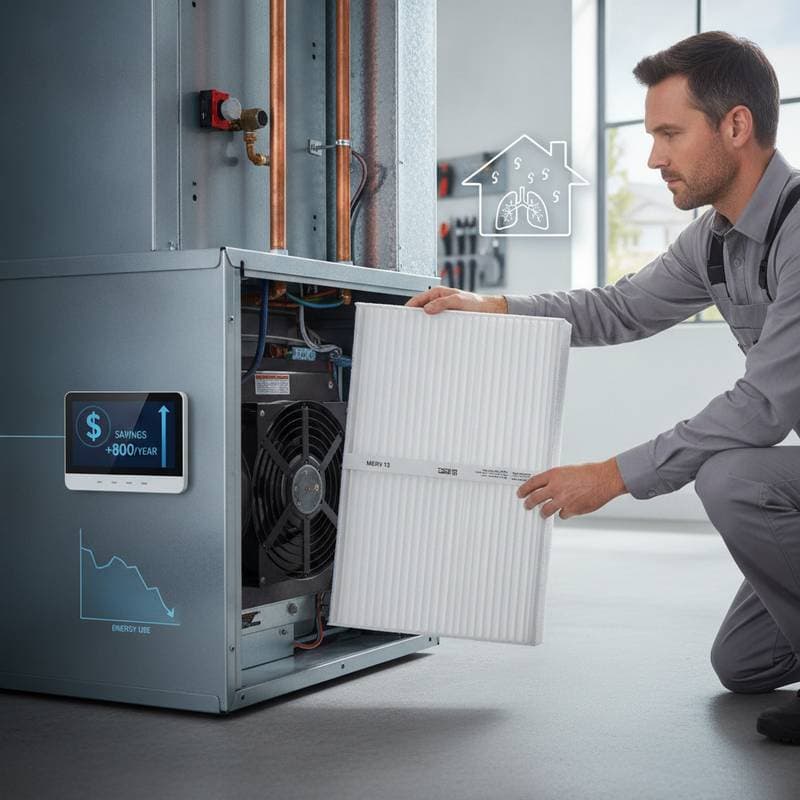
Regular servicing, including filter replacements and component checks, sustains performance. Annual contracts range from $150 to $400, scaled to system intricacy.
Step-by-Step Installation Guide
Certified technicians follow a structured process to integrate humidity controls effectively.
- Initial Evaluation: Inspect existing HVAC infrastructure, measure baseline humidity, and assess duct conditions.
- Custom Design: Select equipment scaled to home size and local climate patterns for optimal coverage.
- Component Integration: Install humidifiers, dehumidifiers, and sensors within the air handler or ductwork.
- Fine-Tuning: Set controls to target 30 to 50 percent relative humidity, adjusting for seasonal variations.
- Performance Verification: Test operations in heating, cooling, and dehumidification modes to confirm balanced output.
Most projects conclude within one to two days, minimizing household disruption.
Frequently Asked Questions on Humidity-Controlled HVAC Systems
How do these systems regulate indoor moisture?
Air passes through the HVAC unit where dehumidifiers remove excess water vapor or humidifiers introduce it as needed. Integrated sensors monitor levels and activate adjustments automatically to sustain ideal conditions.
Do they contribute to energy savings?
Balanced humidity enhances perceived comfort, allowing the system to cycle less frequently. This efficiency reduces heating and cooling demands, potentially lowering annual energy expenses by 10 to 20 percent.
Is retrofitting possible for older setups?
Many existing units accommodate add-ons like dehumidifiers, provided duct space allows. A technician evaluates compatibility to ensure seamless incorporation without major overhauls.
What durability can homeowners expect?
Core components endure 15 to 20 years with diligent care. Sensors and moisture handlers may require earlier updates, influenced by water hardness and usage intensity.
How effective are they against allergens?
These systems curb growth of mold and mites by limiting favorable humidity, though complete elimination demands complementary measures like vacuuming and air filtration.
Securing Quotes and Selecting Contractors
Reliable installation hinges on choosing experienced professionals. Obtain at least three quotes to compare value and terms.
Essential Inquiries for Contractors
- What specific experience do you have with humidity-controlled installations?
- Which system brands suit my home's size and regional climate?
- Will the setup integrate with current ductwork?
- What post-installation maintenance options do you offer?
- How do you determine equipment sizing for even humidity distribution?
- Are energy rebates applicable to this upgrade?
- What warranties apply to equipment and workmanship?
- Can you share client testimonials or case studies?
- What is the projected timeline for completion?
- How do operating costs compare to traditional systems?
Verify licensing and insurance to protect against subpar work.
Sustaining Performance for Lasting Benefits
Humidity-controlled HVAC systems extend beyond comfort to promote respiratory health and operational savings. Consistent monitoring prevents allergen buildup, ensuring cleaner air circulation. Schedule biannual inspections to address wear early, maximizing the system's role in a resilient home environment.