Understanding HVAC Water Damage Risks
HVAC systems produce condensation as they cool your home, and proper drainage keeps this water from causing harm. However, when components like drain lines clog or pans crack, leaks can lead to mold, structural damage, and insurance claims. Statistics show that 89 percent of these claims arise from issues that routine care could prevent, saving homeowners thousands in repairs.
Recognizing early warning signs allows you to act before problems escalate. Water damage often starts subtly but can quickly affect ceilings, walls, and indoor air quality. Addressing these promptly maintains system performance and protects your property investment.
Key Signs of Impending HVAC Water Damage
Monitor your system for these indicators, which signal potential leaks or backups:
- Pooling water near the indoor unit or air handler, suggesting a blocked drain or overflow.
- Musty odors or visible mold growth around vents, pointing to prolonged moisture exposure.
- Water stains on ceilings or drywall beneath the unit, evidence of drips that have penetrated surfaces.
- Unexplained increases in indoor humidity, as excess moisture fails to drain properly.
- Unexpected shutdowns of the AC, triggered by a safety float switch detecting high water levels.
If any of these signs appear, turn off the HVAC system immediately to prevent further leakage. Inspect the drain line for visible clogs, such as algae or debris, and consider professional help if the issue persists.
Essential Steps to Prevent Water Damage
Proactive maintenance targets the most common culprits: condensate buildup, component wear, and airflow restrictions. Homeowners can perform many tasks themselves with basic tools, while others require expert attention. Follow these steps to keep your system reliable year-round.
1. Clean the Condensate Drain Line Regularly
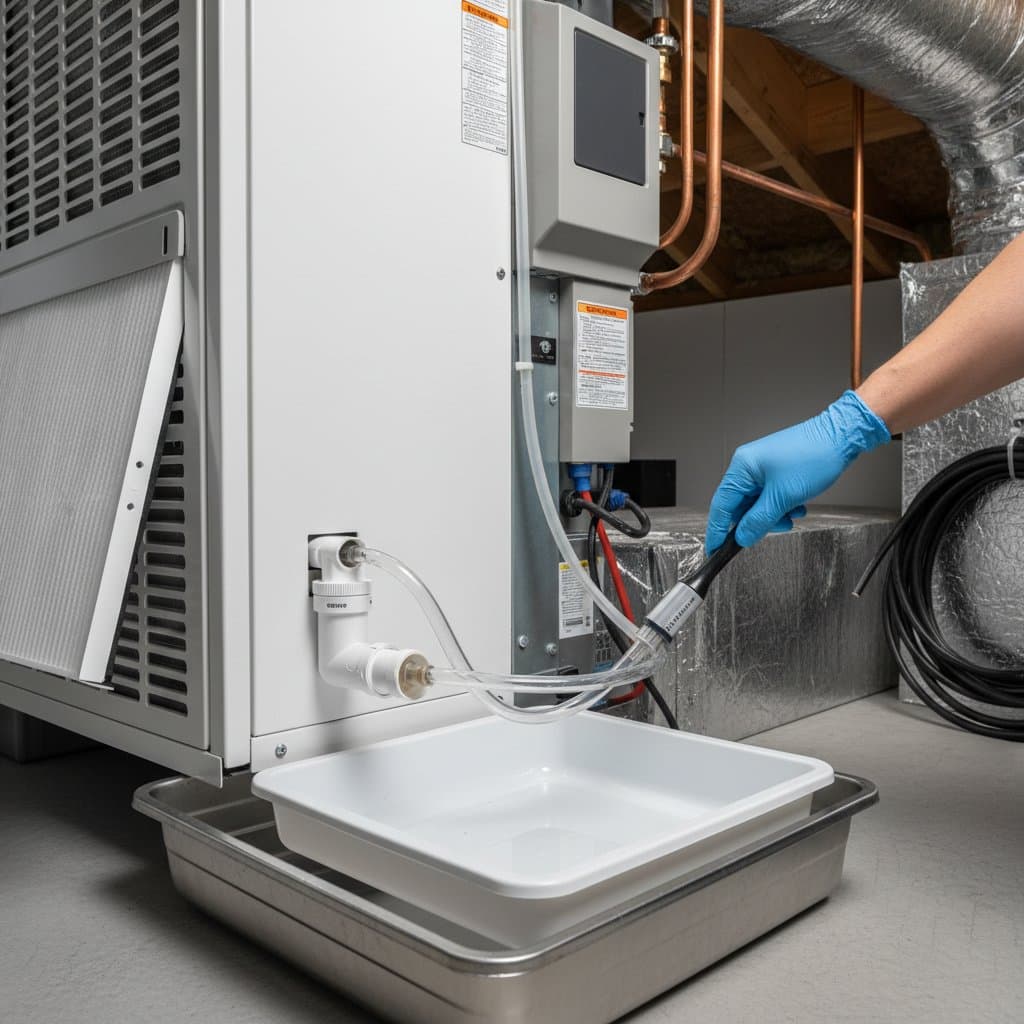
Condensate lines carry away moisture from the evaporator coil, but algae, dirt, and minerals can obstruct flow over time. Every two to three months, flush the line using a solution of one part white vinegar to ten parts warm water. Pour the mixture slowly into the drain access point near the unit, allowing it to dissolve buildup as it travels through the pipe.
For ongoing prevention, place a drain line cleaning tablet in the pan; these dissolve gradually to inhibit bacterial growth. If the line runs outdoors, ensure the exit point remains clear of leaves or debris. This simple routine reduces the risk of backups that lead to overflows.
2. Inspect and Maintain the Drain Pan
The drain pan catches excess condensation if the line clogs, serving as a secondary safeguard. Examine it annually for cracks, rust spots, or warping, which compromise its integrity. Use a flashlight to check hard-to-reach areas, and wipe away any residue to prevent corrosion.
If damage appears, replace the pan promptly with a compatible model from your HVAC manufacturer. A sturdy, intact pan ensures that minor issues do not result in widespread leaks. During inspections, also verify that the pan sits level to promote even drainage.
3. Ensure Proper Drain Line Slope and Installation
Effective drainage depends on gravity, so the condensate line must slope downward consistently from the unit to its discharge point. Measure the angle with a level; it should drop about one-fourth inch per foot of length. Flat sections or upward bends trap water, fostering clogs and stagnation.
If adjustments are needed, reposition supports or add fittings to correct the path. In humid climates, consider installing a secondary drain line for added redundancy. Proper slope not only prevents backups but also extends the life of your system's components.
4. Replace Air Filters on Schedule
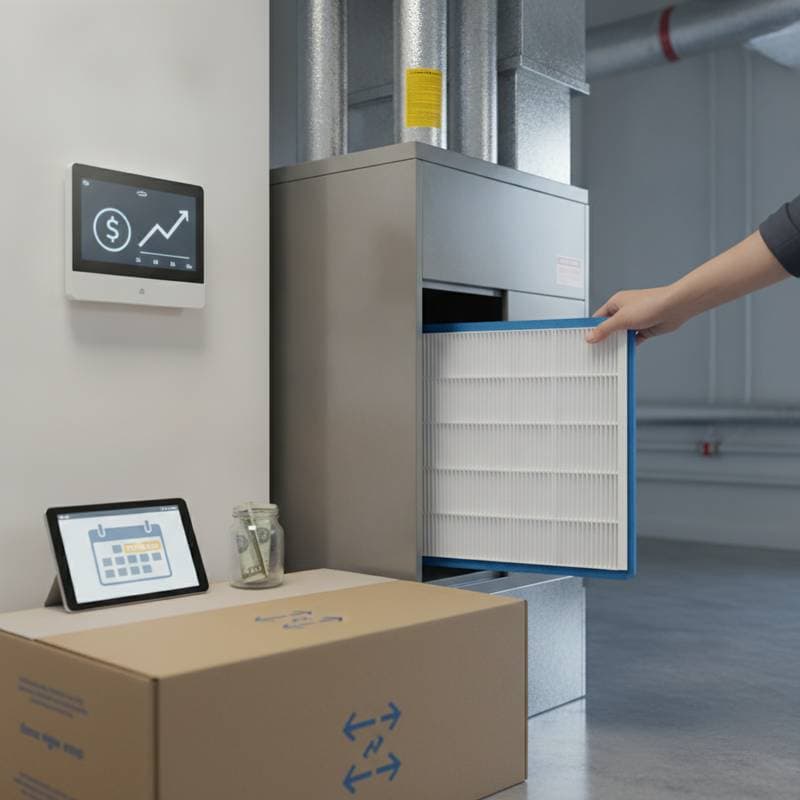
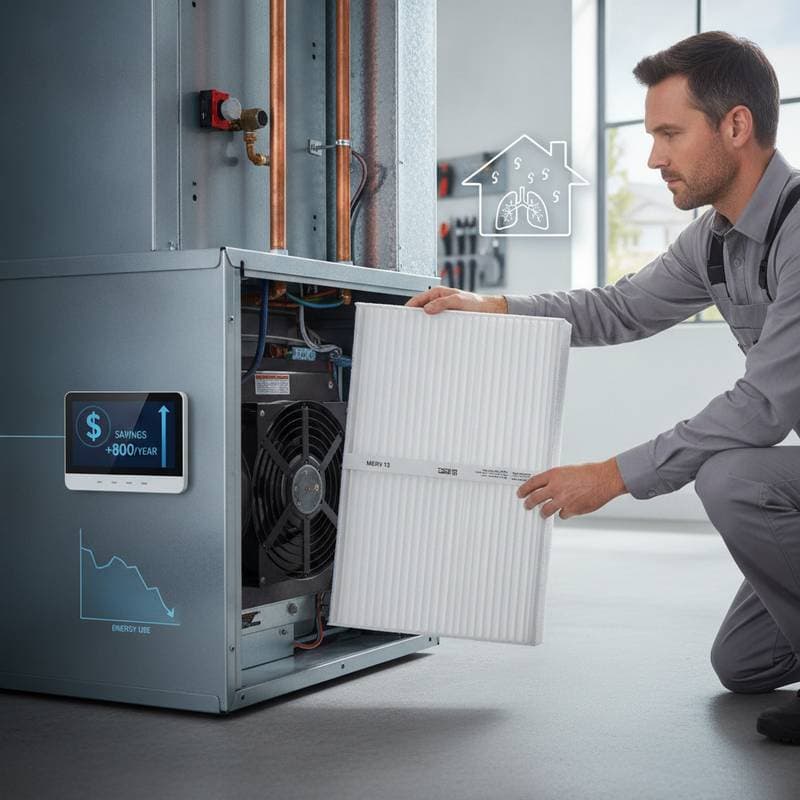
Clogged filters reduce airflow across the coils, causing them to freeze and produce excessive condensation that overwhelms drains. Select filters with a MERV rating suitable for your system, typically 8 to 13 for residential use. Check and replace them every one to three months, more frequently in high-use homes or dusty environments.
When installing a new filter, note the airflow direction arrow to ensure correct orientation. Cleanable filters can be vacuumed monthly between changes. This maintenance improves energy efficiency and directly cuts down on moisture-related problems.
5. Arrange Annual Professional Inspections
Trained technicians access areas homeowners cannot, such as internal coil surfaces and safety mechanisms. Schedule a full service at least once a year, ideally before peak cooling season. The visit includes pressure-testing drains, deep-cleaning components, and verifying float switches and pumps operate correctly.
Professionals also spot subtle issues like low refrigerant levels, which contribute to coil icing and leaks. Investing in this service identifies problems early, often preventing emergency calls. Many HVAC companies offer maintenance plans that include priority service for members.
Knowing When Professional Intervention Is Necessary
DIY efforts suffice for routine care, but active leaks demand swift expert response to minimize damage. If water pools despite basic cleaning, or if the clog resists vinegar flushes, call a licensed technician. They employ wet vacuums to extract deep-seated blockages and cameras to inspect line interiors without disassembly.
Recurring issues may stem from frozen coils due to refrigerant leaks or electrical faults, requiring diagnostic tools beyond home capabilities. Delaying professional help risks mold proliferation and structural harm. Expect a thorough assessment, including system-wide checks, to restore safe operation.
Long-Term Strategies to Safeguard Your Home
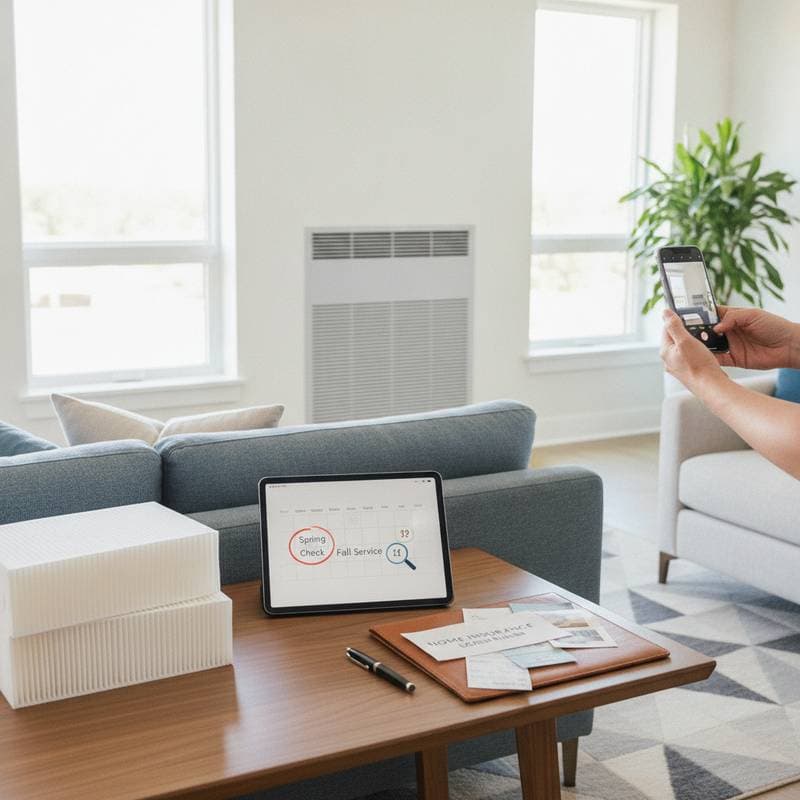
Beyond immediate fixes, integrate HVAC care into your home maintenance calendar to build lasting protection. Track filter changes and cleanings in a log to stay consistent. In older systems, upgrading to models with built-in safeguards, like secondary pans with alarms, provides extra peace of mind.
These practices not only avert water damage but also enhance air quality and lower energy bills. By prioritizing drainage health, you avoid the disruptions of claims processes and repair crews. A well-maintained system operates quietly and efficiently, contributing to a comfortable living environment.
Implementing Your Maintenance Plan
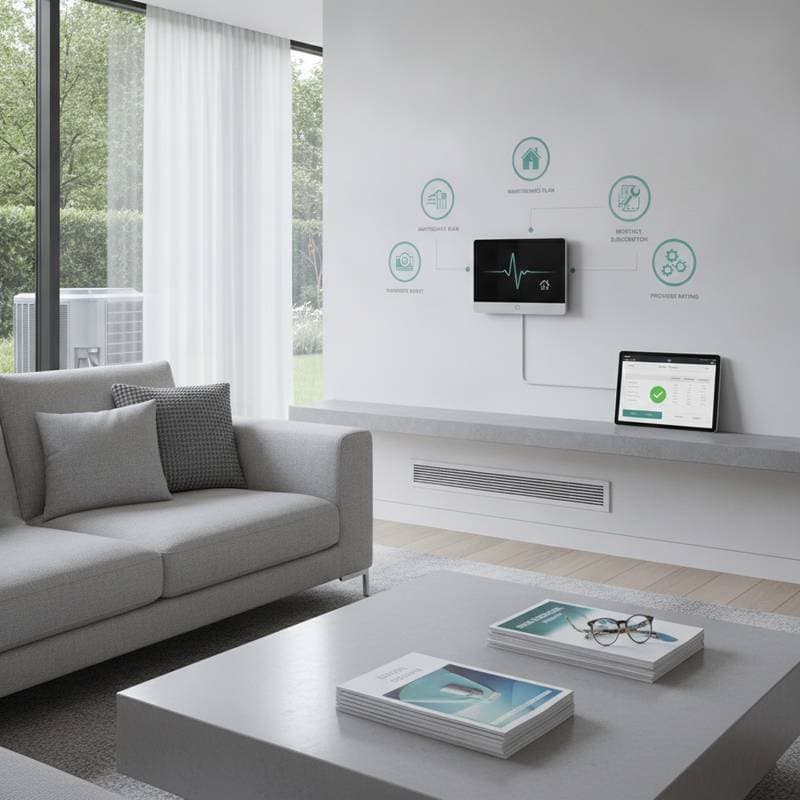
Start by assessing your current setup: locate the drain line, pan, and filters for a baseline inspection. Set reminders for seasonal tasks, and budget for that annual tune-up. If challenges arise during self-maintenance, consult resources from reputable HVAC associations or reach out to local experts.
Consistent action transforms potential disasters into minor chores. Your home deserves the reliability that comes from attentive care, ensuring cool air flows without the threat of water intrusion.