Why HVAC Filters Need Monthly Swaps This Winter
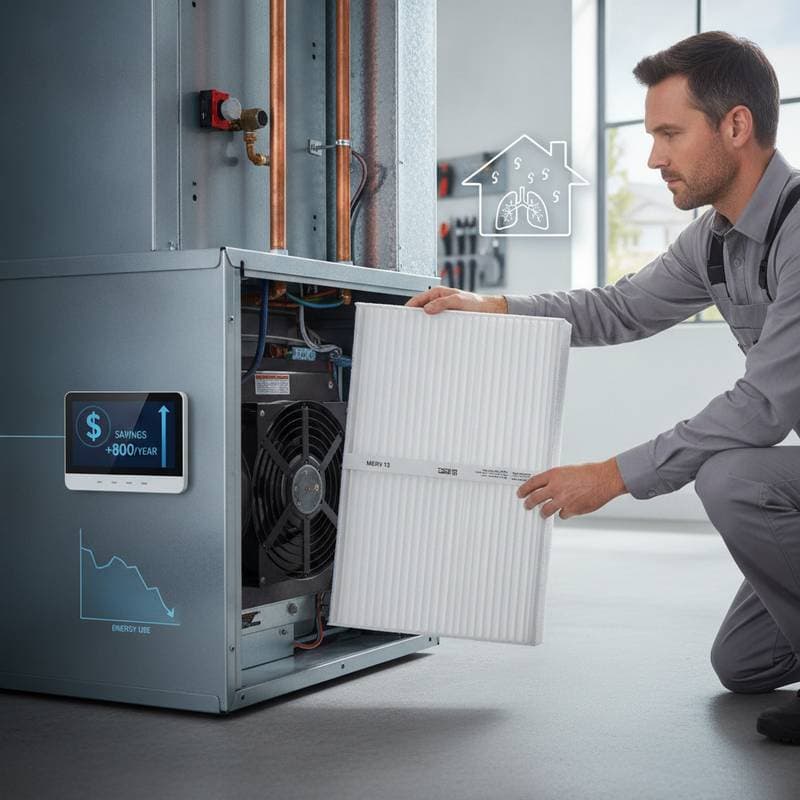
Your HVAC filter serves as the primary barrier against dust, allergens, and debris that move through your home. In winter the heating system runs for extended periods and gathers particles at a faster rate. Monthly replacement maintains strong airflow, supports lower energy use, and preserves indoor air quality.
| Item | Key Benefit |
|---|---|
| Recommended Replacement Frequency | Every 30 days during heavy winter use |
| Average Cost per Filter | $10 - $25 for standard pleated filters |
| Average Time to Change | 5 - 10 minutes |
| Main Benefit | Improved airflow, lower energy costs, and cleaner indoor air |
| Common Risk of Neglect | Reduced efficiency, higher bills, and potential system damage |
Average HVAC Filter Maintenance Costs
Regular filter replacement ranks among the least expensive steps for protecting a heating system. Standard filters cost between $10 and $25 each. Over an entire winter season, monthly changes total roughly $40 to $100.
This modest outlay prevents far larger expenses from service calls or component repairs. Higher efficiency options such as HEPA models cost more initially yet capture finer particles and often maintain performance longer when changed on schedule.
Typical Price by Filter Type
| Filter Type | Average Cost | Lifespan | Efficiency |
|---|---|---|---|
| Fiberglass | $5 - $10 | 30 days | Basic dust protection |
| Pleated (MERV 8-12) | $10 - $25 | 30 - 60 days | Good for dust and pollen |
| Electrostatic | $20 - $40 | 60 - 90 days | Reusable, washable |
| HEPA | $40 - $80 | 60 - 90 days | Traps microscopic particles |
Key Factors That Affect HVAC Filter Lifespan
Replacement intervals depend on several household variables. While 30 days remains the winter standard, occupancy, pets, and usage patterns can shift that timeline.
Home Occupancy and Activity Level
Homes with several residents or frequent visitors produce more airborne particles. These conditions shorten filter life. Low occupancy homes may reach 45 days, yet monthly changes still provide the safest margin during continuous heating.
Pets and Indoor Air Quality
Pet hair and dander add substantial debris to any filter. One dog or cat can double the captured material. Multiple pets call for a pleated or electrostatic filter changed every 30 days to preserve airflow and air cleanliness.
Smoking and Cooking Habits
Smoke, grease aerosols, and cooking vapors deposit fine residues that clog filter media quickly. Frequent cooking or indoor smoking therefore requires closer attention to replacement dates.
Type of Filter and MERV Rating
The MERV rating indicates how well a filter traps small particles. Ratings of 8 or higher improve air quality but can load faster if neglected. Consistent monthly swaps offset this tendency.
System Usage and Climate Conditions
Extended heater runtime in cold weather moves more air through the filter each day. Dry winter air also carries extra static dust that adheres to filter fibers, accelerating buildup.
Types of HVAC Filters
Several filter styles suit different priorities. Selection depends on budget, air quality goals, and maintenance preferences.
Fiberglass Filters
These models are inexpensive and simple to install. They capture only large particles and require frequent replacement.
Pleated Filters
Pleated designs trap dust, pollen, and dander more effectively. They come in multiple MERV ratings yet may restrict airflow if left unchanged.
Electrostatic Filters
Electrostatic units are washable and reusable. They remove smaller particles but need regular cleaning to remain effective.
HEPA Filters
HEPA filters capture microscopic contaminants and deliver the highest air quality improvement. They cost more and may require system modifications for proper fit.
Signs You Need a Filter Replacement
Watch for these indicators that replacement is due:
- Dust reappears on vents and surfaces soon after cleaning.
- Energy bills rise because the system runs longer to reach set temperatures.
- Some rooms receive less heat than others due to restricted airflow.
- The filter surface shows visible dirt or darkening.
- Allergy symptoms increase indoors.
- Heating cycles lengthen noticeably.
The HVAC Filter Replacement Process
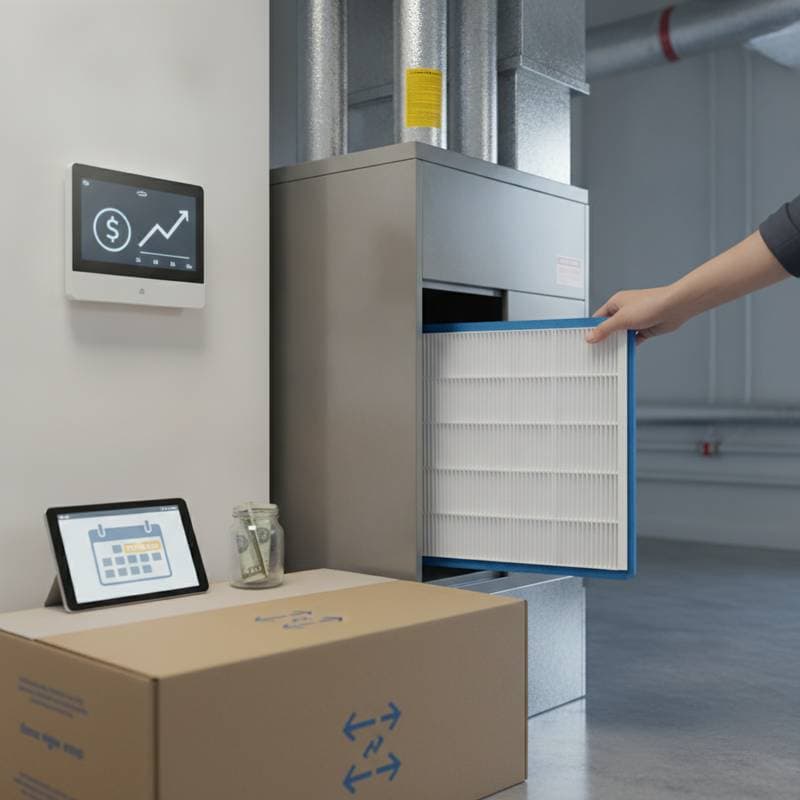
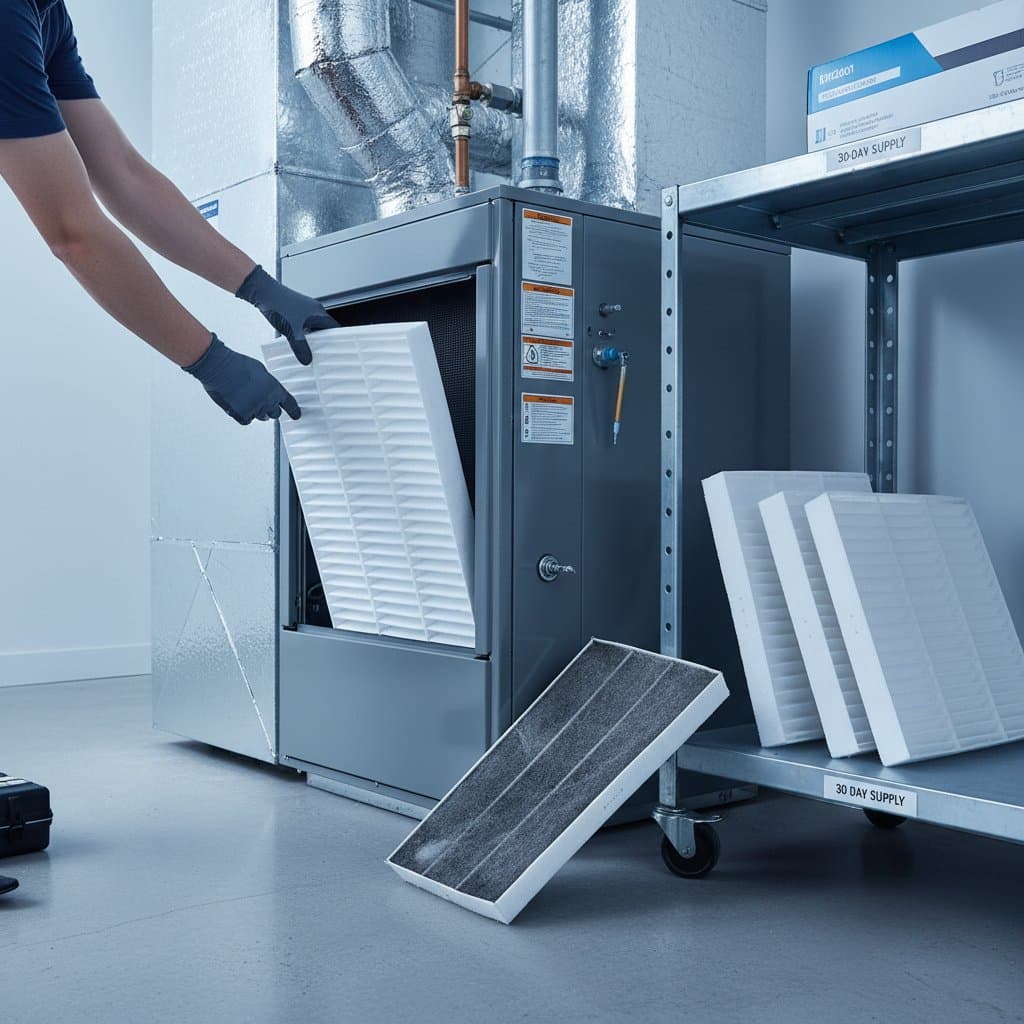
Filter changes require no special tools and take only minutes. Follow these steps:
- Turn the HVAC system off to avoid circulating unfiltered air.
- Locate the filter slot, usually near the return duct or blower compartment.
- Remove the old filter and note the airflow arrow direction.
- Check the filter for heavy dust or discoloration.
- Insert the new filter with the arrow aligned to system airflow.
- Close the housing securely to prevent leaks.
- Restart the system and confirm steady airflow from vents.
HVAC Filter Replacement Labor Costs
Professional service visits that include filter changes typically range from $75 to $150. Many homeowners schedule this work at the start of winter. Annual maintenance plans cost $150 to $300 and cover seasonal inspections plus filter checks.
Why Monthly Swaps Matter in Winter
Heating systems operate for many hours each day in cold months. Dust, lint, and pet hair collect rapidly and can obstruct a filter within four weeks. Restricted airflow forces the blower motor to work harder, raising energy consumption and risking component wear or sudden shutdowns.
A fresh filter restores free movement of warm air, supports steady comfort, and limits strain on the furnace or heat pump.
Frequently Asked Questions About HVAC Filter Maintenance
How often should I replace my HVAC filter in winter?
Replace the filter every 30 days. Continuous operation accelerates particle accumulation that lowers efficiency and raises operating costs.
Can I extend filter life beyond a month?
Extension is possible only in homes with low occupancy, no pets, and minimal dust. Most households achieve better results with monthly changes during peak heating use.
What happens if I forget to change my filter?
A clogged filter blocks airflow, causes uneven heating, increases energy use, and can damage the blower motor or heat exchanger.
Are expensive filters worth the cost?
Higher MERV filters capture smaller particles and reduce allergens. When changed on schedule they protect equipment better than basic fiberglass models.
How do I know which filter size my system uses?
Measure the dimensions printed on the frame of the current filter or refer to the HVAC equipment manual for the correct size.
Can I clean and reuse disposable filters?
Disposable filters are intended for single use. Cleaning them damages the media and reduces filtration performance.
Should I replace filters more often if I have allergies?
Allergy sufferers gain from changes every two to three weeks to keep irritants at lower levels.
Protect Your System This Winter
Consistent monthly filter changes keep airflow steady, reduce operating costs, and lower the chance of mid season breakdowns. When questions arise about filter selection or installation, consult a qualified HVAC technician for guidance tailored to your equipment.