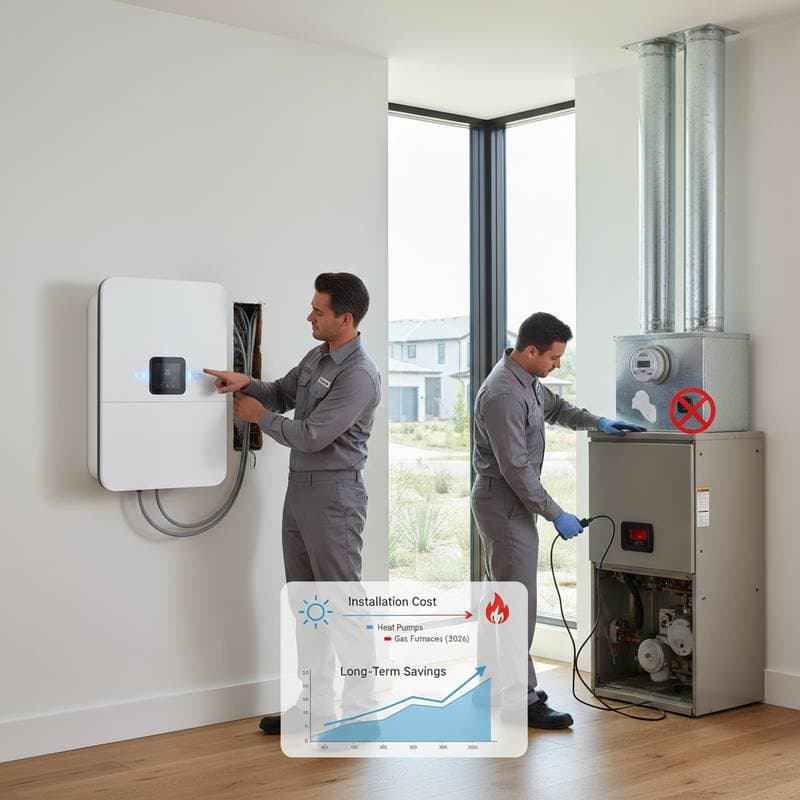
8 States Ban Gas Furnaces: Preparing for the 2026 HVAC Transition
Several states lead the effort to eliminate gas furnaces, aiming to cut carbon emissions and promote all-electric heating solutions. By 2026, new builds and significant HVAC replacements in these areas must adopt electric options like heat pumps. Homeowners benefit from early planning to manage installation decisions, expenses, and enhanced energy performance.
| Key Information | Details |
|---|---|
| Number of States Implementing Bans | 8 |
| Implementation Timeline | By 2026 |
| Main Replacement Option | Electric Heat Pumps |
| Transition Objectives | Reduced Emissions and Greater Efficiency |
| Average Heat Pump Installation Cost | $6,000 to $14,000 |
| Average Gas Furnace Replacement Cost | $4,000 to $8,000 |
| Potential Energy Savings with Heat Pumps | 20% to 40% Compared to Gas Systems |
Costs of Transitioning from Gas Furnaces to Heat Pumps
As bans approach, heat pumps emerge as the primary choice for electric heating. Expenses vary based on system variety, property dimensions, and necessary adjustments to existing infrastructure.
Air-source heat pumps range from $6,000 to $12,000 for installation. These units suit moderate weather zones and integrate well with current setups. Ductless mini-split configurations cost $4,500 to $10,000, scaling with the count of indoor components; they excel in properties lacking ducts.
Ground-source heat pumps demand $12,000 to $25,000 due to their advanced design. Although initial investments exceed those of gas furnaces, heat pumps deliver dual heating and cooling functions. This versatility often results in reduced ongoing expenses over time.
Factors Influencing Heat Pump Installation Expenses
Property Dimensions and Design
Properties with greater square footage or multiple levels call for robust systems, rated in tons or BTUs. Expanded capacity elevates material and labor requirements. Homes featuring open designs condition air more effectively, whereas structures with numerous compact spaces might necessitate additional units.
Efficiency Specifications
Heat pump performance relies on SEER2 for cooling and HSPF2 for heating. Elevated ratings promise reduced utility payments yet raise purchase prices. Selecting a moderate SEER2 level strikes an optimal balance for expense and output.
Infrastructure Modifications
Transitioning from gas requires evaluating ducts for leaks or improper sizing. Electrical panels may need enhancement to support increased demands. Duct alterations add $1,000 to $3,000, while electrical improvements span $500 to $2,000.
Regional Weather Patterns
Colder areas might require supplementary electric heating or hybrid setups for consistent warmth. Such additions marginally raise equipment and usage costs. Contemporary cold-climate models, however, sustain strong operation below freezing.
Manufacturer and Protection Plans
Leading brands provide prolonged warranties, intelligent controls, and superior compressors. Initial premiums yield benefits through dependable service and minimal upkeep demands.
Electric Heating Options Post-Ban
Bans eliminate gas furnaces, opening doors to diverse electric systems. Each alternative presents unique strengths and considerations.
Air-Source Heat Pumps
Advantages:
- Cost-effective relative to geothermal alternatives
- Delivers heating and cooling in one unit
- Compatible with prevailing duct systems
Disadvantages:
- Efficiency dips in severe winter conditions
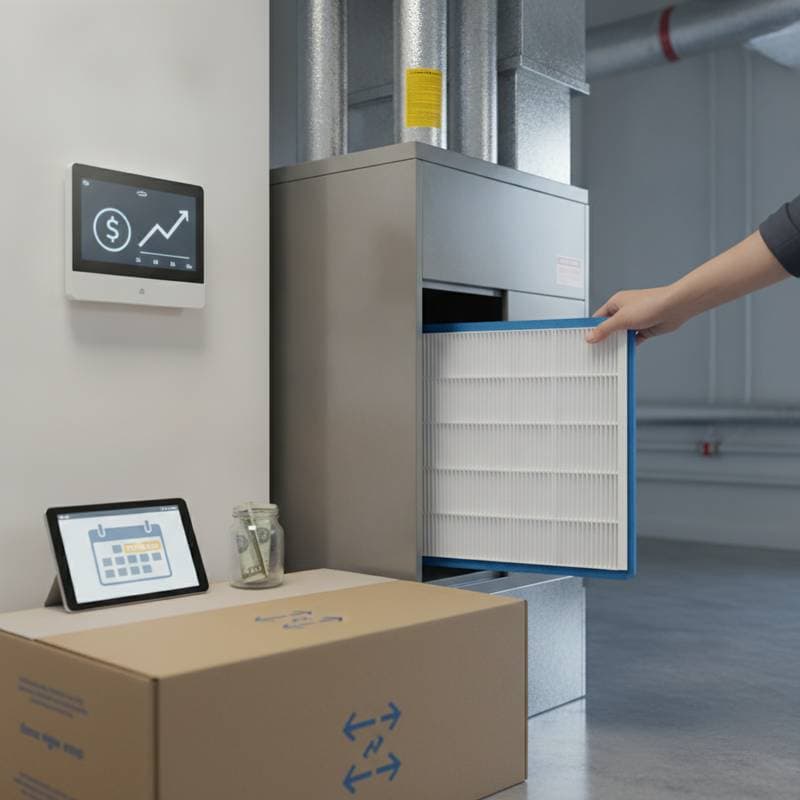
- Demands routine filter servicing
Ductless Mini-Split Heat Pumps
Advantages:
- Operates without ducts
- Enables room-specific climate regulation
- Achieves superior efficiency and minimal noise
Disadvantages:
- Expenses accumulate with each added indoor unit
- Wall-mounted components remain visible
Geothermal Heat Pumps
Advantages:
- Delivers top-tier energy conservation
- Boasts extended durability
- Maintains consistent temperatures throughout seasons
Disadvantages:
- High costs from subsurface excavation
- Needs outdoor area for loops or boreholes
Electric Resistance Furnaces
Advantages:
- Economical upfront purchase
- Straightforward setup and care
Disadvantages:
- Elevated running costs during winter
- Trails heat pumps in overall efficiency
Indicators for Upgrading from Gas Furnaces
Proactive preparation precedes state mandates. Consider these signals for initiating a change:
- Existing furnace exceeds 15 years of service
- Repair expenses or component availability rise frequently
- Energy bills show consistent upward trends
- Remodeling or expansion projects loom
- Desire exists to lessen environmental impact
- Residence falls within the eight regulated states
- Area professionals highlight heat pump rebates
Steps in Heat Pump Installation
Converting to a heat pump follows a structured sequence. Familiarity with this process aids in budgeting and scheduling.
- Property Assessment: Experts review insulation quality, duct integrity, and power supply adequacy.
- Capacity Determination: Perform a Manual J calculation to select appropriate sizing.
- Unit Choice: Decide on air-source, ductless, or geothermal based on financial and performance aims.
- Preparation Work: Seal or adjust ducts; enhance electrical if required.
- Assembly: Position and link outdoor and indoor elements, then add refrigerant.
- Performance Check: Confirm air circulation, heat delivery, and control integration.
- Completion Review: Receive guidance on operation, upkeep, and warranty details.
Installation Labor Expenses
Workforce costs depend on project intricacy and home layout. Labor typically comprises 35% to 50% of overall charges.
Basic swaps cost $2,000 to $3,500 for fitting into current frameworks. Comprehensive conversions range from $3,500 to $6,000, covering gas removal, duct revisions, and circuit expansions. Geothermal projects surpass $8,000 in labor from digging and piping efforts.
Certified professionals guarantee code compliance and optimal function. In ban-implementing states, specialists receive training to meet surging electric system needs.
Common Questions on Gas Furnace Bans
Which States Enforce Gas Furnace Bans?
Eight states, concentrated along coastal and climate-focused regions, restrict new installations. These locales prioritize emission reductions and electric adoption.
May Existing Gas Furnaces Remain in Use?
Affirmative. Regulations target new builds and replacements, not operational units. Upon failure, successors limit to electric varieties.
Do Heat Pumps Perform Well in Winter?
Advanced inverter designs in cold-climate units preserve efficiency at low temperatures. Most function without aids until severe freezes occur.
Does This Shift Raise Utility Expenses?
Typically not. Heat pumps transfer rather than produce heat, consuming less power than resistance methods or gas burning. Numerous owners note annual savings.
What Support Exists for Electric Transitions?
State initiatives and utilities provide rebates, credits, or financing for eligible installations. These measures often slash costs by thousands.
How Does Heat Pump Longevity Compare to Gas Furnaces?
Proper care yields 15 to 20 years for heat pumps, matching gas units. Geothermal indoor parts endure over 25 years, with loops lasting longer.
Is an Electrical Panel Upgrade Necessary?
Pre-modern homes may require panel enhancements for electric loads. Assessments during consultations identify needs.
Steps to Ready Your Home for Electric Heating
Electric heating advances nationwide, with potential expansions beyond the eight states. Advance preparations prevent hasty choices.
Arrange an energy audit to inspect insulation, ducts, and wiring readiness. Obtain estimates from qualified providers, inquiring about ratings, protections, and rebates. Embracing electric systems secures enduring savings, superior comfort, and alignment with sustainability goals.