DIY Filter Subscriptions Save 55% on HVAC Maintenance
A DIY filter subscription reduces HVAC maintenance costs by up to 55 percent while ensuring the system operates efficiently. Scheduled deliveries of appropriate air filters maintain optimal airflow, minimize equipment stress, and prevent expensive service visits. This guide details the mechanics of filter subscription services, the financial advantages they provide, and their role in prolonging HVAC system durability.
| Benefit | Average Savings or Impact |
|---|---|
| Reduced Maintenance Costs | Up to 55 percent |
| Improved Energy Efficiency | 10 to 15 percent reduction in usage |
| Longer Equipment Lifespan | 20 percent extension in operational years |
| Cleaner Indoor Air | Significant enhancement in air quality |
How DIY Filter Subscriptions Work
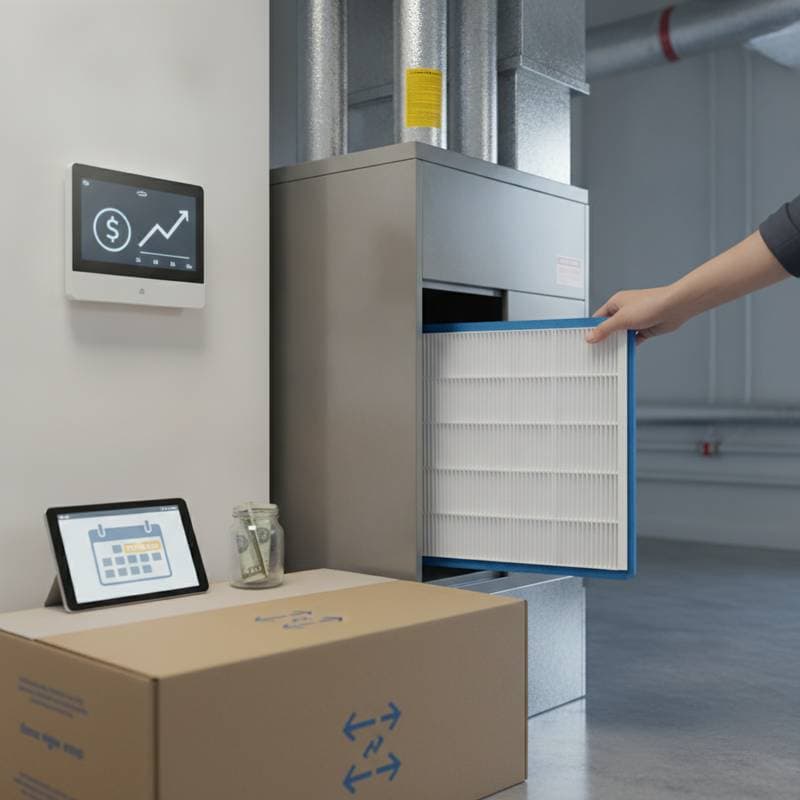
DIY filter subscription services ship air filters to homeowners at predetermined intervals. Customers select the filter dimensions, filtration level, and delivery schedule according to their HVAC specifications and living conditions. Upon arrival, individuals replace the existing filter independently, a process that inhibits dust accumulation, sustains proper airflow, and shields the system from excessive workload.
Homeowners often overlook timely filter replacements. These subscriptions address that oversight through automated shipments and notifications. Consequently, the home benefits from purer air, superior system performance, and diminished likelihood of malfunctions.
For instance, in households with pets or high dust levels, monthly deliveries prove essential. Services typically offer tracking options to confirm receipt, ensuring seamless integration into routine home care.
Why Filter Subscriptions Save Money
Timely filter replacements preserve HVAC efficiency. A clogged filter forces the blower motor to labor intensely, elevating energy consumption and accelerating component degradation. Over extended periods, such conditions compromise elements including the compressor and evaporator coil. Consistent maintenance alleviates this pressure, thereby decreasing energy expenses and mitigating repair necessities.
Key financial advantages include the following:
- Lower Energy Bills: Enhanced airflow enables the system to achieve desired temperatures more rapidly with reduced power demands.
- Fewer Repairs: Clean filters avert dust infiltration into coils and motor damage.
- Extended System Life: Routine changes lessen overall wear, postponing full system replacement.
- Fewer Service Visits: Diligent filter management reduces the frequency of professional interventions.
Consider a typical scenario: A household that neglects filters might face annual repair bills exceeding 300 dollars. With subscriptions, those costs drop substantially, often offset by the service fee within the first year.
Choosing the Right Filter Subscription
Selecting an appropriate DIY filter subscription requires careful evaluation of several factors.
- Filter Type: Opt for ratings from MERV 8 to MERV 13. Lower MERV values safeguard equipment integrity, whereas higher ratings trap finer allergens and pollutants.
- Subscription Frequency: Replacement intervals range from one to three months, influenced by factors such as pet presence, allergy sensitivities, or regional pollution levels.
- System Compatibility: Accurately measure the current filter dimensions prior to purchase to avoid mismatches.
- Quality and Price Balance: Higher-grade filters endure longer yet incur greater initial expense. Subscriptions frequently deliver value by combining durability with economical pricing.
The ideal service aligns with daily routines, promoting adherence to maintenance without excess expenditure on extraneous options. Research providers that offer trial periods or satisfaction guarantees to test compatibility.
DIY Filter Replacement Steps
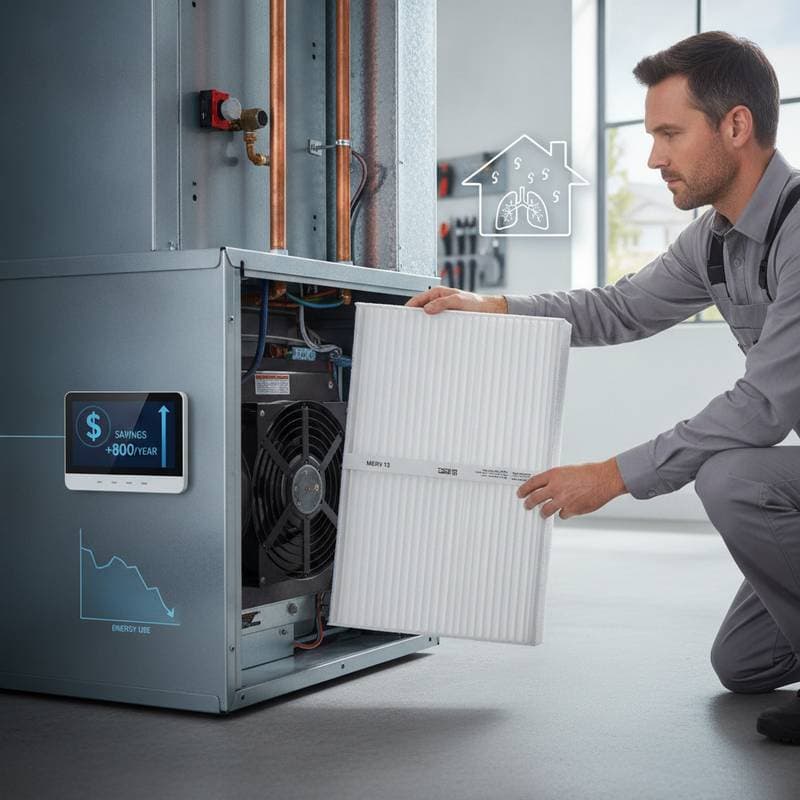
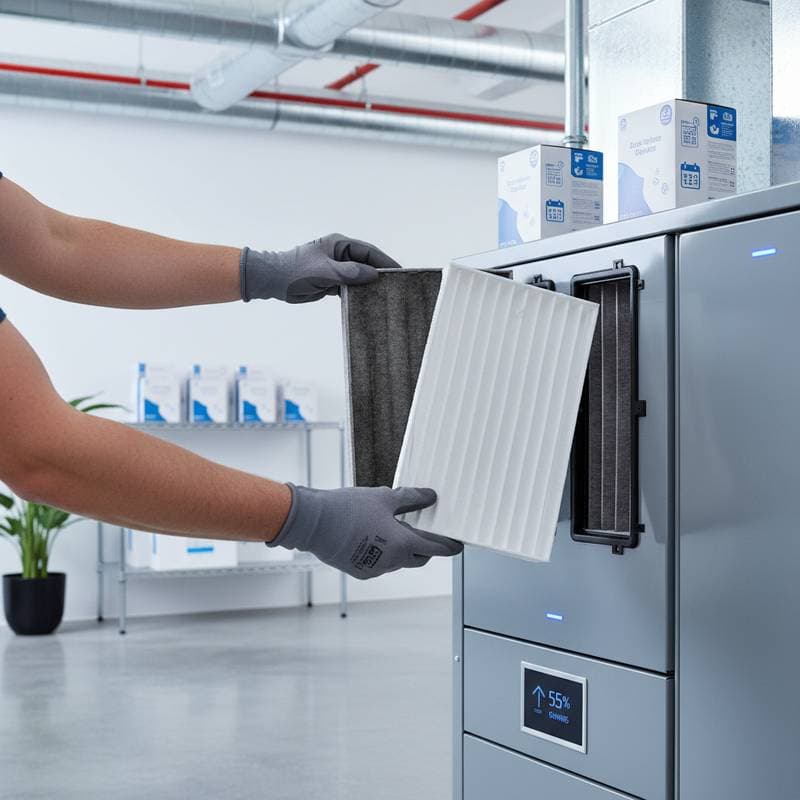
The filter replacement procedure requires mere minutes. Adhere to these steps for safe and effective execution:
- Deactivate the HVAC system to prioritize safety.
- Identify the filter housing, typically adjacent to the return air duct or within the blower assembly.
- Extract the used filter and note the dimensions indicated on its frame.
- Position the replacement filter ensuring airflow indicators direct toward the blower motor.
- Close the housing securely and reactivate the system.
Regular adherence to this process promotes unrestricted system ventilation and curtails energy inefficiency. Beginners may consult the HVAC manual for model-specific guidance, building confidence with each replacement.
Key Benefits Beyond Cost Savings
DIY filter subscriptions yield advantages extending past monetary relief. They elevate living comfort and promote respiratory health. Effective filters trap dust, pollen, and particulates that exacerbate allergic reactions. Moreover, they facilitate uniform temperature distribution, eliminating uneven warmth or chill throughout living spaces.
In the long term, this regimen fosters quieter operation and dependable performance from the HVAC unit. Families in urban environments or those with vulnerable members notice marked improvements in daily well-being. Such proactive measures transform routine maintenance into a cornerstone of home wellness.
Implement Filter Subscriptions for Lasting HVAC Protection
To achieve financial savings, superior air purity, and diminished system strain, adopt a DIY filter subscription without delay. This approach removes maintenance uncertainties and guarantees punctual replacements. Begin by assessing your filter specifications, selecting an optimal delivery cadence, and initiating the service. Through consistent filter management, homeowners safeguard their HVAC assets and cultivate a healthier indoor atmosphere year-round.