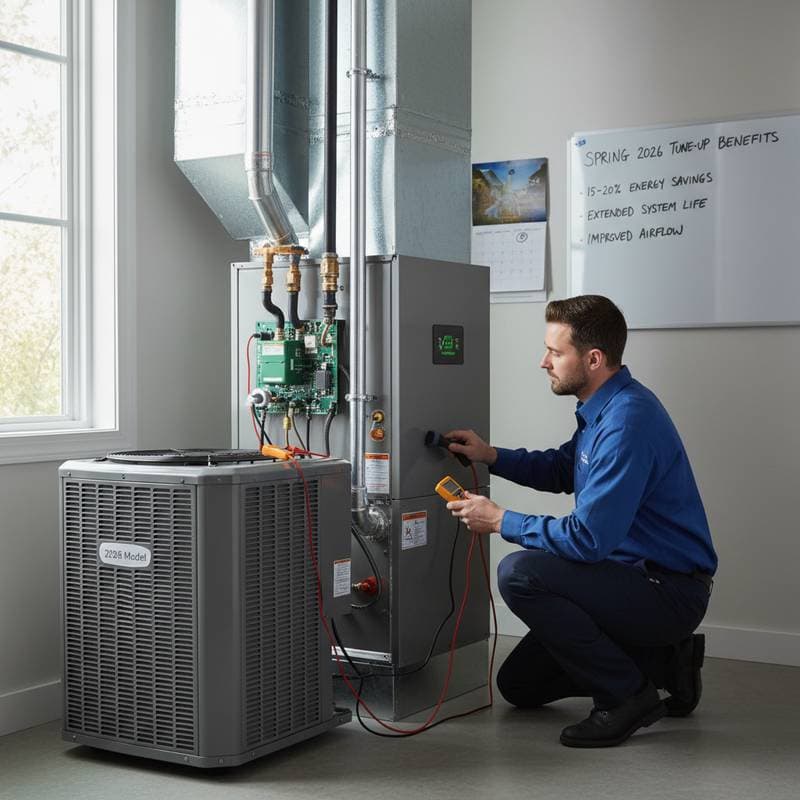
How Spring HVAC Service Timing Saves Energy in 2026
The Importance of Spring Timing for Energy Efficiency
Timely HVAC maintenance significantly impacts energy efficiency and home comfort. Homeowners often delay service until extreme weather arrives, forcing the system to strain under increased demand. By scheduling preventive maintenance in spring, the unit receives attention before peak usage, ensuring optimal operation. This approach reduces energy use by up to 15 percent, decreases utility expenses, and prolongs equipment durability.
This guide details the benefits of spring HVAC service timing as a key strategy for energy conservation. It addresses ideal scheduling periods, essential maintenance procedures, and methods to prevent expensive repairs while minimizing energy loss.
Essential Procedures in a Spring HVAC Service
A typical spring HVAC service involves targeted inspections and adjustments that enhance overall performance. These actions directly support reduced energy demands.
| Maintenance Task | Purpose | Energy Benefit |
|---|---|---|
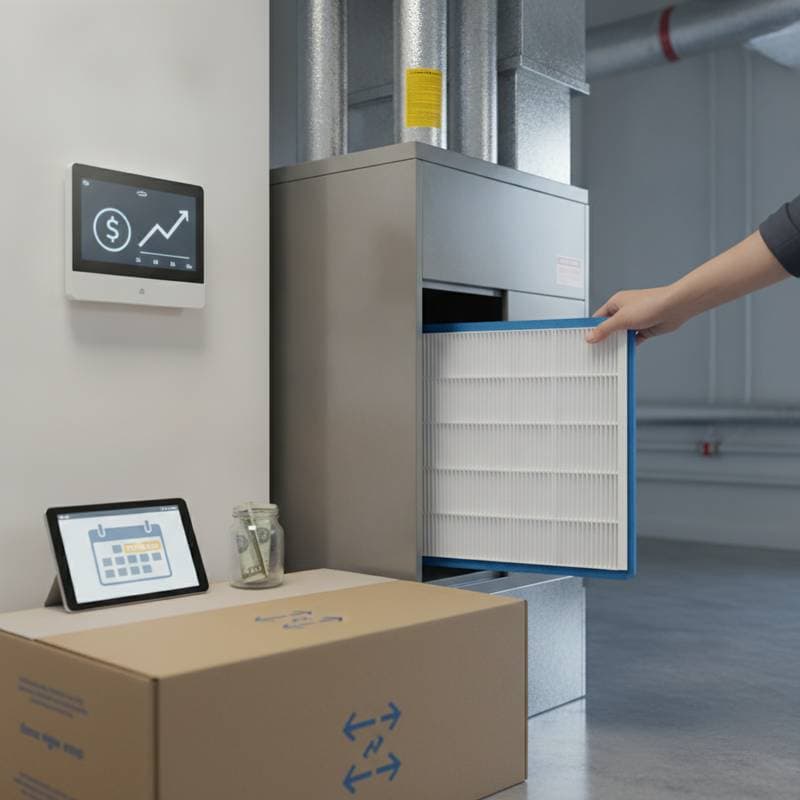
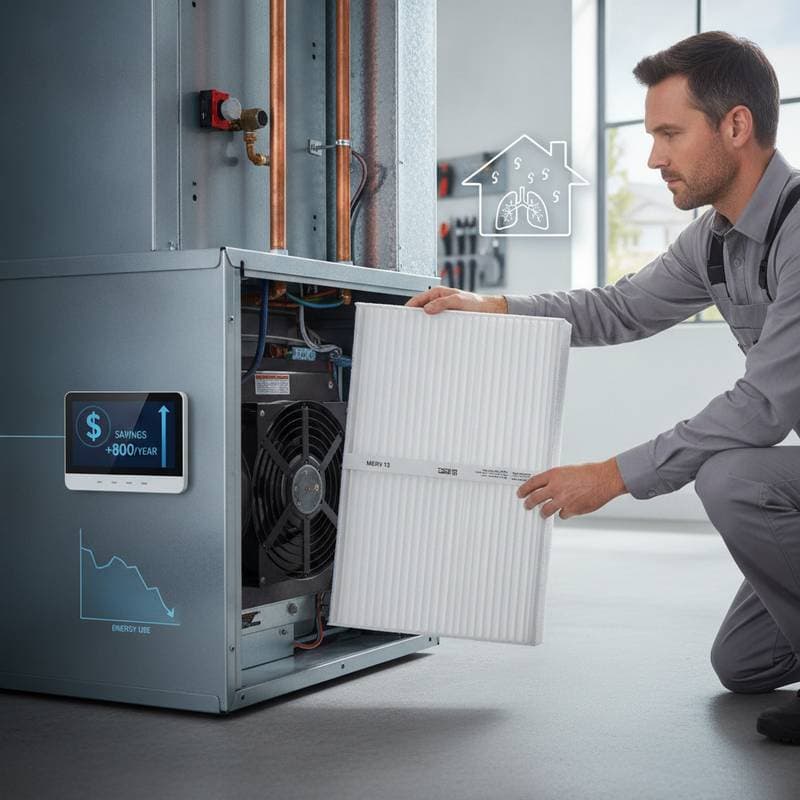
| Filter replacement | Maintains unrestricted airflow and improves air quality | Minimizes energy loss due to airflow restrictions |
| Coil cleaning | Clears debris from evaporator and condenser coils | Enhances heat exchange for superior cooling efficiency |
| Refrigerant check | Verifies and adjusts charge levels as needed | Avoids compressor strain and excess power draw |
| Thermostat calibration | Ensures precise temperature regulation | Prevents inefficient cycling and overuse |
| Duct inspection | Identifies and seals leaks or obstructions | Eliminates energy escape via air loss |
| Electrical inspection | Secures connections and assesses voltage | Boosts operational safety and dependability |
These procedures collectively optimize the system, controlling energy use effectively through the demanding summer season.
Long-Term Energy Savings from Spring Maintenance
Consistent spring maintenance yields cumulative energy benefits. Clean components, balanced refrigerant, and lubricated mechanisms promote reliable function. The system requires less effort to achieve desired temperatures, resulting in sustained efficiency.
Key Efficiency Advantages Over Time
- Lower overall consumption: Seasonal tune-ups decrease yearly HVAC energy use by 10 to 15 percent.
- Consistent operation: Regularly serviced units maintain steady efficiency, eliminating usage surges.
- Extended component life: Even workloads lessen strain on motors, compressors, and fans, delaying replacements.
Spring service establishes a base for year-round efficiency and counters progressive degradation.
Spring HVAC Service Frequently Asked Questions
How Often Should HVAC Systems Receive Service?
Experts advise servicing HVAC systems biannually, with appointments in spring and fall. Spring visits prioritize cooling readiness, while fall preparations focus on heating. This routine upholds energy efficiency and system reliability.
What Indicators Suggest the Need for HVAC Maintenance?
Watch for irregular cooling, increasing bills, odd sounds, or diminished airflow. Such symptoms typically signal soiled coils, obstructed filters, or insufficient refrigerant. Prompt service addresses these to halt energy inefficiency and potential harm.
Can Homeowners Conduct Basic Maintenance Tasks?
Individuals may replace filters and clear vents independently. Professional intervention remains essential for comprehensive evaluations, electrical assessments, and refrigerant handling. Specialized equipment and expertise guarantee safety and precision.
How Does Maintenance Influence Indoor Air Quality?
Routine servicing removes contaminants from filters and coils, circulating cleaner air throughout the home. It also seals ducts to prevent pollutant entry. Improved air quality supports health and complements energy savings by optimizing system flow.
Maximizing Value During Your HVAC Service
Essential Questions for Your Technician
- What specific efficiency gains will this service provide?
- Does the system show any indicators of impending replacement?
- How frequently should air filters be replaced between professional visits?
- Would you suggest upgrades like smart thermostats?
- Are rebates or incentives available for energy-efficient equipment?
- Which components require monitoring for seasonal wear?
- Can you demonstrate checks for emerging problems?
- Do maintenance plans exist for regular servicing?
Protecting and Enhancing Your HVAC System
Investing in spring tune-ups safeguards your HVAC unit as a vital home asset. These services not only curb energy costs but also ensure dependable comfort year-round. Schedule your appointment early to secure these advantages before summer arrives.