
How the FDA's 2026 Standards for UV-C Home Air Purifiers Impact Residential Use
Key Elements of the FDA's Updated UV-C Standards
The FDA's 2026 standards for UV-C home air purifiers aim to elevate safety and efficacy in indoor air treatment. These regulations address UV-C light exposure risks, ozone generation, and pathogen inactivation consistency. Residential devices must undergo stringent evaluations to confirm they neutralize viruses and bacteria effectively while protecting users from potential harm.
Homeowners will encounter products with mandatory safety certifications, precise performance disclosures, and installation guidelines. This framework applies to both standalone portable units and those integrated into heating, ventilation, and air conditioning systems. By adhering to these rules, the standards foster trust in air purification technology for everyday home environments.
Reasons Behind the FDA's UV-C Standard Revisions
Increased adoption of UV-C air purifiers has highlighted variability in device quality and safety. Certain models release excessive ultraviolet radiation or generate ozone levels that may affect lung health. The FDA introduces these updates to standardize testing protocols and performance metrics for all producers.
Principal motivations encompass several critical areas. First, the standards mitigate UV-C overexposure risks to skin and ocular tissues. Second, they curb ozone production from substandard lamp configurations. Third, they guarantee uniform rates of microbial reduction in treated air. Finally, enhanced labeling requirements enable consumers to assess claims about efficacy and hazard levels accurately.
Implications of the Standards for Manufacturers and Homeowners
Requirements for Manufacturers
Producers must submit each UV-C model to independent laboratory assessments and secure FDA registration. Essential design modifications include enclosed irradiation zones, fail-safe deactivation mechanisms, and durable, UV-resistant components. Although these obligations elevate manufacturing expenses, they cultivate market confidence through verified durability and operational consistency.
Advantages for Homeowners
Buyers gain assurance in the functionality of UV-C air purifiers under these guidelines. Standardized labels facilitate direct comparisons of features, upkeep schedules, and compliance with safety limits. Initial purchase costs might increase to cover certification fees, yet sustained benefits in protection and energy savings justify the investment.
Critical Factors Affecting UV-C Air Purifier Effectiveness
FDA standards provide a foundational safety level, yet actual outcomes depend on engineering and setup precision. When assessing options, homeowners should evaluate design and integration aspects closely.
1. Lamp Configuration and Output
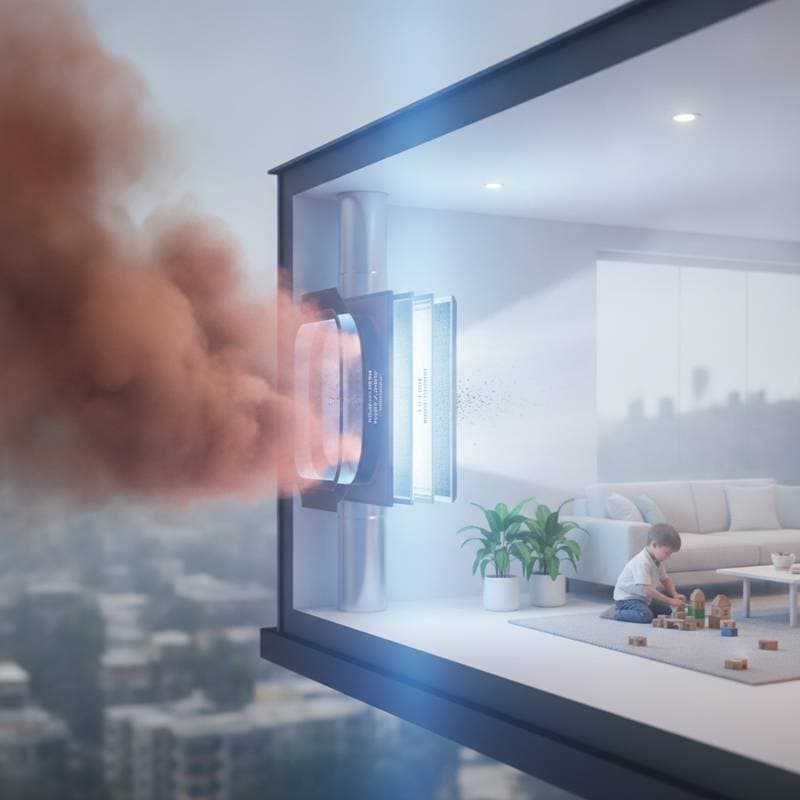
Strategic positioning and power rating of the UV-C source dictate contact duration with contaminants. Lamps installed within ventilation pathways achieve rapid disinfection while minimizing direct exposure risks to occupants.
2. Ventilation Flow and Conduit Layout
Integrated systems demand sufficient air circulation and surfaces that reflect UV light to prolong pathogen exposure. Inadequate conduit configurations diminish overall decontamination results.
3. Upkeep and Bulb Renewal
UV-C sources lose intensity with prolonged operation, necessitating annual replacements for optimal function. Accumulated debris on emitters further impairs output, so routine cleaning proves vital.
4. Space Dimensions and Unit Sizing
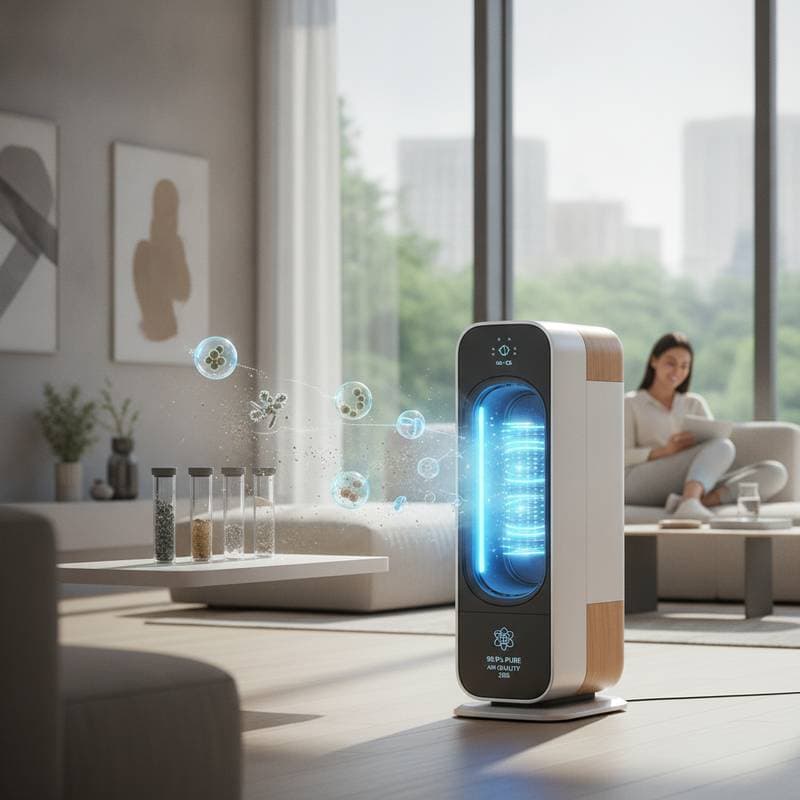
Mobile devices require matching to the treated area's volume for balanced coverage. Mismatched capacities lead to either excessive power draw or incomplete air treatment.
5. Energy Utilization
Select systems engineered for low power draw maintain effectiveness alongside reduced utility expenses. Certifications like Energy Star indicate models that balance purification goals with efficiency standards.
Enhancements to Indoor Air Quality from FDA Standards
These regulations extend beyond safety to promote dependable air cleanliness gains. Approved UV-C devices diminish viral and bacterial loads, inhibit fungal proliferation in airways, and address submicron particles overlooked by conventional filters.
Such advancements yield tangible health outcomes, including reduced incidence of breathing difficulties and allergen responses. Families with vulnerable members, such as young children or immunocompromised individuals, derive particular value from these purified environments.
Frequently Asked Questions on the FDA's 2026 UV-C Standards
Which UV-C Air Purifiers Require FDA Certification?
Every UV-C device intended for home application, whether freestanding or embedded in HVAC infrastructure, demands FDA approval. This uniformity ensures equivalent safety and performance across diverse brands and configurations.
Will Costs for UV-C Air Purifiers Increase?
Compliance with validation processes may prompt modest price adjustments from suppliers. Operational expenses remain comparable, given standardized bulb energy profiles and service cycles. The premium underscores enhanced safeguards and substantiated capabilities.
Do Current UV-C Air Purifiers Remain Viable?
Pre-existing installations maintain safety when correctly positioned and serviced. Owners should confirm shielding integrity and ozone minimization features. Upgrading to compliant versions becomes prudent as the standards take effect.
How to Verify FDA Compliance for a UV-C Purifier?
Approved items feature official certification markings and supporting test records. Consult the FDA's online registry for enrolled products or solicit proof from suppliers directly.
Can UV-C Purifiers Substitute for Air Filters?
UV-C technology augments rather than supplants particulate traps. Optimal setups combine UV disinfection with high-efficiency particulate air filtration for thorough contaminant management.
Securing Expert Assistance for UV-C System Setup
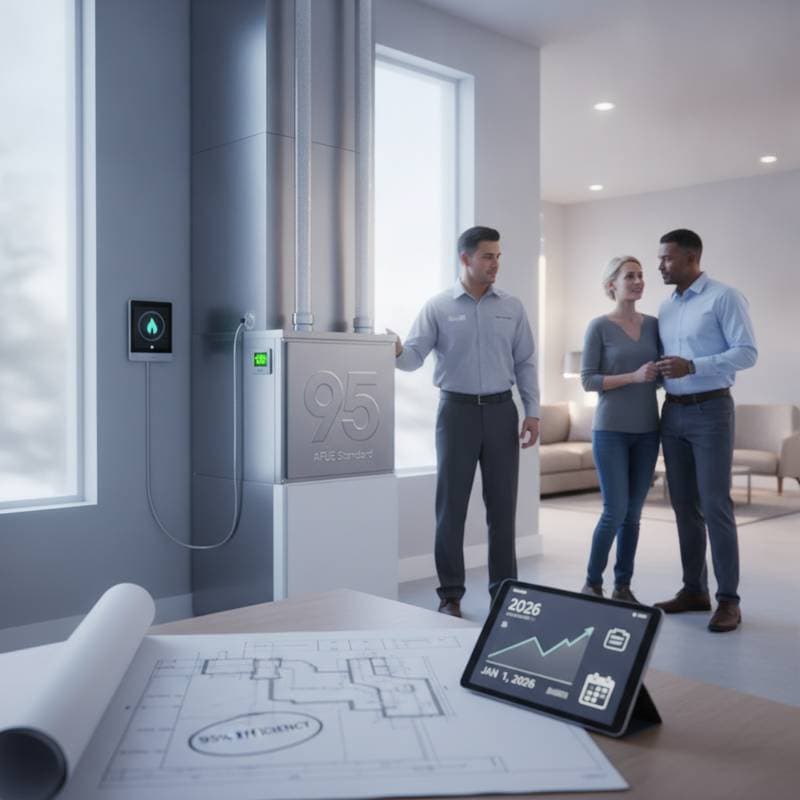
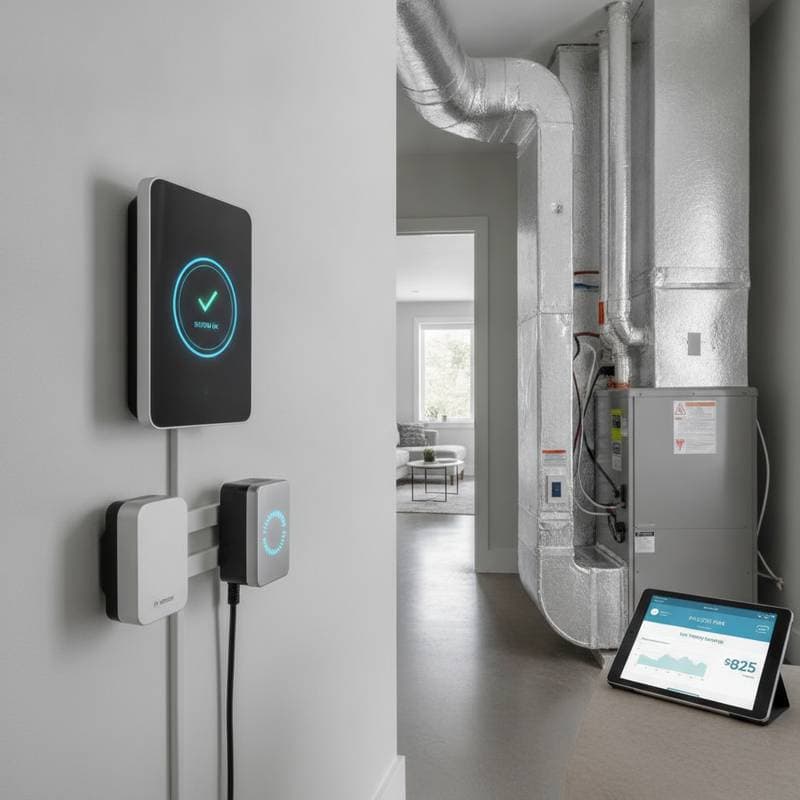
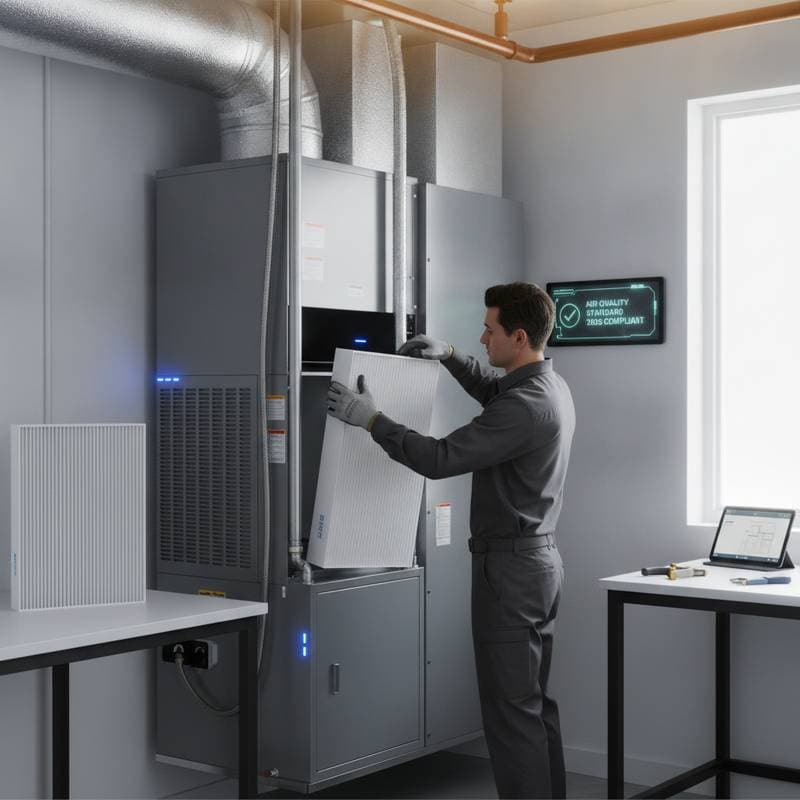
Professional intervention proves essential for embedding UV-C purifiers into HVAC frameworks. Qualified technicians evaluate conduit conditions, optimize emitter locations, and validate adherence to FDA protocols.
Essential Inquiries for Prospective Installers
- Do you possess knowledge of the FDA's 2026 UV-C guidelines for home installations?
- Which UV-C models suit my residence's scale and needs?
- How do you guarantee enclosure integrity during setup?
- Will you offer routine servicing, including bulb exchanges?
- Can you measure post-installation ozone concentrations?
- What coverage does your warranty provide?
- What duration does the setup require?
- Are your specialists credentialed and protected for UV electrical work?
- Does the unit mesh with my current HVAC configuration?
- What protective elements does the proposed model include?
Sustaining Optimal Performance in UV-C Air Purification
Post-installation care preserves the system's safety and potency. Adhere to filter refresh schedules, conduct periodic emitter reviews, and perform yearly efficacy evaluations.
The FDA's 2026 standards advance residential air treatment toward greater security and dependability. Selecting validated equipment and partnering with skilled installers delivers sustained clean air, proven results, and assurance in technological safeguards.