Furnace heat exchangers can fail after eight years and create carbon monoxide risks. Review the warning signs, common causes, and costs of repair or replacement. Learn how proper sizing, maintenance, and airflow extend system life.
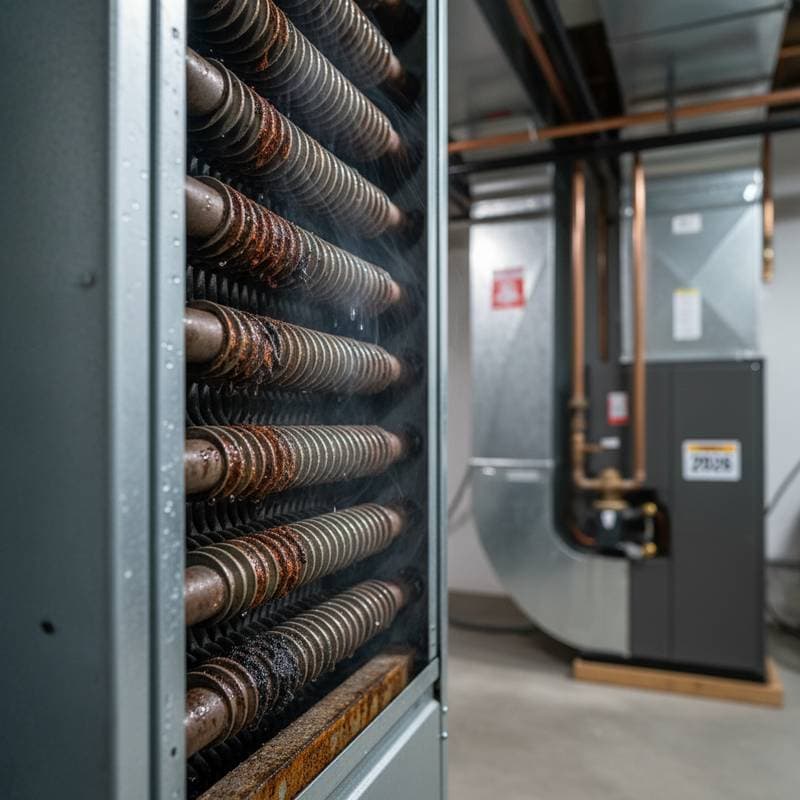
Corrosion erodes furnace heat exchangers through moisture and combustion byproducts, risking efficiency loss, gas leaks, and safety dangers. This guide details causes, detection, and maintenance strategies to protect your HVAC investment and home.
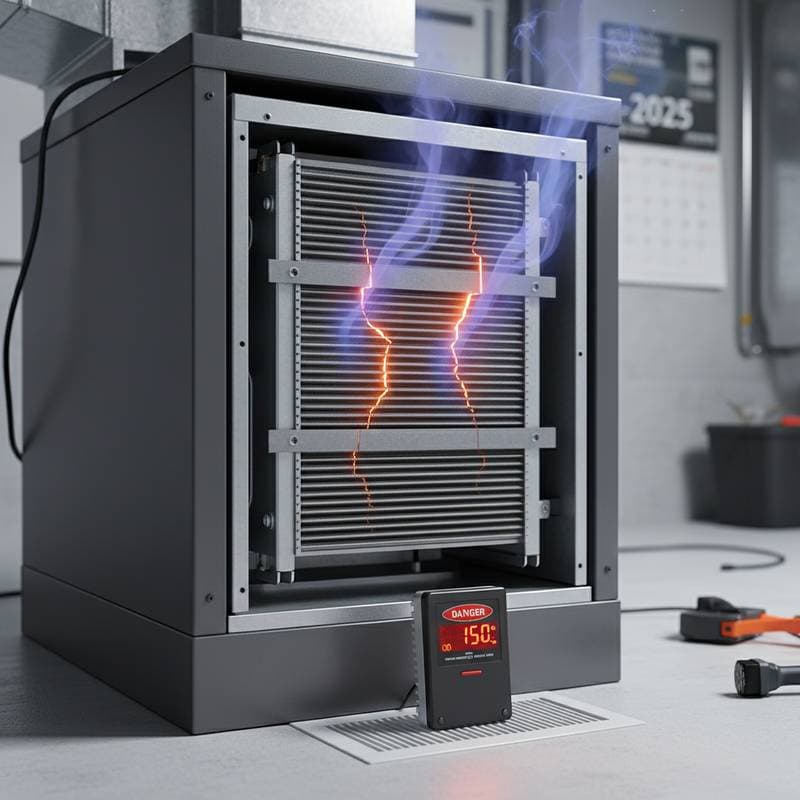
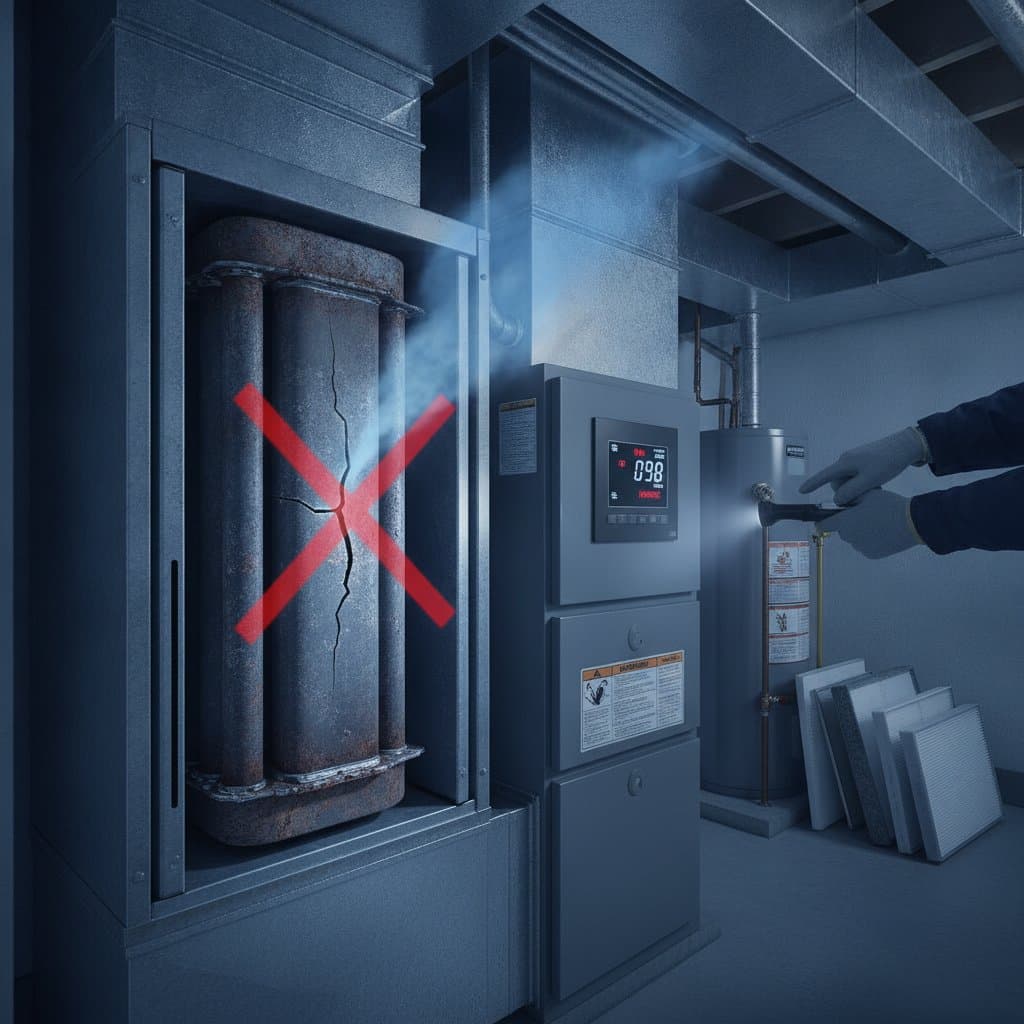
Cracked heat exchangers pose silent threats by allowing carbon monoxide infiltration, compromising efficiency, and demanding expensive fixes. This guide details causes, symptoms, inspection steps, and prevention strategies to protect your home and heating system.
In 2025, heat exchanger failures in furnaces have increased by 89%, largely due to thinner manufacturing materials, neglected maintenance routines, restricted airflow, corrosive elements, and outdated equipment. Such failures often result in cracks that release carbon monoxide, creating hazardous conditions for households. This guide explains the vulnerabilities of contemporary furnaces, identifies key warning indicators, and provides essential maintenance practices to ensure safety and longevity.