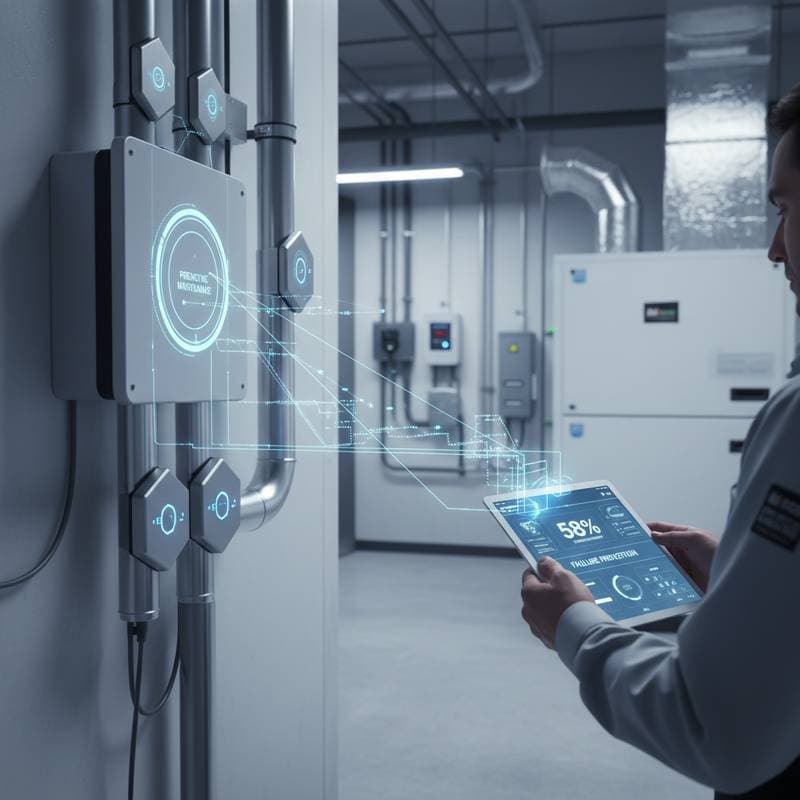
How Smart IoT Sensors Reduce HVAC Failures by 58 Percent
Smart IoT sensors reduce HVAC system failures by up to 58 percent through proactive problem detection. These compact devices monitor performance continuously and issue alerts for deviations from normal operations. Early intervention prevents minor issues from developing into expensive breakdowns. This article explains the functionality of IoT sensors, the parameters they track, and their role in contemporary HVAC upkeep.
| Key Insight | Detail |
|---|---|
| HVAC Failure Reduction | Up to 58 percent fewer failures with IoT monitoring |
| Typical Installation Cost | $300 to $1,200 based on system scale |
| Common Sensors Used | Temperature, humidity, vibration, pressure, airflow |
| Maintenance Savings | 20 to 30 percent decrease in yearly repair expenses |
| Ideal For | Homeowners pursuing predictive and preventive HVAC strategies |
Functionality of Smart IoT Sensors in HVAC Systems
IoT sensors collect real-time information from various HVAC components, including air handlers, compressors, and vents. They send this information to a central hub or cloud interface, where algorithms evaluate performance patterns. Abnormal readings, such as diminished airflow, elevated vibration, or temperature inconsistencies, prompt immediate notifications. Technicians or homeowners receive these alerts in time to address concerns before complete failure occurs.
Beyond detection, these sensors enhance operational efficiency. They track temperature variations, pressure metrics, and motor functions to sustain steady comfort levels with minimal energy consumption. Consistent monitoring supports long-term system reliability.
Essential Factors Influencing IoT HVAC Sensor Effectiveness
Sensor Placement
Accurate placement ensures precise data capture. Install sensors in locations that reflect actual operating conditions, such as return air ducts, compressor housings, and air handler units. Incorrect positioning leads to misleading readings and diminished predictive value.
Data Connectivity
Stable Wi-Fi or network links enable seamless real-time data transmission. Interruptions from poor connections delay notifications or result in incomplete datasets, which compromise alert timeliness. Prioritize robust infrastructure for optimal performance.
Calibration and Upkeep
Sensors may experience gradual drift over time, affecting measurement accuracy. Schedule regular calibration to align readings with original standards. This practice sustains the integrity of predictive maintenance protocols.
Integration with Intelligent Platforms
Linking IoT sensors to smart thermostats or building automation systems unlocks advanced analytics. Automated adjustments mitigate mechanical strain by fine-tuning operations proactively. Such integrations amplify overall system intelligence.
Categories of IoT Sensors for HVAC Applications
HVAC systems benefit from specialized sensors that target distinct components. Common varieties include the following:
- Temperature Sensors: These devices measure supply and return air temperatures to identify heating or cooling discrepancies.
- Humidity Sensors: They gauge indoor moisture to promote comfort and inhibit mold development in damp environments.
- Pressure Sensors: These monitor refrigerant and airflow pressures to spot leaks or obstructions at early stages.
- Vibration Sensors: They detect atypical movements in motors or compressors, signaling potential wear or imbalance.
- Air Quality Sensors: These identify pollutants, including carbon dioxide, volatile organic compounds, and particulates, for healthier indoor spaces.
Together, these sensors form a comprehensive network for ongoing system health assessment.
Importance of Predictive Maintenance in HVAC
Predictive maintenance leverages IoT sensor data to anticipate failures prior to disruptions. Rather than reactive repairs after breakdowns, this method highlights subtle indicators of trouble. Homeowners avoid urgent service visits, reduce expenses, and extend the operational lifespan of their equipment.
Data-driven forecasts enable scheduled interventions that align with actual needs. This targeted approach outperforms traditional calendar-based servicing by addressing risks precisely when they emerge.
Mechanisms of Failure Prevention Through Smart HVAC Monitoring
IoT systems pinpoint common vulnerabilities through detailed analysis. Examples include:
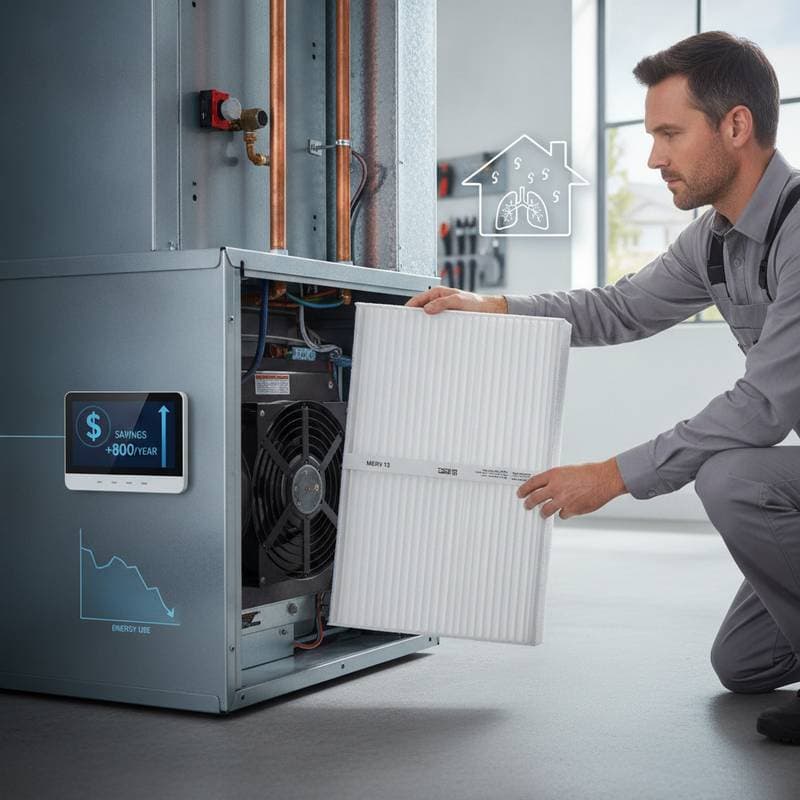
- Clogged Filters: Restricted airflow strains motors; sensors detect increased resistance early.
- Low Refrigerant Levels: Diminished cooling capacity triggers efficiency alerts.
- Failing Blower Motors: Vibration patterns reveal impending mechanical issues.
- Blocked Condensate Drains: Moisture buildup risks water damage, flagged by pressure changes.
- Electrical Irregularities: Anomalous patterns prevent short cycling or circuit overloads.
By isolating these problems, monitoring systems safeguard against widespread failures.
Steps in the Predictive HVAC Maintenance Cycle
- Installation: Position sensors across the HVAC setup to observe temperature, pressure, and vibration metrics.
- Data Collection: Sensors relay ongoing information to a cloud platform for centralized storage.
- Analysis: Software compares current data against established performance norms.
- Alerts: Deviations from standards generate notifications to users or service teams via mobile devices.
- Professional Review: Technicians examine alerts and conduct focused repairs to avert issues.
- Recalibration: Adjust the system to reestablish peak efficiency post-maintenance.
This cycle ensures continuous vigilance and timely corrections.
Common Queries on IoT HVAC Sensors
Reliability of IoT HVAC Sensors
Premium sensors deliver consistent performance with proper setup and care. They supply uninterrupted data streams that facilitate issue identification well ahead of routine inspection timelines.
Necessity of Professional Installation for IoT HVAC Sensors
Professional services are recommended. Although certain sensors offer simple setup, expert placement and system integration guarantee accuracy and compatibility.
Compatibility of IoT Sensors with Legacy HVAC Systems
Compatibility exists in numerous scenarios. Retrofit solutions enable sensor addition to older units, providing modern monitoring capabilities without full replacement.
Servicing Frequency for IoT Sensors
Annual or biannual calibration suffices for most units. Routine checks confirm sustained precision and operational dependability.
Cost-Benefit Analysis of Smart HVAC Sensors
Initial investments typically yield returns through breakdown prevention and efficiency gains within two to three years for average households.
Implement Predictive Monitoring for Your HVAC System
Adopting IoT sensors transforms routine HVAC care into a proactive strategy. Schedule a consultation to assess your system's needs and explore integration options. Reliable performance and cost savings await those who prioritize data-informed maintenance.