Heat Pumps: Achieving Triple Efficiency and Up to 65% Bill Savings
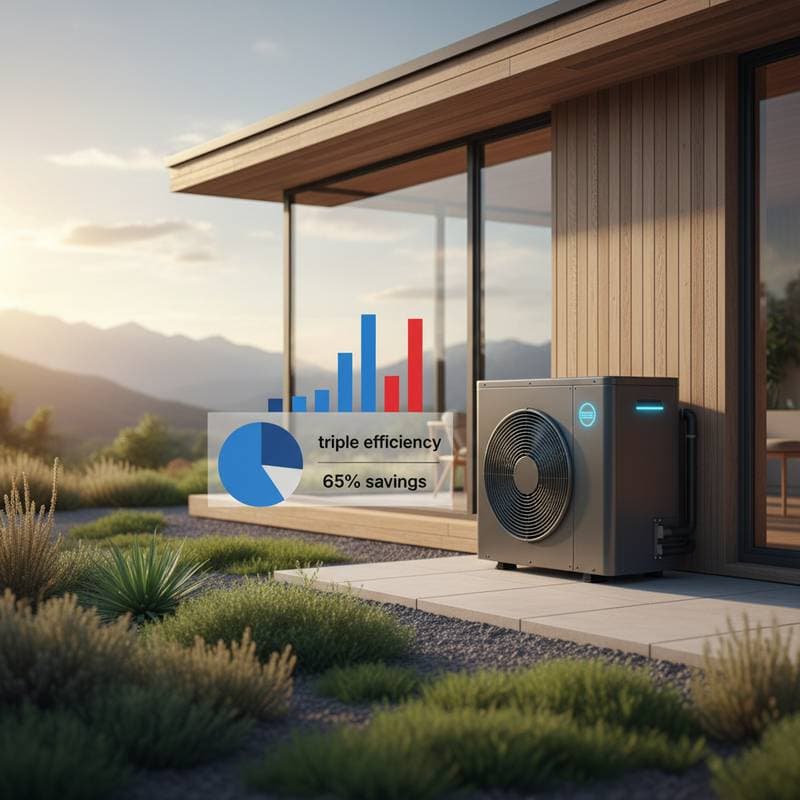
Heat pumps reduce home heating and cooling expenses by up to 65 percent while providing three times the efficiency of conventional furnaces or air conditioners. These systems transfer heat using electricity rather than producing it through burning fuel, which results in greater comfort with reduced energy consumption. This guide details the mechanisms behind these savings, explores available system types, and offers guidance on selecting the ideal option for your residence.
| Item | Average Cost |
|---|---|
| National Average Cost | $5,500 - $11,000 |
| Typical Price Range | $4,000 - $14,000 |
| Extreme High-End | $20,000+ |
| Extreme Low-End | $3,000 |
Understanding Average Heat Pump Costs
Heat pump expenses vary based on system type, capacity, and performance specifications. For a standard air-source model suited to an average single-family dwelling, expect to invest between $5,500 and $11,000, which covers the unit and professional installation.
- Air-source heat pumps: $4,500 to $9,000 installed
- Ductless mini-split systems: $3,000 to $8,000 per zone
- Geothermal heat pumps: $10,000 to $20,000+ including ground loop setup
- Heat pump water heaters: $1,800 to $3,200 installed
Models featuring variable-speed compressors or smart integration command premium prices initially. However, their superior energy performance frequently yields substantial reductions in operational expenses over time.
Factors Influencing Heat Pump Pricing
Multiple elements determine the final cost of a heat pump installation. Consider these aspects carefully to align your choice with budget and performance expectations.
Determining Unit Size and Capacity
Heat pumps are rated in tons or BTUs to match a home's thermal demands. Select a size that precisely addresses your space's requirements; larger residences demand greater capacity, elevating both equipment and labor expenses. An undersized unit fails to deliver consistent temperatures, whereas an oversized one cycles inefficiently, increasing energy waste.
Evaluating Energy Efficiency Ratings
Cooling efficiency uses the SEER2 scale, while heating relies on HSPF2. Systems with SEER2 exceeding 18 or HSPF2 surpassing 9 consume less power for equivalent output. Although these high-efficiency options raise upfront costs, their reduced electricity usage often recoups the investment through lower utility payments within a few years.
Assessing Installation Complexity
Existing, well-maintained ductwork simplifies the process and keeps costs down. Properties lacking ducts benefit from mini-split configurations, though per-zone pricing can accumulate. Geothermal installations involve excavating for ground loops, which demands additional time and resources from contractors.
Considering Brand Quality and Warranty Options
Reputable manufacturers provide extended warranties and innovative features like enhanced filtration. The added initial expense supports fewer breakdowns and repair needs, enhancing overall value.
Accounting for Regional Climate and Energy Costs
Heat pumps excel in temperate zones with consistent performance across seasons. Harsh winters may necessitate cold-weather adaptations or auxiliary heat sources. Local electricity tariffs directly impact savings potential, so review your utility rates during planning.
Exploring Heat Pump System Types
Select a heat pump type that complements your home's architecture and usage patterns. Each variant offers distinct advantages for efficiency and convenience.
Air-Source Heat Pumps
The predominant choice for affordability, these units exchange heat with outdoor air via refrigerant cycles.
Advantages: Cost-effective purchase and setup; adaptable to diverse weather conditions.
Disadvantages: Performance dips in sub-zero temperatures without supplemental heating.
Ductless Mini-Split Heat Pumps
Perfect for targeted climate control in additions or older homes, these feature independent indoor units linked to a single outdoor component.
Advantages: Customizable zoning for specific areas; minimal noise and installation disruption.
Disadvantages: Costs scale with the number of zones required.
Geothermal Ground-Source Heat Pumps
By leveraging stable underground temperatures, these deliver exceptional efficiency regardless of surface conditions.
Advantages: Superior energy savings; durability spanning decades; reliable operation in all seasons.
Disadvantages: Substantial upfront investment; necessitates adequate land for loop installation.
Heat Pump Water Heaters
These extract heat from surrounding air to warm domestic water, mirroring the principles of space conditioning units.
Advantages: Drastically lowers water heating expenses; eligible for various financial incentives.
Disadvantages: Demands adequate clearance and airflow in the installation area.
Indicators for Upgrading to a Heat Pump
Transitioning to a heat pump revitalizes inefficient HVAC setups. Monitor these symptoms to gauge readiness for replacement:
- Escalating utility statements despite moderate home occupancy
- Inconsistent temperatures in different areas
- Frequent on-off cycling or unusual sounds from the equipment
- Recurring service calls or detected refrigerant issues
- Systems exceeding 15 years of service
- Shift from gas or oil-based heating to electric alternatives
Overview of the Heat Pump Installation Procedure
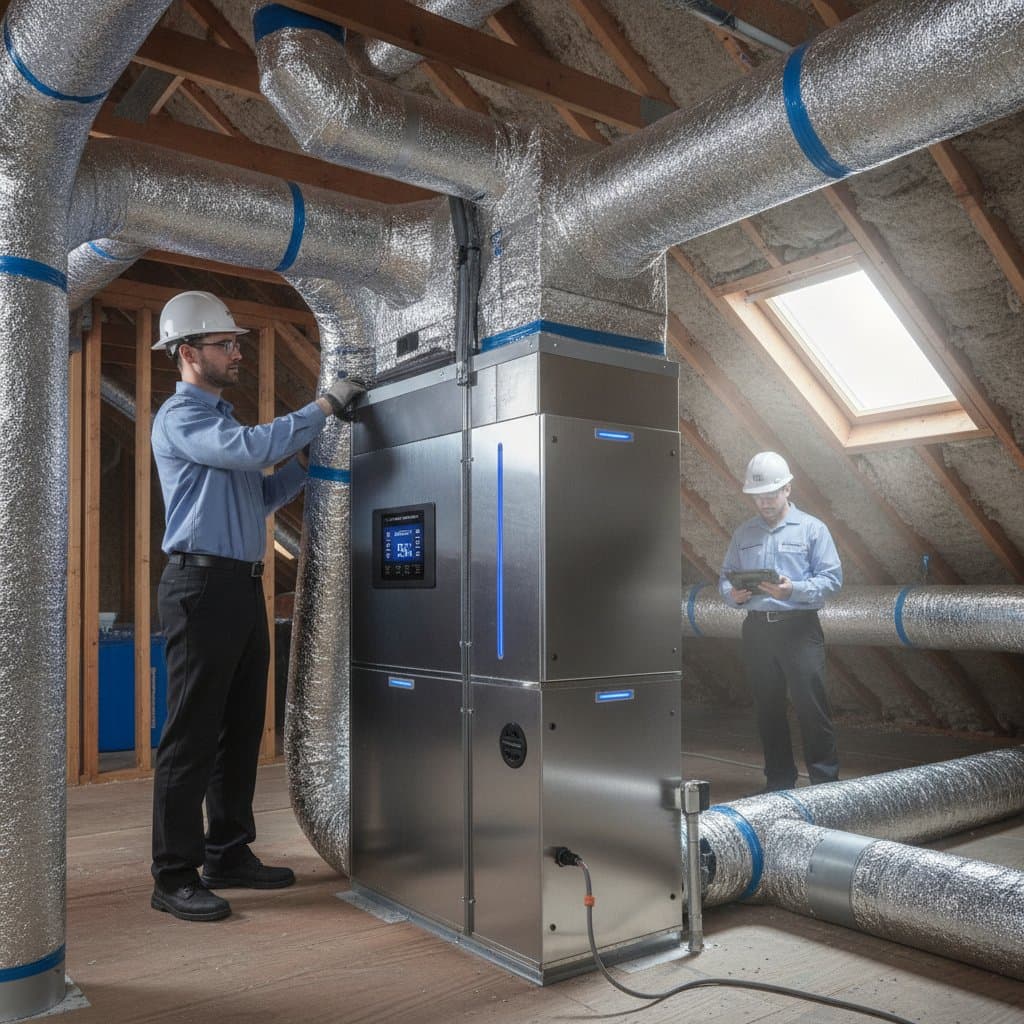
Entrust installation to certified professionals to guarantee optimal function and preserve manufacturer guarantees. The process unfolds in structured phases:
- Initial Site Evaluation: Experts inspect insulation levels, room configurations, and current infrastructure.
- Precise Load Analysis: Apply Manual J protocols to calculate exact sizing needs.
- Equipment Customization: Finalize selections for capacity, features, and efficiency.
- On-Site Implementation: Dismantle outdated components, upgrade wiring, and position the new assembly.
- Performance Verification: Adjust refrigerant levels, verify ventilation, and test controls.
- Owner Orientation: Receive detailed guidance on operation, maintenance routines, and troubleshooting.
Breakdown of Installation Labor Expenses
Workforce charges comprise 30 to 50 percent of the overall budget, ranging from $2,000 to $5,000 for standard projects. Complexity drives variations; mini-splits and geothermal setups require specialized skills and extended timelines. Prioritize licensed installers to meet safety regulations and avoid voiding warranties.
Common Questions on Heat Pumps
How Do Heat Pumps Attain Triple Efficiency?
By relocating existing heat instead of creating it via fuel combustion, heat pumps amplify output. Each kilowatt-hour of electricity can produce up to three units of thermal energy, directly correlating to reduced monthly bills.
Can One Heat Pump Handle Both Heating and Cooling?
Absolutely; a unified system manages year-round temperature regulation. In frigid locales, integrate it with electric resistance or gas backups for peak winter reliability.
What Is the Expected Lifespan of a Heat Pump?
Well-maintained units endure 12 to 20 years. Implement annual filter replacements, clean coils seasonally, and schedule expert inspections to maximize longevity and sustain peak performance.
Do Heat Pumps Perform in Cold Weather?
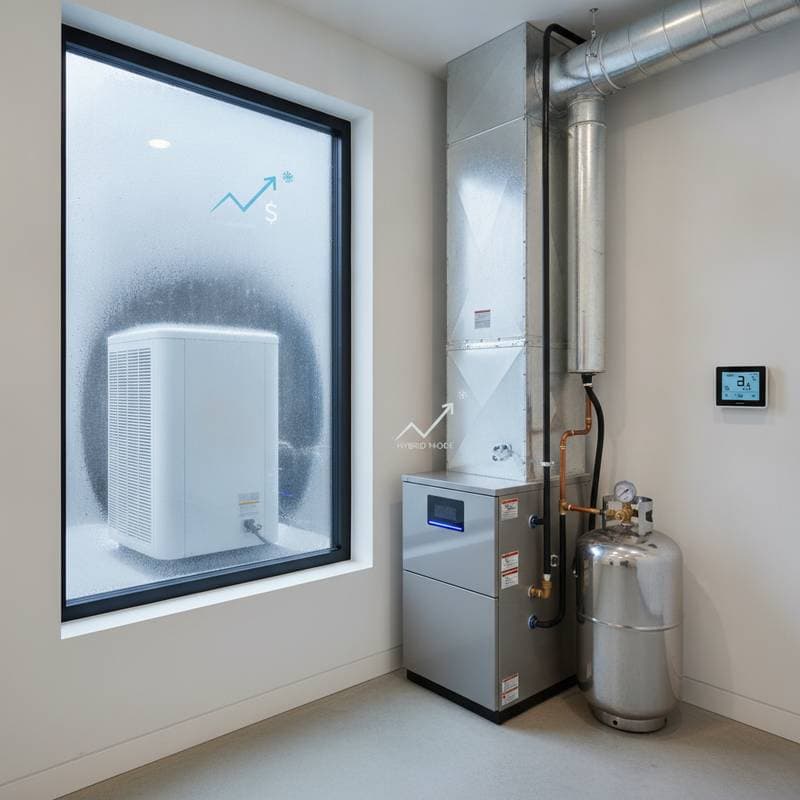
Modern designs incorporate low-temperature enhancements, maintaining efficiency down to -15 degrees Fahrenheit. For extreme cold, hybrid configurations with supplemental heat ensure uninterrupted comfort without efficiency losses.
Are Rebates Available for Heat Pump Installations?
Numerous programs offer incentives, including federal tax credits up to $2,000 and state rebates varying by location. Consult local utilities or energy departments to identify qualifying options and application processes.
How Quiet Do Heat Pumps Operate Compared to Traditional Systems?
Advanced models produce sound levels below 50 decibels, akin to a hushed conversation, far quieter than rumbling furnaces. Variable-speed fans further minimize operational noise for serene home environments.
Securing Long-Term Savings with Your Heat Pump Choice
Integrating a heat pump elevates home efficiency and comfort while aligning with sustainable practices. Weigh costs against enduring benefits, consult professionals for tailored advice, and explore incentives to optimize your investment. This upgrade positions your household for reliable performance and notable financial relief across seasons.