Humidity Control: Slash Summer Cooling Costs by 35 Percent
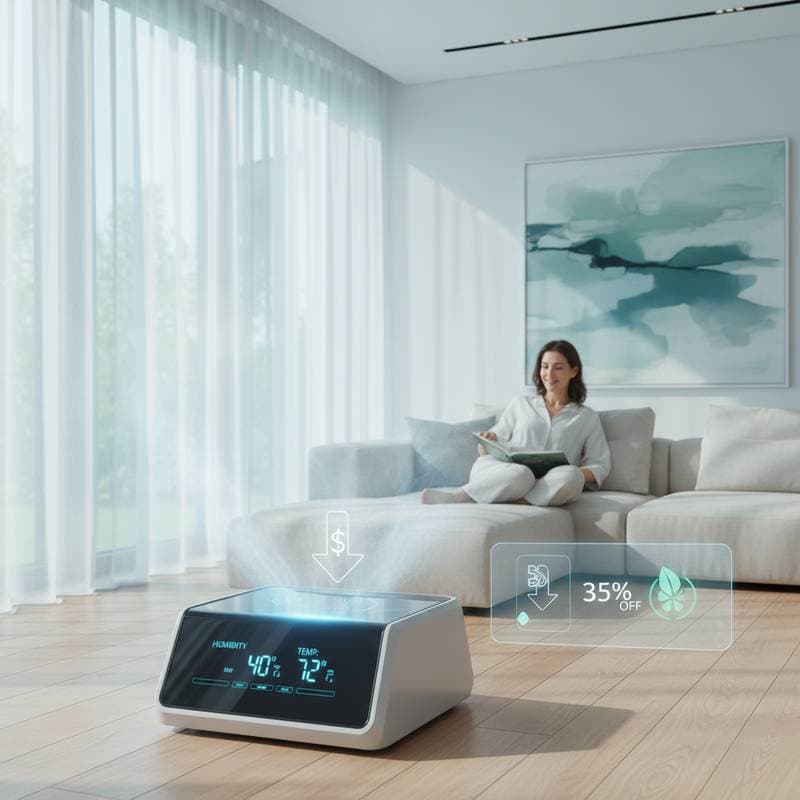
Summer temperatures prompt air conditioners to operate continuously in an effort to maintain comfortable indoor environments. However, many homes remain uncomfortably sticky and warm despite the constant cooling. The underlying issue often lies in excess humidity. Fortunately, innovative humidity control technology changes the approach to home cooling. Contemporary dehumidification systems reduce energy consumption by up to 35 percent, while simultaneously enhancing comfort and air quality. This article explains how humidity control reshapes cooling efficiency for homes.
Understanding Humidity Control Technology
Humidity control technology regulates moisture content in indoor air. Excess humidity elevates the perceived temperature, making spaces feel warmer than the thermostat indicates. Modern systems employ sensors and specialized dehumidification elements to extract surplus moisture before it affects occupied areas.
Conventional air conditioners remove some humidity as a byproduct of cooling, yet they lack precision in maintaining optimal levels. Dedicated humidity control systems, often referred to as whole-home dehumidifiers, integrate with HVAC setups to sustain indoor humidity between 30 and 50 percent. This balance enables air conditioners to function more effectively and cycle on for shorter durations.
The Role of Humidity in Cooling Efficiency
Elevated humidity causes homes to feel hotter than their actual temperature. Moisture-laden air hinders sweat evaporation from the skin, impeding the body's natural cooling mechanism. Homeowners frequently respond by lowering thermostat settings, which increases energy expenses.
Effective humidity management reduces the demand on cooling systems to achieve comfort. Thermostats can be adjusted several degrees higher without compromising perceived coolness. Such adjustments yield substantial savings in cooling costs throughout the season.
Effects of Humidity on Air Conditioning Performance
- Extended operation: Surplus moisture compels air conditioners to run longer to attain the desired temperature.
- Diminished efficiency: Units cool air effectively but falter in eliminating sufficient water vapor, resulting in energy waste.
- Accelerated wear: Constant overwork accelerates component degradation, leading to costly repairs.
- Compromised air quality: Excessive humidity fosters mold, mildew, and dust mite proliferation, posing risks to health and home integrity.
Operations of Contemporary Dehumidification Systems
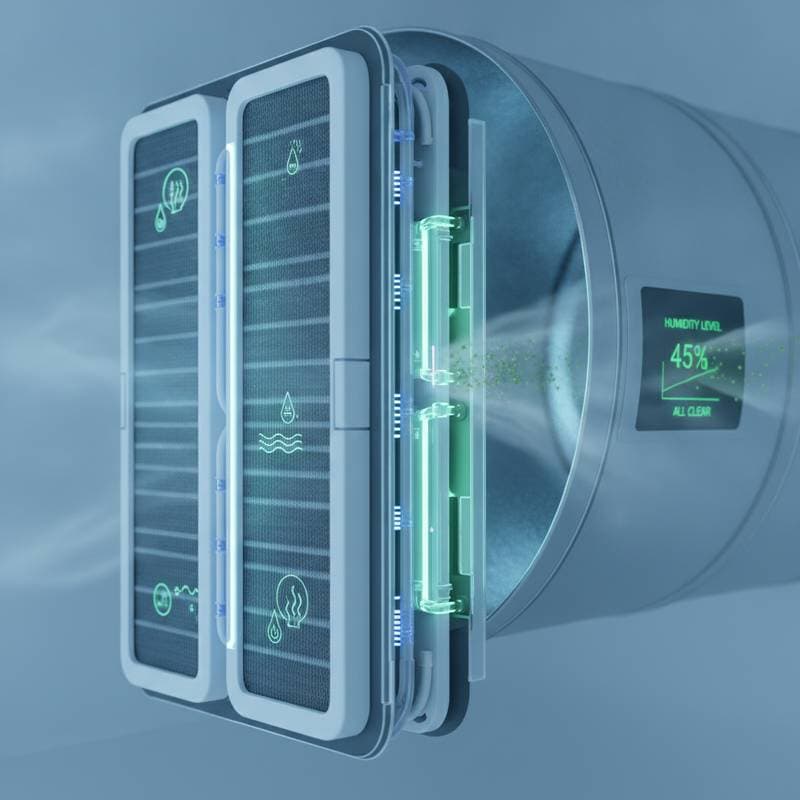
Advanced humidity technology seamlessly incorporates into HVAC frameworks. Intelligent sensors track moisture levels in real time. Upon detecting humidity exceeding set thresholds, the system initiates a dedicated dehumidification process independent of routine cooling.
Detailed Operational Sequence
- Monitoring: Sensors assess indoor humidity on a continuous basis.
- Engagement: Exceeding target levels triggers air rerouting through a dedicated coil, where moisture condenses and separates.
- Drainage: Collected water exits the home via a hose or pump system.
- Distribution: Processed air circulates uniformly through ductwork, ensuring even comfort.
- Integration: Numerous models link to home automation platforms, permitting remote monitoring of humidity and energy metrics via smartphone or smart thermostat.
This methodology maintains steady humidity while permitting air conditioners to concentrate on temperature regulation, thereby optimizing both comfort and efficiency.
Indicators of Required Humidity Management
Determine the need for enhanced humidity control by observing these common signals:
- Persistent sticky or clammy sensations despite active air conditioning
- Musty odors in rooms, closets, or basements
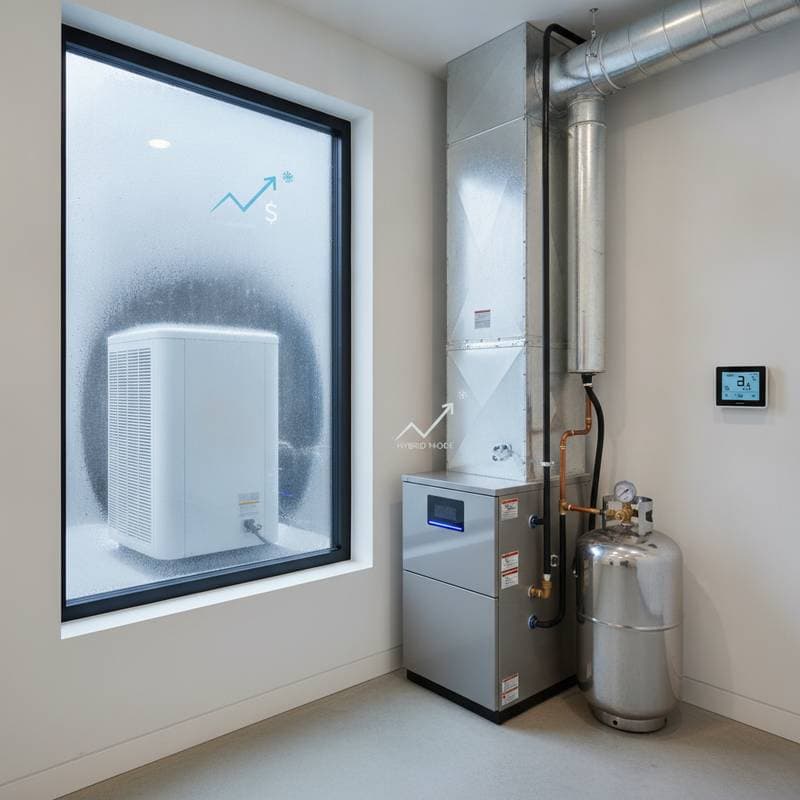
- Condensation on windows or glass surfaces
- Visible mold or mildew on walls or ceilings
- Elevated summer energy bills beyond expectations
- Inconsistent comfort across different rooms
These indicators typically signal humidity challenges that standard air conditioners cannot address adequately.
Influences on Humidity System Expenses
Installation costs for humidity control systems fluctuate based on multiple variables. Awareness of these factors aids in budgeting.
- Unit capacity: Larger residences or multi-zone layouts demand more robust units for uniform moisture handling.
- Compatibility: Retrofitting into existing HVAC systems proves more economical than deploying independent units.
- Efficiency specifications: Premium models incur higher initial costs but generate superior long-term savings.
- Advanced functionalities: Features like Wi-Fi, sensors, and programmable interfaces enhance usability at an added expense.
- Setup demands: Properties with restricted access or outdated ducts may necessitate extra labor.
Homeowners generally recoup investments through diminished cooling bills and maintenance expenses within several seasons.
Self-Maintenance Options Versus Professional Services
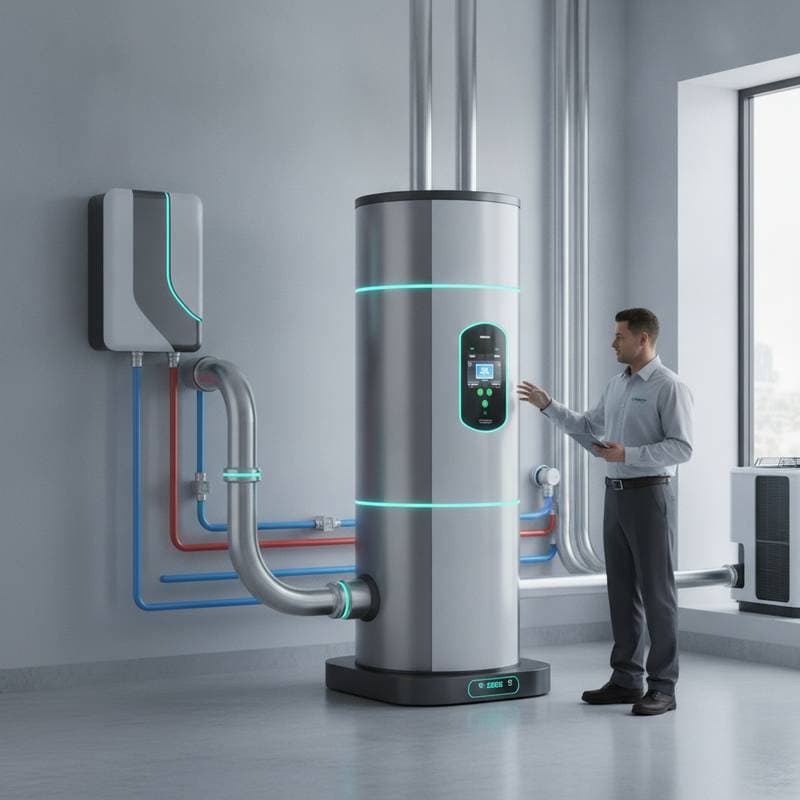
Basic upkeep of humidity systems falls within homeowner capabilities, but installations and significant repairs require expert intervention. Mishandling refrigerants, electrical components, or drainage requires specialized knowledge to avoid hazards.
Safe Homeowner Tasks
- Perform regular filter replacements or cleanings.
- Ensure vents remain unobstructed by furnishings or fabrics.
- Employ a hygrometer to track humidity levels.
- Verify dehumidifier drains stay free of blockages.
Scenarios for Professional Assistance
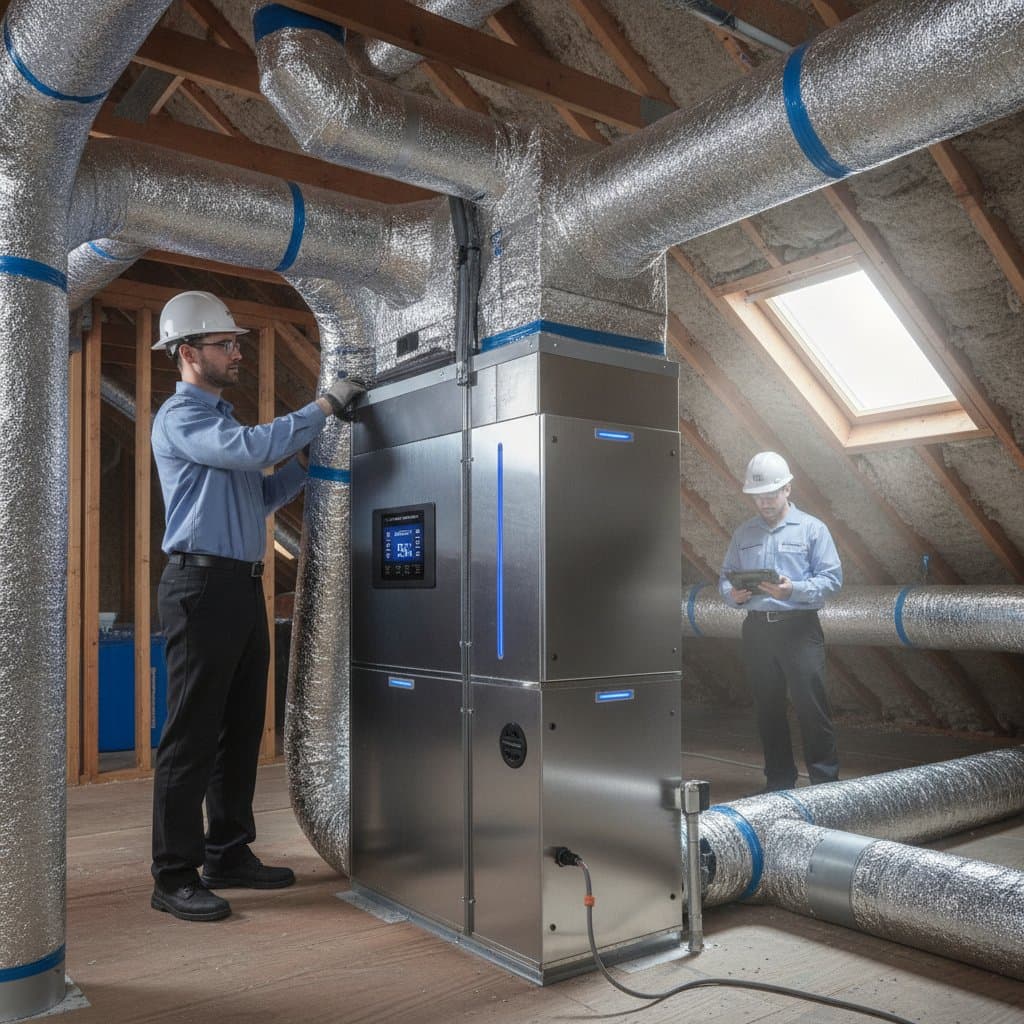
- Whole-home dehumidifier installations.
- Electrical or control system diagnostics.
- Refrigerant adjustments or airflow optimizations.
- Resolutions for leaks or sensor failures.
Certified HVAC specialists confirm appropriate sizing, ventilation, and connections, safeguarding equipment and upholding warranties.
Categories of Dehumidification Systems
Various configurations offer tailored advantages according to home layout and regional climate.
Whole-Home Dehumidifiers
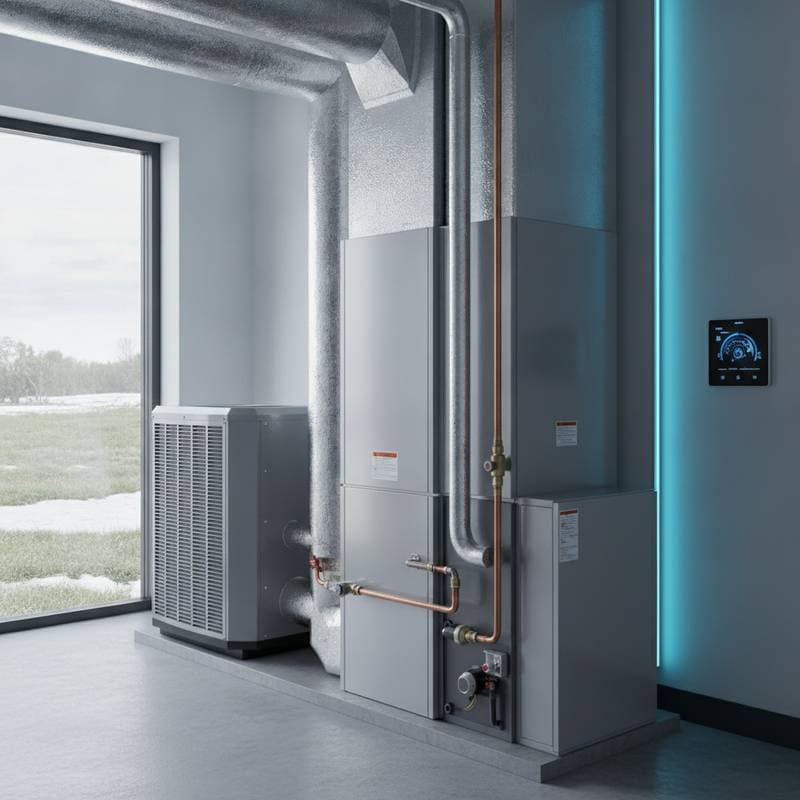
These integrate with HVAC ducting to regulate humidity throughout the residence. They operate automatically alongside existing thermostats, suiting expansive homes or persistently humid regions.
Standalone Dehumidifiers
Portable or fixed units target specific areas without HVAC integration. They suit supplemental use in basements, laundry rooms, or small apartments, providing flexible moisture control where whole-home solutions prove impractical.
Integrated HVAC Dehumidifiers
Certain advanced HVAC units incorporate dehumidification via enhanced coils or variable-speed technology. These built-in features prioritize moisture removal during cooling cycles, ideal for new installations or upgrades seeking seamless efficiency.
Anticipated Installation Procedures
- Evaluation: Technicians inspect current HVAC configurations and baseline humidity measurements.
- Selection: Units match home size, insulation quality, and moisture demands.
- Mounting: Dehumidifiers position adjacent to air handlers, linking to ducts and drainage.
- Testing: Airflow verification, drainage confirmation, and humidity programming occur.
- Guidance: Owners receive tutorials on monitoring and adjustments for peak performance.
Frequently Asked Questions
To what extent does humidity control reduce cooling expenses?
Implementations of advanced systems yield energy reductions of 20 to 35 percent. Decreased humidity permits higher thermostat settings without sacrificing comfort, easing air conditioner demands.
Is a portable dehumidifier a viable alternative to whole-home systems?
Portable models assist localized areas but fail to regulate entire homes uniformly. Whole-home variants connect to HVAC infrastructure, delivering comprehensive control and superior efficiency across all spaces.
Does dehumidification create a cooler sensation in the air?
Indeed, moisture removal facilitates skin sweat evaporation, aiding bodily cooling. Consequently, environments feel more refreshing at elevated thermostat points.
What maintenance frequency applies to dehumidification systems?
Annual professional inspections and cleanings preserve coil, sensor, and drainage functionality.
Can humidity control alleviate allergy symptoms?
Yes, reduced moisture inhibits mold, mildew, and dust mite growth, key allergens. This promotes healthier air and respiratory well-being.
Upgrade Your Home Cooling Today
Incorporating humidity control elevates home efficiency, prolongs HVAC durability, and refines living comfort. Persistent summer stickiness or rising bills signal the value of whole-home dehumidification. Consult a qualified HVAC expert for personalized assessments, equipment recommendations, and secure implementations.