How Peak Shaving Technology Saves Up to $340 on Summer AC Bills
Grasping Peak Shaving's Role in Lowering Cooling Expenses
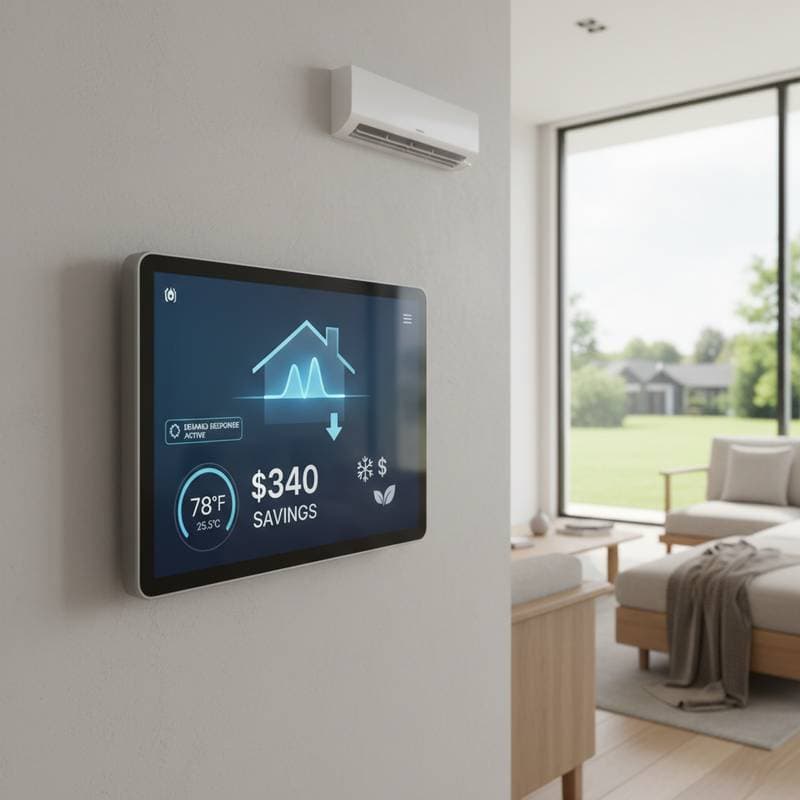
Summer heat waves drive up air conditioning usage and inflate electricity bills. Homeowners frequently encounter monthly cooling costs between $120 and $400, influenced by factors such as home size, insulation quality, and local utility rates. Peak shaving technology addresses these challenges by curbing energy use during high-demand periods, potentially trimming annual summer AC expenses by $340 while boosting overall system performance.
This piece details the mechanics of peak shaving, the nature of demand response programs, and methods to incorporate this technology into energy-efficient HVAC setups for cost reduction. It examines variables impacting savings, essential features in compatible equipment, and straightforward implementation steps for homeowners seeking financial relief.
Quantifying Savings from Peak Shaving
Savings potential fluctuates based on regional electricity prices and HVAC efficiency levels. Typically, integration of smart thermostats and load management tools yields $250 to $340 in summer electricity reductions by fine-tuning AC operations.
| Home Size | Typical Monthly Cooling Cost | Estimated Monthly Savings with Peak Shaving |
|---|---|---|
| Small (under 1,500 sq. ft.) | $120 – $160 | $25 – $40 |
| Medium (1,500 – 2,500 sq. ft.) | $180 – $250 | $40 – $70 |
| Large (over 2,500 sq. ft.) | $260 – $400 | $70 – $100 |
These figures arise from diminished peak-hour consumption, enhanced operational efficiency, and access to utility rebates.
Integrating Peak Shaving with Demand Response Initiatives
Peak shaving frequently pairs with demand response programs, utility-led efforts that incentivize reduced electricity draw during strain periods. Participants earn bill credits or rebates for contributing to grid stability.
In a standard program, utilities transmit signals to smart thermostats or control units, triggering brief temperature setbacks of 2 to 4 degrees Fahrenheit. Such events rarely exceed 30 minutes and maintain occupant comfort. Accumulated over the season, these interventions translate into meaningful financial gains.
Advantages Extending Past Financial Relief
Beyond bill reductions, peak shaving technology delivers multifaceted benefits.
- Eased Grid Pressure: Diminishes demand surges to avert potential outages.
- Extended HVAC Durability: Limits frequent cycling, preserving components like compressors and blower motors.
- Ecological Gains: Cuts overall energy use, thereby lowering carbon footprints.
- Optimized Home Performance: Automates cooling patterns to balance efficiency and indoor climate control.
Launching Peak Shaving in Your Residence
To achieve summer energy cost reductions, adopt peak shaving as a primary tactic. Start by appraising your existing HVAC infrastructure for synergy with intelligent energy controls.
Implementation Steps for Homeowners
-
Consult Your Utility Company
Inquire about demand response options and incentives. Utilities often subsidize smart thermostat installations with rebates up to $100. -
Evaluate HVAC Compatibility
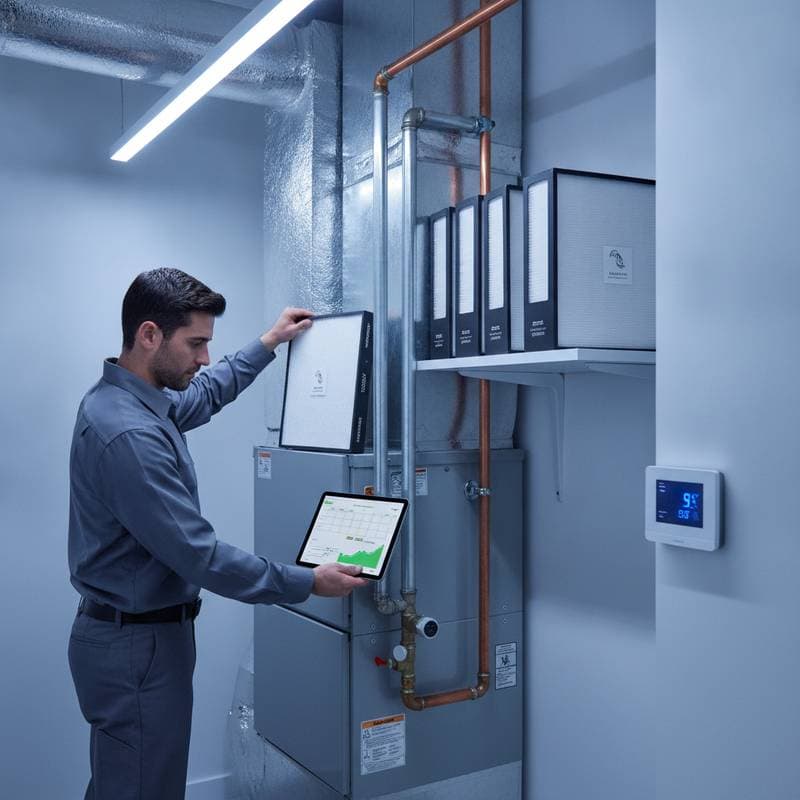
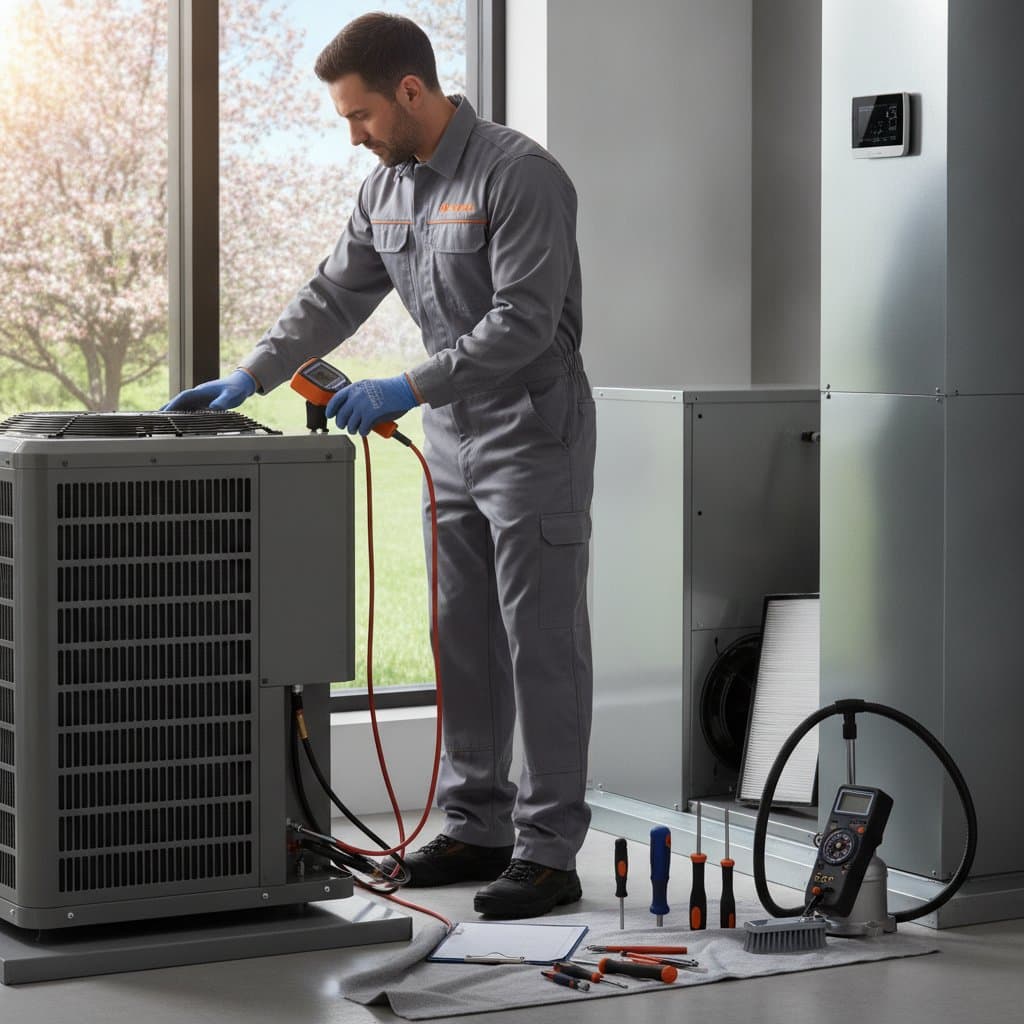
Engage a certified technician to verify integration potential with load controllers, checking for necessary wiring or upgrades. -
Select and Install a Smart Thermostat
Opt for devices like those compatible with Wi-Fi and utility APIs, ensuring features such as geofencing and scheduling. -
Join Demand Response Programs
Enroll via your utility portal, defining acceptable temperature ranges to safeguard comfort. -
Track and Refine Operations
Leverage the thermostat application to review usage patterns, adjust thresholds, and quantify monthly savings.
Securing Your Savings and Comfort
Peak shaving provides a reliable method to decrease summer AC expenditures while upholding livable indoor environments. Pairing advanced thermostats with high-efficiency HVAC units and utility programs enables consistent reductions and bolsters grid resilience.
Schedule a consultation with an HVAC specialist to assess your configuration, ensure seamless integration, and deploy appropriate controls. With real-time monitoring capabilities, track progress toward lower bills and sustained efficiency. This approach not only trims costs but also fortifies your home's cooling reliability for seasons ahead.