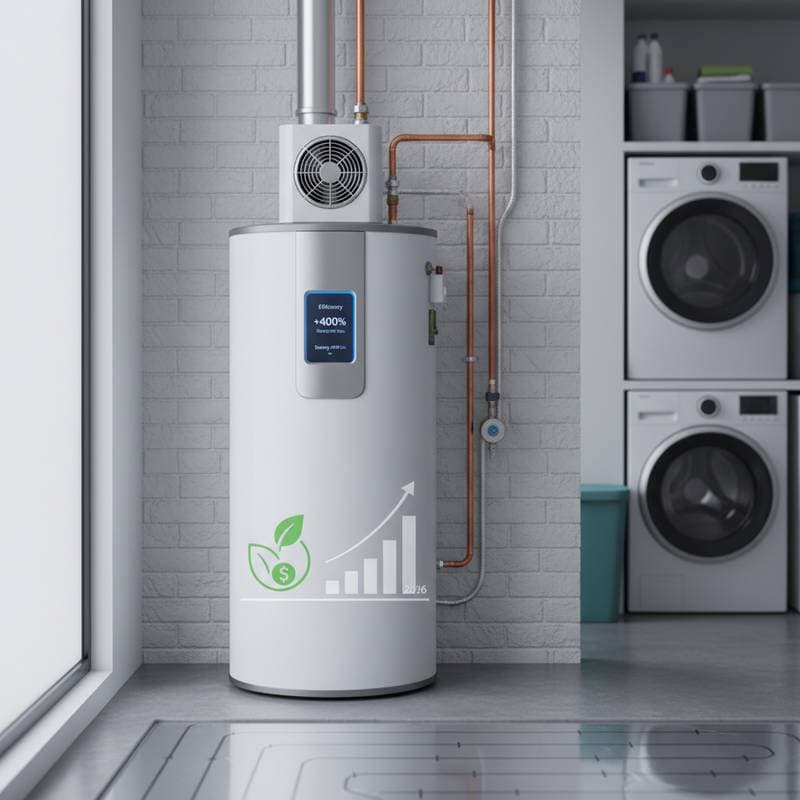
How Heat Pump Water Heaters Deliver $550 in Annual Savings Through 4X Efficiency
Heat pump water heaters represent a significant upgrade for households seeking to reduce water heating expenses. These systems achieve up to four times the efficiency of traditional electric or gas units by transferring heat from ambient air rather than generating it directly. For an average family, this efficiency translates to annual savings of approximately $550 on utility bills.
This guide details the mechanics behind this efficiency, installation costs, variables affecting savings, and strategies to enhance performance. Readers will gain insights into maintenance practices and essential questions for selecting a qualified installer.
Typical Installation Costs for Heat Pump Water Heaters
Installing a heat pump water heater generally costs between $2,000 and $4,500, influenced by factors such as brand, tank capacity, and site-specific requirements. Although the initial expense exceeds that of a basic electric unit, energy savings typically recover the difference within three to five years.
| Type | Average Installed Cost | Key Characteristics |
|---|---|---|
| Standard Electric Water Heater | $800 – $1,800 | Inexpensive upfront but leads to elevated ongoing energy expenses |
| Gas Water Heater | $1,000 – $2,500 | Provides rapid heating yet incurs higher fuel charges |
| Heat Pump Water Heater | $2,000 – $4,500 | Extracts heat from surrounding air for superior efficiency |
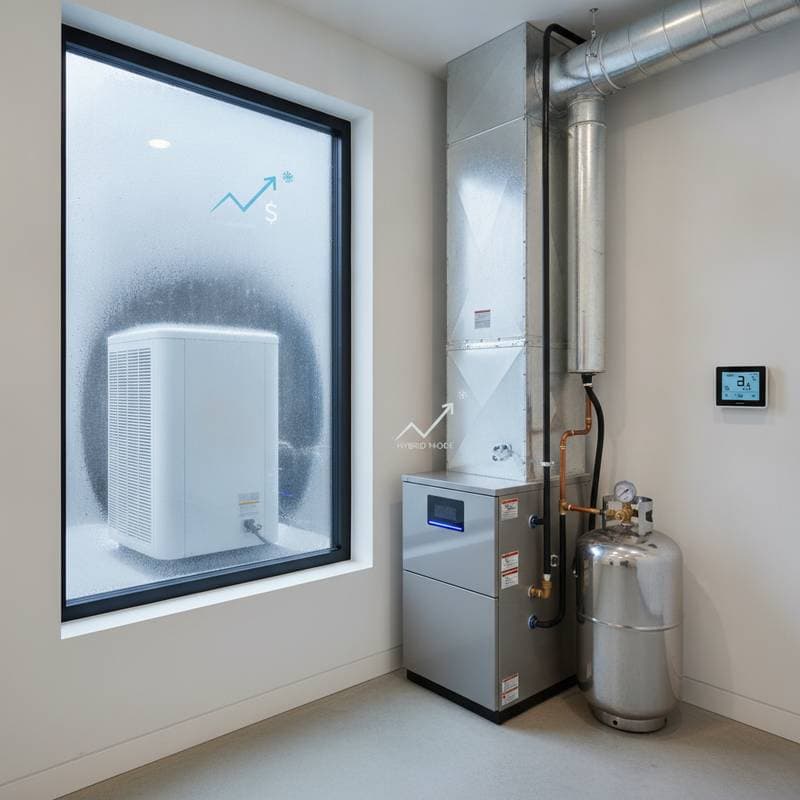
Heat pump models function by pulling warmth from the air and concentrating it into the water supply. This method consumes substantially less electricity compared to direct resistance heating in conventional systems.
Calculating the $550 Annual Savings
Research indicates that heat pump water heaters use up to 75 percent less electricity than standard electric counterparts, forming the basis for the $550 savings estimate. Traditional units convert electrical energy into heat through resistive elements, a process with high consumption. Heat pump systems, by contrast, relocate pre-existing heat, minimizing electrical input.
Consider a household spending $700 annually on an electric water heater. Transitioning to a heat pump version might lower that to $150 through $200 per year. Across a decade, such a change could yield over $5,000 in cumulative savings, adjusted for regional electricity rates and usage patterns.
Evaluating Efficiency with Uniform Energy Factor Ratings
The Uniform Energy Factor (UEF) quantifies a water heater's efficiency by comparing energy input to hot water output. Higher UEF values signal reduced energy needs for equivalent performance.
| UEF Rating | Efficiency Category | Performance Notes |
|---|---|---|
| 2.0 – 2.5 | High | Standard in hybrid configurations |
| 2.6 – 3.5 | Premium | Available in advanced units |
| 3.6+ | Superior | Achieves fourfold efficiency relative to baseline electric models |
A UEF of 3.0, for instance, indicates that the unit generates three units of hot water energy per single unit of electricity. This metric underscores the substantial advantage over less efficient alternatives.
Key Factors Influencing Costs and Savings
Multiple elements determine the overall expense and return on investment for a heat pump water heater. Addressing these allows homeowners to select an optimal system aligned with their needs and finances.
Unit Size and Capacity
Families with higher hot water demands require tanks from 50 to 80 gallons. Larger capacities increase upfront costs but ensure ample supply during peak usage periods.
Installation Labor
Labor fees range from $500 to $1,000, varying with site access, plumbing modifications, and electrical upgrades. Additional venting or drainage setups may elevate these charges slightly.
Brand and Features
Higher-end brands incorporate smart monitoring, durable compressors, and enhanced insulation. These enhancements raise the purchase price but accelerate savings via optimized operation.
Regional Climate Conditions
Performance relies on ambient air temperature, as the system sources heat from its environment. In cooler regions, integrated hybrid functions activate backup heating to sustain efficiency.
Available Rebates
Utility providers and government programs frequently provide $300 to $1,000 in rebates for ENERGY STAR-qualified installations. Applying for these can substantially lower net costs.
Strategies to Optimize Efficiency and Savings
- Position the unit in an area with adequate ventilation, like a garage or utility space, to facilitate effective heat extraction from surrounding air.
- Apply insulation to all exposed hot water pipes, minimizing heat loss during distribution and accelerating delivery.
- Select operating modes thoughtfully; energy-saving settings suit routine use, while high-demand options handle bursts of activity.
- Conduct routine upkeep, including air filter cleaning, leak inspections, and yearly professional checks, to preserve optimal function.
- Utilize built-in monitoring tools or apps on compatible models to analyze consumption patterns and pinpoint efficiency gains.
Frequently Asked Questions About Heat Pump Water Heaters
What Is the Expected Lifespan?
These units typically endure 10 to 15 years, surpassing many electric models. Regular tank flushing, filter maintenance, and sensor evaluations can extend this period further.
How Much Noise Do They Produce?
Operation resembles a refrigerator's hum, registering 45 to 55 decibels. Placement in less-trafficked areas like basements reduces any potential disturbance.
Are They Suitable for Cold Climates?
Contemporary designs maintain effectiveness in low temperatures through hybrid capabilities that engage electric resistance when air-sourced heat diminishes.
What Is the Hot Water Recovery Time?
Reheating durations depend on capacity and model specifications. Heat pump systems align closely with electric units, though they lag behind gas in speed; appropriate sizing prevents shortages.
Is Replacement of an Existing Electric Unit Feasible?
Most homes support direct substitution if electrical infrastructure and airflow space comply. Technicians confirm compatibility with drainage and power supply standards.
Obtaining Quotes for Installation
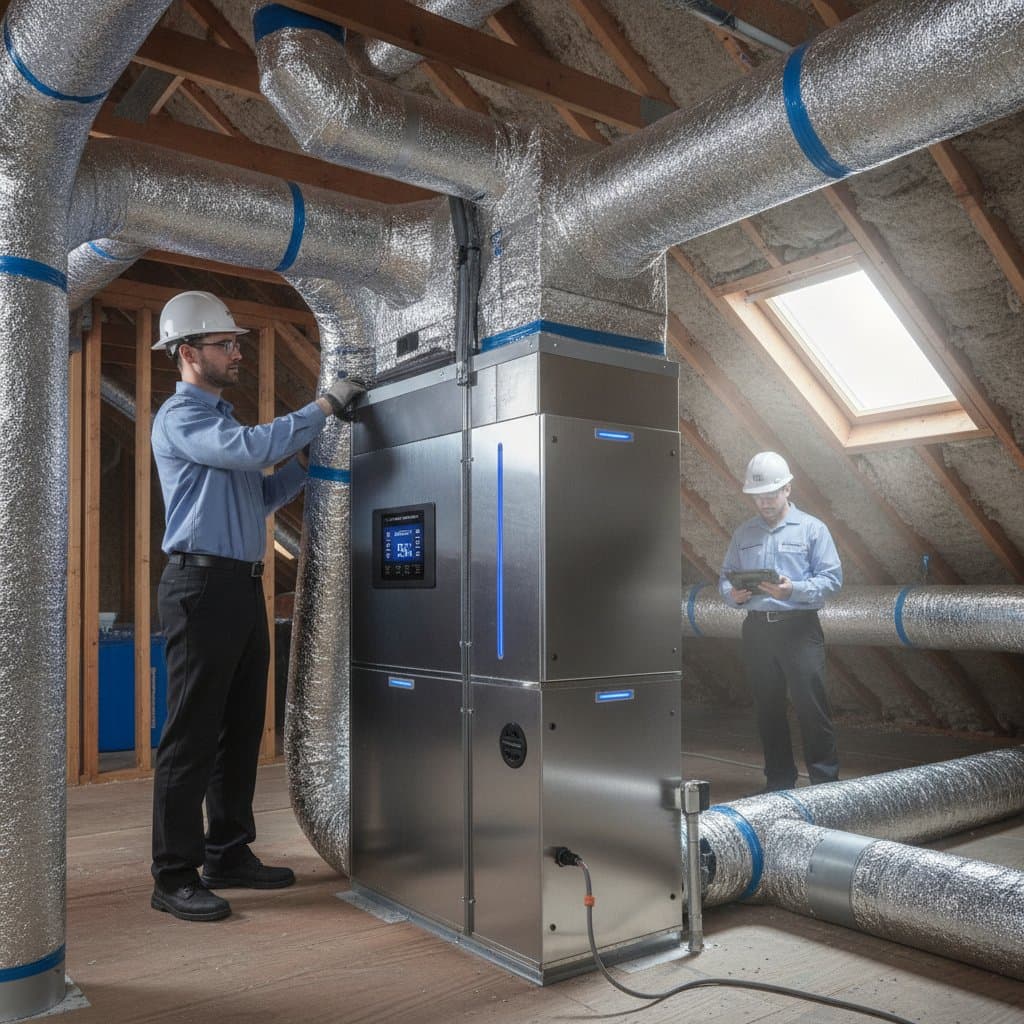
Soliciting multiple quotes enables comparison of pricing and service quality. Contractors evaluate hot water requirements, plumbing conditions, and consumption habits to suggest tailored solutions.
Essential Questions for Installers
- What tank size suits my family's daily needs?
- Does my installation site provide necessary airflow?
- Which rebates apply in my area?
- What does the quote cover, including extras?
- How many hours will the project require?
- What ongoing maintenance do you advise?
- Do warranties extend to labor and parts?
- Can you share client references?
- Will it connect seamlessly to current systems?
- How might I measure post-installation savings?
Ensuring Long-Term Performance
Post-installation care sustains efficiency and extends the unit's value. Maintain clearance around the device for airflow, refresh filters periodically, and monitor for condensation buildup or leaks.
Adopting a heat pump water heater secures fourfold efficiency, environmental benefits, and reliable savings approaching $550 annually. This choice not only trims energy expenses but also supports sustainable home operations over the long term.