How Can You Get Paid for Cooling? Grid HVAC Rewards Await
Discover How Smart HVAC Systems Earn You Money While Keeping Your Home Comfortable
Homeowners increasingly recognize that air conditioners serve purposes beyond maintaining comfort. Grid-interactive HVAC systems, combined with demand response programs, enable participants to receive financial incentives for stabilizing the local power grid during periods of high demand. Utility providers frequently offer cash payments, rebates, or bill credits in exchange for brief, automated adjustments to system operation.
This guide details the mechanics of grid HVAC rewards, available incentive types, qualification criteria, and the dual benefits to personal finances and environmental sustainability. Participants contribute to a more resilient energy infrastructure while offsetting cooling costs.
How Do Grid-Interactive HVAC Systems Work?
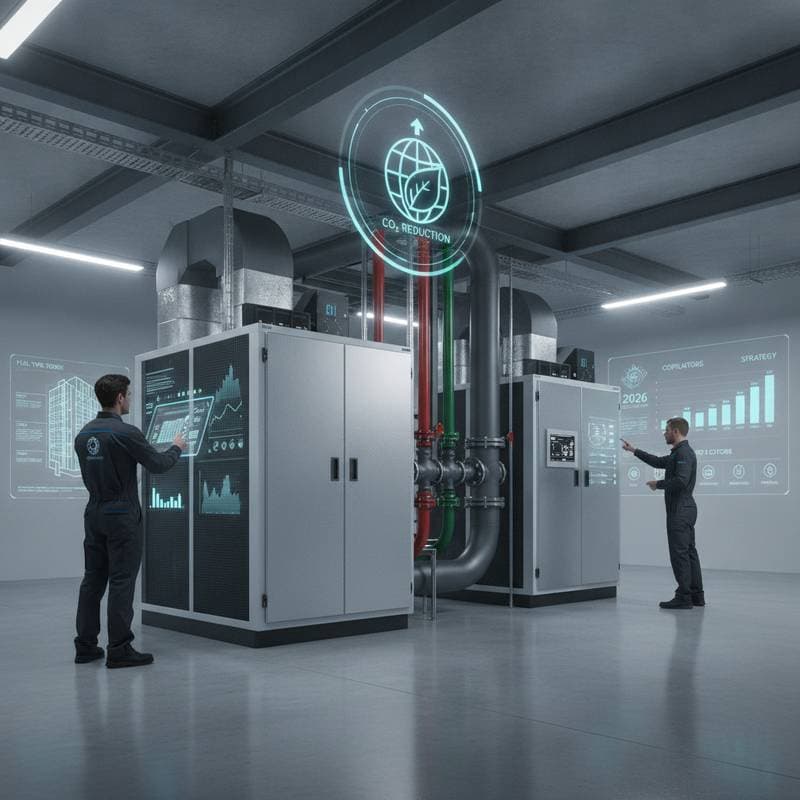
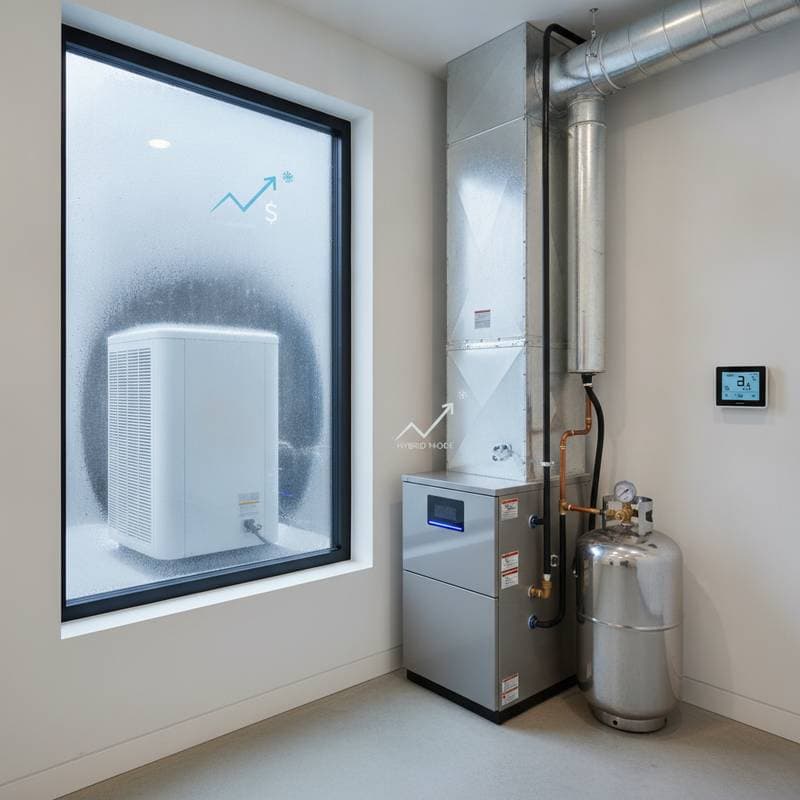
Grid-interactive HVAC systems incorporate advanced technology to interface directly with utility networks. These systems detect and respond to grid signals by modulating energy consumption, thereby alleviating strain during peak usage times without manual intervention.
Essential components include the following:
- Smart thermostats: Devices that connect to the internet and receive real-time instructions from utilities to adjust temperature settings.
- Variable-speed compressors: Units that vary their operational speed to optimize efficiency and reduce peak load impacts.
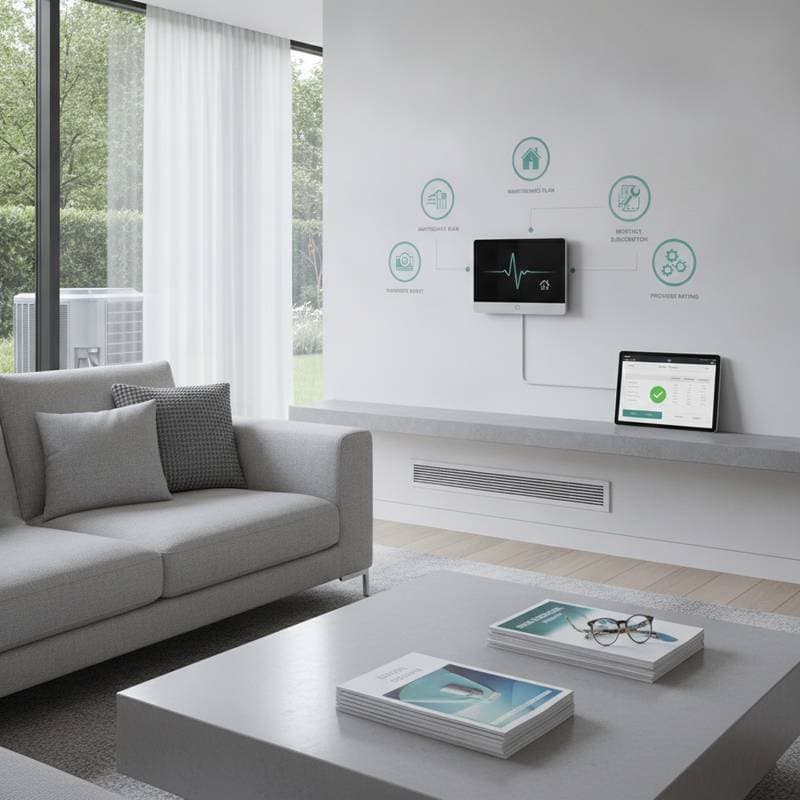
- Cloud-based monitoring platforms: Software that logs energy patterns, system health, and participation events for both users and providers.
- Utility integration protocols: Secure communication channels that facilitate bidirectional data exchange, ensuring precise control and performance verification.
When a utility anticipates high demand, such as on hot summer afternoons, the system might raise the thermostat by one or two degrees for an hour. This subtle shift conserves electricity equivalent to powering several households, earning participants rewards.
Factors That Influence HVAC Reward Amounts
Several elements determine the value of incentives in demand response programs. Understanding these helps homeowners maximize returns.
- Program structure: Utilities may provide fixed payments for enrollment or variable rewards tied to verified energy reductions during events.
- Equipment compatibility: Systems must feature certified smart controls; incompatible units require upgrades, often subsidized by rebates.
- Seasonal usage patterns: Incentives peak during summer when cooling demands surge, potentially doubling rewards compared to off-season participation.
- Utility budget allocations: Regional funding levels vary; for instance, areas with frequent heatwaves or renewable energy integration may offer higher payouts.
- Participation consistency: Regular involvement in events builds cumulative earnings, with some programs providing bonuses for high reliability.
Example of Potential Annual Savings
The table below illustrates typical reward ranges based on engagement levels. Actual amounts depend on local utility terms and household energy profiles.
| Participation Level | Estimated Annual Credit | Notes |
|---|---|---|
| Basic enrollment | $50 – $75 | Involves simple thermostat adjustments |
| Active participant | $100 – $150 | Includes multiple event responses per year |
| Enhanced smart system | $150 – $250 | Features full automation and monitoring |
These figures represent conservative estimates; dedicated participants in high-incentive regions often exceed $300 annually.
Demand Response HVAC FAQs
How much control will I lose over my thermostat?
Participants maintain primary authority over their systems. Utilities implement only minor, short-term modifications, typically limited to a one- or two-degree increase for 30 to 60 minutes. Override options remain accessible via mobile apps or physical controls at any time.
Will my comfort be affected?
Adjustments prioritize minimal disruption. Systems cycle back to preferred settings promptly, and events occur during times when comfort impacts prove negligible. Surveys indicate that over 90 percent of users experience no perceptible changes.
What equipment do I need to participate?
A Wi-Fi-enabled smart thermostat or integrated HVAC controller suffices for most programs. Utilities publish lists of compatible models from brands like Nest, Ecobee, or Honeywell. Installation often qualifies for partial rebates, reducing upfront costs to under $100.
Can renters join these programs?
Renters qualify provided they install approved devices and secure landlord approval for any modifications. Incentives apply to the utility account holder, simplifying the process for leased properties.
Are the rewards taxable?
Small-scale rebates and credits generally fall below taxable thresholds in most jurisdictions. Utilities issue forms for larger amounts; consulting a tax advisor ensures compliance with specific local regulations.
Getting Started with Grid HVAC Rewards
Steps to Enroll
Enrollment involves a straightforward process that typically takes less than a week. Follow these steps to begin earning.
- Check eligibility: Contact your utility provider via their website or customer service to confirm program availability in your area.
- Verify equipment compatibility: Review the utility's device roster and assess your current setup; request a free compatibility check if needed.
- Install or connect devices: Purchase and set up a qualifying smart thermostat, or link existing equipment through the manufacturer's app.
- Sign up online: Complete the registration form on the utility portal, providing account details and device information.
- Confirm participation: Participate in a brief test event to validate connectivity and ensure seamless integration.
Post-enrollment, users receive notifications for upcoming events, allowing preparation and informed decisions.
Questions to Ask Before Enrolling
Before committing, gather details to align the program with your needs. Pose these inquiries to your utility representative:
- What specific rewards or rebates does the program offer, and how are they calculated?
- How frequently might adjustments occur during peak seasons?
- Do opt-out options exist for individual events without penalty?
- Which thermostats or HVAC models meet qualification standards?
- Will notifications precede any system changes?
- In what manner do credits appear on utility statements?
- Does enrollment require a long-term contract?
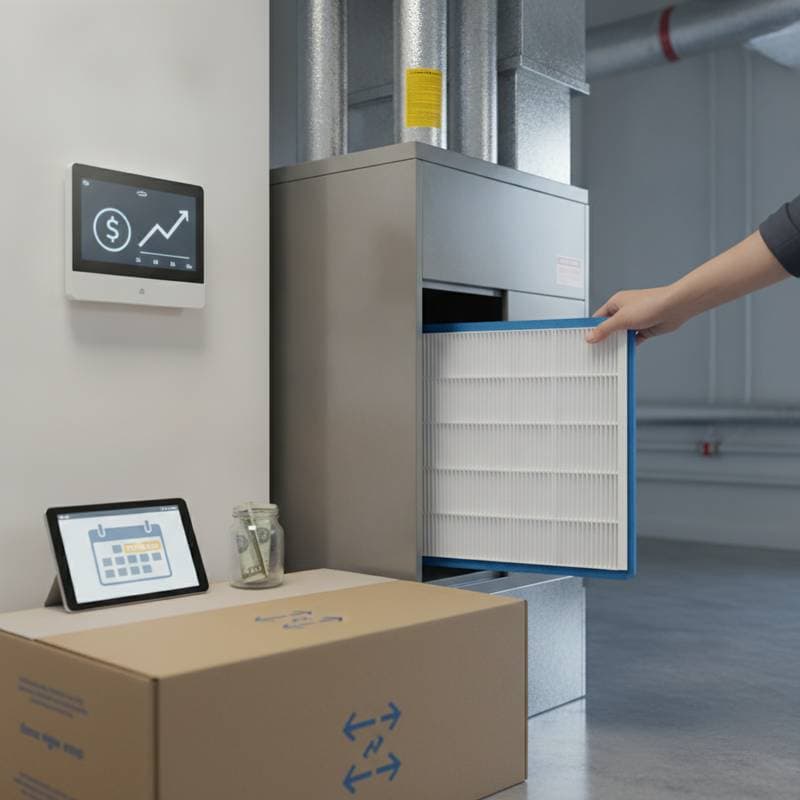
- What ongoing maintenance ensures continued eligibility?
These questions clarify expectations and prevent surprises.
Integrate Your HVAC into Energy Rewards Today
Grid HVAC rewards programs provide an accessible entry point for homeowners to monetize energy management. By linking systems to utility demand response initiatives, individuals bolster grid stability and avert potential blackouts.
As emphasis grows on energy efficiency and sustainable practices, grid-interactive technologies emerge as practical solutions. Explore options with your local utility to transform cooling expenses into financial gains.