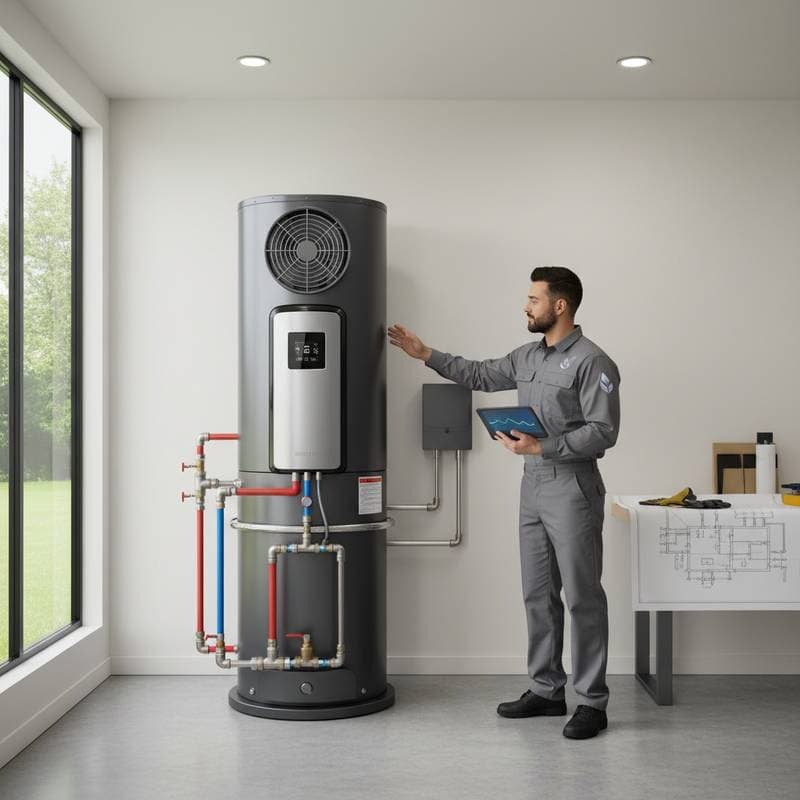
Understanding Hybrid Water Heaters and Their Path to 50% Energy Savings by 2026
Hybrid water heaters represent a significant advancement in residential hot water systems, offering homeowners a pathway to substantial energy cost reductions. These units achieve average savings of up to 50% over traditional electric or gas models, influenced by household usage patterns and regional utility rates. By integrating heat pump technology with electric resistance elements, hybrid systems provide efficient, reliable performance while minimizing environmental impact.
This comprehensive guide outlines the mechanics of hybrid water heaters, factors affecting their costs and efficiency, and strategies for integration into modern homes. Projections indicate these systems will lead the market by 2026 due to improving technology and supportive incentives.
Defining the Hybrid Water Heater
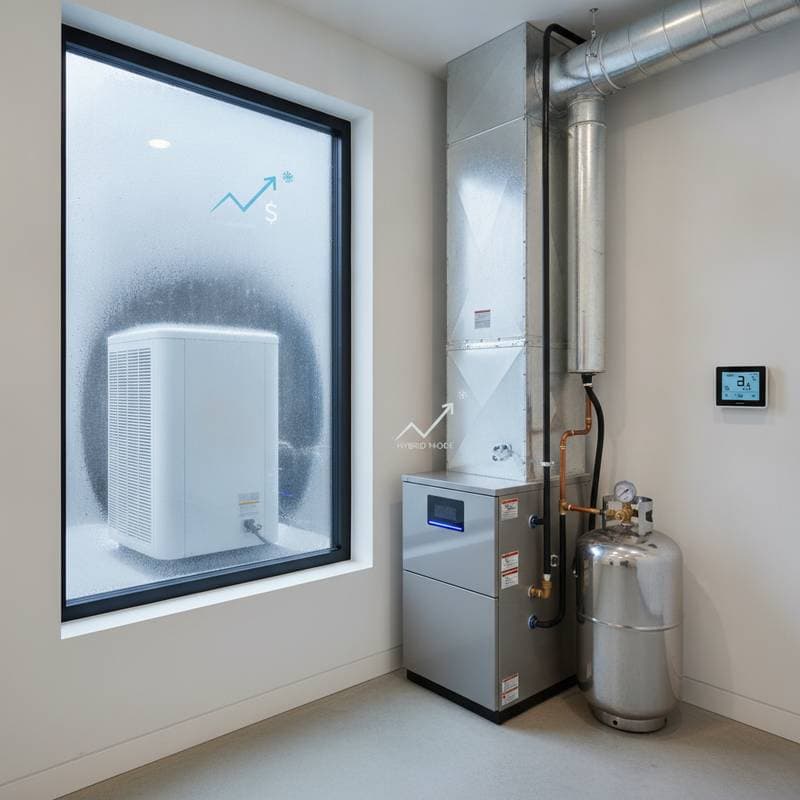
A hybrid water heater, often referred to as a heat pump water heater, operates by extracting heat from the surrounding air rather than generating it through direct electrical resistance. The system circulates refrigerant to absorb ambient warmth, which then heats the water in the storage tank. When conditions demand more heat, such as during high usage or in cooler environments, an integrated electric resistance element activates as a backup.
This dual-mode design ensures consistent hot water delivery while prioritizing energy efficiency. Homeowners benefit from lower operational costs and reduced carbon footprints compared to conventional units.
Projected Costs for Hybrid Water Heaters in 2026
Installation and unit costs for hybrid water heaters vary based on capacity, brand features, and site-specific requirements. Expect total expenses, including professional installation, to fall between $2,000 and $4,500. These figures account for rising material costs offset by technological refinements expected by 2026.
| Type | Average Cost Range | Key Features and Suitability |
|---|---|---|
| Entry-level 50-gallon | $2,000 – $2,800 | Basic models for 1-2 person households with standard hot water needs |
| Mid-range 65-gallon | $2,800 – $3,500 | Enhanced efficiency for families of 3-4, including usage sensors |
| Premium 80-gallon | $3,500 – $4,500 | Advanced smart controls and larger capacity for high-demand homes |
Although upfront costs exceed those of basic electric heaters, rebates from utilities and federal tax credits can reduce the effective price. Payback typically occurs within 3 to 5 years through energy savings.
Mechanisms Behind Energy Bill Reductions
Hybrid water heaters lower energy consumption by up to 50% primarily through their heat pump core, which achieves a coefficient of performance (COP) of 2 to 3. This metric indicates that the system delivers two to three times more heating energy than the electricity it uses, far surpassing the 1:1 ratio of resistance heaters.
Integrated sensors monitor water temperature and household demand, activating the heat pump mode under optimal conditions and reserving electric backup for peak needs. Compatibility with home automation platforms allows further customization, such as scheduling heating during off-peak utility hours to maximize savings.
Essential Factors Influencing Efficiency
Efficiency in hybrid water heaters hinges on several interconnected elements that homeowners can optimize during selection and operation:
- Ambient Temperature: Performance peaks in temperatures above 50 degrees Fahrenheit; position units in conditioned spaces like utility rooms to avoid efficiency drops.
- Tank Capacity: Match size to daily hot water needs—oversized tanks increase standby losses, while undersized ones trigger frequent electric mode use.
- Household Usage Patterns: Families with consistent hot water demands see greater relative savings; track usage to select appropriately.
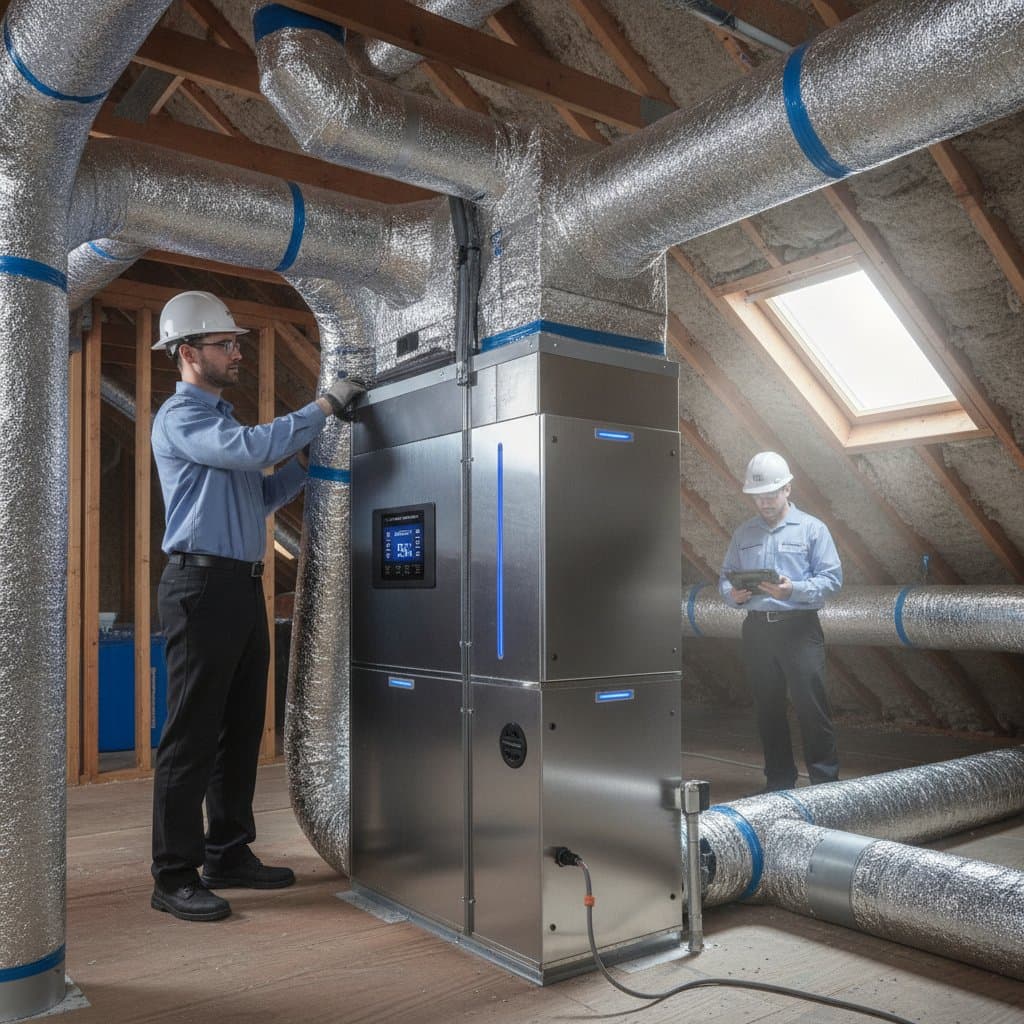
- Installation Precision: Ensure adequate airflow around the unit and proper electrical connections to prevent compressor strain and maintain COP ratings.
- Ongoing Maintenance: Clean air filters quarterly and schedule annual inspections to sustain peak operation.
- Incentive Programs: Research local rebates, which can cover 20-30% of costs and accelerate return on investment.
Addressing these factors through informed choices ensures the system delivers projected savings reliably over its lifespan.
Frequently Asked Questions About Hybrid Water Heaters
How Long Do Hybrid Water Heaters Last?
With proper care, hybrid water heaters endure 10 to 15 years. Extend this by adhering to maintenance routines, including monthly filter checks and annual tank flushing to remove mineral deposits that could impair heat transfer.
Do Hybrid Water Heaters Perform in Cold Climates?
These systems function in colder areas, though efficiency decreases below 40 degrees Fahrenheit. Install in protected locations, such as insulated basements, and rely on the automatic switch to electric mode for uninterrupted service during extreme cold.
How Often Does a Hybrid Water Heater Require Servicing?
Plan for professional servicing once a year. Technicians will verify refrigerant charge, examine coils for dust accumulation, test electrical integrity, and calibrate controls to uphold efficiency standards.
What Advantages Do Hybrid Water Heaters Offer Over Traditional Models?
Hybrid units provide superior energy efficiency, potentially halving bills while qualifying for green energy incentives. They produce less waste heat, making them suitable for tighter spaces, and offer quieter operation than gas alternatives. Long-term, they contribute to sustainability goals without sacrificing hot water reliability.
Securing Quotes for Hybrid Water Heater Installation
To obtain accurate quotes, contact multiple certified contractors for on-site assessments. Provide details on your home's layout, current water usage, and electrical setup to receive tailored recommendations.
Key Questions for Contractors
- Which unit size and model align best with my household's hot water requirements?
- Does my existing electrical panel support the installation without upgrades?
- What is the energy efficiency rating, such as the Uniform Energy Factor (UEF), for the proposed system?
- Which rebates or tax credits apply in my location?
- How many hours will the installation process require?
- What warranty terms cover parts and labor?
- What is the recommended servicing frequency post-installation?
- Based on my usage, what annual energy savings can I anticipate?
- Is integration possible with my smart home ecosystem?
- Which maintenance tasks, like filter replacement, can I perform independently?
Compare at least three quotes, focusing on total costs including any necessary modifications.
Steps to Transition to Hybrid Water Heating
Transitioning to a hybrid water heater involves evaluating your current setup, budgeting for installation, and planning for maintenance. Start by auditing energy bills to quantify potential savings, then consult professionals to confirm compatibility. By 2026, enhanced models and broader incentives will make this upgrade even more accessible, delivering immediate reductions in costs and environmental impact while ensuring dependable hot water for years ahead.