Heat Pumps: 4X Efficiency Saves $500 on Bills Yearly
Rising energy bills present a persistent challenge for many households. A heat pump offers a reliable solution by significantly reducing those expenses while maintaining consistent home comfort throughout the seasons. This technology transfers heat rather than generating it, achieving up to four times the efficiency of standard heating and cooling systems. The following sections detail the mechanics of heat pumps, factors that impact their performance, and strategies to maximize savings.
What Is a Heat Pump?
A heat pump serves as a versatile system that handles both heating and cooling needs in a residence. Rather than relying on fuel combustion to produce heat, it employs electricity to relocate heat from one location to another. During colder months, the unit draws thermal energy from outdoor air or soil and directs it inside. In warmer periods, the process reverses, expelling indoor heat to the exterior environment.
This method consumes considerably less energy than furnaces or traditional air conditioners, as the focus remains on relocation rather than creation. High-efficiency models deliver up to four units of heating or cooling output for each unit of electricity input. Such performance defines the notable 4X efficiency benefit.
Common Types of Heat Pumps
Heat pumps vary in design to accommodate diverse home configurations and regional weather patterns. Selecting the appropriate type ensures optimal operation and cost-effectiveness.
Air Source Heat Pumps
Air source heat pumps represent the predominant choice for residential applications. These units capture heat from surrounding outdoor air, functioning reliably even in chilly conditions. Recent advancements in refrigerant formulations enable effective performance down to sub-freezing temperatures, expanding their suitability for varied climates.
Ground Source (Geothermal) Heat Pumps
Ground source heat pumps utilize the consistent temperatures found beneath the earth's surface for heat exchange. This stability results in exceptional efficiency levels year-round. Installation involves excavating loops of piping underground, which elevates initial costs but promises substantial long-term returns through reduced operational expenses.
Water Source Heat Pumps
Water source heat pumps leverage proximate bodies of water, like ponds or wells, as their thermal reservoir. The steady temperature of water enhances system reliability and performance. Availability of a suitable water feature near the property remains a prerequisite for this configuration.
Hybrid Heat Pumps
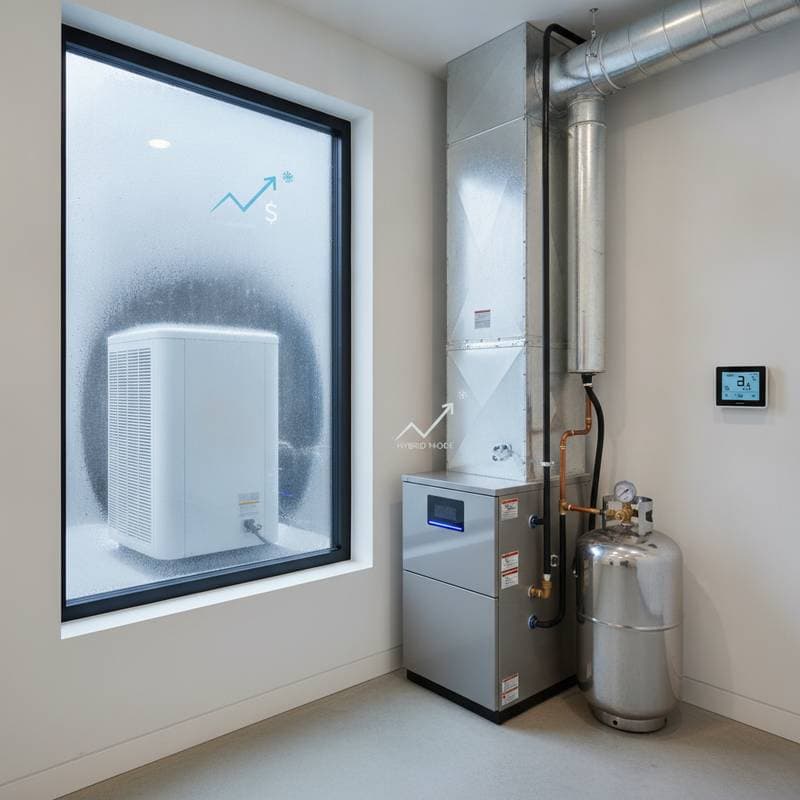
Hybrid heat pumps integrate a primary heat pump with a supplementary gas furnace or electric heater. The system intelligently alternates between components based on external conditions and efficiency thresholds. This approach proves advantageous in areas experiencing extreme seasonal temperature fluctuations.
How Heat Pumps Deliver 4X Efficiency
The core of a heat pump's superior performance resides in its refrigeration cycle. A specialized refrigerant circulates through the system, absorbing heat in one area and discharging it in another. By emphasizing transfer over generation, energy demands decrease markedly.
High-efficiency ratings stem from a Coefficient of Performance (COP) typically ranging from 3 to 4, indicating three to four units of thermal output per unit of electrical input. Contemporary units incorporate variable-speed compressors that modulate operation to match real-time demands, fostering steady temperatures with minimal waste. Ductless mini-split variants enable targeted climate control in individual rooms, eliminating energy loss in unoccupied areas.
Homeowners often realize savings of approximately $500 annually—or greater—relative to legacy systems. These figures hinge on prevailing electricity tariffs, household consumption habits, and local environmental factors.
Key Factors Affecting Heat Pump Efficiency and Cost
Heat pumps hold strong potential for energy conservation, yet outcomes depend on several interconnected elements. Addressing these ensures the system meets expectations for performance and economy.
- System size: Accurate sizing prevents inefficiency; an oversized unit cycles excessively, while an undersized one labors continuously, accelerating wear.
- Home insulation: Effective sealing and insulation retain treated air, lightening the load on the heat pump and enhancing overall savings.
- Climate: Moderate weather favors standard models, though innovations in cold-climate designs now support reliable function in harsh winters.
- Installation quality: Expert placement and setup preserve rated efficiency; subpar work may diminish output by 20 percent or more.
- Maintenance: Routine tasks like filter replacement and coil cleaning sustain peak operation; neglect leads to gradual performance decline.
- Electricity rates: Regional pricing directly affects net benefits, though the inherent efficiency often compensates for elevated costs.
Heat Pump Water Heaters and Hybrid Models
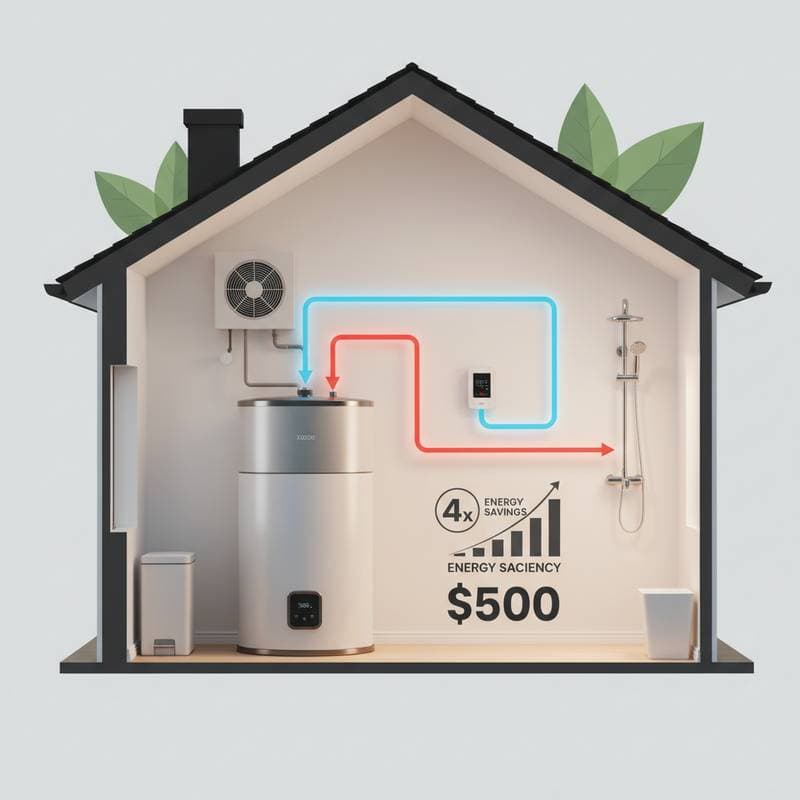
Beyond space conditioning, heat pumps extend to water heating applications, unlocking additional efficiencies. Heat pump water heaters apply the transfer principle to elevate domestic water temperatures. Referred to as hybrid water heaters, they toggle to conventional electric elements during high-demand scenarios.
This dual-mode operation balances rapid heating with energy prudence, often halving water-related expenses. Certain installations repurpose extracted heat to subtly cool and dehumidify adjacent areas, providing ancillary advantages in humid regions.
DIY Heat Pump Maintenance vs. Hiring a Pro
Homeowners can perform basic upkeep to support system longevity without specialized intervention.
- Replace or clean air filters every one to three months to maintain unrestricted airflow.
- Clear debris, foliage, and accumulations from outdoor units to prevent obstruction.
- Examine vents and registers periodically to confirm unobstructed circulation.
More complex procedures, including refrigerant assessment, electrical diagnostics, or internal component servicing, demand professional expertise. Certified technicians possess the necessary equipment and knowledge to handle these safely. They also conduct comprehensive checks on pressures and balances to optimize efficiency.
The Professional Installation Process
Engaging a licensed HVAC specialist streamlines the adoption of a heat pump, yielding a seamless integration.
- Home evaluation: Specialists inspect structural features, insulation quality, and current infrastructure to recommend an ideal capacity.
- System selection: Collaborate to identify a unit aligning with performance objectives and financial parameters.
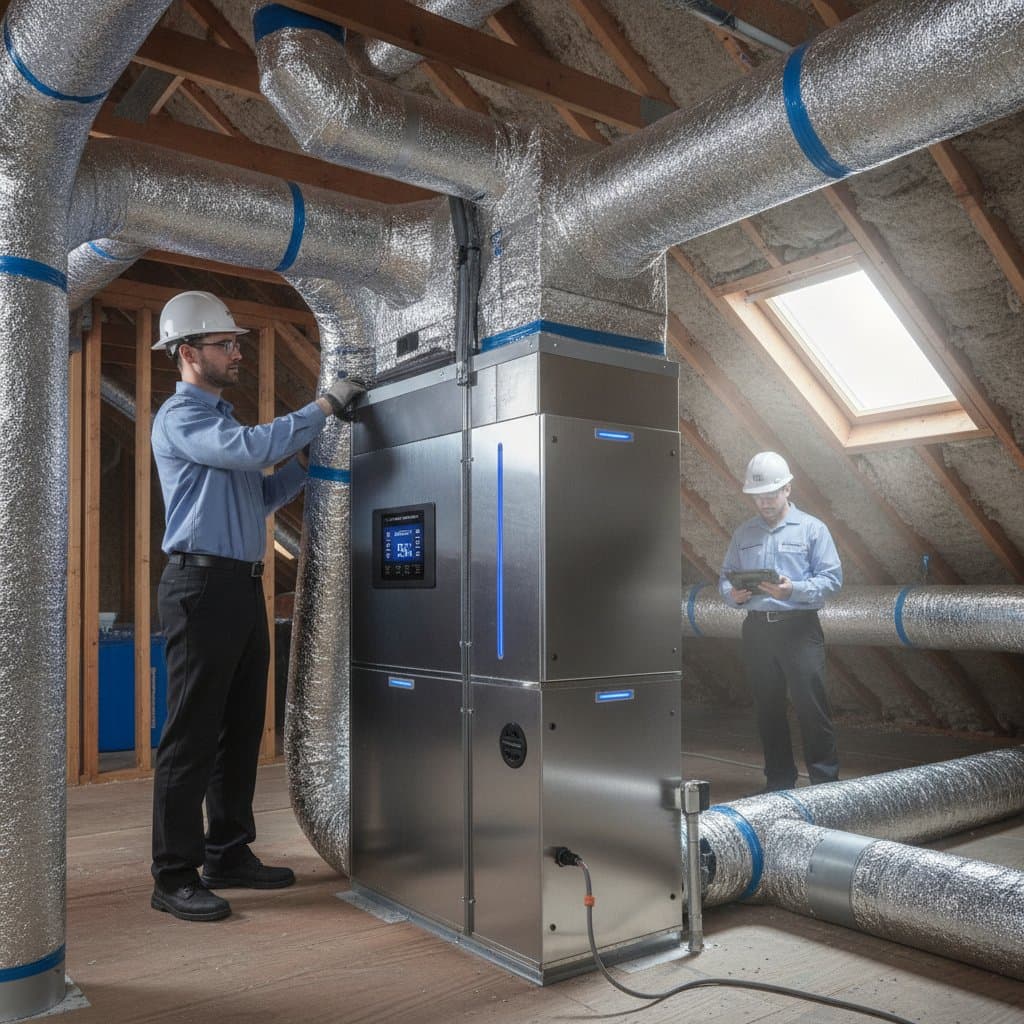
- Installation: Position indoor and outdoor components, secure refrigerant pathways, and link control mechanisms.
- Testing and calibration: Validate fluid levels, air distribution, and control functionality post-setup.
- Owner education: Receive guidance on daily use and upkeep protocols to secure enduring results.
With diligent maintenance, these systems endure 15 years or longer, justifying the investment through comfort and fiscal gains.
Frequently Asked Questions
How much can a heat pump really save me on energy bills?
Reported savings average $500 yearly for many users, surpassing costs from electric resistance or outdated HVAC alternatives. Precise amounts reflect local utility prices, unit specifications, and environmental influences.
Can a heat pump work in cold weather?
Modern iterations equipped with enhanced refrigerants and adaptive compressors extract heat effectively below freezing points, ensuring viability in severe winters.
Is a heat pump water heater worth it?
These units surpass standard electric counterparts by two to three times in efficiency, yielding notable reductions while meeting hot water requirements reliably.
Maximize Savings and Comfort with Strategic Upgrades
Integrating a heat pump elevates home efficiency and livability. Focus on precise sizing, quality installation, and consistent care to realize full potential. Consult local experts to tailor solutions that align with your specific needs and yield measurable returns.