
Reduce Energy Bills by 28 Percent with Humidity Control in 2026
High indoor humidity often leads to discomfort and elevated energy consumption. Homes that feel sticky or require continuous air conditioning operation may experience unnecessary costs. Maintaining optimal indoor humidity levels enables a reduction in energy use by up to 28 percent, enhances comfort, and prolongs the lifespan of heating, ventilation, and air conditioning systems. This guide details the mechanics of humidity control, its importance, and the benefits of whole-home dehumidifiers for improved comfort and savings.
| Item | Key Data |
|---|---|
| Potential Energy Savings | Up to 28 percent |
| Ideal Indoor Humidity Range | 30 percent to 50 percent |
| Typical Whole-Home Dehumidifier Cost | $1,200 to $2,800 (installed) |
| Average Payback Time | 1 to 3 years |
| Common Indoor Humidity Problems | Mold growth, musty odors, sticky air, high cooling costs |
Average Costs for Whole-Home Dehumidifiers
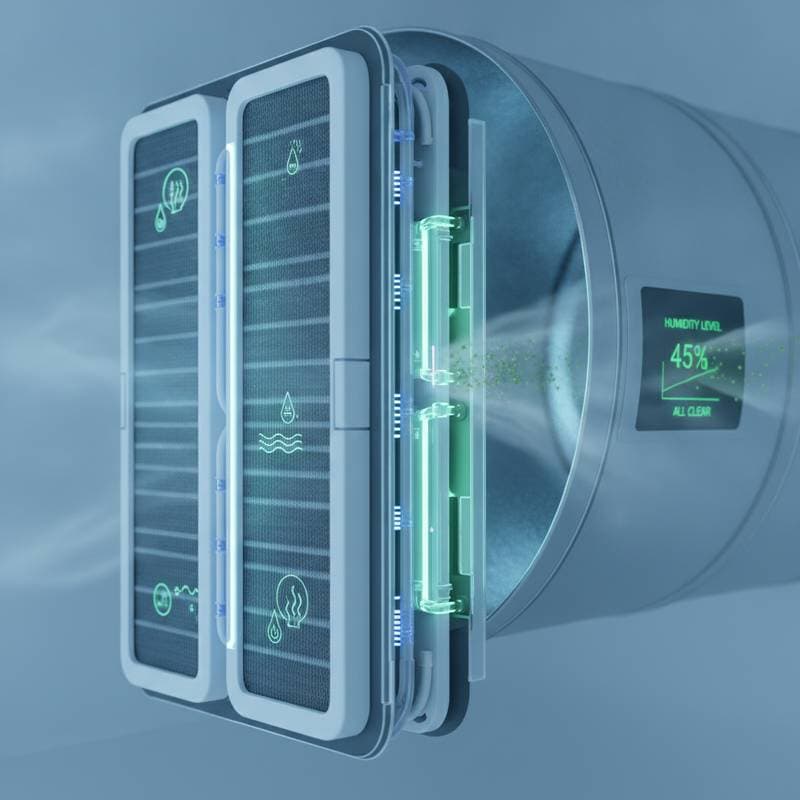
Whole-home dehumidifiers manage moisture levels across the entire residence, unlike units limited to single rooms. Installed costs typically fall between $1,200 and $2,800, varying by capacity, brand, and installation requirements. High-capacity or integrated models may reach $3,500, whereas smaller add-on units often cost less than $1,000.
Cost Breakdown:
- Equipment: $800 to $2,000
- Installation Labor: $400 to $800
- Optional Ductwork Modifications: $300 to $600
- Maintenance per Year: $100 to $250
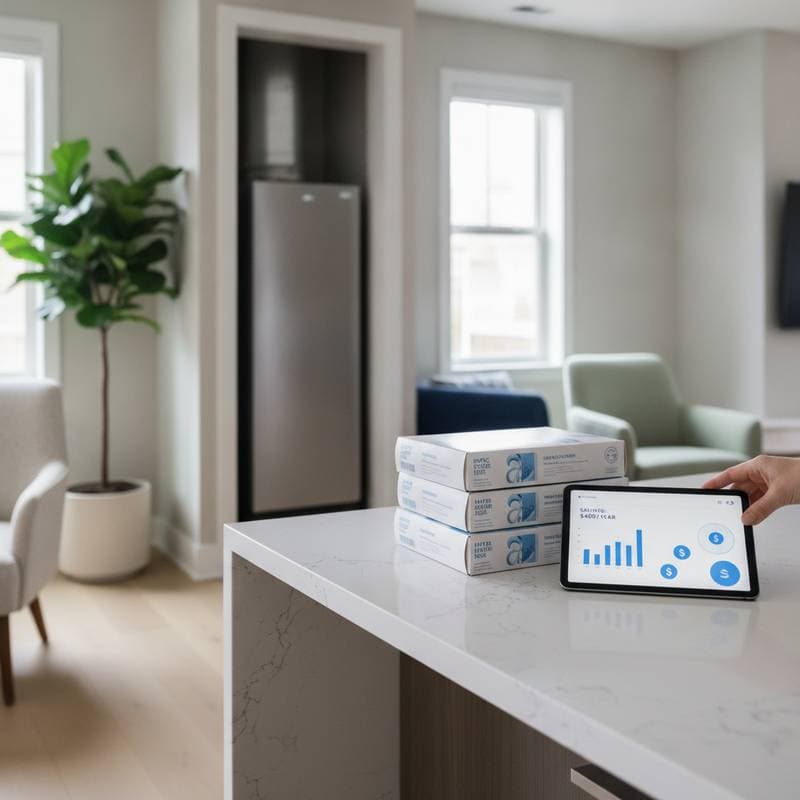
The initial investment appears substantial, yet energy savings and enhanced comfort frequently recover expenses within several years. Homeowners benefit from protection against humidity-induced issues, including warped flooring, mildew formation, and paint deterioration.
Factors Influencing Humidity Control System Prices
Multiple elements determine the expense of a whole-home dehumidifier or humidity control upgrade. Awareness of these variables supports precise budgeting for the project.
Unit Capacity and Size
Dehumidifiers operate based on pints of moisture removed daily. Smaller homes might suffice with a 50-pint unit, whereas larger properties demand 100-pint or greater models. Although oversized units increase upfront costs, they extract moisture more rapidly and function efficiently in expansive areas.
Brand and Quality
Premium brands incorporate robust components, sophisticated humidity sensors, and energy-efficient designs. Budget options perform acceptably, but superior systems provide extended warranties and reduced long-term expenses.
Energy Efficiency Ratings
The Energy Factor (EF) quantifies moisture removal per unit of electricity consumed. Elevated EF values indicate lower energy demands, which translate to decreased utility bills. Select Energy Star-certified models to achieve optimal performance and efficiency balance.
Installation Complexity
Integration with an existing heating, ventilation, and air conditioning system may necessitate duct alterations or additional wiring. Residences lacking central air require standalone setups, potentially extending labor duration and elevating costs.
Climate and Home Design
Properties in humid climates or those with inadequate ventilation often need stronger systems. Older structures featuring minimal insulation or single-pane windows face greater humidity intrusion, affecting both unit sizing and overall effectiveness.
Types of Humidity Control Systems
Various methods exist for regulating indoor humidity. Each approach offers distinct benefits suited to specific home configurations and environmental conditions.
Whole-Home Dehumidifiers
Pros:
- Regulates humidity throughout the entire home
- Connects seamlessly to existing heating, ventilation, and air conditioning ductwork
- Alleviates burden on air conditioning units
- Operates quietly with automation
Cons:
- Involves higher initial expenses
- Demands professional installation
Portable Dehumidifiers
Pros:
- Features affordable upfront pricing
- Allows relocation between rooms
- Employs straightforward plug-and-play configuration
Cons:
- Covers limited areas
- Necessitates regular water tank emptying
- Proves less efficient for expansive homes
Smart Heating, Ventilation, and Air Conditioning Systems with Humidity Sensors
Pros:
- Adjusts humidity and temperature automatically
- Delivers real-time information via mobile applications
- Enhances comfort and energy management
Cons:
- Commands premium pricing for intelligent capabilities
- May require upgrades to existing systems or new thermostats
Whole-home solutions generally provide superior long-term value for homeowners seeking energy bill reductions and uniform comfort.
Indicators of Inadequate Humidity Control
Excessive indoor humidity extends beyond mere discomfort. Recognize these signals that suggest the need for enhanced humidity regulation:
- Air conditioning operates continuously, yet air remains sticky
- Windows frequently display condensation or fogging
- Musty smells or mold become apparent
- Wooden floors or furniture exhibit warping
- Indoor allergies or respiratory concerns intensify
- Fabrics such as clothing or bedding retain dampness
- Energy expenses surge during humid periods
The presence of two or more symptoms indicates humidity levels exceeding the optimal 50 percent threshold.
Installation Process for Whole-Home Dehumidifiers
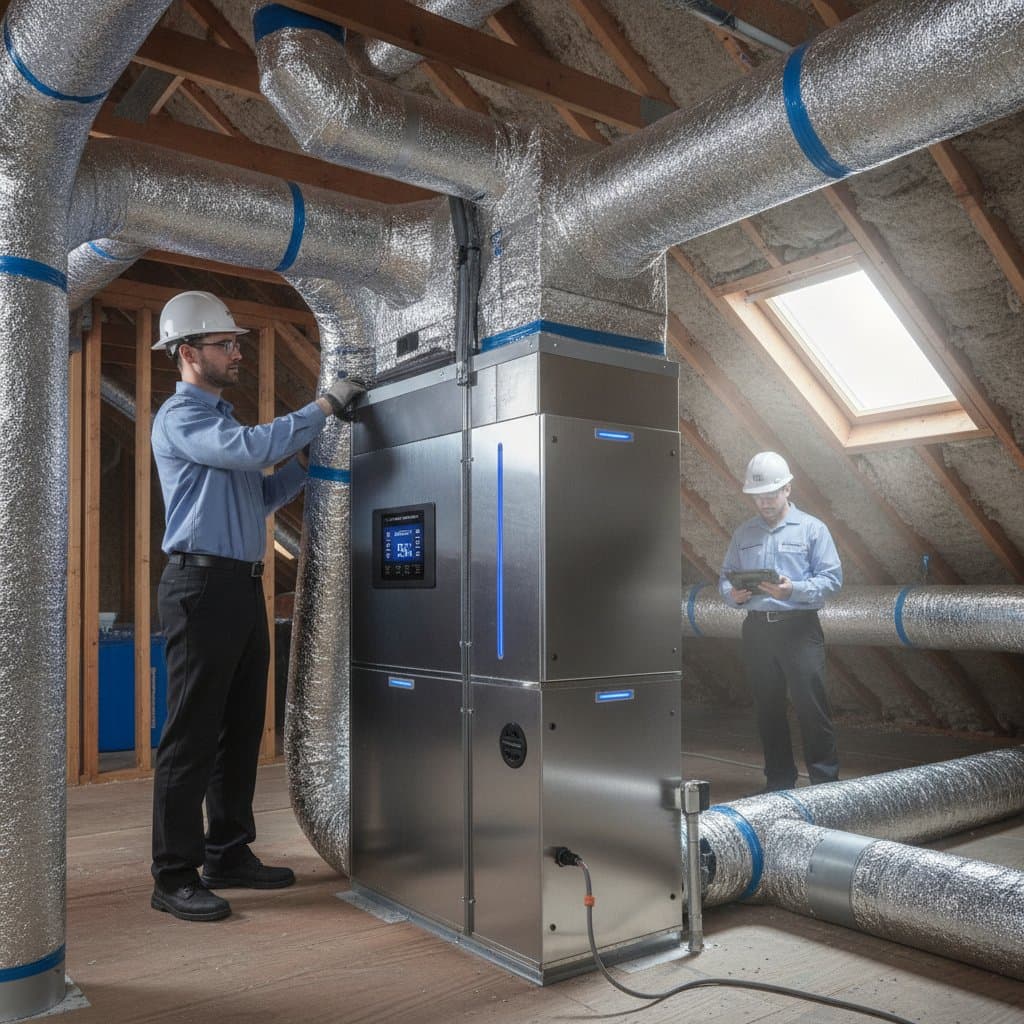
Qualified heating, ventilation, and air conditioning technicians handle whole-home dehumidifier installations efficiently. The procedure unfolds as follows:
- Initial Assessment: The technician evaluates current indoor humidity, examines the heating, ventilation, and air conditioning system, and suggests appropriate unit sizing.
- System Selection: Choose a model according to capacity, energy efficiency, and financial constraints.
- Installation Preparation: Identify the optimal duct connection location, typically near the return air plenum.
- Unit Installation: Secure the dehumidifier, attach it to ductwork, and connect to the electrical supply.
- Condensate Drain Setup: Install a drain line to direct collected moisture away safely.
- System Calibration: Program the humidity controller or smart thermostat for peak performance.
- Testing and Verification: Confirm airflow, drainage functionality, and uniform humidity reduction across the home.
The process generally spans a few hours, with noticeable comfort improvements commencing promptly.
Labor Costs for Humidity Control
Installation labor for whole-home dehumidifiers ranges from $400 to $800. Pricing varies based on the current heating, ventilation, and air conditioning configuration, home layout, and requirements for new ductwork or electrical connections. Professional installation ensures accurate sizing, secure wiring, and maximum efficiency, surpassing do-it-yourself attempts.
Annual maintenance plans, costing $100 to $250, prove beneficial. These services encompass filter replacements, drain line inspections, and sensor calibrations to sustain performance and unit longevity.
Frequently Asked Questions on Humidity Control
How Does Humidity Control Lower Energy Bills?
Elevated humidity creates a sensation of warmth, leading individuals to decrease thermostat settings. Regulating humidity allows air to feel cooler at higher temperatures, reducing air conditioning runtime. This approach diminishes energy consumption and system wear.
What Constitutes the Ideal Indoor Humidity Level for Comfort and Savings?
Experts advise maintaining levels between 30 percent and 50 percent. This interval inhibits mold development, safeguards furnishings, and optimizes heating, ventilation, and air conditioning efficiency.
Can a Dehumidifier Substitute for an Air Conditioner?
A dehumidifier targets moisture removal, not heat dissipation. It complements air conditioning to foster comfort, lessen operational demands, and curb expenses. The combination yields a harmonious indoor climate.
How Frequently Should a Dehumidifier Operate?
Contemporary units activate automatically via humidity sensors. In humid seasons, cycling occurs multiple times daily. During drier periods, operation becomes infrequent or unnecessary.
Does a Dehumidifier Alleviate Allergies?
Lower humidity discourages dust mites, mold spores, and allergens. Drier air promotes a healthier indoor setting, particularly for individuals with asthma or allergies.
What Is the Lifespan of a Whole-Home Dehumidifier?
Proper upkeep extends unit life to 8 to 15 years. Routine filter cleaning, yearly servicing, and clear drain lines contribute to sustained reliability.
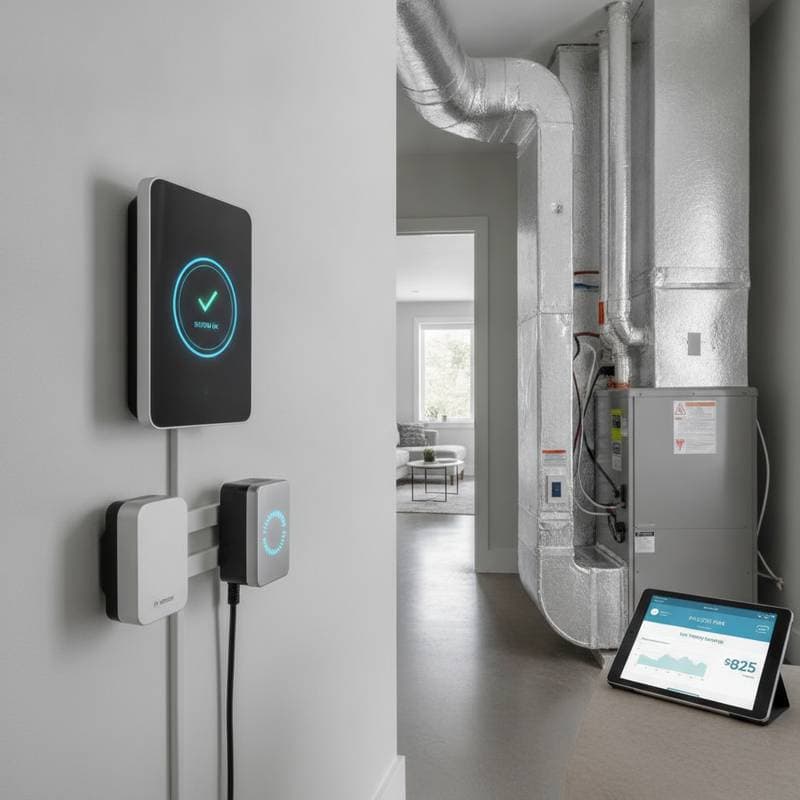
Is Integration with a Smart Thermostat Possible?
Many systems link directly to smart thermostats or automation platforms. This connectivity enables remote humidity monitoring, setting adjustments, and energy savings tracking.
Schedule Your Humidity Assessment Today
Effective humidity control represents an underutilized strategy for energy conservation and comfort enhancement. Balanced moisture reduces heating, ventilation, and air conditioning workload, refreshes indoor air, and shields surfaces from deterioration. Persistent stickiness or rising bills signal the value of a whole-home dehumidifier investment.
Arrange an in-home humidity evaluation with a certified heating, ventilation, and air conditioning specialist. This step measures existing conditions, identifies suitable systems, and facilitates secure installation for immediate benefits.