
How SEER3 Standards Reduce Energy Costs Starting in 2026
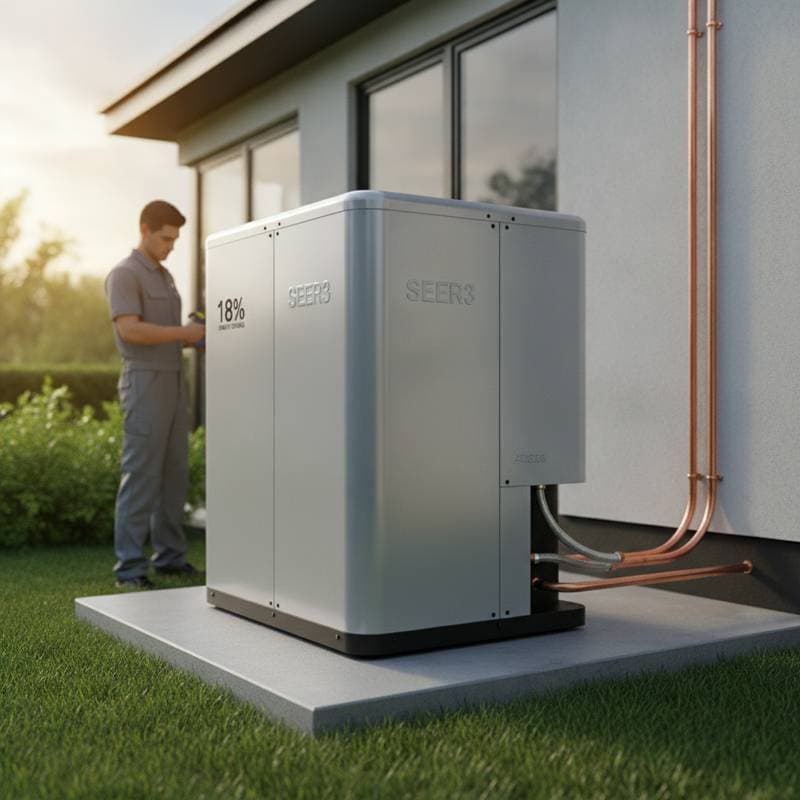
The 2026 SEER3 standards introduce updated measurements for air conditioner efficiency. These changes provide a more precise assessment of performance under everyday conditions. Homeowners benefit from reduced energy consumption and enhanced comfort levels. This guide details the implications of SEER3, its impact on purchasing decisions, and preparation strategies.
| Key Aspect | Description |
|---|---|
| Measurement Focus | Cooling output relative to energy input under revised test protocols |
| Primary Objective | Alignment with actual operating environments |
| Anticipated Results | Optimized designs leading to decreased energy demands |
| Advantages for Residents | Reduced monthly expenses and consistent indoor temperatures |
Costs of SEER3-Compliant Air Conditioners
SEER3-compliant units require advanced components, which elevate initial prices. A typical central air conditioning installation ranges from $4,500 to $9,000. Ductless mini-split systems and heat pumps fall between $5,000 and $12,000, influenced by size and additional features.
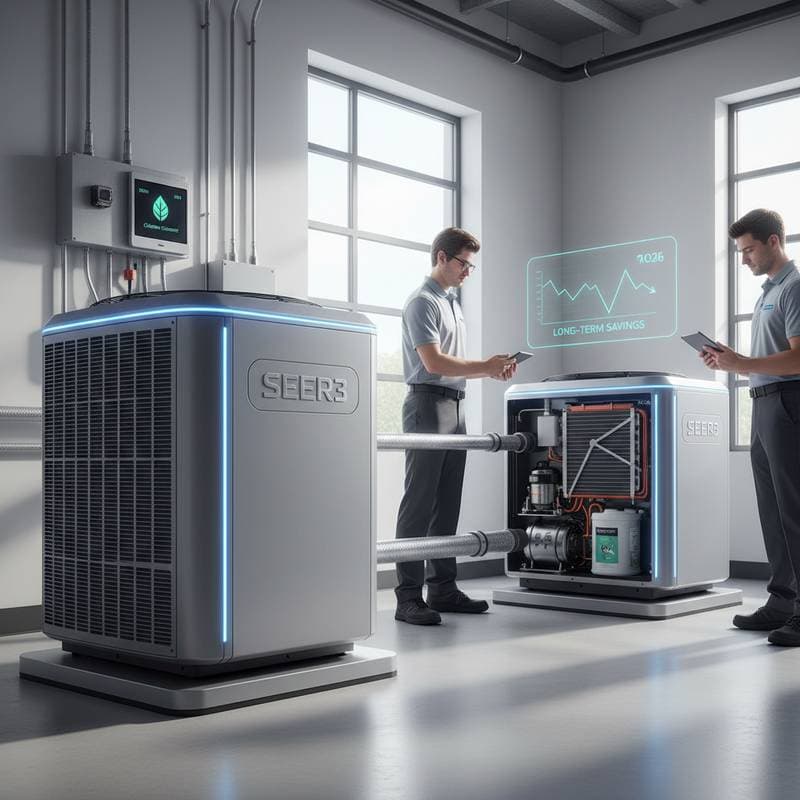
These systems incorporate expanded coils, intelligent controls, and variable-speed compressors. Such enhancements ensure precise temperature regulation. Over time, the energy reductions justify the higher starting investment.
Elements Influencing SEER3 System Expenses
Multiple variables determine the total cost of a SEER3 system. Awareness of these factors supports strategic budgeting.
Capacity and Sizing Requirements
Systems operate in tonnage, indicating hourly heat removal capacity. Residences with greater square footage demand larger units. For instance, a one-ton model installs for approximately $3,000, whereas a five-ton configuration may surpass $10,000 based on specifications.
Proper sizing prevents inefficiency and extends equipment life. Consult a professional to match capacity with home dimensions and insulation quality.
Manufacturer Reputation and Component Standards
Established brands integrate superior technologies for optimal performance. Features such as variable-speed motors and humidity management enhance efficiency. Economy options comply with standards yet offer basic functionality.
Evaluate warranties and user reviews to balance quality with affordability. Prioritize systems with proven durability in similar climates.
Efficiency Levels Within SEER3 Framework
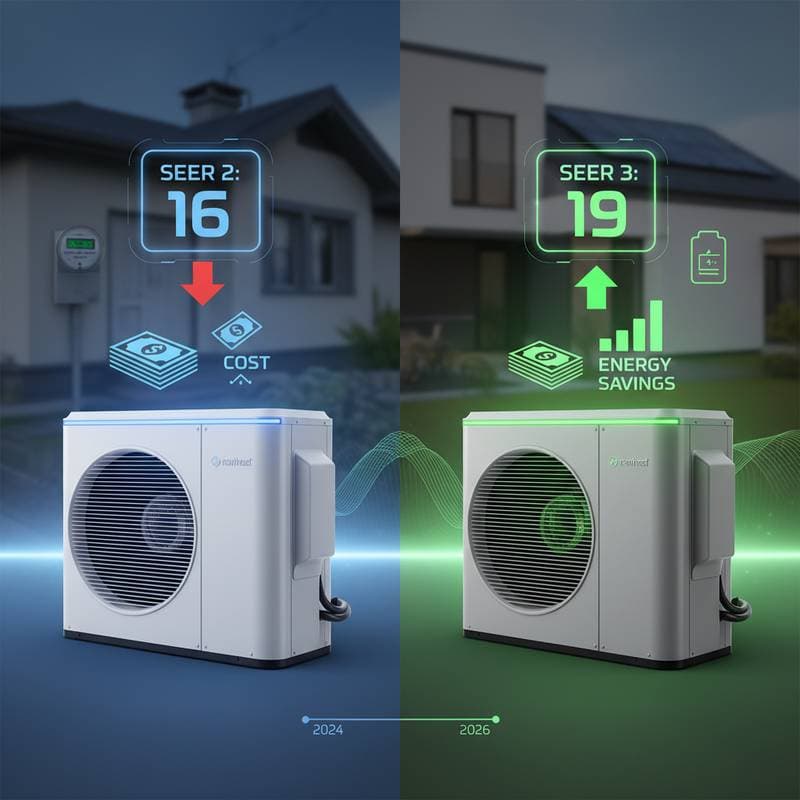
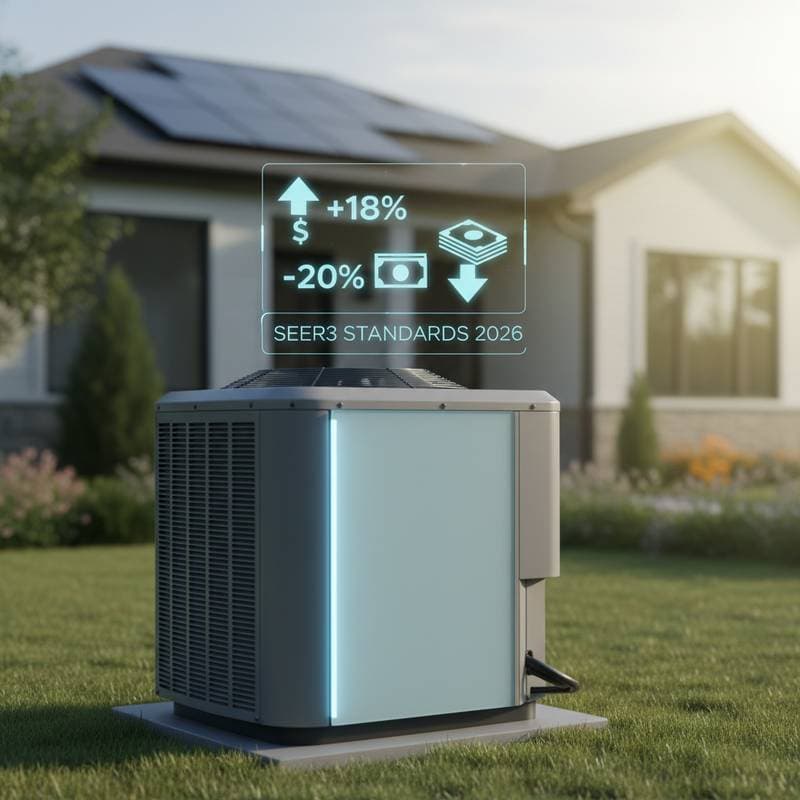
SEER3 quantifies efficiency through seasonal energy efficiency ratio under new protocols. Elevated ratings indicate lower electricity requirements for equivalent cooling. Transitioning from SEER2 to a superior SEER3 unit yields annual savings of several hundred dollars.
Calculate potential returns by reviewing local utility rates and usage patterns. Select ratings that align with long-term financial goals.
Challenges in Installation Procedures
Expenses vary with existing infrastructure and site conditions. Updates to electrical systems or duct modifications add to the total. Properties with restricted access incur extra labor charges.
Schedule a site evaluation early to identify potential obstacles. Opt for certified installers familiar with SEER3 adaptations.
Impact of Local Weather Patterns
Efficiency gains vary by geographic location. In regions with intense heat and humidity, high SEER3 ratings accelerate payback periods. Temperate zones benefit from moderate selections that maintain versatility.
Review regional incentives for energy-efficient installations. These programs can offset costs in qualifying areas.
Categories of SEER3-Approved Air Conditioning Options
Various system designs suit different residential setups. Selection hinges on layout, finances, and desired outcomes.
Centralized Air Conditioning Units
Advantages:
- Uniform temperature distribution across multiple rooms
- Integration with current duct networks
- Synergy with automated thermostat controls
Disadvantages:
- Dependence on functional ducts
- Elevated setup expenditures
Central systems excel in ducted homes seeking whole-house solutions. Verify duct integrity prior to commitment.
Ductless Mini-Split Configurations
Advantages:
- Suitable for duct-free structures
- Room-specific zoning for personalized settings
- Superior SEER3 scores via inverter mechanisms
Disadvantages:
- Increased expense per zone
- Visible indoor components influencing aesthetics
Mini-splits provide flexibility for additions or renovations. They minimize energy waste by cooling only occupied spaces.
Heat Pump Solutions
Advantages:
- Dual functionality for heating and cooling
- Strong efficiency profiles
- Adaptability to digital interfaces
Disadvantages:
- Requirement for auxiliary heating in severe winters
- Modest premium on installation
Heat pumps offer year-round utility, ideal for mild climates. Pair with zoning for maximum control.
Packaged Unit Designs
Advantages:
- Consolidated outdoor placement
- Simplified maintenance routines
- Preservation of interior area
Disadvantages:
- Reduced efficiency compared to distributed setups
- Greater vulnerability to environmental factors
Packaged units fit compact sites or retrofits. Ensure protective enclosures for longevity.
Indicators for Transitioning to SEER3 Technology
Consider replacement if these issues arise:
- Escalating utility statements amid routine servicing
- Uneven cooling or temperature variations
- Recurrent malfunctions or fluid losses
- Equipment age exceeding a decade
- Abnormal sounds or diminished circulation
- Legacy systems below SEER2 thresholds
Persistent performance gaps signal the need for modernization. A SEER3 upgrade addresses these while promoting sustainability.
Steps in SEER3 System Deployment
The deployment process ensures seamless integration. Familiarity with each phase aids in coordination.
- Preliminary Evaluation: Professionals assess square footage, barriers, and existing setups to determine sizing.
- Model Selection: Identify SEER3 options matching financial and performance criteria.
- Legacy Unit Extraction: Secure removal and regulatory disposal of prior components.
- Component Assembly: Link indoor and outdoor elements, secure connections, and introduce refrigerant.
- Performance Verification: Test ventilation, controls, and operational metrics.
- User Orientation: Instructions cover daily use, upkeep, and protection plans.
Engage experienced technicians to minimize disruptions. Post-installation monitoring confirms optimal function.
Expenses Associated with SEER3 Labor
Labor typically spans $1,500 to $3,500, reflecting project scope. This covers demolition, wiring, and adjustments. Metropolitan locations or complex sites command higher fees.
Obtain itemized estimates to compare services. Factor in travel and permitting costs for accuracy.
Common Inquiries on SEER3 Specifications
How Does SEER3 Differ from SEER2?
SEER3 employs refined protocols mimicking practical scenarios. This yields a truer efficiency forecast for installed applications.
Are SEER3 Units Pricier Upfront?
Initial outlays increase due to innovations. Enhanced operations and reduced usage generate savings that compensate over years.
Must Existing SEER2 Systems Be Replaced Immediately?
Efficient, comfortable units warrant retention until failure. Future replacements should prioritize SEER3 for regulatory alignment.
How to Verify SEER3 Compliance?
Labels display the rating explicitly. Request documentation from suppliers confirming adherence to current tests.
What Bill Reductions Can SEER3 Provide?
Upgrades from outdated models lower consumption significantly. Expect reliable cooling with decreased power draw.
Is Retrofitting Possible for Legacy Units?
Modifications do not achieve compliance. Standards apply to original engineering and production.
Steps to Adopt SEER3 for Optimal Savings
SEER3 advancements promote reliable, cost-effective cooling. Select compliant equipment to secure efficiency and regulatory readiness. Contact qualified HVAC experts for tailored assessments and installations.