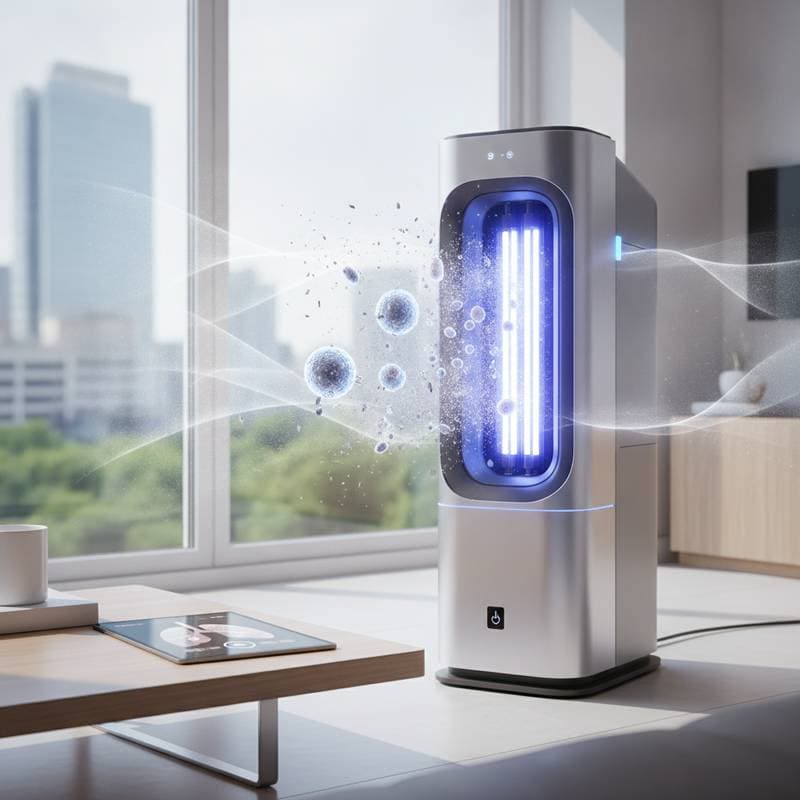
- Locate the Filter Slot: Access the return air grille or compartment, often near the furnace or air handler.
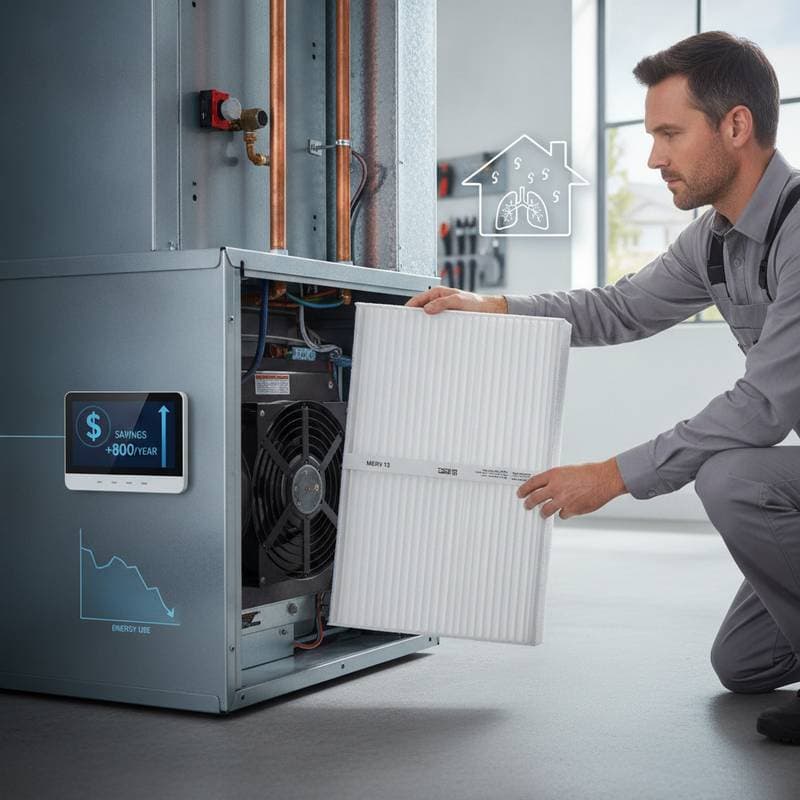
- Remove the Old Filter: Slide out the used filter and note the airflow direction arrows, which indicate proper orientation.
- Install the New Filter: Insert the new filter in the same orientation, ensuring a snug fit without gaps.
- Restart and Test: Turn the system back on and listen for any unusual airflow sounds.
- Set a Reminder: Establish a schedule for checking or replacing filters every three months.
Inspect filters monthly in high-pollen seasons or homes with pets. A clogged filter reduces efficiency and circulates more dust.
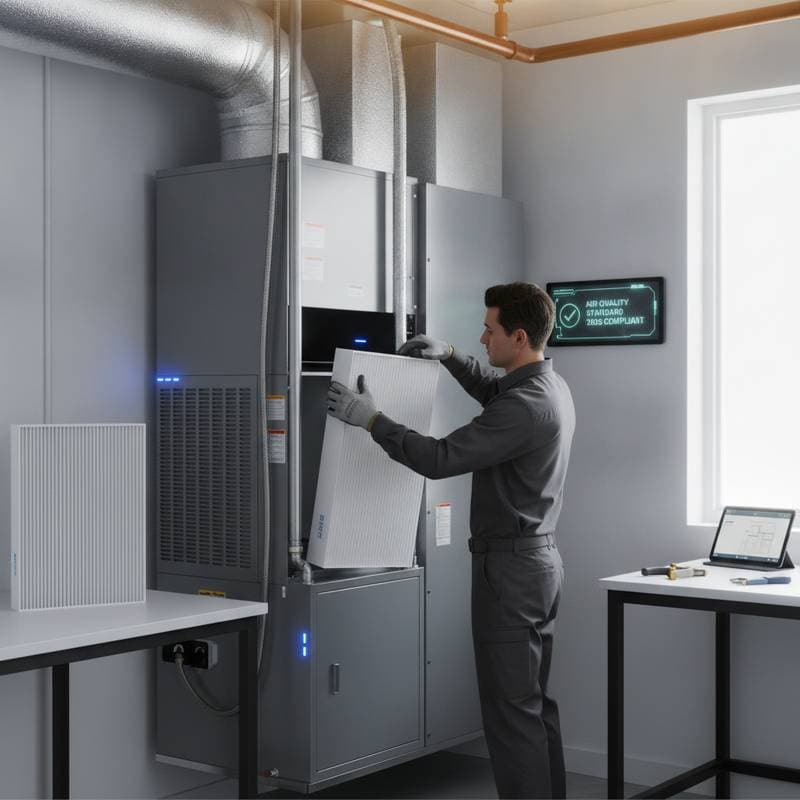
For HEPA integration, engage a professional HVAC technician to install a bypass or standalone unit. This configuration enhances filtration without compromising existing airflow dynamics.
Air Filter Labor Costs
Professional services ensure proper installation and system performance. Costs depend on the scope of work and local rates.
| Service Type | Average Labor Cost |
|---|---|
| Basic Filter Replacement | $50 - $150 |
| HVAC System Inspection and Filter Upgrade | $150 - $300 |
| HEPA Bypass System Installation | $600 - $1,200 |
| Whole-Home Air Purifier Installation | $1,000 - $2,500 |
Homeowners handle MERV 13 replacements independently in most cases. Professionals manage HEPA setups to optimize ductwork and prevent motor strain.
Frequently Asked Questions About MERV 13 and HEPA Filters
How do MERV ratings work?
MERV ratings range from 1 to 16 and measure a filter's ability to trap airborne particles. Higher numbers indicate capture of smaller particles. Residential filters between MERV 8 and 13 balance efficiency and airflow for most homes.
Can I replace my current filter with a MERV 13 filter?
Yes, in most cases. Consult your system's manual or an HVAC technician to verify compatibility with the increased airflow resistance. Modern systems accommodate MERV 13 without issue.
Is a HEPA filter better for allergies?
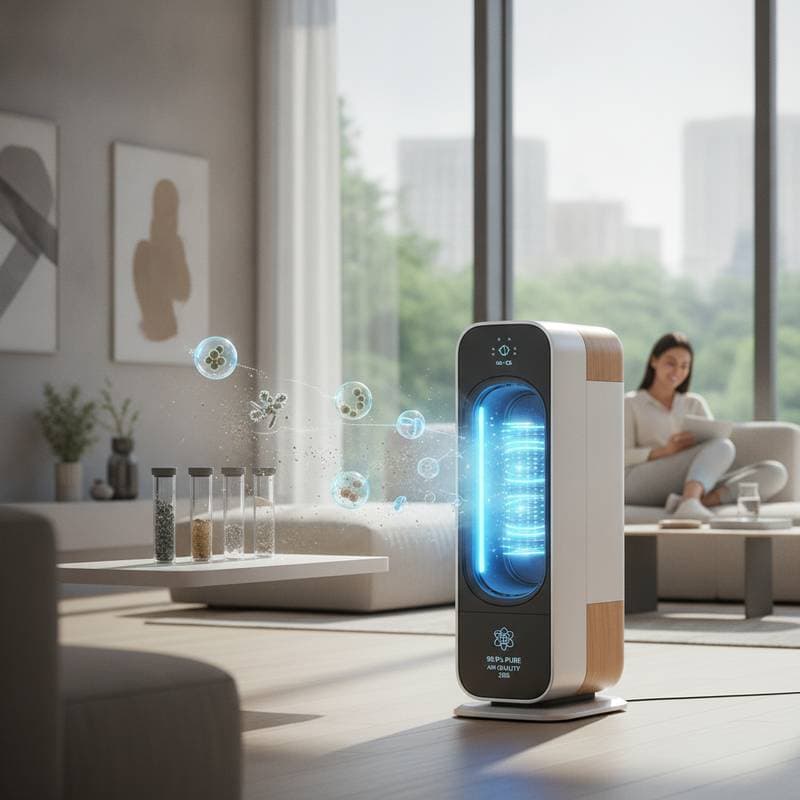
HEPA filters capture more allergens than MERV 13 filters. They suit portable purifiers for targeted relief. For whole-home coverage, MERV 13 proves more practical and cost-effective.
Will a HEPA filter damage my HVAC system?
Direct installation into a standard system restricts airflow and overworks the blower motor. Use a bypass system or separate purifier for safe HEPA filtration.
How often should I replace my air filter?
MERV 13 filters require replacement every three to six months. HEPA filters endure six to twelve months, based on air quality and usage. Follow manufacturer guidelines for your model.
Do MERV 13 filters remove viruses?
MERV 13 filters capture many airborne particles that carry viruses. They do not eliminate all threats. Pair with a portable HEPA purifier for comprehensive protection.
Can I use both MERV 13 and HEPA filters together?
Yes, combine them for layered defense. Install MERV 13 in the central HVAC for broad coverage and add HEPA units in bedrooms or living areas for intensified filtration.
Steps to Achieve Optimal Indoor Air Quality
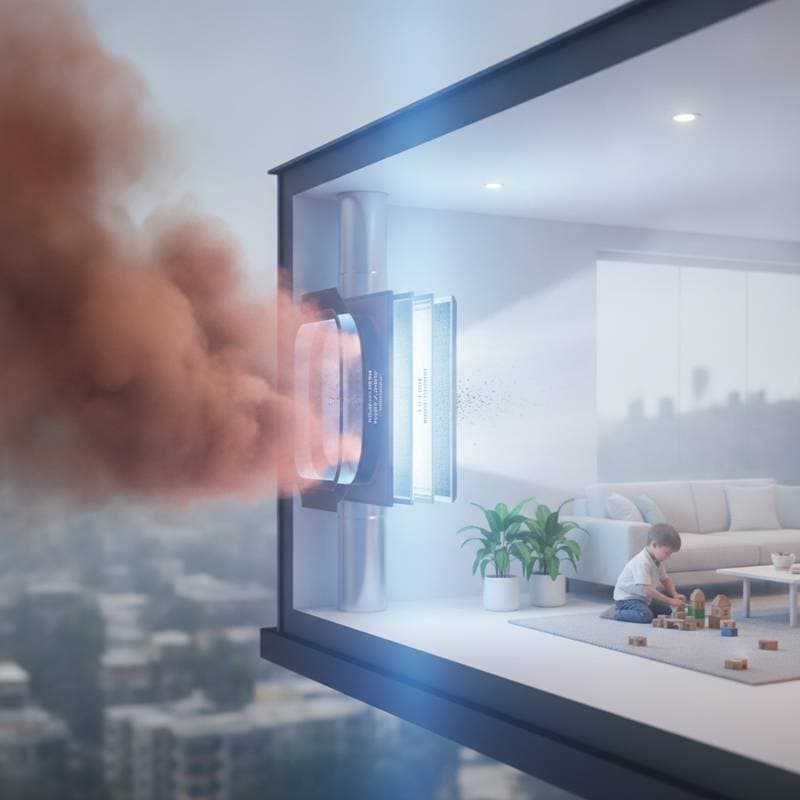
Start with a professional HVAC inspection to assess filter compatibility. Upgrade to MERV 13 if your system supports it, and consider HEPA supplements for high-risk zones.
Maintain filters diligently to sustain benefits. Cleaner air alleviates allergy symptoms, enhances sleep, and safeguards health throughout the year.