Cut Cooling Costs by 35 Percent with Whole-Home Dehumidifiers
Summer cooling bills often rise sharply for many households. A whole-home dehumidifier offers a solution by controlling humidity levels, which can reduce those costs by up to 35 percent. High humidity creates a sensation of greater warmth, compelling the air conditioner to operate longer and consume more energy. Effective moisture management allows the air conditioner to function with greater efficiency, maintaining comfort while minimizing energy demands.
This guide details the impact of humidity on cooling efficiency, the operation of whole-home dehumidifiers, and their role in reducing summer energy expenses.
| Item | Energy Savings Potential |
|---|---|
| Average Cooling Cost Reduction | Up to 35 Percent |
| Typical Home Energy Savings | 10 Percent to 25 Percent Overall |
| Ideal Indoor Humidity Range | 40 Percent to 50 Percent |
| Average Whole-Home Dehumidifier Cost | $1,200 to $2,800 Installed |
Understanding Humidity's Impact on Cooling Expenses
Humidity refers to the moisture content in the air. When levels exceed 55 percent indoors, the environment feels oppressive and uncomfortable. This condition prompts increased perspiration that evaporates slowly, heightening the perception of heat despite moderate temperatures.
Air conditioners extract some moisture during operation, yet their primary function centers on temperature reduction rather than dehumidification. Elevated humidity extends the runtime needed for comfort, accelerating equipment wear and elevating energy use.
Effective humidity control enables thermostat adjustments upward by several degrees without sacrificing comfort, yielding immediate reductions in energy consumption.
Costs Associated with Whole-Home Dehumidifiers
Pricing for whole-home dehumidifiers depends on factors such as unit size, moisture removal capacity, and integration approach.
| Type | Average Installed Cost |
|---|---|
| Basic Whole-Home Unit | $1,200 to $1,800 |
| Mid-Range Energy-Efficient Model | $1,800 to $2,400 |
| High-Capacity or Smart-Control System | $2,400 to $2,800 |
Portable units present lower initial expenses but limit coverage to individual rooms and demand regular manual draining. In contrast, whole-home systems integrate with HVAC infrastructure or ductwork, providing automated, uniform humidity regulation throughout the residence.
Factors Influencing Whole-Home Dehumidifier Pricing
Capacity of the Unit
Capacity, expressed in pints of moisture removed per day, dictates the unit's effectiveness. Homes with greater square footage or persistent high humidity necessitate higher-capacity models. These options carry higher costs yet promote superior long-term energy savings through comprehensive moisture control.
HVAC System Integration
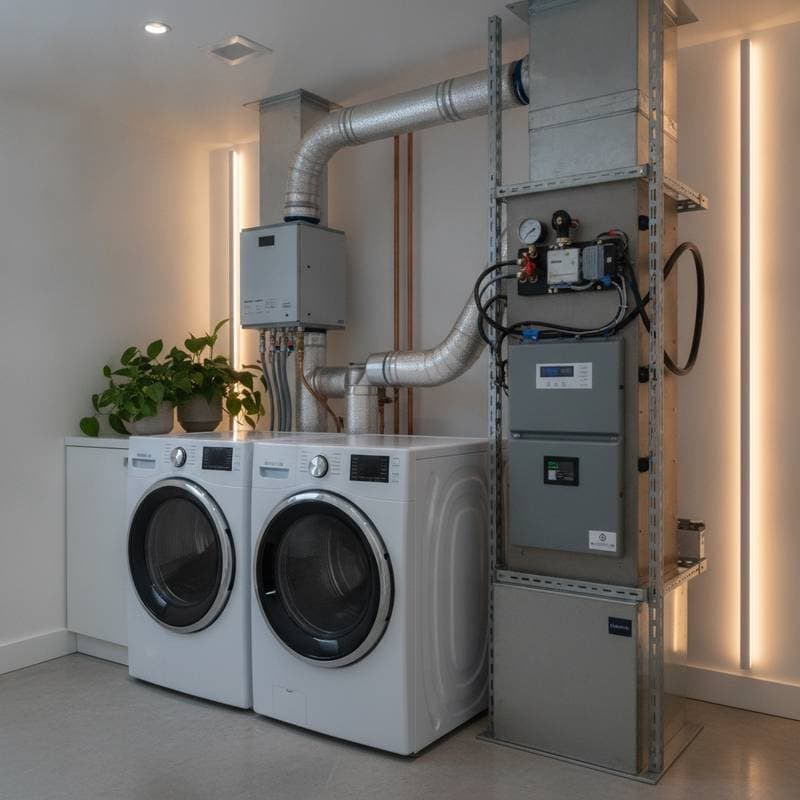
Units linked directly to existing ductwork incur elevated installation fees but ensure effortless, synchronized operation with the air conditioner. This setup automates humidity adjustment, enhancing overall system performance without user intervention.
Energy Efficiency Ratings
Select models certified by Energy Star, which demonstrate up to 15 percent greater energy conservation than conventional alternatives. These units optimize power usage while delivering reliable dehumidification, amplifying return on investment.
Installation Demands
Complexities arise in homes with constrained mechanical spaces or outdated duct systems, potentially extending labor time and increasing expenses. Professional assessment beforehand helps identify and mitigate such challenges.
Categories of Whole-Home Dehumidifiers
Two primary categories exist, each suited to distinct installation scenarios and household needs.
Integrated Whole-Home Dehumidifiers
These systems connect seamlessly to the HVAC framework, utilizing shared ductwork and control mechanisms.
Advantages:
- Automatic functionality with no manual oversight
- Uniform humidity distribution across all areas
- Reduced upkeep requirements
Disadvantages:
- Elevated initial investment
- Necessitates skilled professional setup
Standalone Whole-Home Dehumidifiers
Independent units position in locations like basements or crawl spaces, operating without direct HVAC ties.
Advantages:
- Focuses dehumidification on moisture-prone zones
- Simplifies adaptation to older or non-standard homes
Disadvantages:
- Potential inconsistencies in larger spaces
- Demands separate monitoring and adjustments
Indicators of Excessive Indoor Humidity
Determine the necessity of improved humidity management by observing these symptoms:
- Persistent muggy sensations despite active air conditioning
- Interior window condensation buildup
- Emergence of musty smells or mold growth
- Warping in wooden flooring or furnishings
- Sharp increases in energy bills during humid seasons
- Heightened allergy or breathing issues among occupants
Such signs suggest that excess moisture overburdens the cooling system, warranting intervention for efficiency and health.
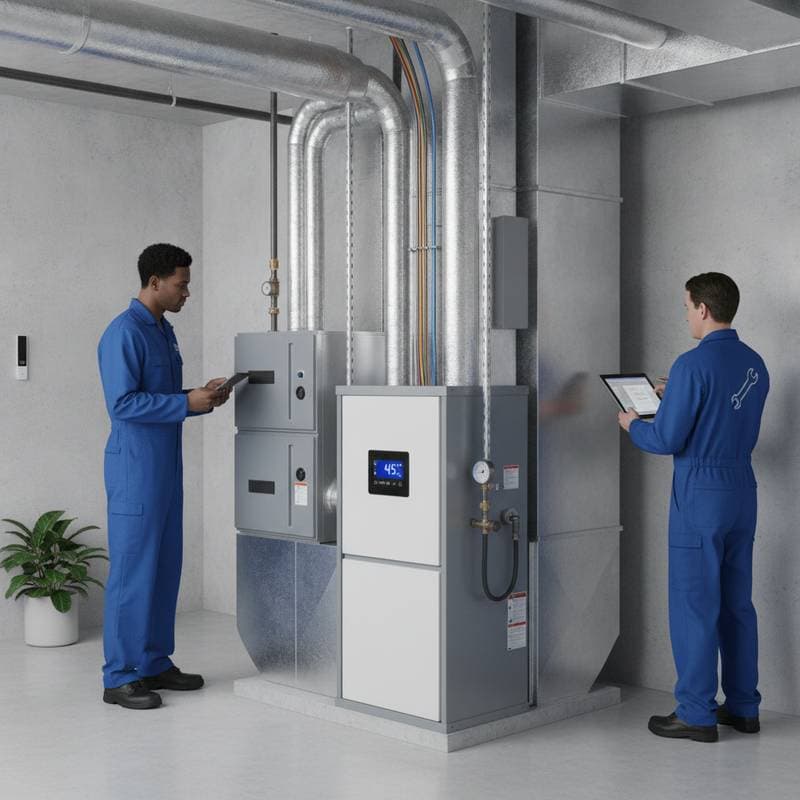
Steps in Whole-Home Dehumidifier Installation
Professional installations generally span a few hours and adhere to a structured sequence:
- Initial Evaluation: Technicians inspect home dimensions, current HVAC configuration, and baseline humidity readings to inform recommendations.
- Capacity Determination: Selection matches the unit's moisture-handling ability to the property's specific environmental demands.
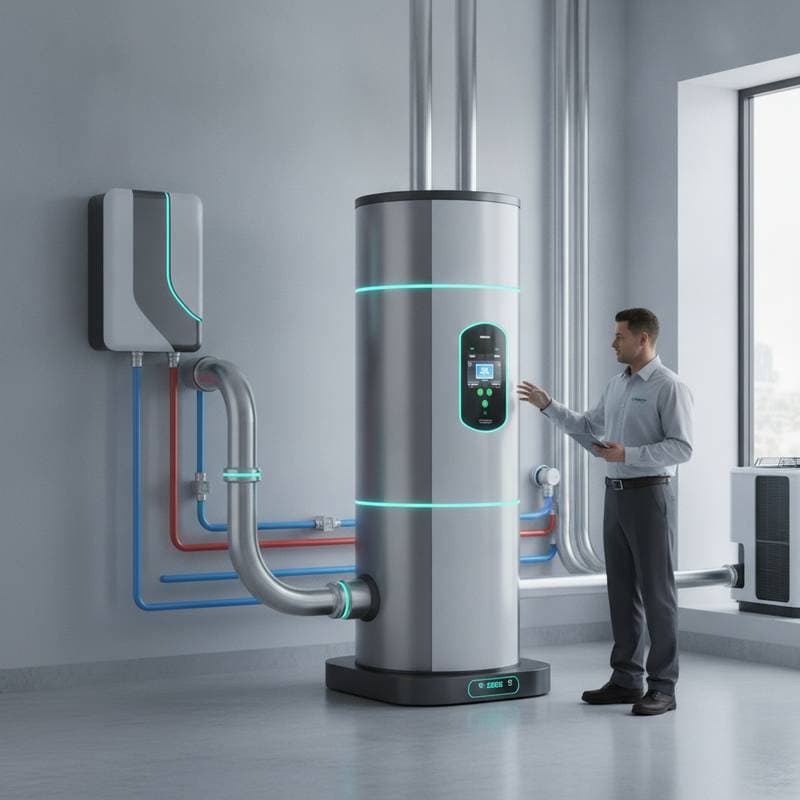
- System Connection: Integration occurs via ductwork for combined operation or as an independent setup.
- Drainage Configuration: Installation of a dedicated line facilitates automatic water expulsion, preventing manual intervention.
- Performance Verification: Comprehensive testing confirms optimal airflow, moisture extraction, and humidity stabilization.
- Ongoing Care Instructions: Guidance covers routine tasks like filter changes to sustain peak efficiency throughout the year.
Labor Expenses for Installation
Labor constitutes 25 percent to 40 percent of overall project costs. Anticipate fees ranging from $300 to $800, influenced by home configuration and ductwork intricacies. These investments secure precise placement and reliable long-term operation.
Common Questions on Whole-Home Dehumidifiers
What Savings Can Homeowners Expect on Cooling?
Effective humidity control typically yields 25 percent to 35 percent reductions in cooling expenses. Outcomes vary based on regional climate, home insulation, and thermostat habits, with many achieving noticeable bill decreases within the first season.
Does a Dehumidifier Serve as an Air Conditioner Substitute?
No, dehumidifiers target moisture removal exclusively and do not lower air temperature. They complement air conditioning by easing its workload, fostering greater comfort through balanced indoor conditions.
Can Dehumidifiers Alleviate Allergy Symptoms?
Yes, reduced humidity inhibits the proliferation of dust mites, mold spores, and bacteria. This fosters purer air quality, diminishing irritants and supporting respiratory health for sensitive individuals.
What Maintenance Schedule Applies?
Annual professional servicing aligns with HVAC tune-ups. Regular filter cleaning or replacement, performed monthly during peak use, ensures sustained performance and prevents efficiency losses.
Is Automatic Humidity Regulation Available?
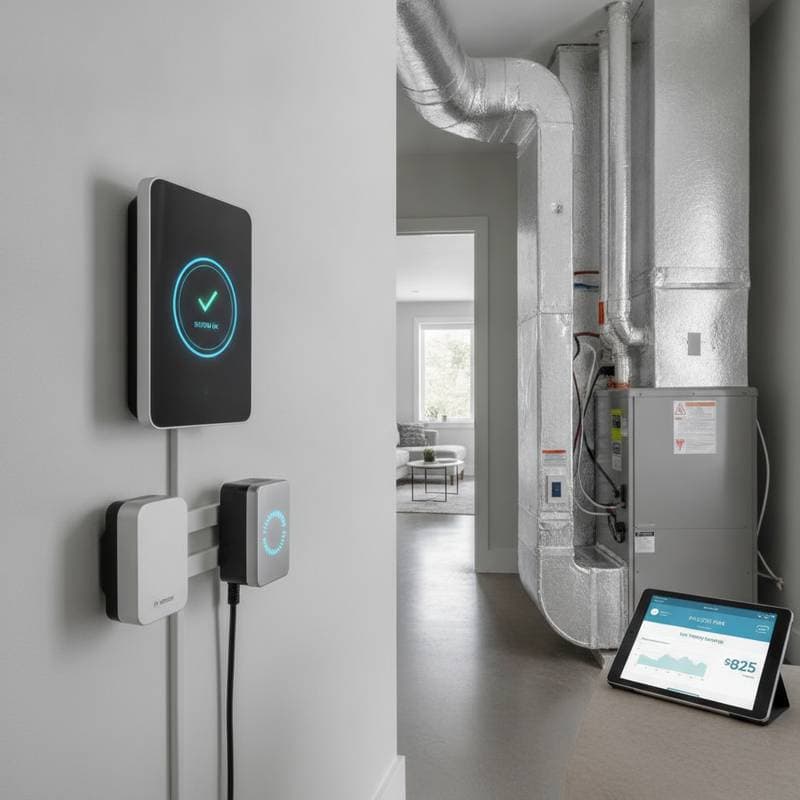
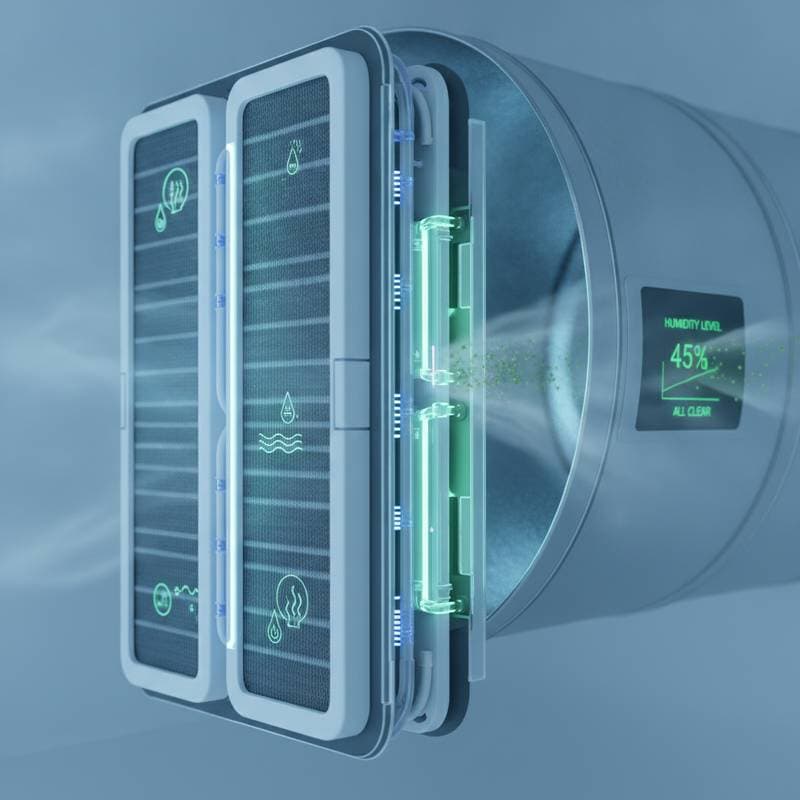
Modern units feature smart sensors that track levels and modulate activity to hold steady within the ideal 40 percent to 50 percent range. Remote app integration allows customized settings for personalized control.
Steps to Achieve Energy Savings Through Humidity Management
Begin by measuring current indoor humidity with a reliable hygrometer, targeting the 40 percent to 50 percent sweet spot for comfort and efficiency. Consult a certified HVAC specialist for a tailored assessment, exploring integrated or standalone options based on your home's layout. With installation complete, monitor bills and adjust thermostat settings gradually to maximize the 35 percent cooling cost reduction potential. This approach not only trims expenses but also extends equipment life and improves indoor air quality for year-round benefits.