
Unlocking Up to $1,800 in 2026 Heat Pump Water Heater Rebates
Homeowners seeking to reduce energy bills and enhance home efficiency should consider upgrading to a heat pump water heater. Federal and state rebate programs now provide up to $1,800 toward the purchase and installation of these systems. This guide explains the rebates, their benefits, and the steps required to claim them effectively.
Understanding Heat Pump Water Heaters
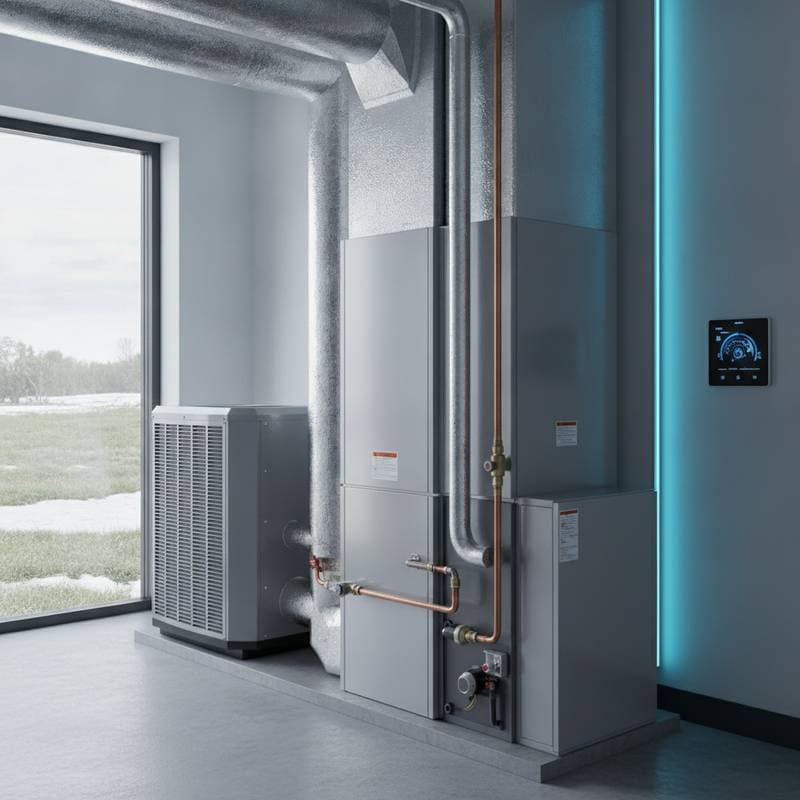
A heat pump water heater operates by transferring heat from the surrounding air into the storage tank, rather than generating heat directly. This method employs electricity to power a compressor and refrigerant coils, which extract ambient warmth efficiently. Compared to conventional electric resistance heaters or gas models, heat pump systems consume significantly less energy, often reducing water heating expenses by 50 percent or greater.
These units deliver consistent hot water while minimizing environmental impact through lower electricity usage and reduced emissions. Homeowners appreciate the reliability and long-term cost savings associated with this technology.
Reasons for Rebate Incentives
Government and utility programs promote heat pump water heaters to advance cleaner energy practices and decrease overall electricity demand. These initiatives address the initial investment barrier, enabling more households to adopt efficient appliances without financial strain.
Rebates up to $1,800 directly lower installation expenses, with amounts varying based on income level, system specifications, and geographic location. Additional incentives may apply for low-income families or when replacing outdated, high-energy units, further enhancing accessibility.
Indicators That Replacement Is Necessary
Determine if your current water heater requires replacement by monitoring these common issues:
- The unit exceeds 10 years of service
- Water temperature fluctuates or heating occurs slowly
- Leaks, rust, or corrosion appear around the tank
- Unusual popping or rumbling sounds emanate from the system
- Energy bills rise unexpectedly despite stable usage patterns
Such signs indicate declining performance and potential failure. Proactive replacement with a heat pump model avoids disruptions and aligns with rebate opportunities.
Elements Influencing Heat Pump Water Heater Expenses
Several considerations shape the overall cost and prospective savings of a heat pump installation:
-
Capacity and Size: Larger tanks suit bigger households but increase upfront costs while ensuring ample hot water supply.
-
Efficiency Specifications: Units with superior energy factor ratings demand higher initial prices yet yield greater monthly savings.
-
Placement Requirements: Optimal sites like basements or garages provide necessary airflow; constrained spaces may require modifications.
-
Installation Fees: Regional labor rates and project complexity affect professional charges.
-
Rebate Qualifications: Eligibility hinges on income, equipment compliance, and adherence to program criteria, potentially offsetting 30 to 50 percent of costs.
Typical pre-rebate installation ranges from $1,500 to $3,500. Applying rebates makes the upgrade financially viable for most budgets.
Qualification Criteria for the $1,800 Rebate
Eligibility requires selecting an ENERGY STAR-certified heat pump water heater that satisfies federal efficiency standards. Engage a certified contractor to handle installation and documentation, ensuring compliance.
Follow these steps to secure the rebate:
-
Verify Personal Eligibility: Consult your utility provider or program website to assess income and location qualifications.
-
Choose Compliant Equipment: Select models listed as ENERGY STAR qualified with the requisite uniform energy factor.
-
Engage a Certified Installer: Professionals verify sizing, perform safe connections, and confirm rebate adherence.
-
Complete the Application: Submit proof of purchase, installation certificates, and system details online or via mail, often with contractor assistance.
-
Await Processing: Approved claims result in reimbursement through check or direct deposit, typically within 4 to 8 weeks.
Professional Installation Versus DIY Attempts
Although some individuals possess plumbing skills, heat pump water heaters involve complex electrical wiring, refrigerant handling, and ventilation needs. DIY efforts risk inefficiencies, leaks, or safety violations, potentially voiding warranties and rebate approvals.
Professionals ensure precise sizing, code compliance, and optimal performance. Licensed HVAC or plumbing experts safeguard your investment and facilitate rebate processing.
Detailed Installation Procedure
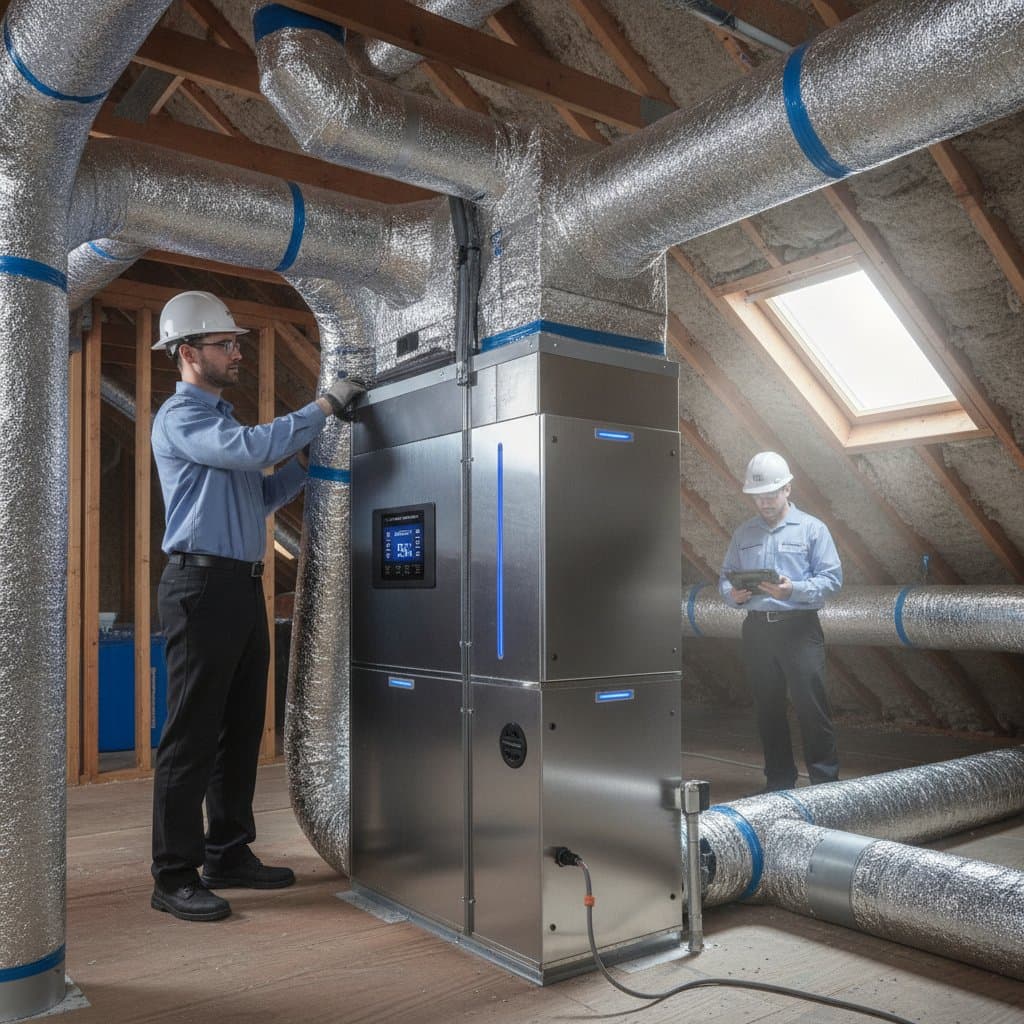
A qualified contractor follows a structured approach to install your heat pump water heater:
-
Site Assessment: Evaluate existing setup, space availability, and air circulation to confirm suitability.
-
Model Recommendation: Advise on units matching your hot water demands and rebate criteria.
-
Old Unit Removal: Disconnect and dispose of the previous heater responsibly.
-
System Integration: Connect the new unit to water lines, electrical supply, and ensure proper venting.
-
Performance Testing: Verify operation, efficiency, and leak-free seals.
-
Documentation Provision: Supply invoices, certifications, and forms essential for rebate submission.
This process typically spans one to two days, minimizing household disruption.
Common Inquiries
What Savings Can Homeowners Expect?
Heat pump water heaters often halve water heating costs relative to standard electric models. Savings vary by family size, usage habits, and local utility rates, with many recouping the investment within 5 to 7 years.
Is Installation Feasible in Compact Areas?
Effective operation demands sufficient air volume, ideally 700 cubic feet or more, found in basements, garages, or dedicated closets. Consult a professional for space adaptations if needed.
Securing Rebates and Enhancing Home Efficiency
Upgrading to a heat pump water heater combines immediate rebate benefits with sustained energy reductions and environmental gains. Contact a certified installer today to evaluate your home and initiate the process. This strategic investment yields reliable hot water, lower bills, and a greener footprint for years ahead.