- Enhances operational efficiency and reduces monthly energy expenses
- Minimizes the likelihood of unexpected system failures
- Prolongs the service life of HVAC components
- Elevates indoor air quality for healthier living spaces
Neglecting maintenance may appear economical in the short term, yet it often results in repairs or replacements costing $3,000 or more. Dedicated spring care maintains smooth operation throughout the seasons.
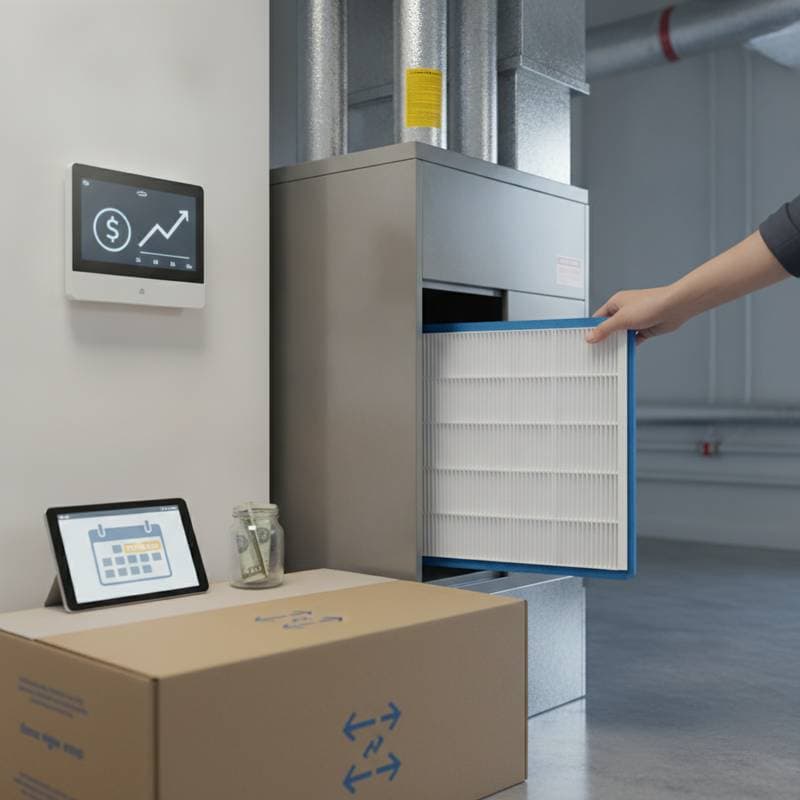
1. Replace or Clean Air Filters
Clogged filters impede airflow, compelling the system to operate under increased strain. This elevates energy consumption and accelerates wear on elements such as the blower motor and compressor. Contaminated filters rank among the primary reasons for diminished efficiency and overheating.
Steps to follow:
- Identify the filter location, typically adjacent to the return air duct or within the furnace enclosure.
- Assess its condition; replace if it appears gray or laden with dust.
- Select a filter matching the precise dimensions and MERV rating recommended for the system.
- For reusable filters, cleanse with mild soap and water, allow complete drying, and reinstall securely.
Perform this replacement every one to three months to sustain clean air and alleviate system stress. This straightforward procedure averts expensive malfunctions.
2. Clear Debris from the Outdoor Unit
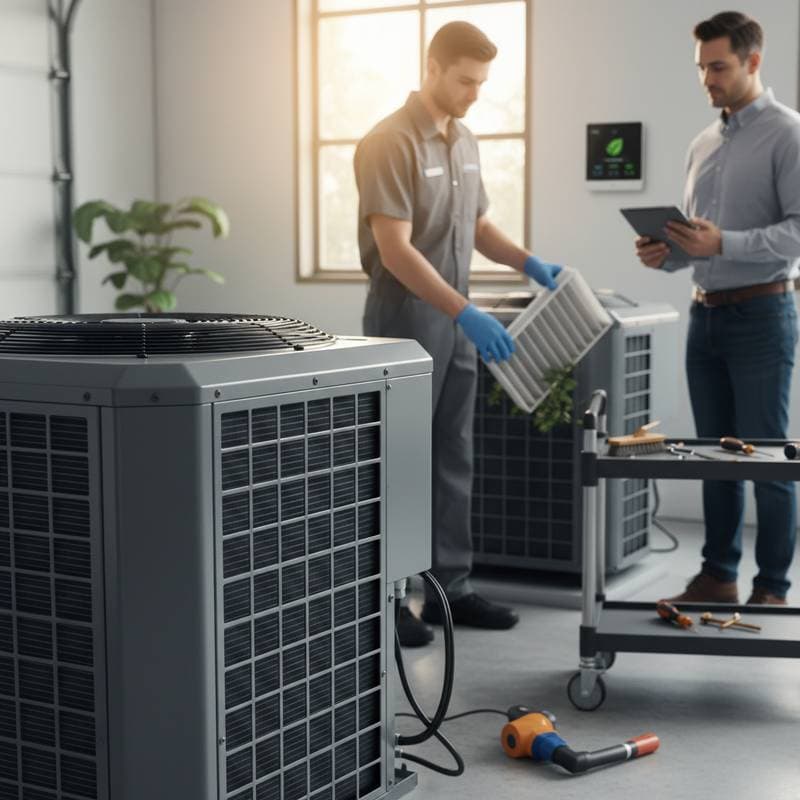
The outdoor condenser requires unobstructed airflow to dissipate heat effectively. Accumulated leaves, grass clippings, or soil can obstruct the fins, leading to overheating or automatic shutdowns.
Safe cleaning procedures:
- Disconnect power at the unit's switch prior to any work.
- Eliminate leaves, branches, or debris encircling the base.
- Prune adjacent vegetation to maintain at least two feet of clearance on every side.
- Rinse fin surfaces with a hose using low pressure; take care not to distort the fins.
Professional intervention becomes necessary for severe accumulations or fin damage. Maintaining clearance enables proper ventilation and thwarts compressor failures that could exceed $3,000.
3. Inspect and Clean Air Vents and Registers
Obstructed or soiled vents hinder airflow distribution, compelling the system to exert extra effort for uniform heating or cooling. Dust accumulation also compromises air quality and may exacerbate allergic responses.
Actions for better airflow:
- Inspect each room to confirm vents remain open and free of barriers.
- Vacuum vent grilles and nearby surfaces to dislodge dust.
- For pronounced discoloration or residue, detach covers and clean with a moist cloth.
Persistent temperature disparities across rooms may indicate duct leaks or imbalances. Engage a technician to evaluate duct integrity for energy-robbing leaks or obstructions.
4. Test the Thermostat
The thermostat governs HVAC operations; inaccurate calibration prompts excessive cycling or insufficient runtime. Malfunctioning units produce inconsistent temperatures and unnecessary energy loss.
Testing method:
- Switch to cooling mode and decrease the setpoint by several degrees.
- Observe system activation; if absent after a few minutes, verify batteries or power supply.
- Cross-check the displayed temperature against a separate indoor thermometer; significant variances suggest recalibration or substitution.
Upgrading from legacy models to programmable or smart thermostats enables automated scheduling, conserving energy during absences.
5. Examine Ductwork for Leaks
Leaking ducts squander up to 30 percent of treated air, extending runtime to achieve target temperatures. This added burden hastens deterioration of the blower or compressor.
Home inspection steps:
- Search for evident fissures, unsecured joints, or deteriorating sealant.
- Detect escaping air from seams during system operation by touch.
- Apply HVAC-specific foil tape or mastic sealant to minor breaches as a provisional fix.
Professionals conduct pressure tests for concealed or widespread issues, sealing them to reinstate peak performance.
6. Arrange a Professional Spring Tune-Up
Homeowners manage routine tasks, but expert tune-ups uncover subtle wear invisible to untrained eyes. Certified technicians employ specialized equipment to diagnose emerging faults.
Typical tune-up components:
- Refrigerant level verification and leak detection
- Electrical connection assessment for corrosion or instability
- Blower motor and thermostat functionality tests
- Evaporator and condenser coil cleansing
- Lubrication of mechanical elements to mitigate friction
- Overall performance and safety evaluations
Such services prove far more affordable than extensive repairs, guaranteeing safety, efficiency, and seasonal preparedness.
7. Maintain the Condensate Drain Line
Air conditioners extract humidity from indoor air, channeling it via a dedicated pipe. Clogs from algae or sediment provoke backups, resulting in leaks near the unit.
Clearing procedures:
- Find the drain line, often a PVC conduit beside the indoor unit.
- Flush with a blend of warm water and vinegar to dissolve deposits.
- Employ a wet-dry vacuum at the exterior outlet if flow remains impeded.
Blockages risk floor damage, insulation harm, and mold proliferation. Routine clearing upholds repair prevention and air purity.
8. Monitor for Unusual Noises or Odors
Aberrant sounds or scents signal internal irregularities within the HVAC framework. Prompt identification averts escalations into major expenditures.
Indicators to watch:
- Grinding or squealing from the blower assembly
- Rattling or banging due to unsecured components or foreign matter
- Musty or acrid aromas upon startup
- Escalated noise levels or vibrations
Deactivate the system upon detection and summon a specialist. Persistent operation amplifies harm; early diagnostics forestall total breakdowns.
Distinguishing DIY Tasks from Professional Services
Certain upkeep suits homeowner capabilities, whereas others demand certified proficiency to sidestep hazards and errors.
Homeowner-Friendly Tasks
- Air filter replacement or cleaning
- Outdoor unit debris removal
- Vent and register inspection and cleaning
- Thermostat functionality testing
- Condensate drain flushing
Professional-Only Responsibilities
- Refrigerant management or electrical handling
- Internal component inspection or substitution
- Advanced duct sealing or cleaning
- Chemical-based coil treatments
- Comprehensive airflow and pressure assessments
High-voltage elements and pressurized refrigerants pose risks without expertise. Consult a licensed technician for uncertainties, prioritizing safety.
Determinants of HVAC Repair Expenses
Repair pricing hinges on multiple elements; comprehension aids in prudent choices and expense anticipation.
Influential factors:
- System configuration – Central, heat pump, or integrated units vary in parts and labor.
- Component sourcing – Legacy systems may necessitate custom orders.
- Damage scope – Simple capacitor swaps cost hundreds, while compressor or coil issues surpass thousands.
- Service rates – Influenced by technician qualifications, regional norms, and urgency.
- Unit age and rating – Inefficient older models often warrant replacement over repair for long-term savings.
Obtain a thorough professional assessment to weigh repair versus replacement options, securing itemized quotes prior to commitment.
Frequently Asked Questions
How frequently should HVAC maintenance occur?
Systems perform optimally with biannual servicing, aligned with cooling and heating transitions. This regimen preserves cleanliness, efficiency, and adaptability to seasonal demands.
Is professional maintenance dispensable if the system operates normally?
Appearances deceive; concealed issues like refrigerant deficits or component fatigue precipitate abrupt failures. Yearly checks reveal these proactively, curbing amplified costs.
When does an HVAC system require replacement?
Frequent interventions, auditory anomalies, or temperature maintenance difficulties signal lifecycle conclusion. Technicians assess viability to guide cost-effective resolutions.
What thermostat setting suits spring conditions?
Aim for 72 to 76 degrees Fahrenheit indoors for comfort. Elevate settings during absences to optimize energy use; smart devices facilitate seamless adjustments.
Does annual duct cleaning prove essential?
Clean only upon evidence of vent dust, odors, or mold. Standard filter upkeep and inspections suffice otherwise.
Sustaining HVAC Reliability Through Proactive Spring Care
Spring initiatives like filter swaps, debris management, and expert evaluations mitigate wear, stabilize utility costs, and secure comfort. These measures transcend mere convenience, preserving investments and tranquility.
Address any complexities beyond routine upkeep with a skilled technician to neutralize potential crises efficiently.