How Bi-Annual HVAC Filter Changes Shorten System Life by Five Years
Homeowners who replace HVAC filters only twice a year may unknowingly accelerate wear on their systems. Recent insights from HVAC experts indicate that this practice can reduce equipment lifespan by up to five years. This article explains the risks of infrequent filter changes, their impact on system performance, and practical steps to safeguard your heating and cooling investment.
Understanding HVAC Filters and Their Role
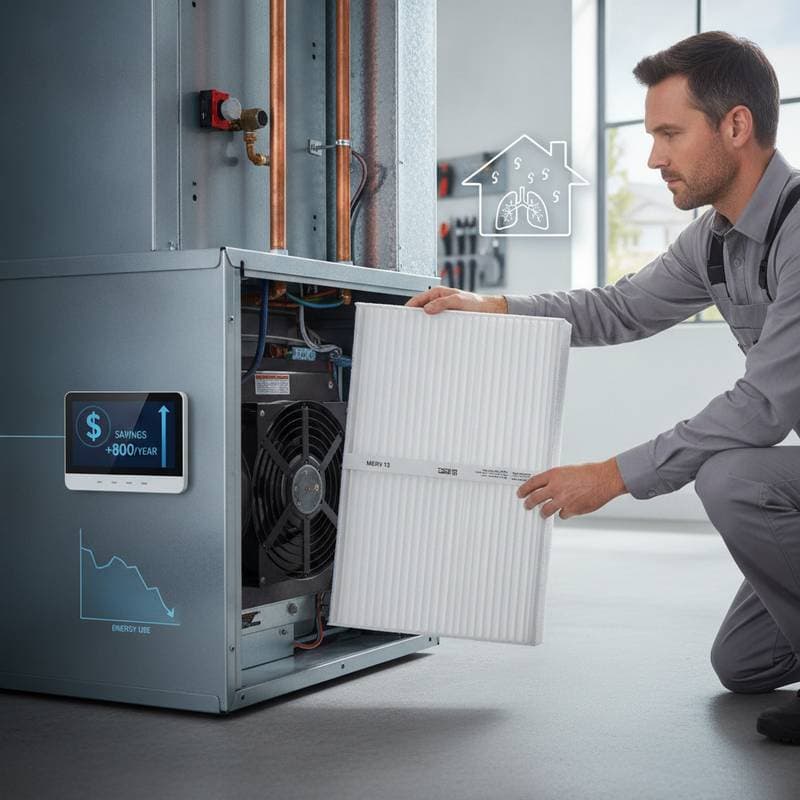
An HVAC filter serves as the primary barrier against dust, dirt, pollen, and other airborne particles. It captures these contaminants before they reach the blower motor or enter the ductwork, thereby maintaining clean air and optimal equipment operation. As debris accumulates, the filter clogs, restricting airflow and compelling the system to exert more effort to regulate indoor temperatures.
This added stress results in elevated energy consumption, inconsistent heating or cooling, and accelerated deterioration of essential parts like the blower motor, compressor, and heat exchanger. Regular filter maintenance preserves these components, enhances indoor air quality, and extends the overall durability of the HVAC unit.
The Limitations of Bi-Annual Filter Replacements
In the past, changing filters every six months sufficed for less efficient homes and simpler HVAC designs. Contemporary high-efficiency systems demand consistent airflow to achieve peak performance. A partially obstructed filter disrupts this airflow, even if the restriction appears minor.
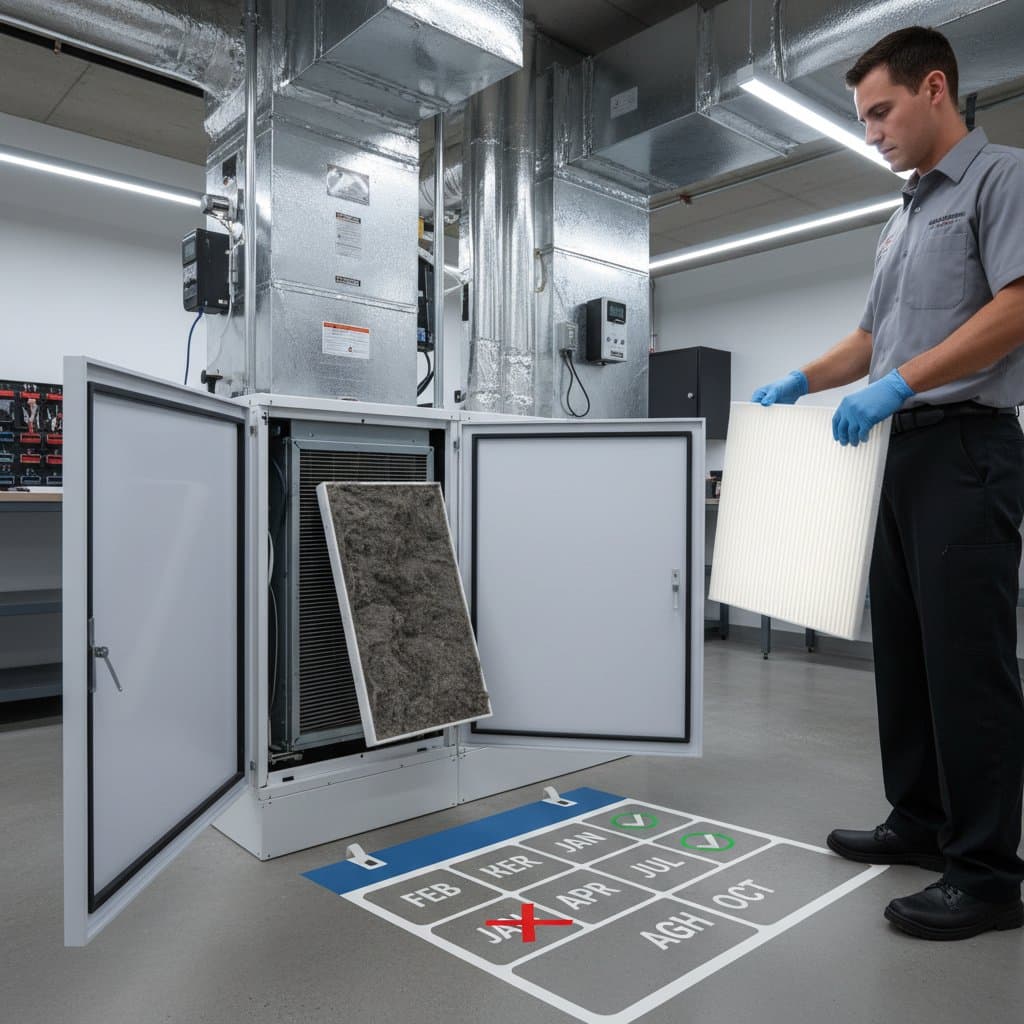
Experts recommend replacing filters every one to three months in most households, adjusted for specific conditions. Delaying changes for six months leads to prolonged periods of impeded air movement, elevated system pressure, and excessive internal dust accumulation. These factors compound over time, causing substantial harm to the equipment.
Impacts of Restricted Airflow on System Components
A clogged filter forces the HVAC unit to operate extended cycles to attain desired temperatures. This extended operation contributes to several problems:
- Overheating or freezing of coils, which may result in cracks or refrigerant leaks.
- Strain on the blower motor, leading to premature failure of bearings and belts.
- Excessive pressure in refrigerant lines, hastening compressor breakdown.
- Buildup of dust within ducts and on delicate parts.
Such conditions diminish efficiency and can truncate system longevity by five years compared to well-maintained units.
Indicators That Your Filter Requires Immediate Replacement
Your home provides clear signals when the filter needs attention, regardless of your replacement schedule. Pay attention to these symptoms:
- Variations in temperature across different rooms.
- Increases in utility bills despite stable usage patterns.
- Greater dust accumulation on surfaces and vents.
- Reduced airflow from supply registers.
- Musty or stagnant smells during system operation.
- Frequent on-off cycling of the unit.
Upon observing these signs, install a new filter without delay and arrange for a professional HVAC assessment to identify any existing damage.
Factors Influencing Filter Replacement Frequency
No universal timeline applies to all residences; frequency varies based on household and environmental variables.
- Filter Type and Quality: Pleated or high-MERV filters trap finer particles but saturate more quickly. Consult manufacturer guidelines for optimal intervals.
- Home Size and Occupancy Levels: Larger spaces or homes with multiple residents generate higher dust volumes and air circulation, accelerating filter clogging.
- Presence of Pets or Allergens: Fur, dander, and allergens demand monthly replacements to sustain air purity.
- Air Quality Goals: Supplementary purifiers may allow slightly longer intervals, but conduct monthly visual checks.
- Local Environment: High dust, humidity, construction activity, or gravel roads increase contaminant loads, necessitating more frequent changes.
Financial Implications of Infrequent Filter Changes
Many skip routine replacements to cut minor expenses, yet the repercussions prove far costlier. A dirty filter raises energy demands by as much as 15 percent, translating to hundreds of dollars in added utility expenses across seasons.
Beyond efficiency losses, neglected filters precipitate major repairs. The expense of a new blower motor or compressor dwarfs the cost of filters. Ultimately, chronic strain from poor airflow shortens system life by five years, potentially requiring premature full replacement.
Performing Filter Changes: DIY or Professional Assistance
Filter replacement ranks among the easiest HVAC maintenance tasks, though certain scenarios warrant expert intervention.
Steps for Safe DIY Replacement
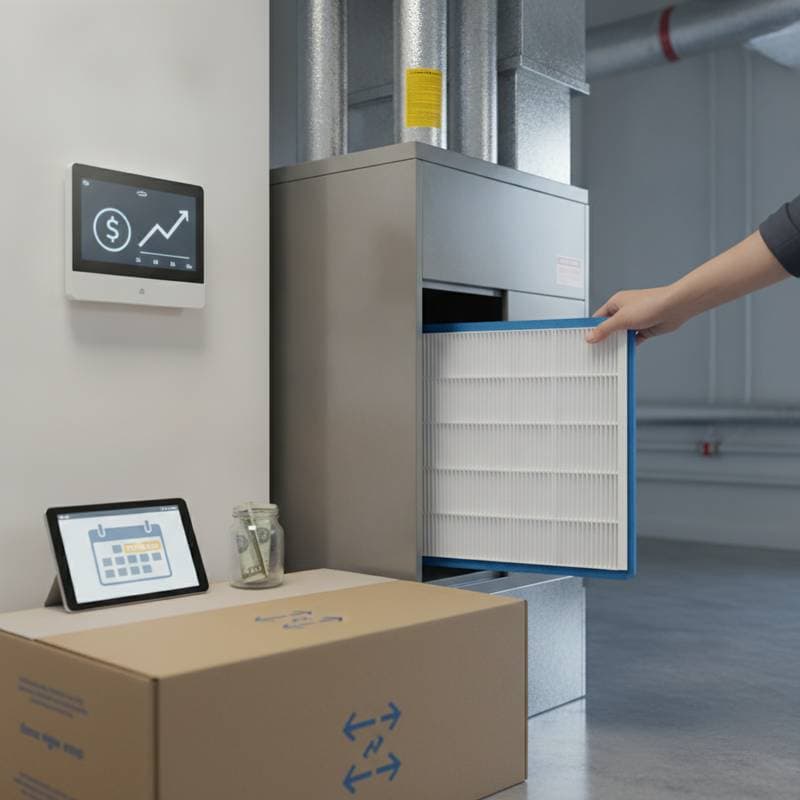
- Power down the HVAC system prior to handling the filter.
- Note the dimensions on the existing filter frame and select a matching size.
- Orient the new filter correctly, aligning with airflow direction arrows.
- Record the installation date on the frame for future reference.
- Examine the filter monthly for dirt levels and replace accordingly.
Situations Requiring Professional Help
Seek a technician if the filter location is unclear, access proves challenging, or the system features multiple or specialized filters. Professionals also address potential damage from prior restrictions, such as odd noises or irregular cycling.
Technicians inspect for duct leaks, pressure irregularities, and blower compartment debris. Routine service encompasses filter assessment, coil cleaning, and airflow verification, all contributing to prolonged system reliability.
Details of a Comprehensive Professional Tune-Up
A scheduled HVAC maintenance visit involves thorough evaluation exceeding basic filter swaps. Technicians follow a structured process:
- Initial System Review: They scrutinize the blower, motor, coils, and electrical elements for cleanliness and stability.
- Airflow Assessment: Measurements ensure adequate air volume suits the home's layout and size.
- Filter Analysis: Evaluation covers type, installation, and condition; upgrades may be suggested to optimize flow.
- Thorough Cleaning and Lubrication: Removal of residue from coils, fans, and components, plus lubrication of motors and bearings to minimize wear.
- Operational Verification: Full system testing confirms proper temperature differentials and efficiency.
This proactive approach detects issues early, averting expensive fixes and promoting extended service life.
Frequently Asked Questions
What Is the Recommended Frequency for HVAC Filter Replacement?
Replace filters every one to three months in typical homes. Households with pets, tobacco use, or allergies often require monthly changes. Perform monthly inspections to assess dirt accumulation rather than adhering rigidly to a calendar.
Does a Dirty Filter Truly Reduce HVAC Lifespan by Five Years?
Indeed, restricted airflow imposes undue stress and heat on vital parts. This accelerates degradation of motors, compressors, and heat exchangers beyond standard wear.
Do Higher-Cost Filters Justify Their Price?
Advanced filters enhance air quality by capturing minuscule particles, but frequent replacement is essential to avoid flow restrictions. Select based on household requirements and maintain a diligent schedule.
What Occurs If Filter Changes Are Overlooked for Months?
Anticipate discomfort, surging energy costs, and risk of component damage. Promptly install a new filter and pursue a professional evaluation if neglect has persisted.
Strategies for Consistent Filter Maintenance
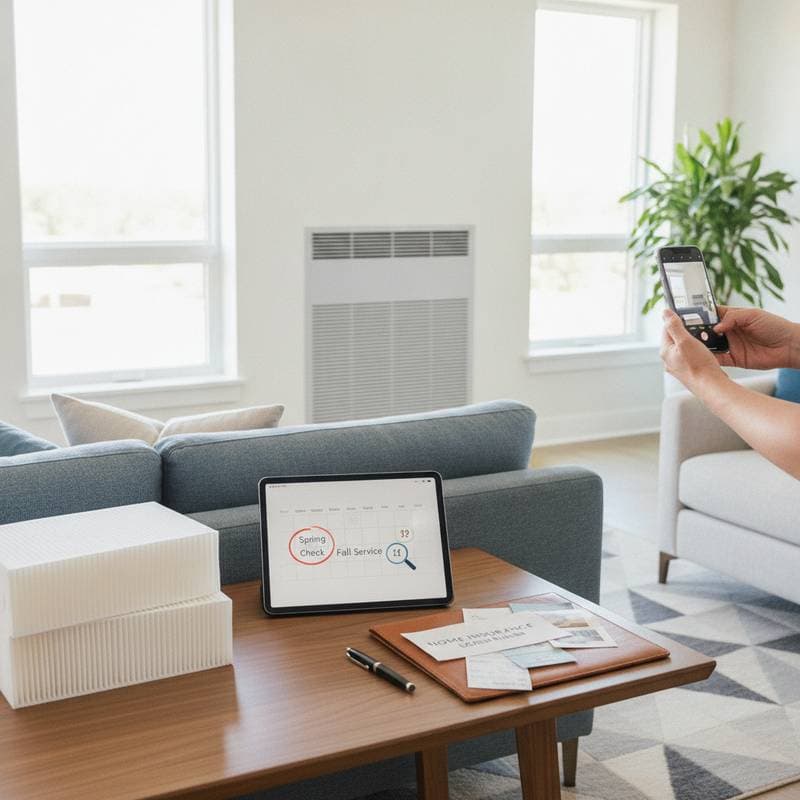
Utilize phone alerts, calendar entries, or subscription services for replacements. Certain smart thermostats provide notifications for timely changes.
Steps to Extend Your HVAC System's Durability
Routine filter care offers a straightforward, economical method to prolong HVAC performance. Clean filters alleviate operational stress, control energy expenses, and foster a healthful indoor setting. Transition from bi-annual habits by inspecting monthly and replacing upon visible soiling.
Address emerging issues like diminished airflow, escalating bills, or erratic operation with a technician visit. Experts clean interiors, evaluate efficiency, and devise tailored maintenance plans. Implement these practices to add years to your system's service and avoid unexpected expenses.
Sustained attention to filters ensures reliable comfort and efficiency throughout the equipment's lifespan.