How Predictive HVAC Apps Reduce System Failures by 52%
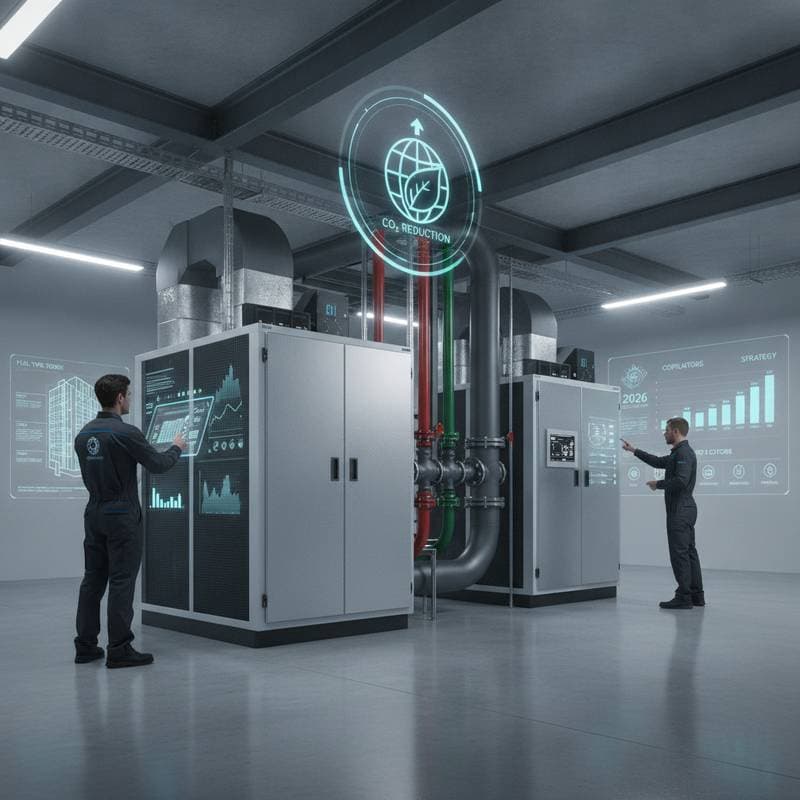
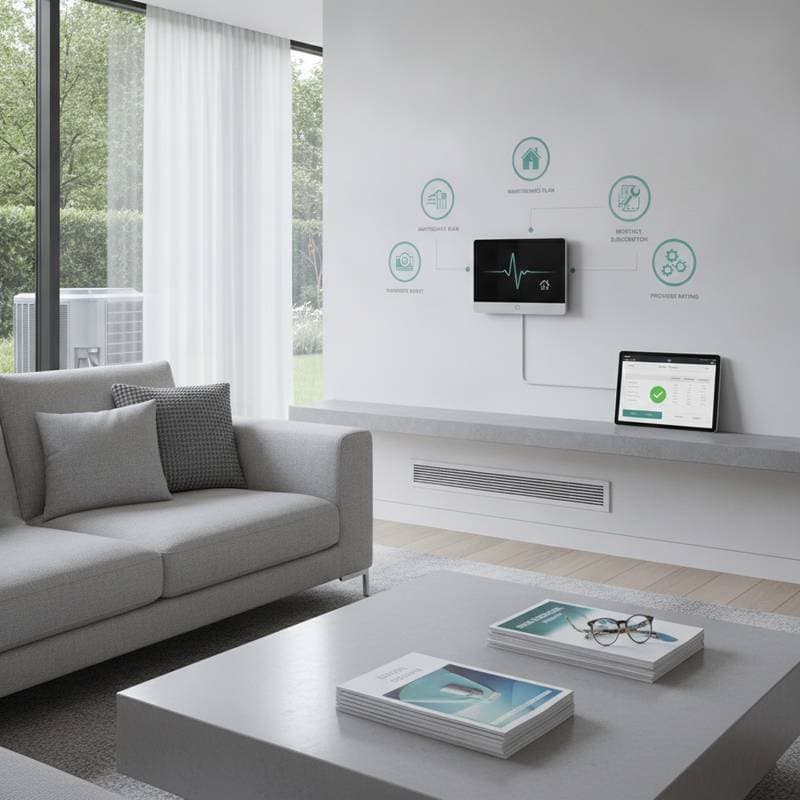
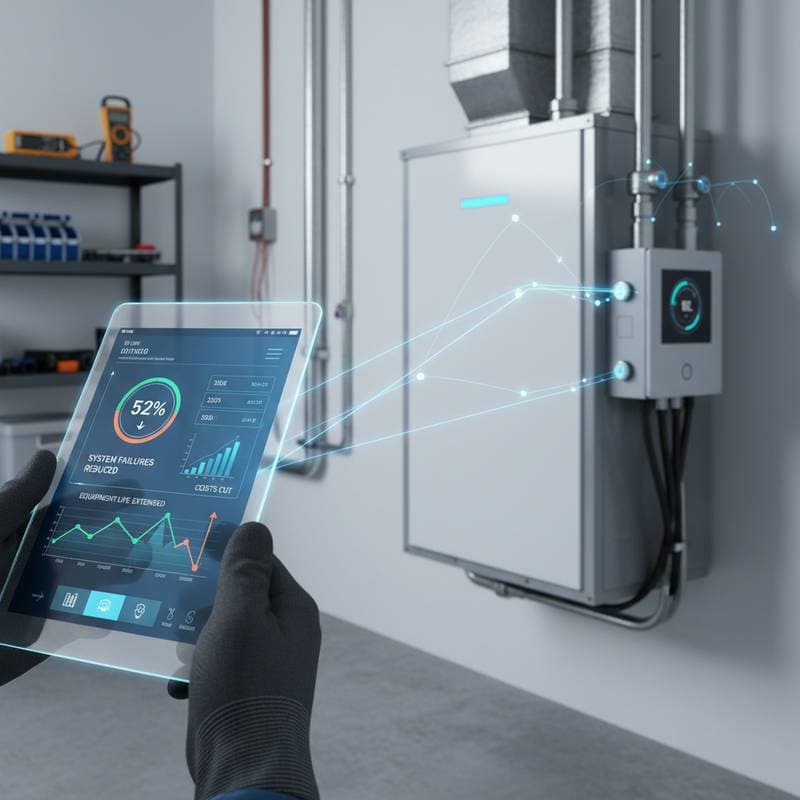
Homeowners and facility managers seek reliable methods to avoid expensive HVAC breakdowns. Predictive maintenance technology provides an effective approach. Data indicates that predictive HVAC applications decrease unplanned system failures by up to 52 percent. These applications employ real-time monitoring, advanced data analytics, and early fault detection to maintain optimal performance in heating and cooling systems.
This article details the mechanics of predictive applications, evaluates implementation costs and benefits, examines performance-influencing factors, and outlines steps for incorporation into a maintenance routine.
The Financial Impact of HVAC Failures and the Role of Predictive Apps
Emergency repairs for HVAC systems typically cost between $300 and $2,500, depending on the problem's severity. Complete system replacements often surpass $7,000, particularly when both heating and cooling elements require attention. Predictive applications mitigate these expenses by pinpointing minor inefficiencies before they escalate into significant disruptions.
The following table illustrates common HVAC issues, their average repair costs, and how predictive tools prevent them:
| Type of HVAC Issue | Average Repair Cost | Preventable with Predictive App? |
|---|---|---|
| Compressor failure | $1,200 – $2,500 | Yes, via vibration and temperature monitoring |
| Refrigerant leak | $500 – $1,200 | Yes, via pressure trend analysis |
| Fan motor burnout | $400 – $900 | Yes, via current and speed tracking |
| Thermostat malfunction | $150 – $500 | Often, via connectivity alerts |
| Blocked airflow | $200 – $600 | Yes, via airflow and differential pressure data |
Predictive applications detect early indicators, enabling technicians to resolve problems during scheduled visits instead of urgent interventions. This strategy lowers repair expenses and minimizes disruptions for property owners.
Costs Associated with Predictive HVAC Maintenance
Expenses for predictive maintenance tools depend on the system's scale and intricacy. For residential setups, consider these typical costs:
| Service Type | Average Cost | Description |
|---|---|---|
| Smart sensor installation | $200 – $800 | Sensors track temperature, pressure, and vibration |
| Predictive app subscription | $10 – $40 per month | Provides real-time analytics and reporting |
| Professional monitoring package | $300 – $600 per year | Overseen by HVAC professionals for proactive care |
| Full commercial predictive platform | $1,000 – $4,000 setup | Suitable for large buildings or multi-unit complexes |
Initial investments exist, yet savings from averted emergencies and prolonged equipment durability frequently recoup costs within the first year of use.
Key Benefits of Implementing Predictive HVAC Maintenance
Predictive maintenance delivers value that extends past failure prevention. It enhances operational efficiency, cuts energy expenses, elevates indoor comfort, and advances sustainability efforts.
Enhancing Energy Efficiency to Reduce Utility Bills
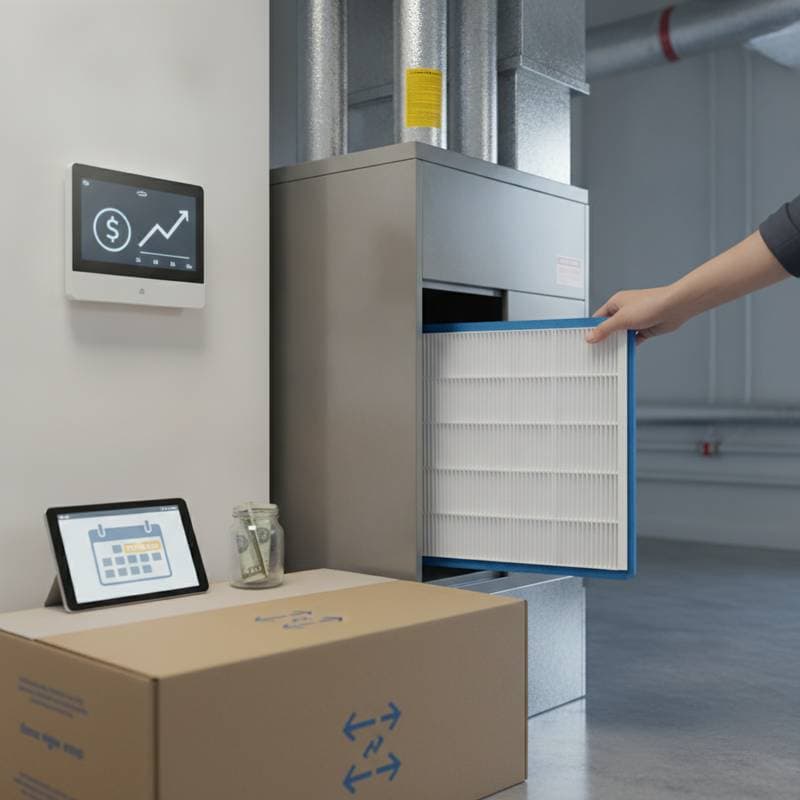
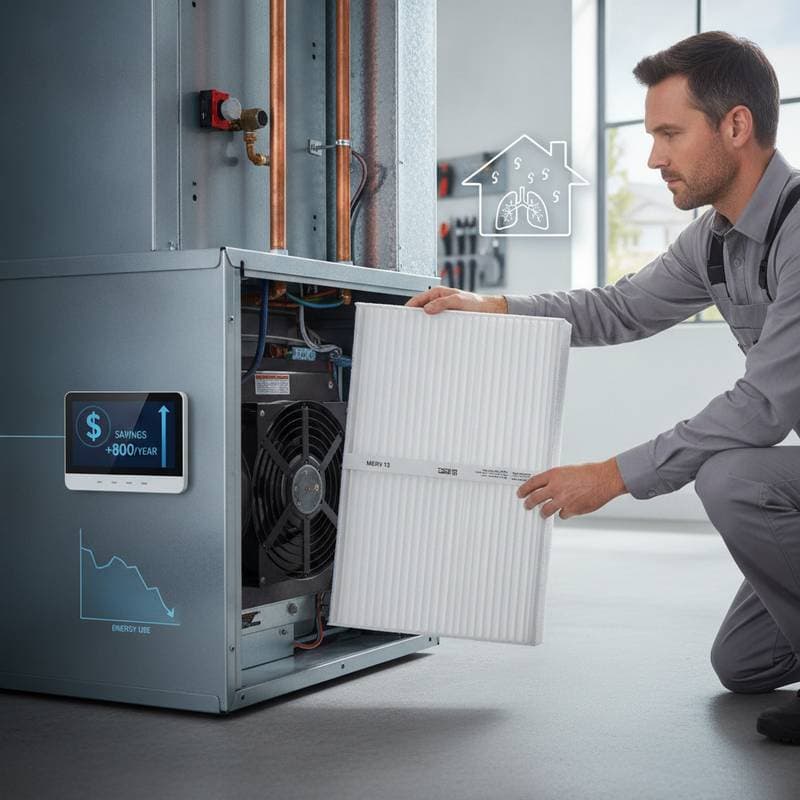
Predictive applications sustain peak system performance, which conserves energy. Technicians promptly address issues like clogged filters or refrigerant discrepancies, thereby decreasing energy loss and monthly bills. Homeowners notice measurable reductions in usage after consistent monitoring begins.
Prolonging Equipment Lifespan
Timely interventions shield critical components such as motors, compressors, and coils from excessive wear. Equipment that operates within specified limits endures longer and demands less frequent overhauls. This longevity translates to fewer replacements over time.
Elevating Indoor Comfort Levels
Consistent oversight ensures stable temperature and humidity control. Components function reliably, eliminating uneven heating or cooling zones. Residents benefit from superior air quality and uniform comfort throughout the space.
Minimizing System Downtime
Data-driven scheduling replaces reactive fixes with proactive adjustments. Unplanned outages become rare, allowing swift handling of any necessary services. This reliability supports uninterrupted daily routines.
Promoting Sustainable Practices
Optimized systems require less power and generate reduced emissions. Predictive maintenance aligns with eco-friendly objectives by curbing resource waste and maximizing equipment utility. Property owners contribute to broader environmental conservation through these efficiencies.
Securing Quotes for Predictive HVAC Maintenance Services
To evaluate predictive maintenance options, request comprehensive quotes that detail expenses and features. Service providers often bundle sensor setup, application access, and continuous oversight into unified offerings.
Essential Questions for Service Providers
Pose these inquiries to verify the suitability and reliability of a provider:
- Which sensors or devices does the installation encompass?
- Does the application integrate with my existing HVAC setup and thermostat?
- How is data secured, and who possesses access rights?
- What response timeframe applies to alerts or service notifications?
- Can maintenance reports be viewed in real time via the application?
- How does the subscription structure operate, including potential annual discounts?
- Will the provider manage sensor calibration and software updates?
- Do additional charges apply for monitoring or urgent services?
- Is integration possible with current smart home technologies?
- What warranties or guarantees accompany the predictive equipment?
These questions foster clarity and guide selection of a service that matches financial and operational requirements.
Sustaining Performance Through Ongoing Oversight
Predictive HVAC applications revolutionize maintenance practices by offering continuous performance insights. They diminish emergency incidents, curb expenses, and enhance durability.
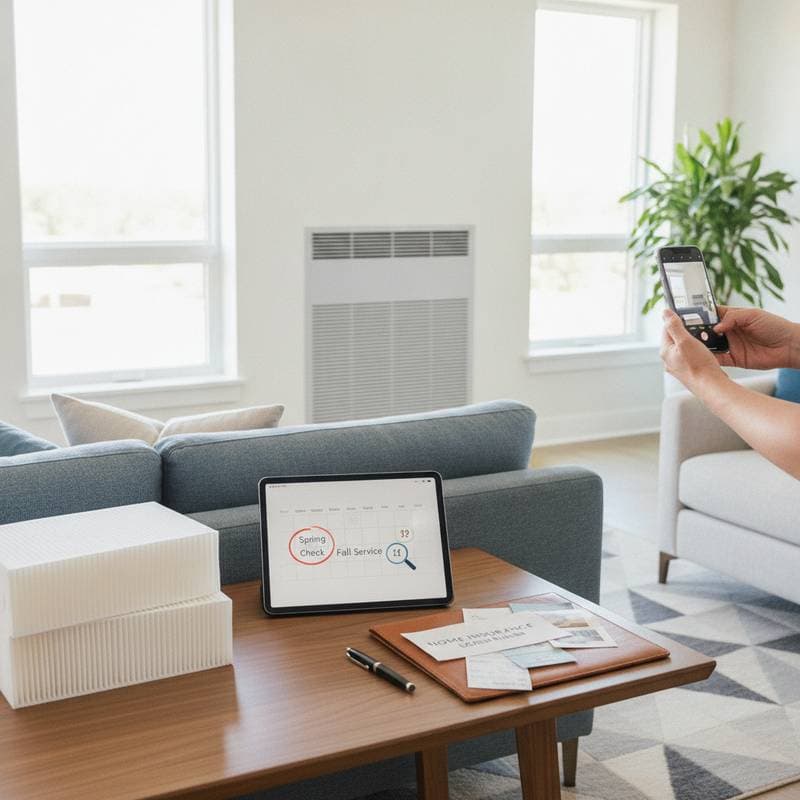
Conduct periodic data assessments and arrange expert inspections to preserve system precision. Integrate application data with professional expertise to develop a robust, efficient HVAC framework that performs reliably in all seasons.
Property owners embracing predictive maintenance secure tranquility, assured that advanced technology foresees and averts potential disruptions. This method ensures enduring comfort, operational savings, and unwavering dependability for essential home systems.