How Much Can Spring Coil Cleaning Save You on HVAC Repairs?
Maintaining a clean HVAC system stands as one of the most straightforward strategies to prevent costly failures. Among essential maintenance practices, spring coil cleaning emerges as a key step that can avert repair bills exceeding $800. This guide details the process of coil cleaning, associated costs, and the consequences of neglect on system longevity.
Knowledge of coil maintenance empowers homeowners to enhance efficiency, lower energy use, and minimize service interruptions. The following sections examine average costs for coil cleaning, elements affecting those costs, options for DIY versus professional approaches, and strategies for sustained HVAC upkeep.
Cost by Cleaning Method
Cleaning methods vary based on the coil's condition and the nature of accumulated debris. Each approach carries a distinct price range and level of effectiveness.
| Cleaning Method | Average Cost | Description |
|---|---|---|
| Compressed Air Cleaning | $100 – $200 | Employs pressurized air to dislodge dust and loose particles, ideal for routine light maintenance |
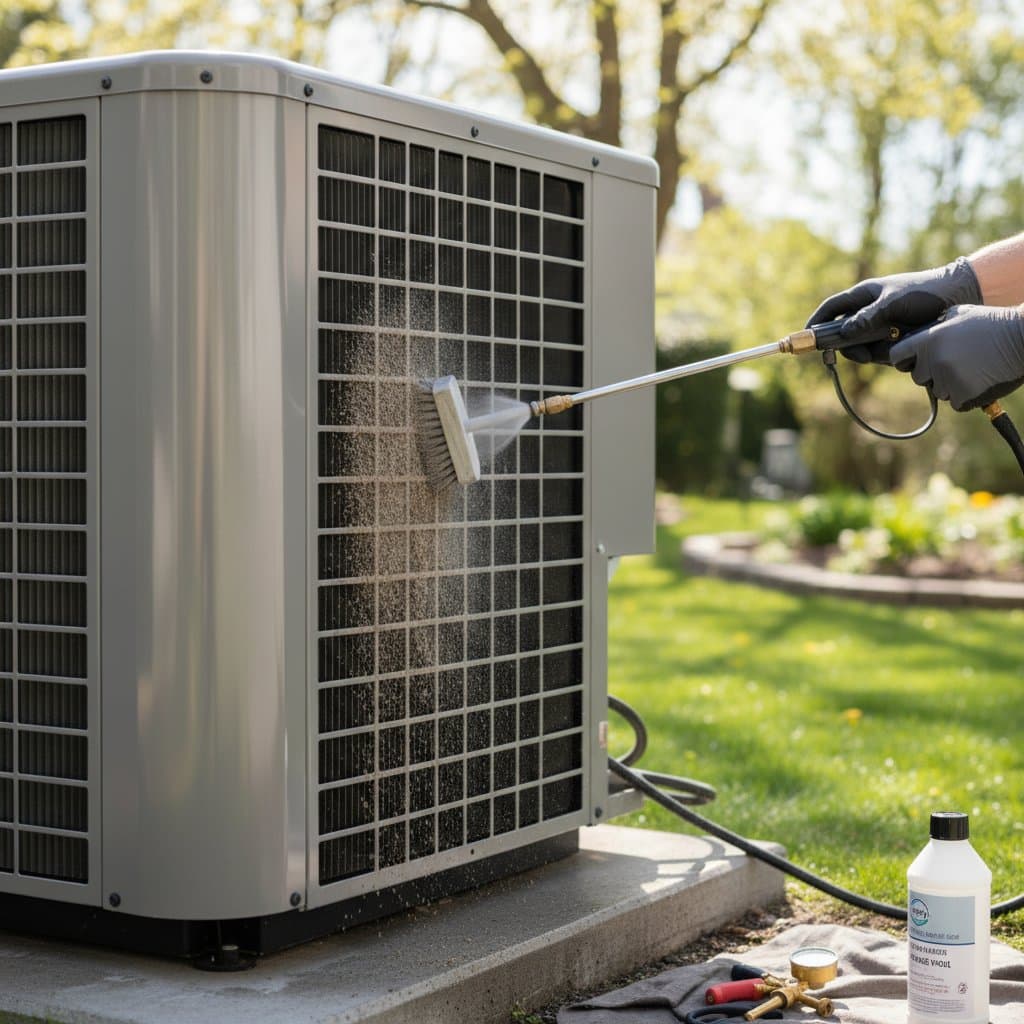
| Chemical Cleaning | $150 – $300 | Applies specialized detergents to break down grease, pollen, and microbial accumulations |
| Steam Cleaning | $200 – $400 | Delivers intensive cleaning for severe contamination or obstructed fins using high-temperature steam |
While compressed air offers an economical choice for minor issues, it often fails to address adhered residues or organic growths that impede airflow. Chemical and steam methods provide deeper results yet demand expertise and protective measures to safeguard system components.
HVAC Coil Cleaning Cost Factors
Multiple variables determine the expense of HVAC coil cleaning. Awareness of these elements aids in effective budgeting and decision-making.
1. Unit Location
Evaporator coils inside the home prove more challenging to access, frequently necessitating disassembly of the air handler or furnace unit. In contrast, condenser coils outdoors allow easier reach, typically resulting in lower cleaning fees.
2. System Size
Systems in larger homes feature greater coil surface areas, extending the time required for thorough cleaning. Standard setups include two coils, but expansive or multi-zone configurations may involve additional units, thereby increasing overall charges.
3. Degree of Dirt Buildup
Minimal dust layers yield to quick removal via air blasts or gentle brushing. Substantial accumulations, such as pet dander, heavy grime, or mold, necessitate advanced techniques like chemical applications or steaming, which elevate both duration and cost.
4. Labor Rates
Technicians set hourly fees influenced by geographic location and professional expertise. Rates in metropolitan regions generally surpass those in outlying areas due to elevated operational expenses.
5. Additional Maintenance Services
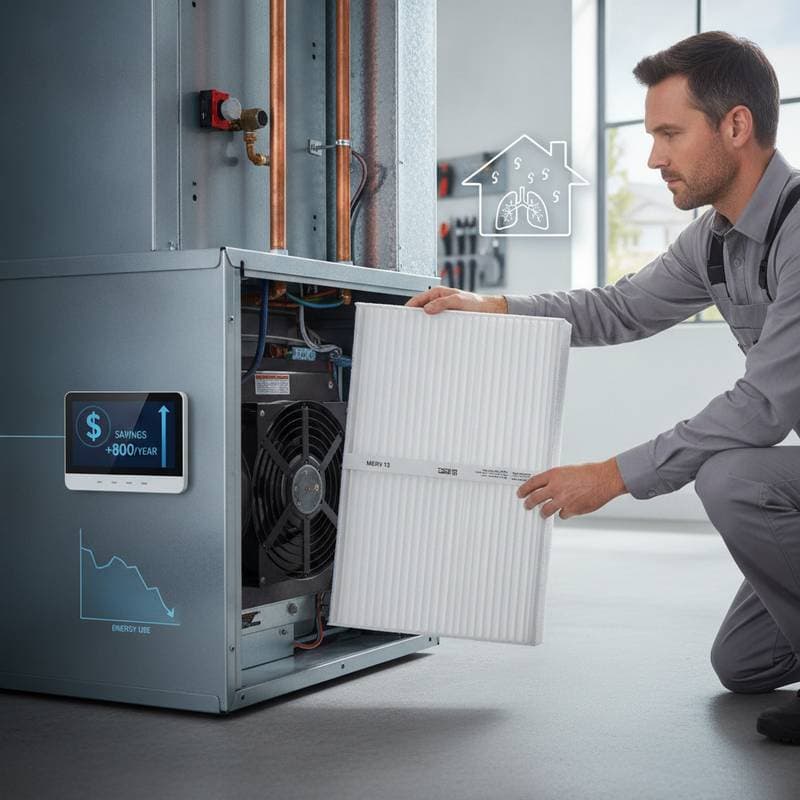
Homeowners often pair coil cleaning with complementary tasks to maximize value. Common add-ons encompass filter swaps, refrigerant assessments, drain line clearances, and thermostat adjustments. Integrating these into a single visit frequently yields savings over individual appointments.
Preventive Maintenance Tips for Cleaner Coils
Routine habits between professional cleanings curb debris accumulation and sustain optimal performance. Implement these practices to extend intervals between services:
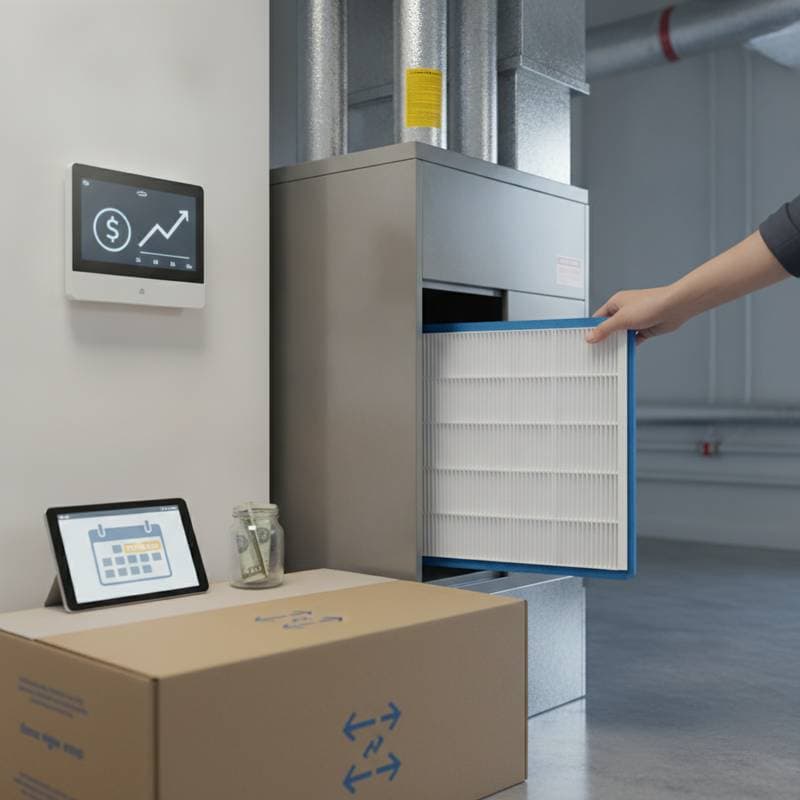
- Replace air filters at intervals of one to three months, blocking dust entry to the coils.
- Maintain clearance around outdoor units by trimming plants and debris at least two feet from the condenser.
- Periodically examine coil fins for bends and restore them using a fin comb tool.
- Refrain from enclosing outdoor units in plastic covers or tarps, which foster moisture retention and rust development.
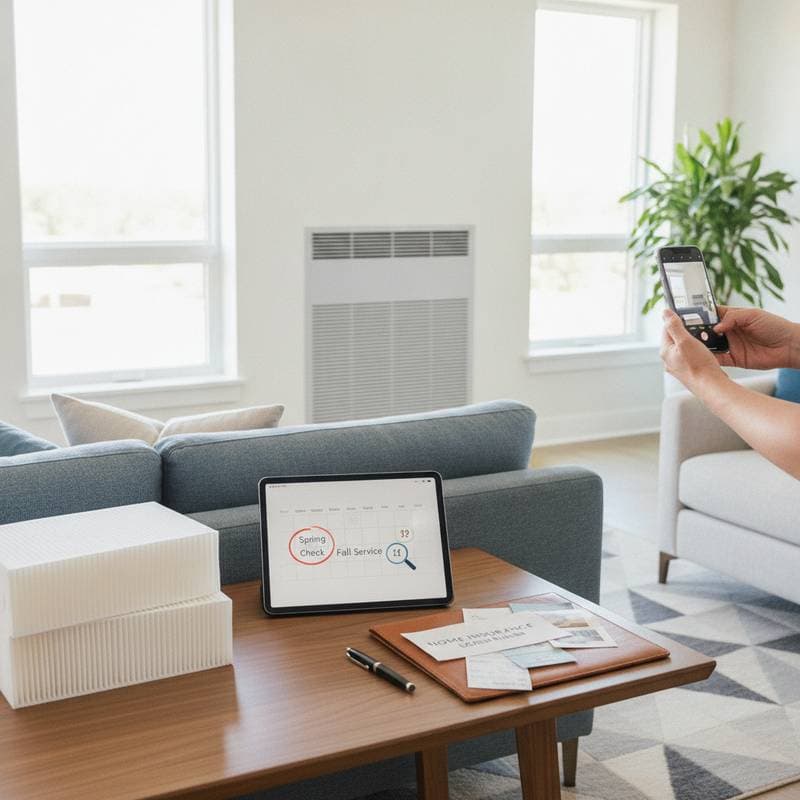
- Arrange expert inspections prior to summer demands to identify and resolve emerging problems.
Adherence to these measures not only preserves coil condition but also prolongs the entire HVAC system's operational life by several years.
Getting Coil Cleaning Quotes
To initiate spring coil cleaning, solicit estimates from nearby HVAC providers. Request specifics on methodologies, bundled services, and guarantees to facilitate comparisons.
Questions to Ask Before Hiring a Contractor
- Does your team hold current licensing and insurance for HVAC work?
- Which cleaning techniques do you apply, and how do they align with my system's specifications?
- Will the service include a full system evaluation, covering refrigerant lines and blower motors?
- Do maintenance contracts or yearly plans come with discounts?
- What duration should residents anticipate for the procedure?
- Apply any surcharges for accessing indoor components?
- Detail the cleaning agents employed and their environmental impact.
- Furnish a detailed written quote prior to commencement?
- Perform checks on refrigerant levels and electrical integrity on site?
- Outline any warranties or assurances of quality?
Professionals committed to excellence respond forthrightly and present pricing without ambiguity.
Safeguarding System Longevity Through Regular Cleaning
Investing in spring coil cleaning represents a prudent measure in HVAC stewardship. An outlay of $100 to $300 now averts unexpected expenditures surpassing $800 in the future, while ensuring consistent comfort and efficiency throughout the seasons.