Why 8 Million Homes Switched to Monthly HVAC Plans
What Drives the Popularity of Monthly HVAC Maintenance Plans?
Homeowners increasingly select monthly HVAC maintenance plans to maintain efficient heating and cooling systems while avoiding unexpected expenses. These plans, typically priced from 15 to 40 dollars per month, deliver regular inspections, tune-ups, and priority service. The move to subscription-based HVAC care highlights a preference for steady expenses, preventive upkeep, and integrated monitoring technologies.
This article explores the reasons millions of homes adopted these plans, the advantages they provide, and the role of predictive maintenance and intelligent monitoring in transforming HVAC service delivery.
The Advantages of HVAC Subscription Services
Monthly HVAC plans deliver reassurance and sustained savings. Rather than responding to sudden failures, subscribers benefit from ongoing service that averts expensive fixes. The ease of automated appointments and straightforward billing renders these plans simpler than sporadic annual checkups.
Steady Expenses and Reduced Uncertainties
Sudden HVAC repairs often exceed hundreds or thousands of dollars. A monthly plan distributes these potential costs into affordable installments. Subscribers gain certainty about monthly outlays, and many plans incorporate reductions on parts or labor for any necessary repairs.
Ongoing Maintenance Without Manual Tracking
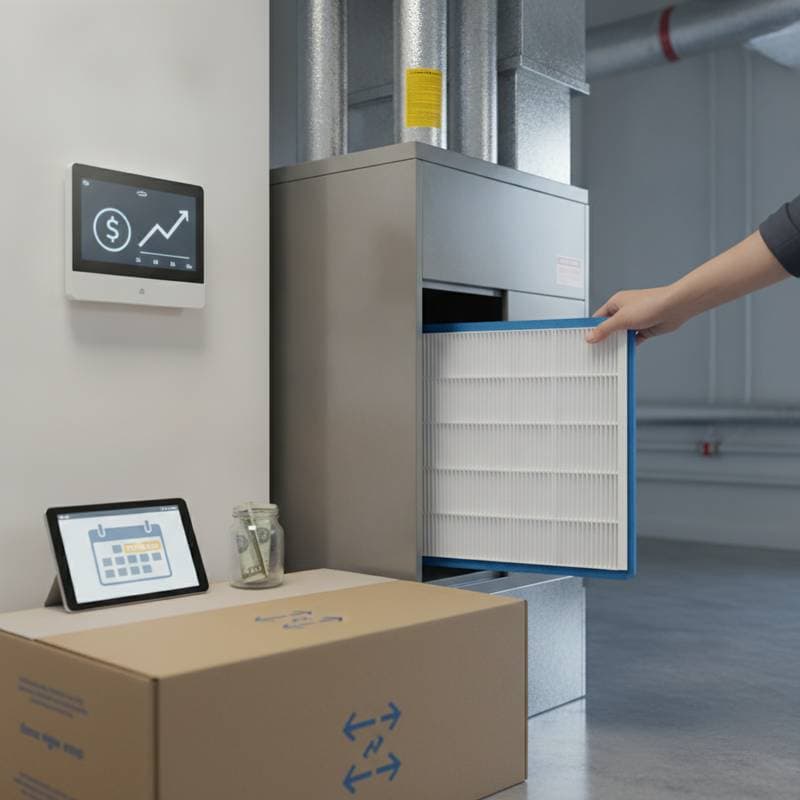
Subscription plans arrange service visits automatically. Technicians conduct seasonal adjustments, swap filters, verify refrigerant levels, and examine electrical elements. Such regular attention sustains system efficiency and prolongs operational life.
Priority Access and Rapid Emergency Support
Numerous HVAC subscription providers grant priority scheduling to members. In high-demand periods, subscribers receive service ahead of others. For residences in regions with severe weather extremes, this feature proves especially valuable.
Core Elements of Monthly HVAC Plans
Providers differ in offerings, yet most maintenance plans encompass essential services.
| Service Type | Average Monthly Cost | Details |
|---|---|---|
| Basic Maintenance Plan | 15 to 25 dollars | Encompasses two annual tune-ups, filter evaluations, and efficiency assessments |
| Comprehensive Plan | 25 to 35 dollars | Incorporates duct examinations, thermostat adjustments, and small component replacements |
| Predictive or Smart Plan | 35 to 40 dollars | Features remote surveillance, anticipatory diagnostics, and energy usage analytics |
Homeowners can tailor these plans by adding options such as indoor air quality evaluations, duct sanitation, or integration with intelligent thermostats for extra charges.
The Rise of Predictive HVAC Maintenance Among Homeowners
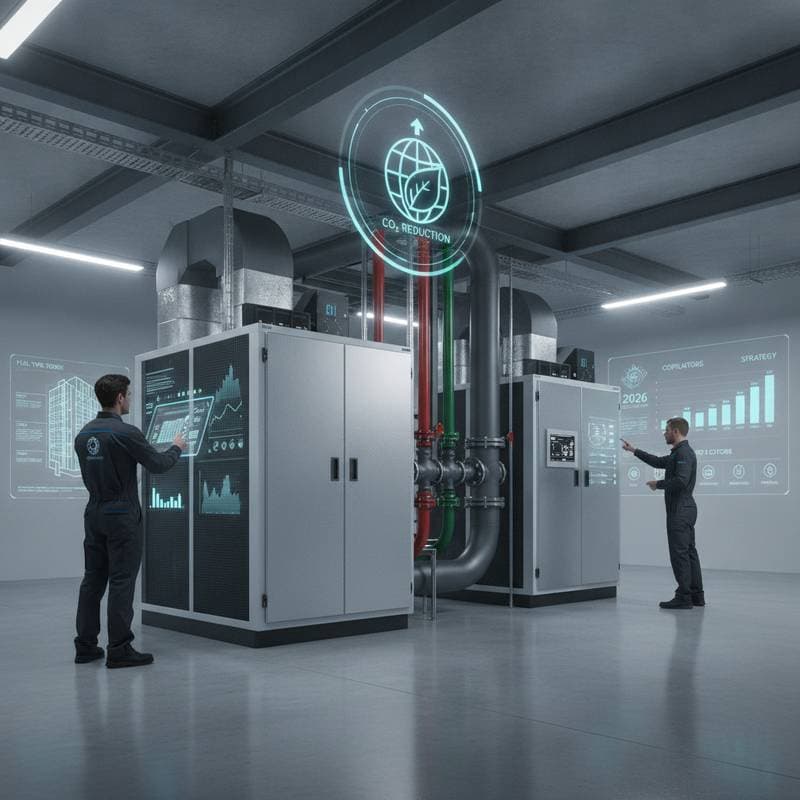
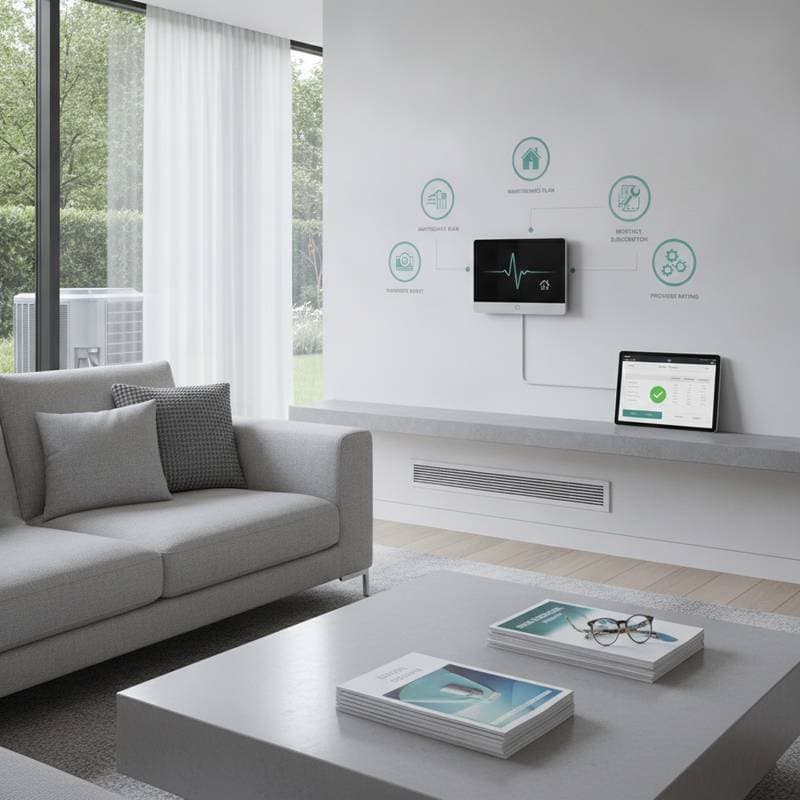
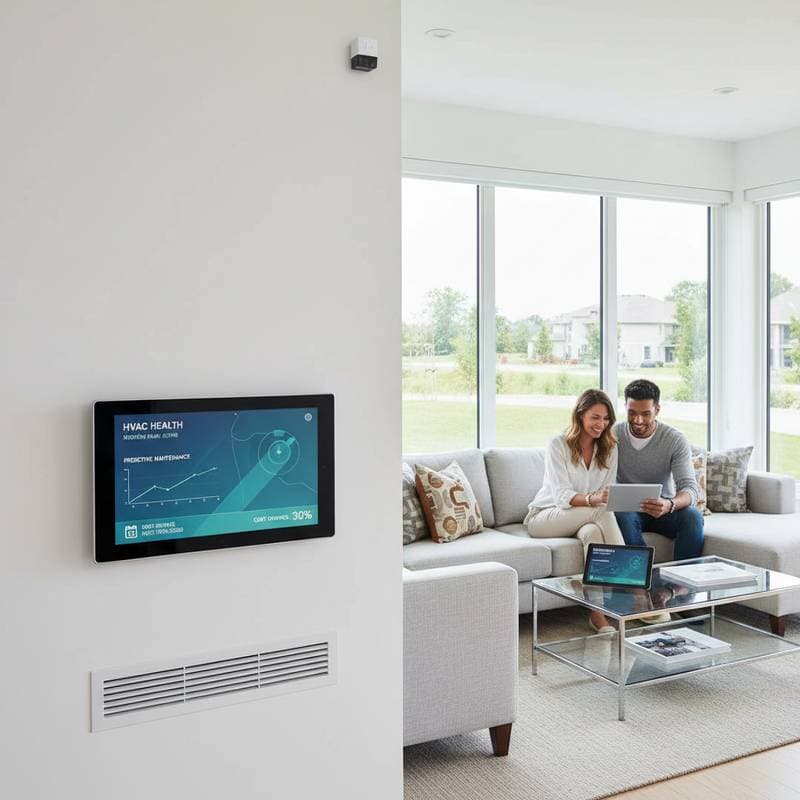
An expanding group of homeowners opts for predictive HVAC maintenance. These sophisticated plans employ sensors and analytical tools to detect emerging problems prior to escalation into major failures.
Intelligent Surveillance for Prompt Identification
Predictive setups gather information on temperature variations, air circulation, and pressure metrics. Upon detecting irregularities, notifications reach both the homeowner and the provider. This mechanism enables swift interventions and diminishes urgent service requests by up to 50 percent, based on industry observations.
Enhanced Energy Performance and Financial Benefits
Continuous monitoring permits technicians to optimize systems for peak operation. Homeowners often observe utility bill reductions of 10 to 20 percent through better airflow management and decreased component stress. For a typical household, this translates to annual savings exceeding 200 dollars.
Extended Durability of Equipment
Addressing minor concerns like soiled coils or insufficient refrigerant prevents accelerated deterioration. With diligent maintenance, systems endure 15 to 20 years, compared to the standard 10 to 15 years. Homeowners report fewer replacements and lower overall ownership costs.
Frequently Asked Questions About HVAC Subscription Services
Do Monthly HVAC Plans Provide Sufficient Value?
For the majority of households, these plans offer strong returns. The ongoing fee generally falls below the expense of one urgent repair, which averages 400 dollars or more.
What Is the Frequency of Maintenance Visits?
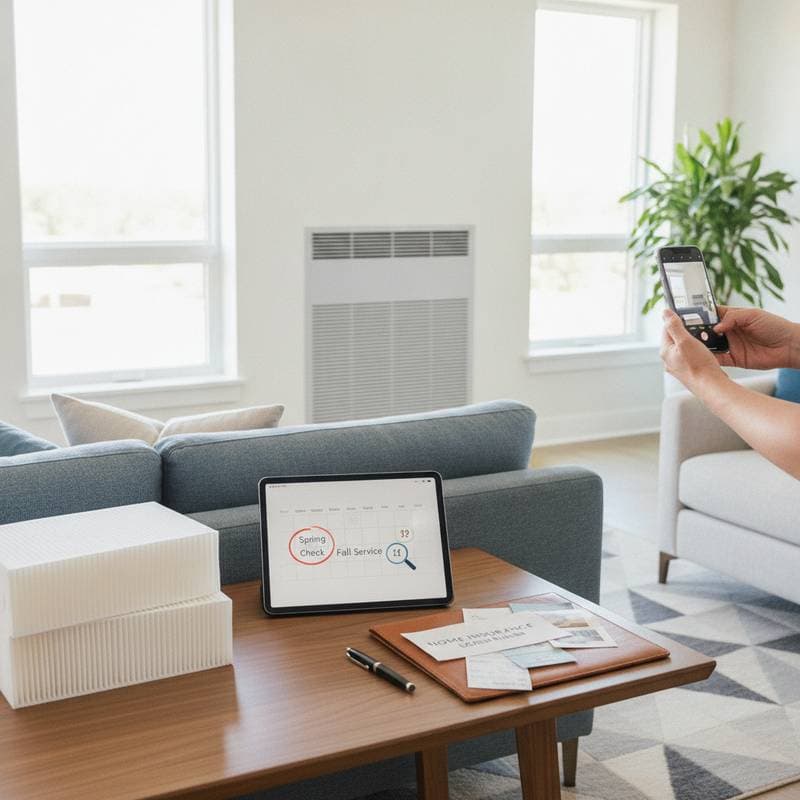
Standard plans schedule two visits annually, one preceding summer cooling demands and another before winter heating needs. Predictive variants supplement this with round-the-clock remote oversight for enhanced safeguards.
Is Cancellation of an HVAC Plan Flexible?
Most providers maintain adaptable policies. Certain options demand brief advance notice, whereas others permit termination at any point without fees.
Do These Plans Encompass Complete Repair Coverage?
Entry-level plans focus on inspections and upkeep. Advanced tiers provide discounts on parts and labor, while top predictive packages occasionally cover full repairs for designated parts, such as compressors or fans.
Selecting the Ideal HVAC Plan for Your Residence
The optimal subscription aligns with your system's age, daily operation, and financial parameters. Older installations gain the most from predictive or extensive plans, whereas modern units thrive under routine maintenance.
Essential Inquiries Prior to Enrollment
- Which services does the plan include?
- How frequently do maintenance visits take place?
- Do parts and labor receive coverage for repairs?
- What cancellation terms or contract durations apply?
- Does the provider offer emergency or priority assistance?
- Is remote monitoring an option?
- Are reductions available for multiple units or properties?
- How does the provider manage service documentation?
- Which equipment brands or models does the plan accommodate?
- Do rebates or energy incentives accompany the plan?
Safeguarding Your HVAC System Through Subscriptions
Monthly HVAC plans ensure reliable upkeep, stable budgeting, and superior performance. As intelligent technologies and forward-looking monitoring gain traction, these subscription models solidify their position as essential for modern home management. Homeowners who adopt them experience fewer disruptions, lower energy demands, and prolonged equipment reliability, fostering a more comfortable living environment year-round.