
Save with 2026 HVAC Subscriptions at $89 Per Month
The $89 per month HVAC subscription model transforms how homeowners address heating and cooling expenses. Homeowners avoid thousands in initial installation fees or sudden repair charges through fixed monthly payments that encompass maintenance, repairs, and complete system replacements. This article details the subscription mechanics, included services, comparisons to conventional ownership, and strategies for determining suitability to specific homes and finances.
| Item | Average Monthly Cost |
|---|---|
| Average HVAC Subscription Plan | $89 per month |
| Typical Range | $75 - $120 per month |
| Premium Plans | $150+ per month |
| Traditional Ownership (Upfront Cost) | $6,000 - $12,000 one-time |
Average Costs of HVAC Subscriptions
HVAC subscriptions generally cost $89 per month. This fee covers system installation, yearly maintenance, priority repairs, and remote monitoring of performance. In the long term, such plans prove more economical than outright ownership when repair expenses and energy reductions factor in.
Standard Subscription Plans
Standard plans range from $75 to $120 monthly. They typically provide:
- Expert installation of an energy-efficient unit
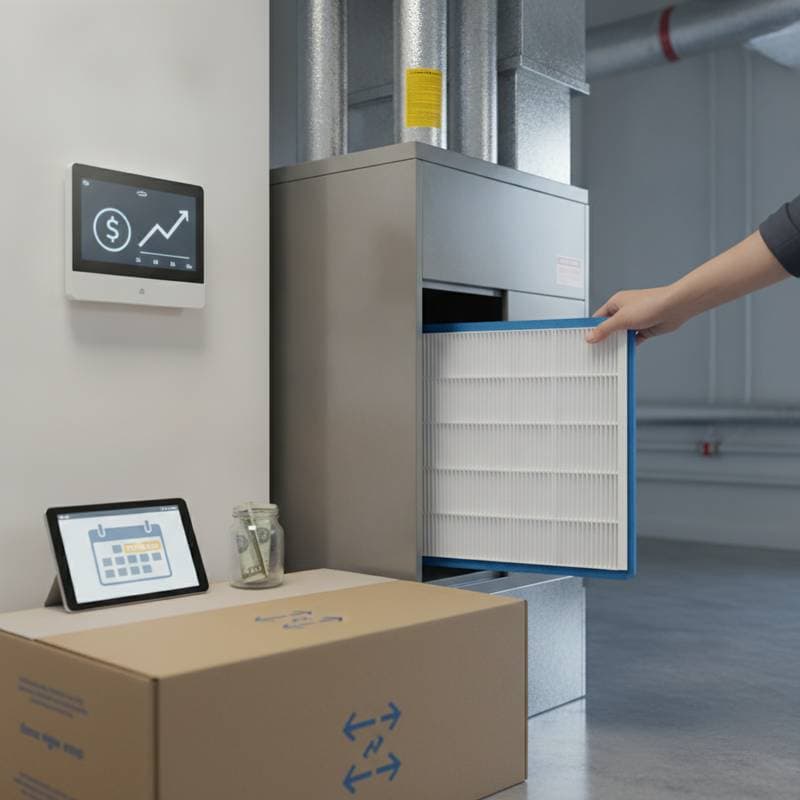
- Yearly tune-ups and filter replacements
- Coverage for emergency repairs
- Integration with smart thermostats
Premium Subscription Plans
Premium options, priced around $150 per month, incorporate sophisticated elements like:
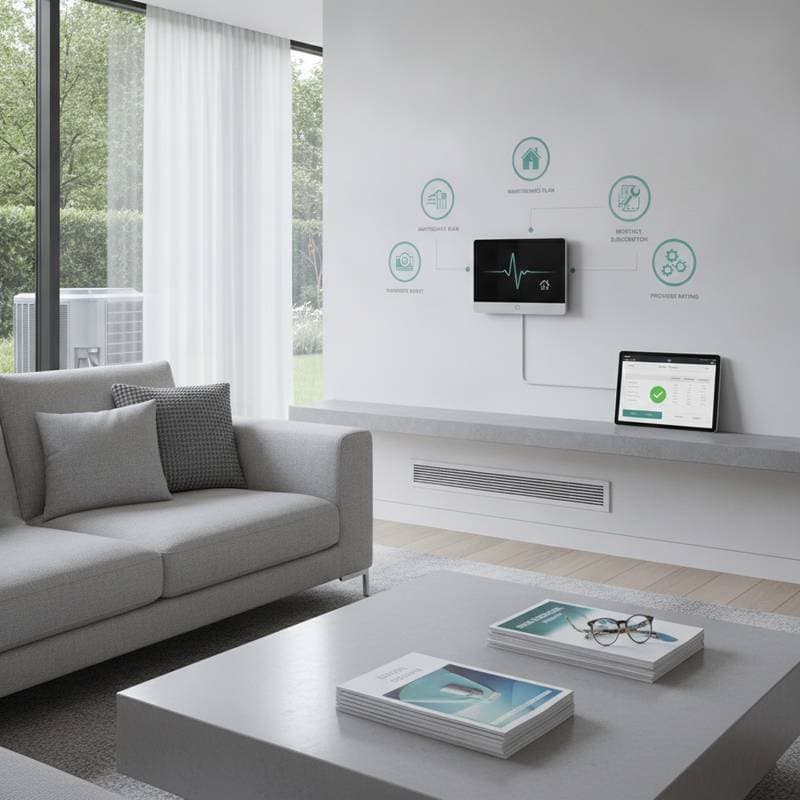
- Predictive maintenance alerts for technicians prior to failures
- Complete equipment replacement after a defined period
- Extended warranty coverage
- Continuous 24/7 performance monitoring
Although more expensive, these plans deliver reassurance and sustained savings via assured service and optimal system performance.
Factors Influencing HVAC Subscription Prices
Multiple elements determine the monthly subscription rate. Awareness of these aspects aids in assessing if a plan aligns with household requirements.
Equipment Size and System Type
Larger residences demand greater systems, elevating monthly fees. A compact ductless mini-split system falls at the lower price spectrum, whereas a multi-zone central setup increases the fee.
Energy Efficiency Ratings
Units with elevated SEER2 cooling ratings or AFUE heating ratings involve higher initial investments yet often secure reduced monthly rates in subscription frameworks. Their superior efficiency lowers utility consumption, offsetting costs while preserving comfort levels.
Extent of Service Coverage
Plans vary in scope. Certain options limit to maintenance and repairs, whereas others extend to full system replacement. Those guaranteeing replacement or employing predictive monitoring incur higher costs but minimize operational risks substantially.
Installation Demands
Homes needing new ductwork, electrical modifications, or zoning additions face elevated subscription rates. Straightforward installations integrate seamlessly into the standard monthly charge.
Brand Reliability and Equipment Standards
High-end brands noted for durability and innovation command premium subscription fees. However, their extended service life and superior operation reduce service frequency and enhance energy outcomes, balancing the added expense.
Categories of HVAC Subscription Plans
Subscription offerings differ in framework and service emphasis. Familiarity with primary categories assists in selecting the optimal fit for a residence.
1. Maintenance-Only Subscriptions
These emphasize preventive measures and scheduled servicing.
Pros:
- Minimal monthly expense
- Sustains system efficiency
- Lowers chances of abrupt failures
Cons:
- Excludes major repairs or replacements
- Provides restricted long-term fiscal safeguards
2. Full-Service Subscriptions
This prevalent model, centered at $89 per month, addresses installation, maintenance, and repairs comprehensively.
Pros:
- Consistent monthly budgeting
- Encompasses repair and replacement safeguards
- Features smart monitoring and expedited service
Cons:
- Exceeds maintenance-only pricing
- Often requires a multi-year commitment
3. Predictive Service Subscriptions
These leverage sensors and data analysis to identify issues prior to system disruptions.
Pros:
- Minimizes operational interruptions and urgent interventions
- Prolongs equipment durability
- Optimizes energy use via ongoing adjustments
Cons:
- Necessitates compatible intelligent hardware
- Involves a modest monthly premium
Indicators for Adopting an HVAC Subscription Plan
Frequent system malfunctions, temperature inconsistencies, or escalating repair invoices signal the value of a subscription. Key indicators encompass:
- Accumulating high repair expenditures seasonally
- Equipment exceeding 10 to 15 years with waning efficiency
- Inconsistent heating or cooling in various areas
- Challenges in allocating funds for substantial HVAC outlays
- Insufficient availability for routine upkeep
- Preference for a fixed, comprehensive expense structure
Subscriptions streamline operations by converting variable costs into a single predictable payment, ensuring professional system oversight.
Steps in the HVAC Subscription Installation Process
Enrollment in an HVAC subscription involves a direct procedure managed by qualified experts. The sequence unfolds as follows:
1. Initial Home Evaluation
A specialist inspects the existing setup, duct configuration, and energy profile. This assessment identifies the appropriate unit dimensions and configuration for the property.
2. Plan Customization
Selection occurs for a plan matching comfort objectives and financial parameters. The specialist outlines inclusions, such as upkeep intervals, repair provisions, and replacement conditions.
3. Equipment Deployment
New system plans prompt swift installation scheduling. The team positions the hardware, verifies functionality, and confirms adherence to efficiency and comfort benchmarks.
4. Integration of Monitoring Technology
Predictive or full-service selections install sensors and thermostats. These devices capture operational metrics to pinpoint inefficiencies or emerging concerns.
5. Continuous Upkeep and Issue Resolution
The provider arranges periodic inspections and manages all maintenance proactively. Repairs receive coverage and prompt attention upon detection.
6. Term Extension or Enhancement Choices
Upon subscription conclusion, options include renewal, system upgrades, or plan modifications to reflect evolving demands.
Labor Expenses in HVAC Subscriptions
Subscription fees incorporate all labor, averting unforeseen charges. Traditional models impose hundreds per service for repairs or overhauls. Subscriptions eradicate this variability.
Deployment Labor
Expert setup forms part of the onboarding, yielding savings of $2,000 to $5,000 versus direct payment.
Upkeep Labor
Tasks including coil cleansing, filter swaps, and refrigerant verification receive full coverage. No additional fees apply for in-plan service visits.
Repair Labor
Service scheduling occurs without labor surcharges upon failure. Technicians execute fixes, with parts frequently supplied, facilitating straightforward financial planning and averting fiscal pressures.
Common Questions on HVAC Subscriptions
Does an HVAC subscription cost less than outright purchase?
Frequently, it does. Monthly accumulations cover deployment, upkeep, and renewals, distributing expenses uniformly and sidestepping initial burdens or crisis repairs.
What occurs during system failure in a subscription?
The provider conducts replacement or repair without added fees, per plan stipulations, restoring comfort swiftly and cost-free.
Is cancellation possible for an HVAC subscription?
Contracts typically span set durations, with post-term exit options. Certain providers permit early conclusion for a nominal charge or plan transfer upon relocation.
Do subscription systems promote energy efficiency?
Indeed. Programs feature contemporary high-efficiency models, curbing consumption. Scheduled maintenance sustains peak operation, diminishing waste and elevating comfort.
Must filters receive homeowner replacement?
Some services manage all changes; others recommend interim homeowner actions. Monthly filter inspections, even under subscription, support airflow and performance.
How does predictive maintenance differ from standard upkeep?
Predictive approaches employ sensors and analytics to anticipate component failures. Proactive resolutions prevent disruptions, conserving funds and maintaining reliability.
Can subscription plans receive customization?
Yes. Providers furnish adaptable selections for coverage depth, system varieties, and monitoring capabilities suited to individual needs and budgets.
Select and Implement Your Ideal HVAC Subscription
The $89 per month HVAC subscription provides an intelligent method for overseeing comfort and expenditures. Access to dependable hardware, expert assistance, and stable invoicing arrives without repair or renewal anxieties. Evaluate plans by considering residence scale, energy profiles, and desired safeguards; scrutinize providers, contract details, and inclusions for labor, replacements, and maintenance.
A thoughtfully selected subscription yields reliable operation, diminished cumulative expenses, and assurance in protected HVAC performance. Collaboration with certified specialists tailors the plan to precise comfort requirements, ensuring enduring efficiency across seasons.