Cut HVAC Replacements 55% with Predictive Filters
Unexpected HVAC system failures bring discomfort, steep repair costs, and disrupted daily routines. Predictive filters provide an intelligent solution to avoid such disruptions. These devices employ advanced sensors to monitor system performance and air quality, potentially reducing the need for full HVAC replacements by up to 55 percent. This guide explains the mechanics of predictive filters, their benefits, and practical steps to integrate them into your home maintenance routine.
What Are Predictive Filters?
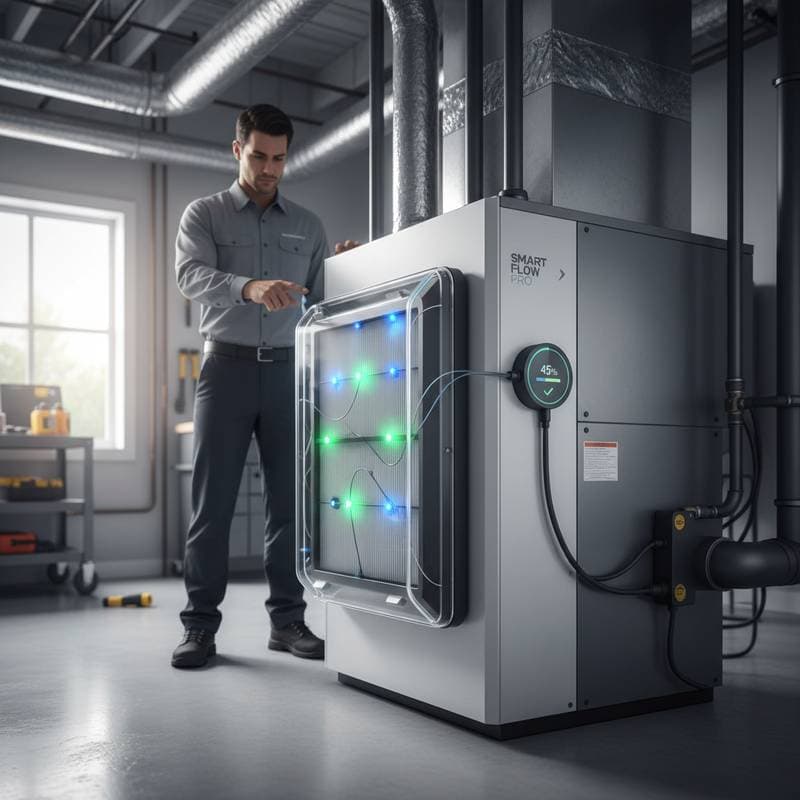
Predictive filters represent the next evolution in air filtration technology. They incorporate embedded sensors that continuously measure airflow rates, pressure differentials, and accumulated debris levels. Rather than adhering to arbitrary replacement calendars, these filters analyze live data to signal the precise moment for servicing.
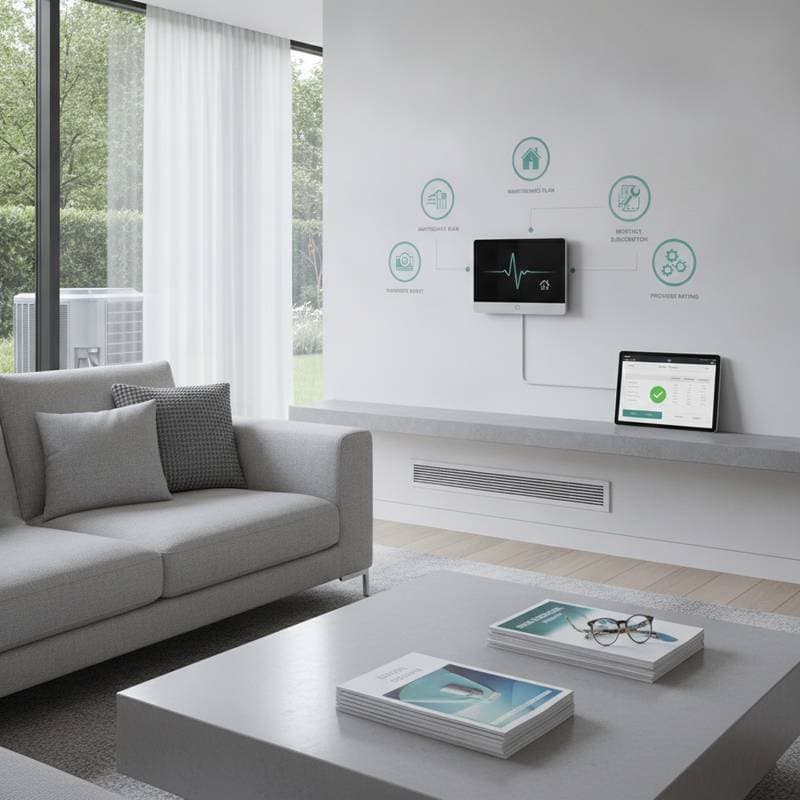
Integration with mobile applications or home automation platforms enhances usability. Notifications arrive via push alerts when airflow diminishes or debris thresholds approach. This approach prevents prolonged operation with obstructed filters, which otherwise accelerate component degradation and efficiency losses.
How Predictive Filters Reduce HVAC Replacements
Restricted airflow forces the HVAC system to exert extra effort in circulating air through ducts. This added workload often results in elevated temperatures, compressor malfunctions, or motor failures over time. Predictive filters mitigate these risks by sustaining ideal airflow conditions and issuing timely warnings.
Consider the following mechanisms through which they achieve replacement reductions:
- Sustained optimal airflow: Unimpeded filters minimize operational strain on blowers and coils.
- Enhanced energy performance: Real-time oversight maintains high efficiency, curbing electricity consumption and associated expenses.
- Prolonged equipment durability: Routine, data-driven upkeep extends the service life of critical parts.
- Proactive issue identification: Advanced units detect anomalies like pressure fluctuations that indicate potential duct leaks or obstructions.
Key Factors Affecting Predictive Filter Performance
Several elements influence the effectiveness of predictive filters. Selection and installation play pivotal roles in achieving reliable results.
- Filter dimensions and material quality: Select units that align precisely with your HVAC specifications. Ill-fitting or substandard filters compromise sensor reliability and filtration efficacy.
- Sensor accuracy levels: Opt for models with high-resolution sensors capable of registering minor variations in airflow and particle capture.
- Integration capabilities: Choose filters compatible with Wi-Fi or Bluetooth for seamless connectivity to smart thermostats and apps.
- Ongoing upkeep practices: Inspect sensors periodically to remove dust or residue, ensuring consistent data transmission.
Proper attention to these factors yields smoother HVAC operation and measurable longevity gains.
DIY Monitoring vs. Hiring a Pro
Predictive filters streamline routine tasks, yet professional expertise remains essential for comprehensive care. Homeowners can handle basic procedures with confidence.
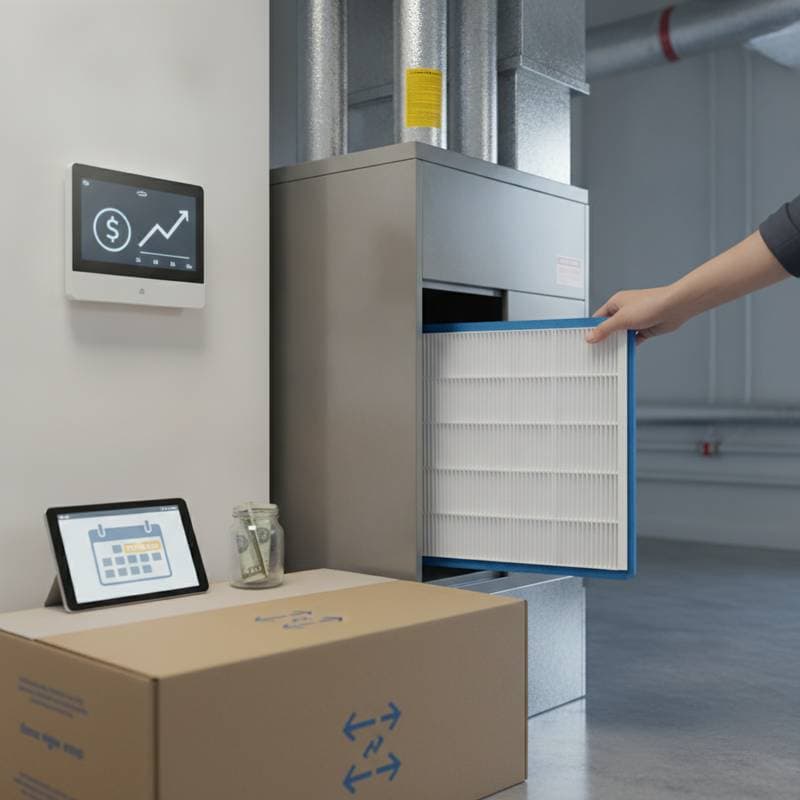
- Swap out the filter promptly upon receiving an alert from the app.
- Vacuum return air vents and inspect for excessive dust accumulation.
- Verify secure installation to prevent air bypass around the filter edges.
Engage a licensed technician for more involved concerns, such as:
- Odd sounds or excessive vibrations emanating from the equipment.
- Persistent airflow warnings post-filter change.
- Uneven heating or cooling distribution throughout the living spaces.
Experts perform thorough diagnostics, sensor adjustments, and system verifications to optimize performance.
Frequently Asked Questions
How do predictive filters communicate with my HVAC system?
These filters typically employ Bluetooth or Wi-Fi protocols to relay information to smartphones or compatible thermostats. Alerts notify users of required actions or declining performance metrics.
Are predictive filters worth the cost?
In general, the initial investment pays dividends. They avert substantial repair and replacement expenditures by upholding operational efficiency.
Can predictive filters work with older HVAC systems?
Certain designs accommodate retrofitting to legacy setups. Compatibility varies by model, so consult a professional prior to acquisition.
Do predictive filters capture more dust than standard ones?
Many incorporate premium media that snare ultrafine particulates, elevating indoor air purity alongside performance tracking.
Implement Predictive Filters for Reliable Home Comfort
Adopting predictive filters equips your HVAC system with proactive health monitoring. This technology alleviates mechanical stress, conserves energy, and postpones major overhauls. Pair it with scheduled professional inspections to safeguard your setup and maintain steady indoor environments throughout the seasons.