How Much Can You Save with 2026 HVAC Subscriptions?
The Shift to Predictable, Cost-Effective Home Maintenance
Homeowners increasingly turn to HVAC subscription plans for reliable heating and cooling without the surprise of high repair costs. These plans replace erratic expenses with fixed monthly or annual payments, typically between $150 and $500, based on factors such as system capacity and chosen service tier. By bundling routine inspections, priority repairs, and component discounts, subscriptions streamline upkeep and protect against major failures.
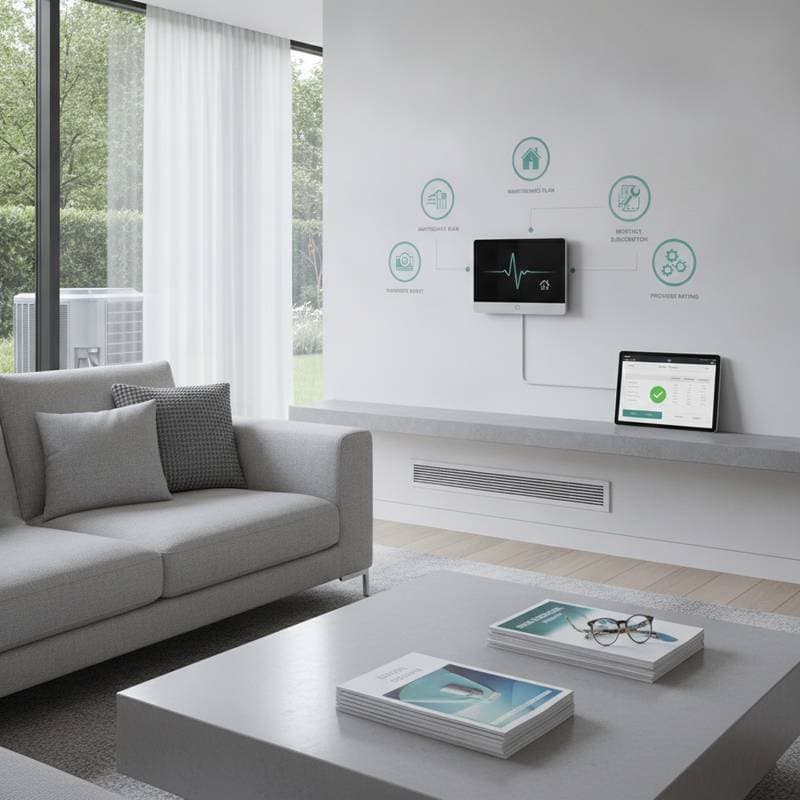
As smart home technologies advance, HVAC subscriptions emerge as a cornerstone of efficient property management in 2026. Providers integrate digital monitoring tools to track system health, allowing for proactive adjustments that extend equipment life. This section outlines the mechanics of these services, pricing structures, and strategies to maximize value, helping readers select plans that align with their needs.
Savings potential reaches $150 to $600 per year for many households. Emergency repairs often exceed $1,000, while subscriptions prevent such issues through early detection. For a standard three-ton unit in a mid-sized home, annual utility reductions from optimized performance add another layer of financial relief.
Core Components of an HVAC Subscription Plan
Standard HVAC subscriptions deliver a suite of services designed to maintain peak system operation. Providers customize offerings, but essential elements remain consistent across most programs.
- Biannual tune-ups: Comprehensive inspections and adjustments for heating and cooling components before seasonal demands peak.
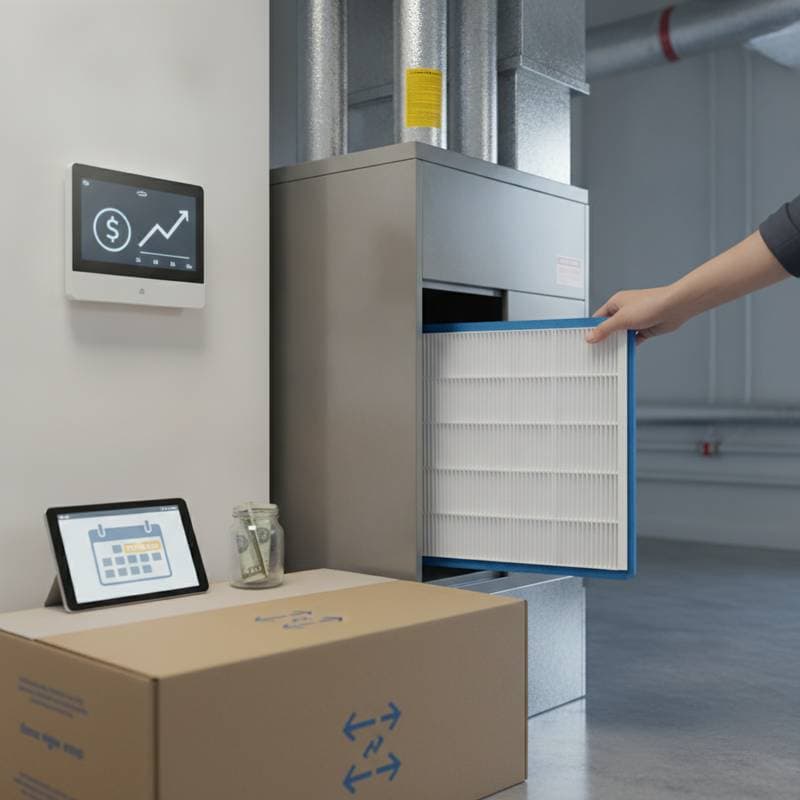
- Filter management: Regular replacements or evaluations to ensure unrestricted airflow and indoor air quality.
- System diagnostics: Calibration of thermostats, testing of electrical connections, and verification of refrigerant levels.
- Priority access: Expedited scheduling for any service needs, minimizing downtime during extreme weather.
- Cost reductions: Negotiated rates on replacement parts and labor, often 10 to 20 percent below standard pricing.
- Efficiency insights: Detailed reports on energy usage patterns, empowering homeowners to refine habits for lower bills.
Advanced plans extend coverage to specialized tasks like ductwork assessments or smart thermostat integrations. For instance, subscribers might receive annual refrigerant top-offs or UV light installations to combat mold growth. These additions justify higher fees for households in humid climates or older properties with complex setups.
Key Advantages of Enrolling in an HVAC Subscription
Subscription models transform reactive maintenance into a proactive strategy, yielding measurable improvements in comfort and finances. Participants experience sustained system reliability, which translates to fewer disruptions and enhanced daily living.
One primary benefit involves energy optimization. Clean coils and balanced airflow reduce strain on compressors, potentially cutting electricity use by 15 percent during summer peaks. Homeowners report noticeable drops in monthly bills, especially in regions with variable climates.
Emergency prevention stands out as another critical gain. Technicians identify issues like worn belts or loose wiring during routine visits, averting breakdowns that could leave families without heat in winter. Priority service ensures resolutions within hours, not days, during high-demand periods.
Long-term, these plans safeguard investments in HVAC equipment, which averages $5,000 to $10,000 for replacements. Extended warranties bundled in premium tiers cover major components, delaying full system overhauls by years. Busy professionals appreciate the hands-off approach, freeing time for other priorities while securing peace of mind.
Comparing HVAC Subscription Tiers and Costs
Plans vary by provider and region, with basic options starting at $12 to $25 monthly. Entry-level packages focus on tune-ups and priority calls, suiting newer systems with minimal needs. Mid-tier selections, around $20 to $35 monthly, add filter services and minor repair discounts.
Premium offerings, priced from $30 to $50 monthly, encompass comprehensive diagnostics, parts coverage, and on-site emergencies without extra fees. For a 2,000-square-foot home with a central air unit, expect $250 annually for standard coverage, scaling to $450 for full protection.
Factors influencing costs include home size, system age, and location-specific challenges like coastal corrosion. Urban areas may charge more due to travel demands, while rural subscribers benefit from lower base rates. Always compare quotes from licensed contractors to identify value-driven options.
Selecting the Ideal HVAC Subscription for Your Home
Choosing a plan requires assessing household specifics and long-term goals. Begin by evaluating current system health through a professional audit, which reveals vulnerabilities like inefficient ductwork.
Consider usage patterns: Frequent travelers might prioritize remote monitoring features, while families with allergies seek enhanced air purification add-ons. Review provider credentials, including certifications from organizations like NATE, to ensure quality workmanship.
Budget alignment matters equally. Calculate potential savings by estimating avoided repair costs—multiply average incident frequency by $300 to $500 per event. Opt for flexible terms that allow upgrades as needs evolve, such as adding coverage for newly installed smart devices.
HVAC Subscription Frequently Asked Questions
Do HVAC Subscriptions Justify Their Expense?
Absolutely, for the majority of households. The fixed fee undercuts the price of one urgent service call, which can surpass $400. Proactive care not only averts crises but also maintains optimal efficiency, leading to compounded savings over multiple seasons.
What Is the Frequency of Technician Visits?
Plans generally schedule one to two appointments annually, timed for spring and fall transitions. Enhanced options offer quarterly evaluations or flexible on-call support, adapting to individual system demands.
Is Cancellation Straightforward for HVAC Subscriptions?
Providers typically permit termination with 30 days' notice, though select contracts include modest exit fees. Examine terms closely for refund provisions and any prorated credits on unused services.
Which Repairs and Parts Fall Under Subscription Coverage?
Fundamental plans handle tune-ups and diagnostics, with upgrades providing repair rebates or inclusions. Top-tier selections often cover essential parts like capacitors or igniters at no additional cost, subject to wear-and-tear exclusions.
Essential Questions for HVAC Contractors
When soliciting quotes, pose targeted inquiries to clarify offerings and commitments.
- Which specific services does the subscription encompass?
- What is the schedule for inspections and maintenance?
- Does the plan include emergency or after-hours responses?
- What savings apply to parts and labor charges?
- Is filter provision part of the package or an add-on?
- What procedures govern cancellations or plan modifications?
- Are hidden charges or service fees present?
- Can the subscription transfer upon property sale?
- How does priority booking function in busy seasons?
- In which system brands and configurations does your team excel?
These questions uncover gaps in proposals, enabling informed decisions.
Safeguarding Comfort Through Ongoing HVAC Care
HVAC subscriptions represent a strategic investment in home reliability and efficiency. By committing to regular upkeep, homeowners secure consistent performance, reduced expenses, and resilience against unexpected failures. Evaluate options today to tailor a plan that elevates daily comfort while aligning with financial priorities. With 2026 trends emphasizing integrated smart features, these services position properties for enduring value and seamless operation.