Why 8 Million Homes Adopted HVAC Subscriptions in 2025
Homeowners nationwide increasingly select HVAC subscription services for reliable heating and cooling upkeep. Once a specialized choice, these programs now serve as standard solutions. Annual fees range from $180 to $600, influenced by service scope, regional differences, and coverage extent.
This overview examines the appeal of these subscriptions. It details pricing structures, included services, adoption drivers, and selection strategies for optimal home protection.
Typical HVAC Subscription Costs
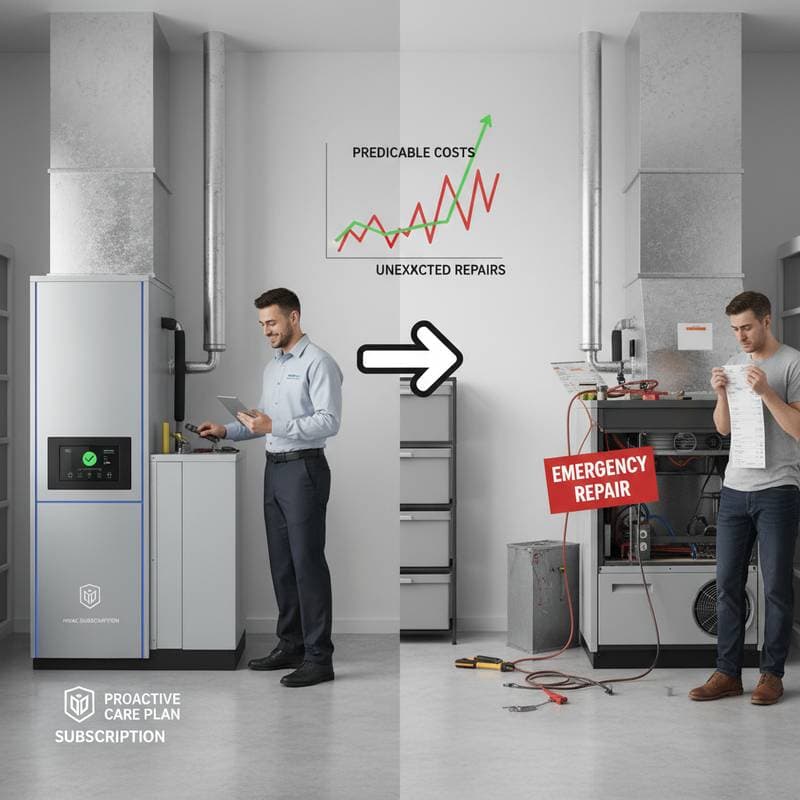
Many compare subscription fees to occasional service calls. A standard tune-up runs $100 to $250, while urgent fixes often exceed $300 to $1,200. Subscriptions consolidate these into steady, foreseeable payments.
Price Breakdown by Plan
| Plan Type | Annual Cost Range | Key Inclusions |
|---|---|---|
| Basic Maintenance | $180–$300 | Seasonal tune-ups, filter replacements, inspections |
| Standard Protection | $300–$450 | Maintenance, priority access, repair discounts |
| Comprehensive Coverage | $450–$600 | Full maintenance, parts/labor savings, 24/7 emergencies |
Costs adjust for geographic location, provider expertise, and unit count. Properties with several systems typically opt for elevated tiers.
Subscription Model vs. On-Demand Services
| Approach | Yearly Estimate | Advantages |
|---|---|---|
| On-Demand | $300–$1,200 | Charges only as required; expenses fluctuate |
| Subscription | $180–$600 | Fixed fees; proactive care; expedited support |
Subscriptions deliver superior value over time through consistency and foresight.
Services in an HVAC Subscription
These plans integrate routine checks, cost reductions on fixes, and service precedence under one contract.
Standard Components
- Biannual tune-ups for heating and cooling seasons
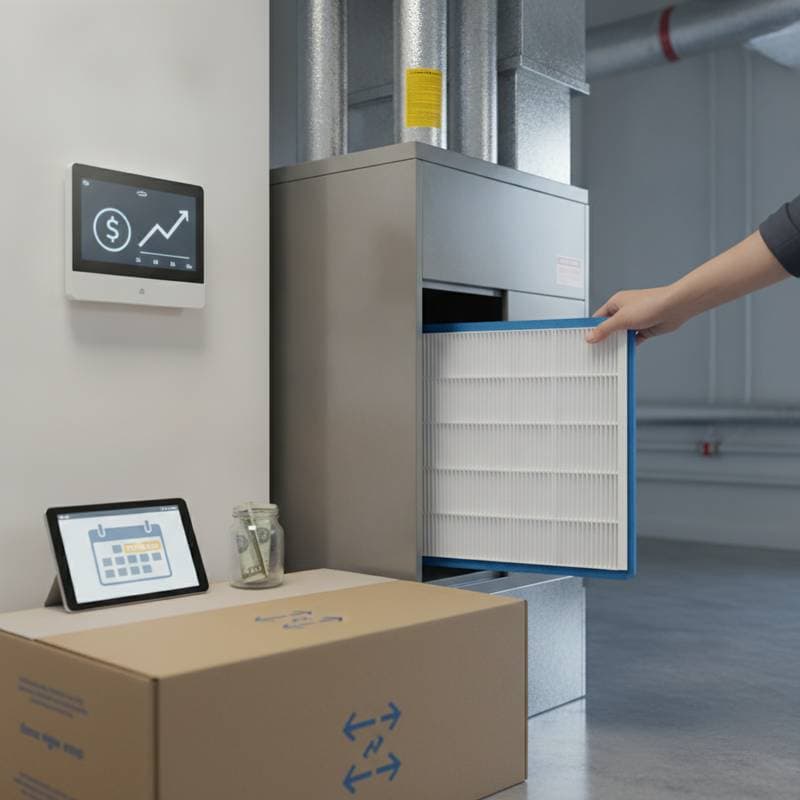
- Filter supply or installation
- Coil cleaning and refrigerant verification
- Electrical component reviews
- Thermostat adjustments
- Leak detection, airflow assessment, and efficiency evaluations
- Preferred appointment slots and waived initial diagnostics
Premium options incorporate remote monitoring via sensors to preempt malfunctions.
Customizable Enhancements
Providers frequently add:
- Duct sanitization
- Air quality evaluations
- Humidity control system care
- Water heater assessments
- Prolonged guarantees on components and workmanship
Such additions align plans with unique efficiency and wellness priorities.
Drivers Behind the Shift to HVAC Subscriptions
Multiple elements fuel this widespread adoption. Participants regard subscriptions as vital safeguards rather than optional extras.
Escalating Repair Expenses
Advanced HVAC components, including compressors and circuit boards, drive up repair bills. Subscriptions mitigate this via savings and preemptive measures that minimize failures.
Scheduling Ease and Budget Stability
Automatic reminders and visits remove the burden of tracking upkeep. Fixed billing supports financial planning without surprises.
Prolonged Equipment Durability
Consistent servicing counters issues like debris accumulation and refrigerant loss, which accelerate wear. This sustains optimal operation across seasons.
Enhanced Energy Performance
Proper upkeep optimizes fuel use. Sealed systems and balanced levels cut waste, yielding bill reductions that rival subscription fees.
Expedited Support During Crises
Priority access proves critical in high-demand periods. Subscribers secure swift responses amid weather extremes.
Compatibility with Smart Technology
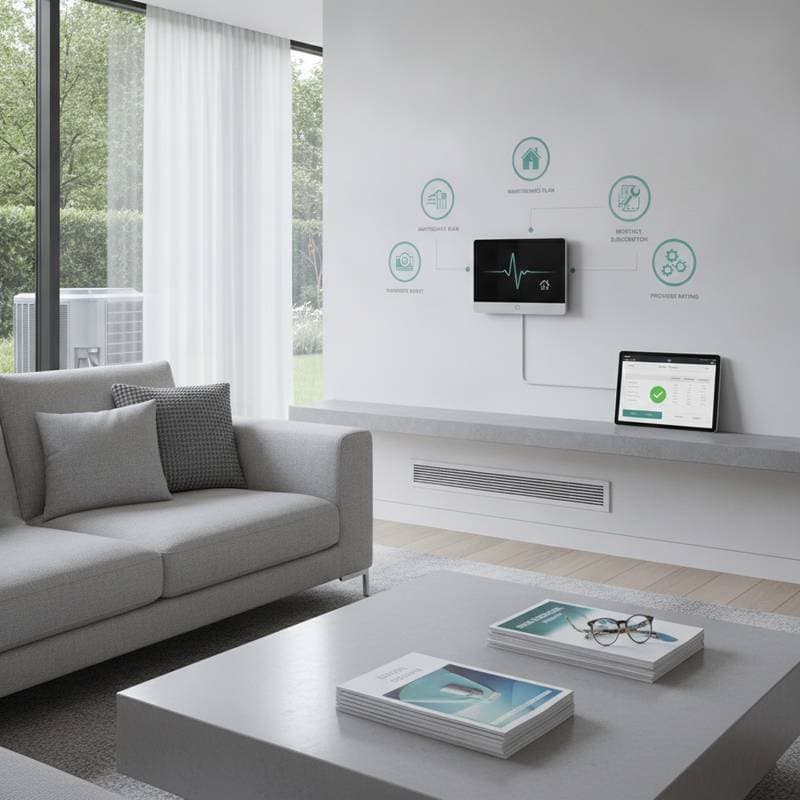
Contemporary plans leverage thermostats and sensors for real-time oversight. Alerts trigger interventions, simplifying management.
Sustainability Gains
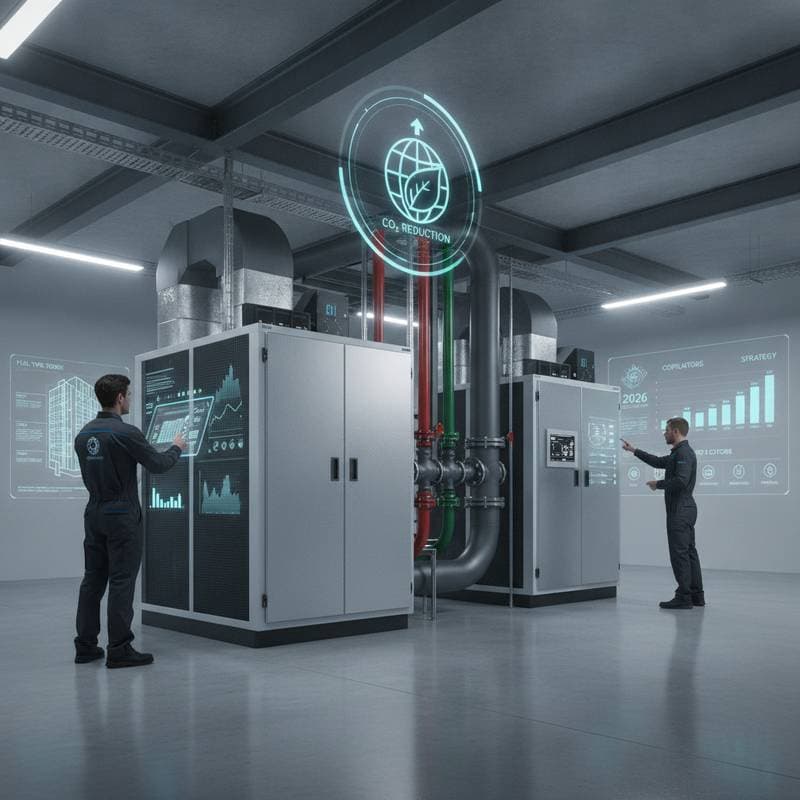
Efficient operations lower consumption, aligning with eco-conscious goals and reducing household carbon footprints.
Factors Influencing Subscription Pricing
Beyond averages, costs hinge on precise variables.
Equipment Variations
- Central units demand coil and refrigerant attention.
- Heat pumps require dual-season servicing.
- Furnaces emphasize safety and combustion checks.
- Mini-splits need filter and refrigerant maintenance.
Property Scale and Unit Quantity
Extensive spaces or multi-unit setups elevate service demands and fees.
Checkup Cadence
Biannual plans suit most; quarterly or monthly options enhance vigilance at added expense.
Local Labor and Market Rates
Urban zones command premiums over rural areas due to wage differences.
Equipment Brand and Vintage
Aging units invite more interventions; premium models necessitate expert handling.
Supplementary Protections
Incorporating duct work or warranties boosts costs while fortifying system integrity.
Advantages of Routine Upkeep Programs
Preventive strategies underpin subscriptions, yielding tangible outcomes.
Reduced Utility Expenses
Optimized systems consume less power for equivalent output. Data indicates up to 25 percent efficiency drops in unkempt units.
Minimized Disruptions
Early detection averts escalations. Addressing minor faults prevents costlier overhauls.
Superior Air Purity
Frequent cleanings expel contaminants, curbing allergens and improving respiration.
Uniform Temperature Control
Servicing eliminates inconsistencies, ensuring even distribution without zones of discomfort.
Hazard Prevention
Inspections uncover risks like leaks or electrical faults, bolstering family security.
Common Questions on HVAC Subscriptions
What servicing frequency do plans provide?
Standard agreements feature two annual tune-ups aligned with seasons. Enhanced versions add interim visits to sustain peak performance.
Do subscriptions encompass every repair?
Entry-level options offer reductions; advanced tiers provide broader safeguards. Examine agreements for precise scopes.
Will a subscription yield net savings?
Affirmative. Efficiency improvements and discount structures recoup investments promptly.
How do subscriptions handle relocations?
Transfers to new properties or owners occur in many cases. Confirm policies with providers.
Do new installations warrant subscriptions?
Yes. Routine care preserves warranties, verifies setups, and averts early degradation.
Securing and Evaluating Subscription Quotes
Plan Comparison Essentials
Solicit detailed proposals from three providers. Assess inclusions, visit schedules, and benefit extents.
| Evaluation Criterion | Ideal Features |
|---|---|
| Service Intervals | At least biannual visits |
| Savings on Fixes | 10-20 percent reductions on parts/labor |
| Crisis Response | Same-day or 24-hour availability |
| Guarantee Support | Alignment with equipment warranties |
| Digital Oversight | Integration for contemporary setups |
Selections balance equipment needs, lifestyle, and finances.
Key Inquiries for Providers
- Which tasks comprise the core maintenance?
- Are supplies like filters included?
- What response times apply to urgencies?
- Does coverage extend to all heating/cooling elements?
- Is cancellation or transfer feasible?
- Do off-peak services incur extras?
- Are multi-unit discounts available?
- How does the plan support warranties?
- Are staff certified?
- What billing options exist?
Sustaining Home Comfort Through Subscriptions
HVAC subscriptions represent strategic commitments to reliability and wellness. They foster enduring performance, curb interruptions, and elevate air standards. As proactive approaches gain traction, these programs solidify as cornerstones of home stewardship.
Select a tier that matches your setup for seamless operation over the long term. This choice delivers steady assurance in climate management, blending affordability with unwavering support.