
Why HVAC Subscriptions Revolutionize 2025 Maintenance
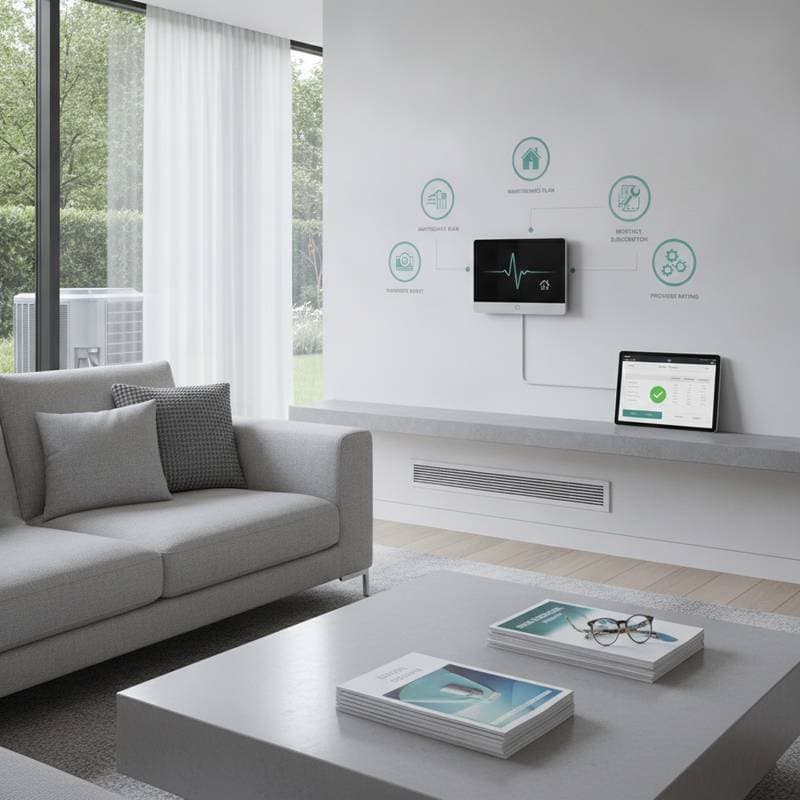
HVAC subscription plans transform the way homeowners manage heating and cooling maintenance. Homeowners no longer wait for breakdowns or face unpredictable repair bills. Instead, these plans provide scheduled services that maintain systems in optimal condition throughout the year. This method saves money, enhances efficiency, and prolongs equipment life. The following guide details how these services operate, their costs, and their role in the future of home comfort maintenance.
| Item | Average Annual Cost |
|---|---|
| Basic Preventive Plan | $150 - $250 |
| Standard Coverage Plan | $250 - $450 |
| Premium Full-Service Plan | $450 - $800 |
| Emergency Visit Fee (if not included) | $75 - $150 |
Average HVAC Subscription Costs
Subscription costs vary based on the coverage level selected. Providers typically bill these plans annually or monthly to accommodate diverse budgets.
Basic plans feature two maintenance visits annually, filter replacements, and comprehensive safety inspections. These options range from $150 to $250 per year.
Standard plans incorporate priority appointment scheduling, reductions on parts and labor, and access to emergency services. Annual fees for these fall between $250 and $450.
Premium plans encompass full tune-ups, repair labor coverage, and discounts on component replacements. Prices for these comprehensive services span $450 to $800 yearly, often eliminating unexpected expenses.
In numerous instances, the yearly subscription fee proves lower than the cost of one significant repair. This fixed expenditure enables better financial planning and prevents abrupt monetary burdens.
Key Factors That Affect Subscription Pricing
Multiple elements determine the price of an HVAC maintenance subscription. Knowledge of these factors assists in selecting appropriate protection levels without unnecessary expenditure.
System Size and Complexity
Systems in larger homes or those with multiple units demand greater time and effort. Properties featuring dual-zone setups or both furnaces and central air conditioners often require extra evaluations, increasing subscription fees.
Equipment Type and Age
Aging systems necessitate more regular upkeep. High-efficiency units may involve specialized diagnostics or adjustments. Such differences directly impact the overall subscription cost.
Service Coverage and Benefits
Options that encompass emergency responses, parts replacements, or expedited scheduling command higher fees yet provide substantial value. The ideal plan aligns with desired reassurance levels and the importance of consistent home comfort.
Local Labor Rates
Regional labor expenses differ significantly. Locations with elevated service charges reflect this in subscription pricing. Nevertheless, the consistent structure of plans protects against abrupt rises in labor costs.
Types of HVAC Subscription Services
Subscription offerings vary in composition and advantages, enabling customization to individual requirements.
1. Preventive Maintenance Plans
These represent the most prevalent subscription type. They emphasize tune-ups, thorough inspections, and thorough cleaning to identify minor problems before they escalate into major repairs.
Pros:
- Reduced initial expense
- Prolonged equipment durability
- Enhanced operational efficiency and performance
Cons:
- Exclusion of repair expenses
- Restricted emergency support
2. Full-Service Maintenance Plans
These subscriptions integrate all preventive measures with coverage for repair labor and discounts on parts.
Pros:
- Consistent expenditure predictability
- Expedited appointment access
- Minimized system downtime
Cons:
- Elevated yearly premium
- Potential omission of extensive component overhauls
3. All-Inclusive Subscriptions
Certain providers deliver total coverage, incorporating parts, labor, emergency interventions, and filter services. These function similarly to extended warranties paired with continuous upkeep.
Pros:
- Elimination of unforeseen costs
- Absolute reassurance
- Ongoing monitoring of system performance
Cons:
- Highest price point
- Possible requirement for extended enrollment periods
Signs You Need an HVAC Subscription
Certain indicators suggest that a maintenance subscription merits consideration as a prudent choice.
- Seasonal tune-ups occur infrequently due to oversight
- Energy expenses increase despite unchanged consumption patterns
- Repairs become a recurring necessity
- Declines appear in indoor air quality or overall comfort
- Desire exists for steady, controllable maintenance budgets
- Ownership includes several HVAC units or outdated equipment
Such subscriptions introduce reliable upkeep routines that prove challenging for many homeowners to sustain independently.
The Subscription Maintenance Process
Enrollment in an HVAC subscription follows a simple, user-friendly procedure. Expect the subsequent steps:
- Assessment and Setup: Technicians evaluate the system, record its status, and establish a personalized maintenance calendar suited to the equipment.
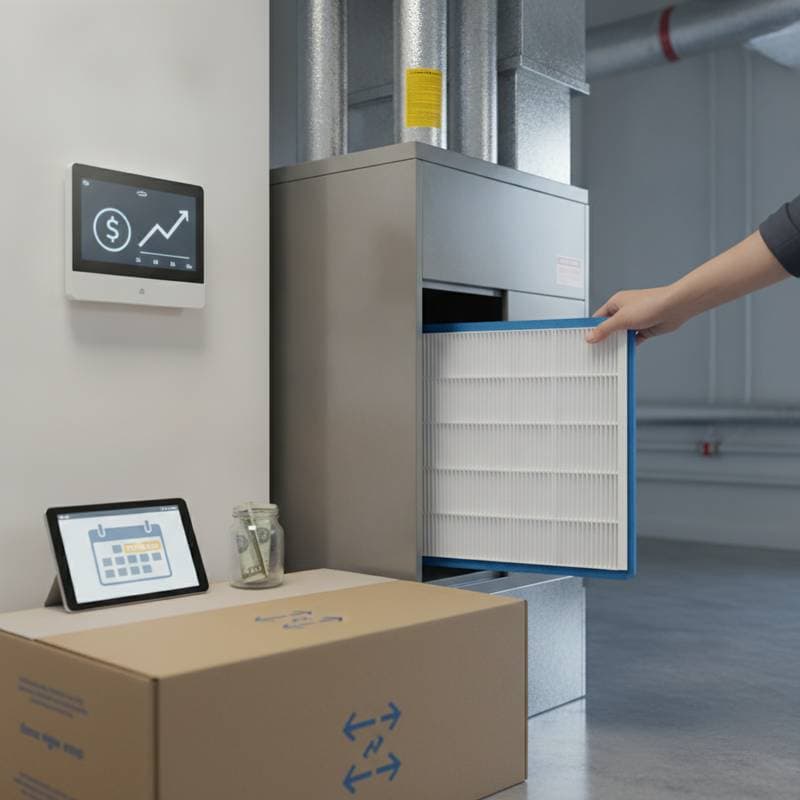
- Scheduled Visits: Providers conduct two annual sessions, aligned with seasonal shifts, involving coil cleaning, refrigerant verification, connection securing, and performance evaluation.
- Performance Tracking: Service providers maintain records of interventions, facilitating the detection of patterns or preliminary alerts.
- Priority Service: Subscriptions guarantee quicker resolutions and diminished fees for any arising issues.
- Automatic Reminders: Notifications arrive for impending appointments, ensuring no maintenance opportunities pass unnoticed.
- Annual Review: Providers conclude each cycle with an analysis of operational data, suggesting enhancements or interventions as required.
This systematic method sustains HVAC efficiency, safety, and dependability, alleviating the burden of detail management.
HVAC Subscription Labor Costs
Subscriptions generally incorporate or reduce labor charges within their structure. Absent a plan, hourly rates for routine calls range from $100 to $200. Participation in a subscription frequently lowers these by 15 to 30 percent. Premium tiers may fully absorb labor for maintenance-linked concerns.
Certain plans waive fees for emergency responses, whereas others apply a nominal discounted charge. This inclusion proves particularly beneficial during high-demand periods like intense heating or cooling seasons.
Frequently Asked Questions About HVAC Subscriptions
How do HVAC subscriptions save money?
Regular tune-ups and prompt issue identification prevent expensive overhauls. Integrated discounts on parts and labor result in long-term savings compared to isolated repair payments.
Are subscriptions worth it for new systems?
Affirmative. Routine servicing preserves warranty integrity and optimizes performance across the equipment's lifespan.
Can I cancel my subscription at any time?
Providers commonly permit terminations, although minimum durations or notice requirements may apply. Examine contract specifics to grasp coverage and billing protocols.
Do subscriptions cover emergency repairs?
Mid-level and premium plans often include emergency access or discounted rates. Verify plan documentation for covered response types.
How often will a technician visit my home?
Standard subscriptions schedule two yearly visits, timed for pre-cooling and pre-heating preparations. Premium selections may add interim inspections or filter services.
Will a subscription improve my energy efficiency?
Indeed. Maintained coils, accurate refrigerant, and streamlined airflow elevate efficiency. Many observe reduced utility statements following consistent servicing.
What happens if I move to a new home?
Subscriptions typically remain tied to the serviced property and equipment. Contact the provider to discuss transfer options or cancellation procedures, which vary by contract terms.
Implement Reliable HVAC Care Today
HVAC subscriptions convert erratic upkeep into a dependable, effortless practice. Homeowners secure timely servicing, controlled expenses, and sustained comfort throughout the seasons.
To initiate streamlined heating and cooling management, consult local experts for preventive plan evaluations. Obtain multiple proposals and assess coverage to match your equipment and financial parameters. Consistent care evolves from an obligation into a seamless safeguard.