Why HVAC Subscriptions Revolutionize Maintenance
HVAC subscription plans alter the approach homeowners take to heating and cooling system care. Rather than facing substantial and unforeseen repair expenses, individuals gain steady comfort and foreseeable costs via monthly or annual arrangements. These initiatives integrate preventive upkeep, expedited appointments, and reductions on fixes, fostering an effortless method to oversee residential climate control across seasons.
| Feature | Typical Benefit |
|---|---|
| Average Monthly Cost | $15 - $40 |
| Average Annual Cost | $150 - $400 |
| Included Services | Tune-ups, filter changes, inspections |
| Added Value | Priority scheduling, discounts, extended lifespan |
Average HVAC Subscription Costs
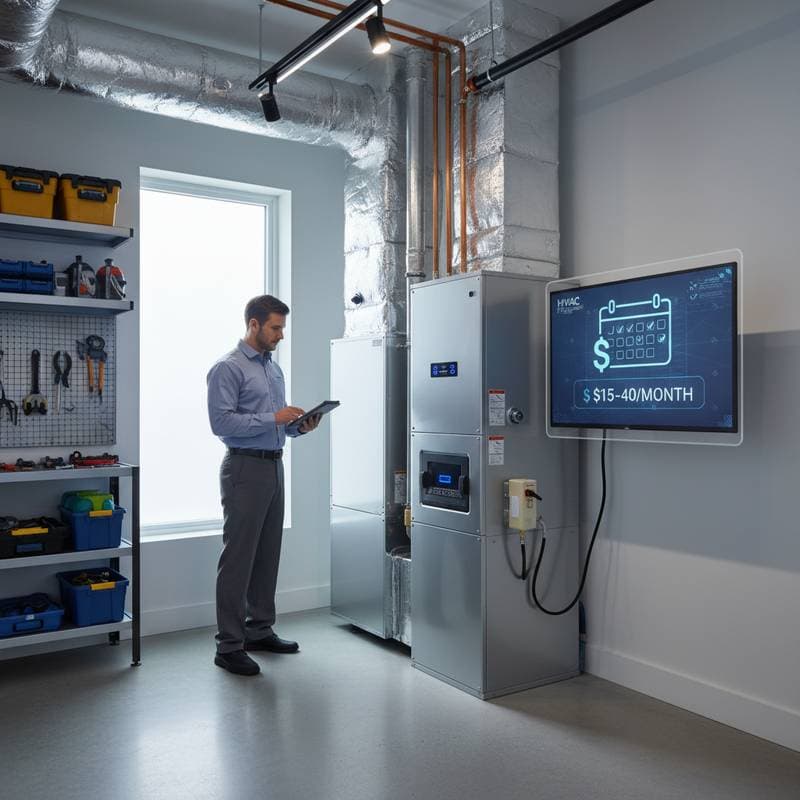
HVAC subscription services aim to render maintenance both economical and reliable. Expect payments ranging from $15 to $40 monthly, contingent on the service depth. Fundamental options encompass seasonal adjustments and evaluations, whereas elevated levels incorporate thorough cleansing, preferential access, and component reductions.
Basic Plans
Basic plans generally feature one or two precautionary sessions annually, alongside rebates on components or fixes. Such arrangements suit systems in good condition or recent installations that demand periodic reviews to sustain optimal performance. Homeowners select these for their straightforward affordability without excess features.
Mid-Tier Plans
Mid-tier options build on basics by adding filter substitutions, preferential booking, and coverage for minor adjustments. This tier strikes an optimal equilibrium between expenditure and utility for numerous residences. It addresses routine needs while mitigating common disruptions.
Premium Plans
Premium selections frequently extend warranties, encompass urgent response, and provide substantial rebates on significant overhauls. Households dependent on consistent HVAC operation or seeking utmost assurance favor these. The added protections justify the investment for high-demand environments.
Key Factors That Affect HVAC Subscription Price
Multiple elements determine the expense of an HVAC maintenance subscription. Grasping these aspects enables selection of an appropriate plan while avoiding unnecessary charges.
System Type and Size
Expansive or intricate setups, like dual-zone configurations or properties with several handlers, demand greater effort. Consequently, subscription fees may rise modestly to account for the increased scope. Assess your setup's scale during provider consultations.
Frequency of Service Visits
Arrangements with two or additional sessions yearly incur higher fees yet yield superior energy conservation and diminished urgent interventions. Professionals recommend biannual visits for typical dwellings to preempt issues. Balance visit count against anticipated benefits.
Level of Coverage
Comprehensive inclusions elevate the fee. Options covering components, urgent responses, or labor amplify monthly outlays but offset potential hundreds in future expenditures. Evaluate long-term value when deciding coverage extent.
Local Market Rates
Regional variations stem from labor expenses and climatic pressures. Zones with severe weather exhibit marginally elevated rates owing to intensified usage. Research providers in your vicinity for precise quotations.
Types of HVAC Subscription Services
Subscription varieties differ, each yielding unique merits for proprietors. Selection hinges on equipment age, comfort priorities, and financial parameters.
1. Preventive Maintenance Plans
These predominate and emphasize routine examinations. Services involve assessments, sanitation, and efficiency evaluations to uphold smooth operation.
Pros: Economical, minimizes failures, prolongs durability
Cons: Excludes repair or component provisions
2. Full-Service Plans
These surpass upkeep to incorporate labor for fixes, component rebates, and urgent aid.
Pros: Steady expenses, curtailed unforeseen outlays, preferential timing
Cons: Elevated monthly charge
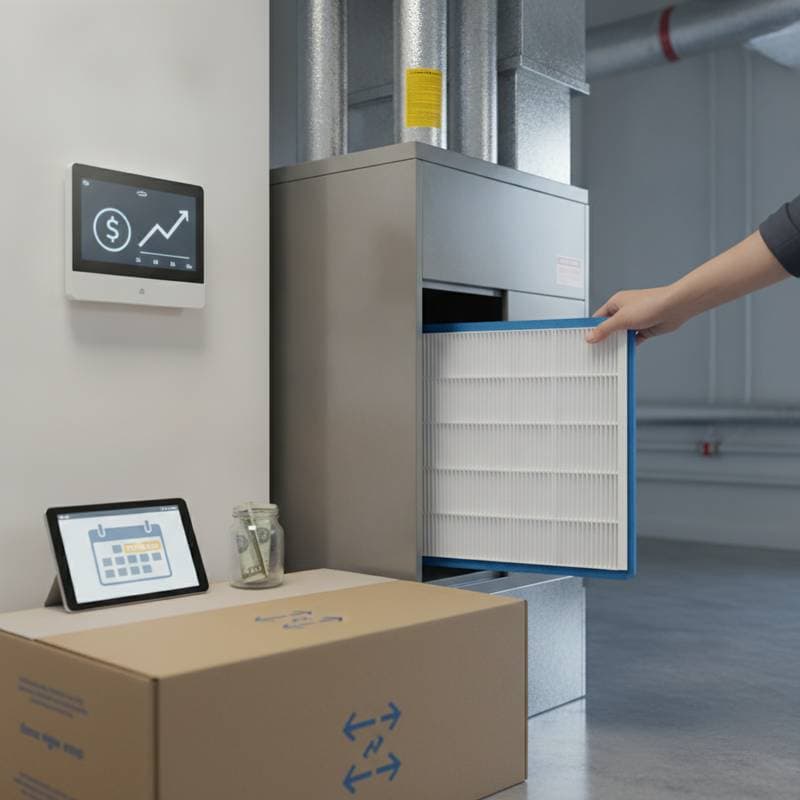
3. Filter Delivery and Maintenance Bundles
Certain arrangements merge upkeep with periodic filter shipments. This guarantees pristine filtration and alleviates air purity concerns.
Pros: Effortless, elevates air standards, lightens tasks
Cons: Restricted equipment fix inclusion
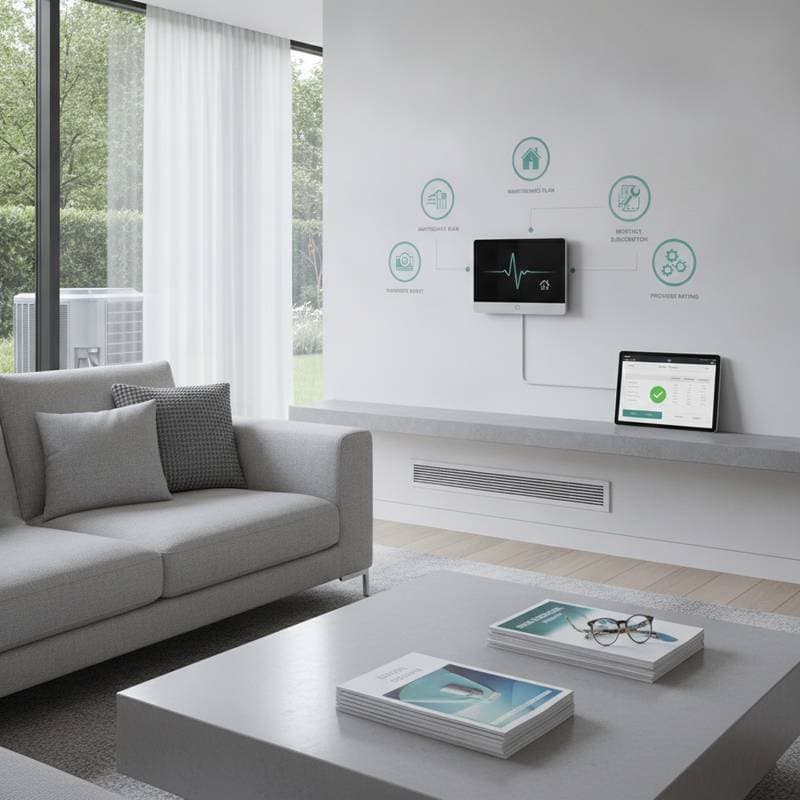
4. Smart Monitoring Subscriptions
Sophisticated variants employ detectors or linked controls to observe operations and notify providers of necessities.
Pros: Prompt issue identification, energy reductions, detailed analytics
Cons: Necessitates fitting intelligent apparatus
Signs You Need a Preventive Maintenance Plan
Superior HVAC units profit from expert regimens. Consider a subscription if these indicators arise in your residence.
- Forgetting to arrange routine adjustments
- Rising utility statements despite unchanged consumption
- Inconsistent output across spaces
- Increasing repair occurrences
- Desiring steady expenses and minimal shocks
- Favoring automated appointment handling
Subscriptions maintain system regularity, eliminating the need to track seasonal tasks or dread abrupt charges.
The HVAC Service Process
Enrollment in a subscription prompts a methodical provider routine to sustain equipment efficacy. Anticipate these phases.
- Initial System Assessment
Technicians examine the HVAC unit, pinpointing existing concerns and logging standard metrics. - Scheduled Maintenance Visits
Expect one or two annual sessions for adjustments, sanitation, and efficacy checks. - Filter Replacement and Cleaning
Filters, coils, and drainage paths undergo cleansing or renewal to boost performance. - Performance Testing
Evaluations cover ventilation, coolant quantities, and control precision to verify functionality. - Priority Scheduling
For needed fixes, members access swifter responses than others. - Discounted Repairs
Plans often rebate components or labor, lowering overall expenses.
Regular attention averts minor faults from escalating and extends unit longevity.
HVAC Labor Costs Without a Subscription
Absent a plan, service labor accumulates swiftly. Diagnostics alone span $75 to $150, with hourly fixes at $100 to $200. Off-hour urgents escalate further. Subscriptions distribute these via inclusions or rebates, yielding notable economies over repeated needs.
Frequently Asked Questions About HVAC Subscriptions
How often should HVAC maintenance be performed?
Systems thrive on two expert sessions yearly, preceding cooling and heating periods. This regimen upholds efficiency and curtails failure risks.
Will a subscription really save me money?
Affirmative; evade urgent fees and prolong unit life. Monthly steadiness simplifies financial planning.
What happens if my system breaks during a subscription period?
Members gain preferential timing and lowered fix expenses. Select plans may cover repairs fully or rebate replacements.
Can I cancel an HVAC subscription anytime?
Providers typically permit termination with notification, though prepaid rebates may forfeit. Scrutinize agreement stipulations prior to commitment.
Are subscription plans worth it for newer systems?
Indeed; upkeep upholds warranties and peak output. Professional oversight preserves initial excellence.
What if I have multiple systems in my home?
Providers extend multi-unit rebates. Additional units join at reduced per-system fees.
Do these plans include air duct cleaning?
Routine options omit it, yet premium variants may incorporate discounted or yearly deep cleans.
Making It Happen
An HVAC subscription transcends convenience to optimize residential comfort and utility expenses. Distributing costs annually, guaranteeing upkeep, and securing expert aid on demand removes failure anxieties. Compare regional offerings, scrutinize specifics, and select the fit for your dwelling. Reliable upkeep yields consistent operation, reduced bills, and enduring seasonal ease.