Heat Pump Defrost Failures Spike 52% in Winter: What Homeowners Need to Know
When temperatures drop, your heat pump works harder than ever to keep your home comfortable. During the most recent cold season, HVAC professionals across the country reported a 52% increase in heat pump defrost failures. If your system struggles to clear frost from its coils, you are not alone. This article explains why defrost failures occur, how to spot the warning signs, and what you can do to prevent costly damage or discomfort in your home.
What Is a Heat Pump Defrost Cycle?
A defrost cycle is a built-in process that melts frost or ice that forms on your outdoor unit's coils during cold weather. When your heat pump enters defrost mode, it temporarily reverses operation, drawing heat from your home to warm the coils outside. This action melts the frost so that air can flow freely again.
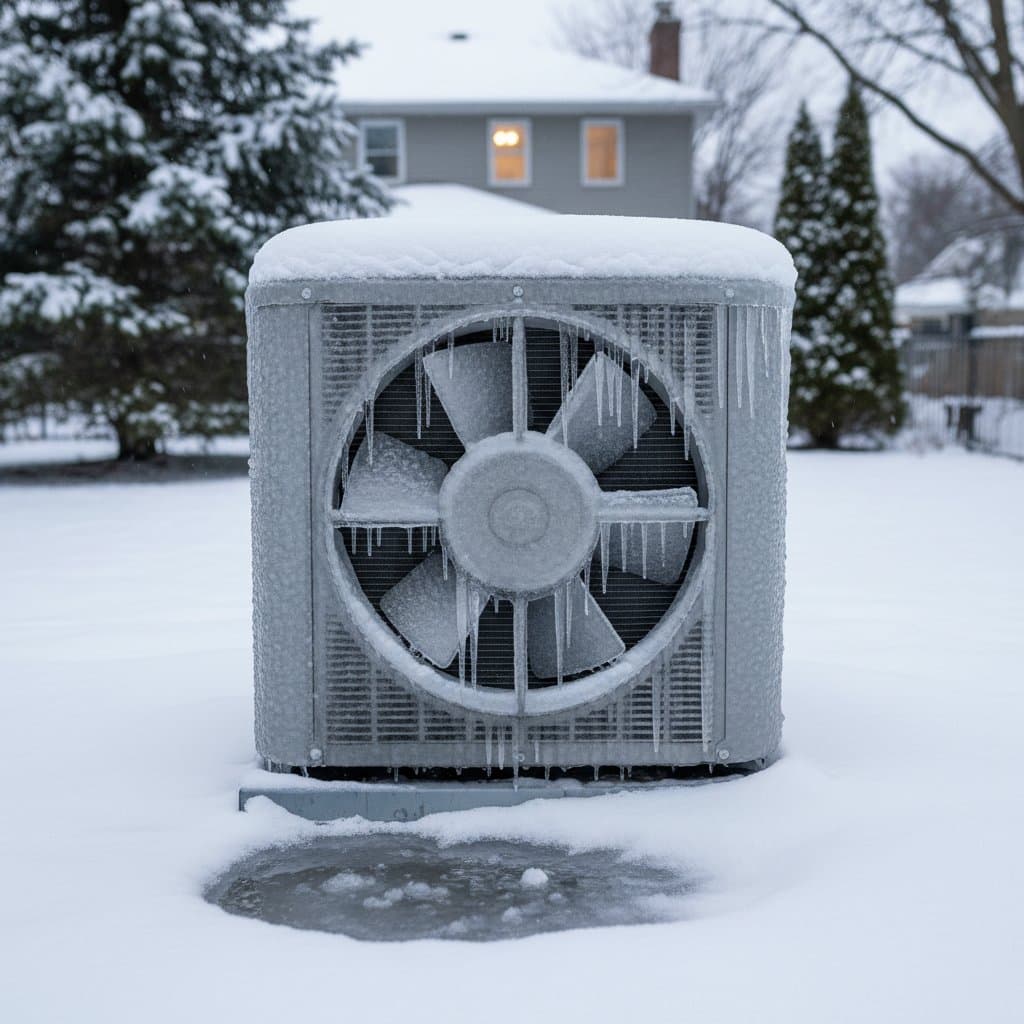
If the defrost system fails, the coils can become coated with thick ice. This buildup prevents heat exchange, reduces efficiency, and can eventually stop the system from operating altogether. The defrost cycle is essential for maintaining both performance and reliability during winter months.
Common Signs of a Defrost Failure
When a heat pump defrost system stops working properly, the symptoms are usually easy to spot. Pay attention to these warning signs:
- A thick layer of ice covering the outdoor unit, including the fan blades or coil area
- Reduced airflow from the vents inside your home
- The heat pump running constantly but struggling to reach the set temperature
- Unusual noises, such as clicking or grinding from the outdoor unit
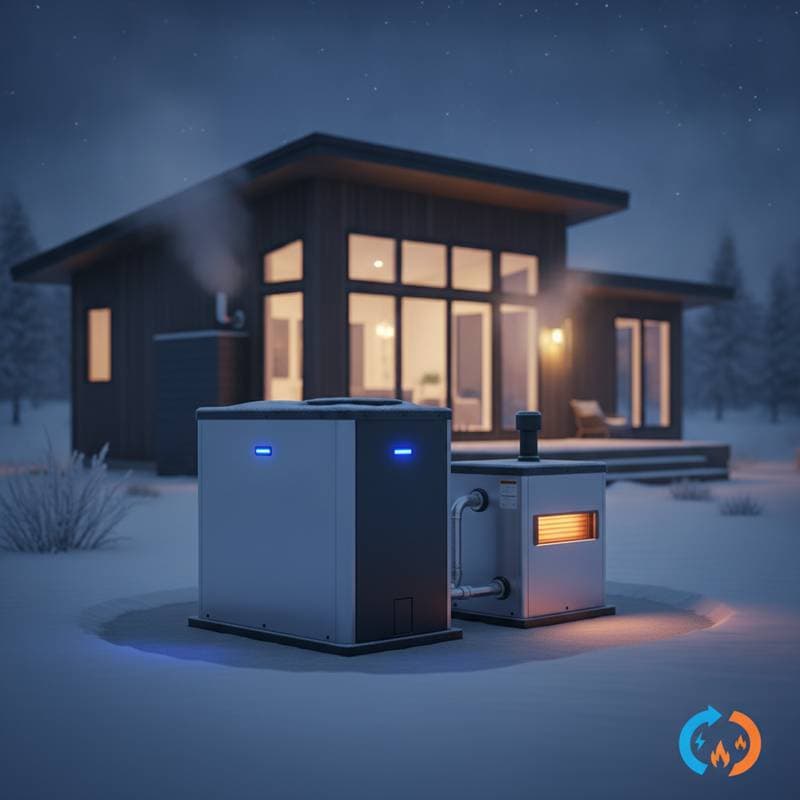
- Steam not releasing from the outdoor unit during defrost mode
If you notice any of these issues, do not ignore them. An iced-over heat pump must work much harder to move heat, which can shorten its lifespan and raise your utility bills significantly.
Why Defrost Failures Are Increasing
A 52% rise in defrost failures may sound alarming, but several factors contribute to this trend. Understanding them can help you prevent the same issues in your own system. Below, explore the primary causes in detail.
1. Colder and Longer Cold Spells
Extended periods of freezing temperatures push heat pumps to operate for longer hours. The outdoor coils remain cold, which encourages frost buildup. When this cycle repeats day after day, even small malfunctions in the defrost system can quickly lead to heavy ice accumulation that overwhelms the unit.
2. Lack of Regular Maintenance
Many homeowners skip seasonal tune-ups, assuming their heat pump will run fine on its own. Without cleaning, inspection, and testing, small issues like a dirty sensor or weak reversing valve can go unnoticed until the defrost cycle stops working. Routine maintenance identifies these problems before they escalate during peak winter demand.
3. Sensor or Thermostat Problems
The defrost control relies on temperature sensors to detect frost levels. If a sensor is dirty, misaligned, or faulty, the system may never trigger defrost mode when it should. This is one of the most common causes of failure, as sensors directly influence the timing and effectiveness of the defrost process.
4. Restricted Airflow
Clogged air filters, blocked outdoor coils, or snow drifts around the unit limit airflow. When the outdoor coil cannot breathe, frost forms faster than the defrost cycle can melt it, leading to constant icing. Addressing airflow restrictions early prevents this vicious cycle from developing.
How to Prevent Heat Pump Defrost Failures
Here is what you can do to keep your system running smoothly through the coldest months. Implement these steps proactively to minimize risks.
- Keep the outdoor unit clear. Remove leaves, snow, and debris from around the heat pump. Maintain at least two feet of clearance on all sides to allow proper air circulation.
- Replace air filters regularly. A clean filter ensures proper airflow and prevents strain on the system. Check and change filters every one to three months, depending on usage.
- Schedule professional maintenance. A certified technician can inspect the defrost controls, sensors, and refrigerant levels to catch problems early. Aim for annual tune-ups before winter arrives.
- Check for proper drainage. Water from melted frost should drain freely away from the unit. If it refreezes at the base, it can block airflow and trigger more ice buildup; clear any ice blockages promptly.
- Monitor performance. If your system runs longer than usual or produces less heat, call for service before the problem worsens. Track your thermostat settings and energy usage for early indicators.
DIY Checks vs. Hiring a Pro
There are a few simple checks you can perform safely at home:
- Visually inspect the outdoor unit for heavy ice buildup.
- Clear away snow or debris surrounding the unit.
- Replace indoor air filters as needed.
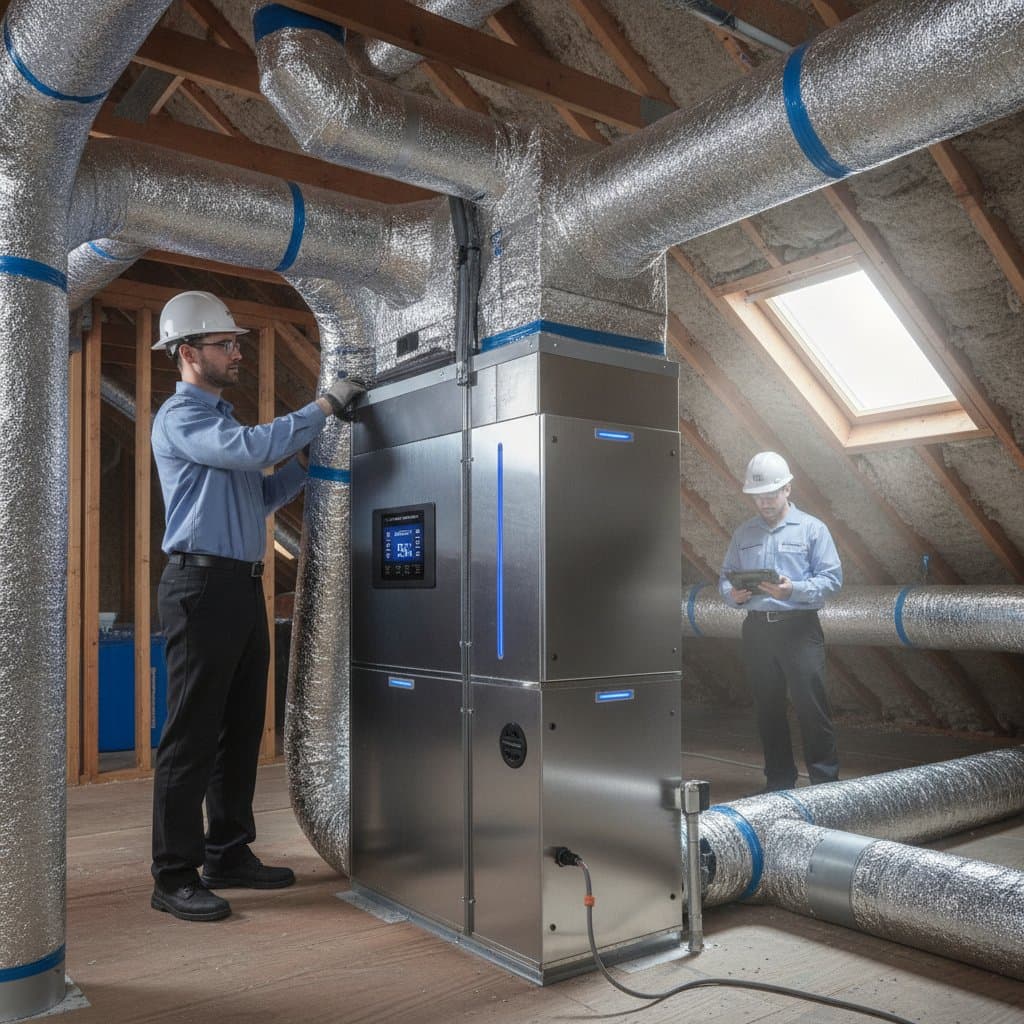
Beyond these steps, defrost issues often involve electrical components, refrigerant, or control boards. These are not safe DIY projects. A licensed HVAC technician can test sensors, measure refrigerant pressures, and verify proper operation of the reversing valve and defrost board. Attempting these repairs yourself could damage the system or void its warranty.
The Professional Defrost Repair Process
When you call for service, here is what a professional usually does to diagnose and fix the issue:
- Inspection: The technician checks the outdoor unit for visible ice and tests the defrost board and sensors for functionality.
- Testing the reversing valve: This valve switches the system between heating and cooling modes, which is critical for defrosting. The technician verifies it shifts smoothly without leaks.
- Checking refrigerant levels: Low refrigerant can prevent proper heat transfer and cause frost to form faster. Adjustments ensure optimal charge for efficient operation.
- Cleaning the coils and sensors: Dirt or debris can interfere with sensor accuracy. Thorough cleaning restores precise frost detection.
- System calibration: The technician ensures the defrost cycle activates at the correct temperature, typically around 32 degrees Fahrenheit, and runs for the appropriate duration, often 5 to 15 minutes.
Once repairs are complete, your heat pump should resume normal operation, cycling through defrost mode automatically as needed. This restores efficiency and prevents future breakdowns.
Frequently Asked Questions
Why does my heat pump freeze up in winter?
Your heat pump collects moisture from the outdoor air. When temperatures drop, this moisture freezes on the coils. The system should automatically defrost, but if it does not, something in the defrost control, sensors, or airflow may be malfunctioning.
How often should the defrost cycle run?
The defrost cycle typically activates every 30 to 90 minutes during heating mode, depending on outdoor conditions and system design. If it runs too frequently or not at all, consult a professional to check for underlying issues.
Can low refrigerant cause defrost problems?
Yes, low refrigerant levels reduce the system's ability to transfer heat effectively, leading to excessive frost buildup. A technician can detect leaks and recharge the system to resolve this.
Is it normal for my heat pump to produce steam during defrost?
Steam or vapor from the outdoor unit is normal during the defrost cycle, as warm air meets cold coils. If no steam appears when frost is present, the defrost function may need repair.
Steps to Ensure Year-Round Heat Pump Efficiency
By addressing defrost failures promptly, you protect your investment and maintain a comfortable home. Regular vigilance and professional support keep your system performing at its best. Implement these strategies now to avoid disruptions next winter and enjoy reliable heating without unexpected costs.