Understanding Multi-Zone HVAC Systems for Customized Comfort and Savings
The Advantages of Room-by-Room Temperature Control
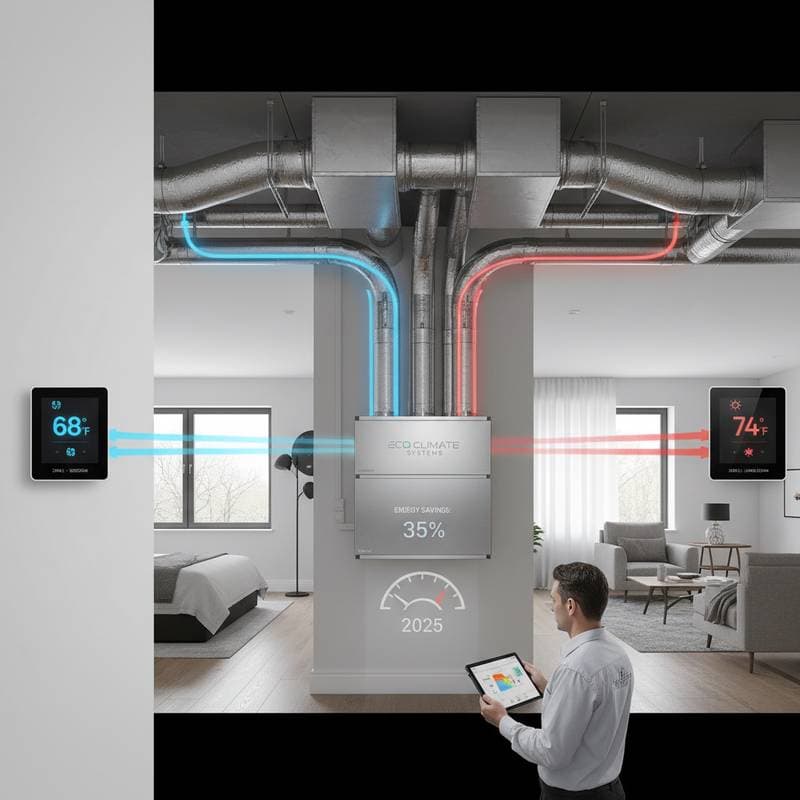
Maintaining consistent comfort throughout a home presents challenges when temperatures fluctuate between rooms. Homeowners often encounter the inefficiency of heating or cooling the entire structure for the benefit of just a few occupied spaces. Multi-zone HVAC systems address this issue by enabling independent temperature adjustments for each area, which can decrease energy consumption by up to 35 percent. These systems enhance overall comfort, eliminate energy waste, and contribute to reduced utility expenses.
This resource details the operation of HVAC zoning, required equipment, and pathways to significant energy reductions. Readers gain insights into installation considerations, associated costs, and strategies to optimize system performance.
Mechanisms Behind 35% Energy Savings in Zoning Systems
Energy conservation in zoning systems stems from eliminating excess heating or cooling in unoccupied areas. Conventional HVAC setups condition the whole house uniformly, resulting in avoidable energy expenditure. Zoning resolves this by directing conditioned air solely to active zones.
Three primary enhancements drive these savings:
-
Shorter Operational Cycles
The HVAC unit operates for reduced durations to achieve desired temperatures in specific zones. -
Precise Climate Delivery
Adjustments in unused rooms lessen the overall demand on the system. -
Enhanced Operational Precision
Integration of advanced thermostats and sensors ensures steady comfort levels with limited energy input.
Pairing zoning with programmable or intelligent controls amplifies reductions in household energy demands, yielding observable decreases in costs shortly after implementation.
Essential Components of Multi-Zone HVAC Systems
Zoning systems rely on interconnected elements to regulate airflow and temperature with precision.
| Component | Function | Benefit |
|---|---|---|
| Thermostats | Regulate temperature settings per zone. | Enables customized climate control. |
| Control Panel | Links thermostats to the central unit and dampers. | Manages coordinated system functions. |
| Zone Dampers | Regulate duct openings to control air distribution. | Optimizes airflow and system efficiency. |
| Sensors | Monitor temperature and occupancy levels. | Facilitates automated energy-conserving adjustments. |
These elements collaborate to provide superior comfort management and targeted energy allocation across the residence.
Factors Influencing Zoning System Effectiveness
Multiple variables determine the performance and energy-saving potential of a zoning setup.
Home Configuration
Properties with expansive floor plans or multiple levels derive the greatest advantages from zoning, as vertical temperature gradients are prevalent.
Insulation Quality and Air Barriers
Effective insulation preserves stable conditions within zones. Inadequate duct sealing or wall barriers diminishes system output.
Strategic Zone Planning
Defining zones accurately proves essential. Typical configurations isolate living spaces, sleeping quarters, and lower levels for independent control.
HVAC Capacity and Configuration
Selecting appropriately sized equipment guarantees sufficient air delivery to each zone without straining the unit.
Integration of Intelligent Controls
Advanced thermostats elevate zoning by adapting to usage habits, automating responses, and averting waste in vacant areas.
Investment Breakdown for Multi-Zone Installations
| System Variant | Cost Estimate | Key Features |
|---|---|---|
| Ducted HVAC with Zoning Add-Ons | $2,500 to $6,000 | Compatible with current ducts; incorporates motorized dampers and panels. |
| Ductless Mini-Split Arrays | $3,000 to $10,000 | Features separate indoor units; suitable for duct-free homes. |
| Smart Thermostat Upgrades | $150 to $400 per zone | Provides scheduling, usage monitoring, and remote access capabilities. |
Frequently Asked Questions on HVAC Zoning
What Is the Maximum Number of Zones for a Residence?
Systems typically support two to eight zones. The optimal count aligns with the property's dimensions, design, and occupancy patterns.
Can Zoning Integrate with Current HVAC Infrastructure?
Affirmative, provided the ductwork remains functional. An expert evaluation verifies suitability for retrofitting.
Does Zoning Extend Equipment Lifespan?
Indeed, lighter operational demands and infrequent cycling reduce component stress, prolonging system durability.
Is a Smart Thermostat Essential for Zoning?
While not mandatory, these devices simplify automation, energy tracking, and preference customization.
Securing Quotes for Your Zoning Installation
Essential Inquiries for HVAC Professionals
- What zone count suits my home's structure?
- Does my present HVAC integrate with zoning technology?
- Which zoning tools maximize efficiency for my setup?
- What is the projected installation timeline?
- Are rebates or incentives applicable?
- What maintenance protocols apply?
- How will airflow equilibrium be achieved across zones?
- What warranties cover components and workmanship?
- Is future zone expansion feasible?
- Do post-installation efficiency verifications occur?
Optimizing and Maintaining Your Zoned HVAC for Lasting Efficiency
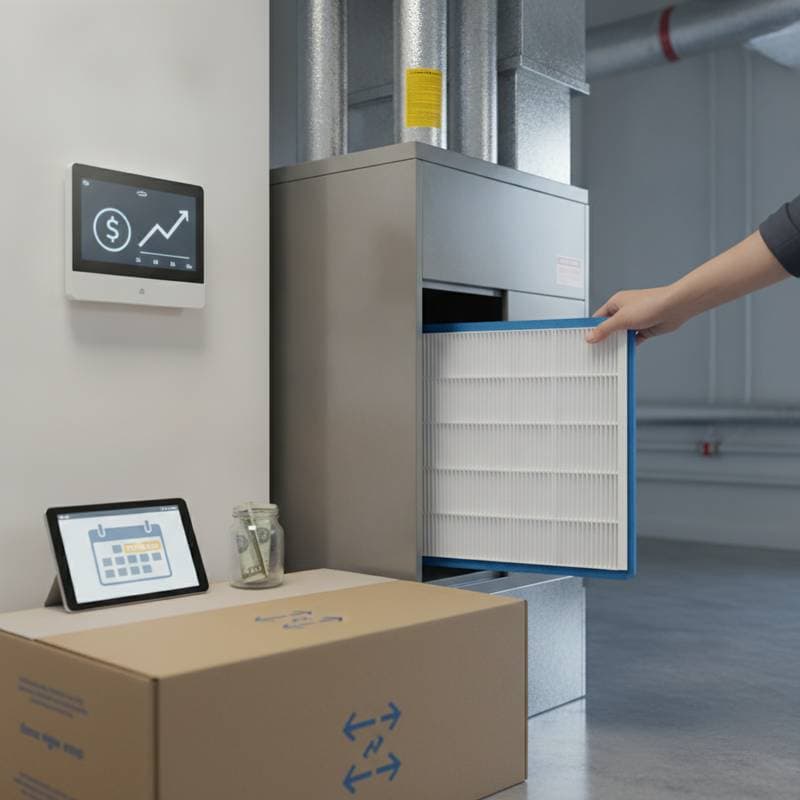
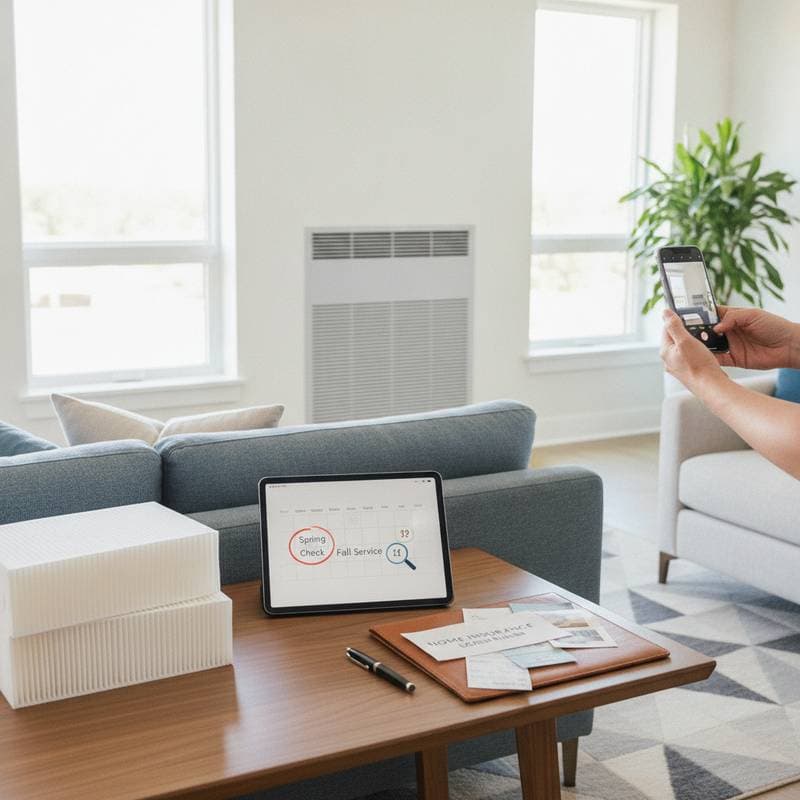
After installation, prioritize routine upkeep and thermostat configuration to sustain low energy profiles. Replace air filters periodically, inspect duct integrity, and arrange annual technician visits to uphold optimal function. These practices yield reliable comfort, diminished fluctuations, and sustained reductions in utility costs.