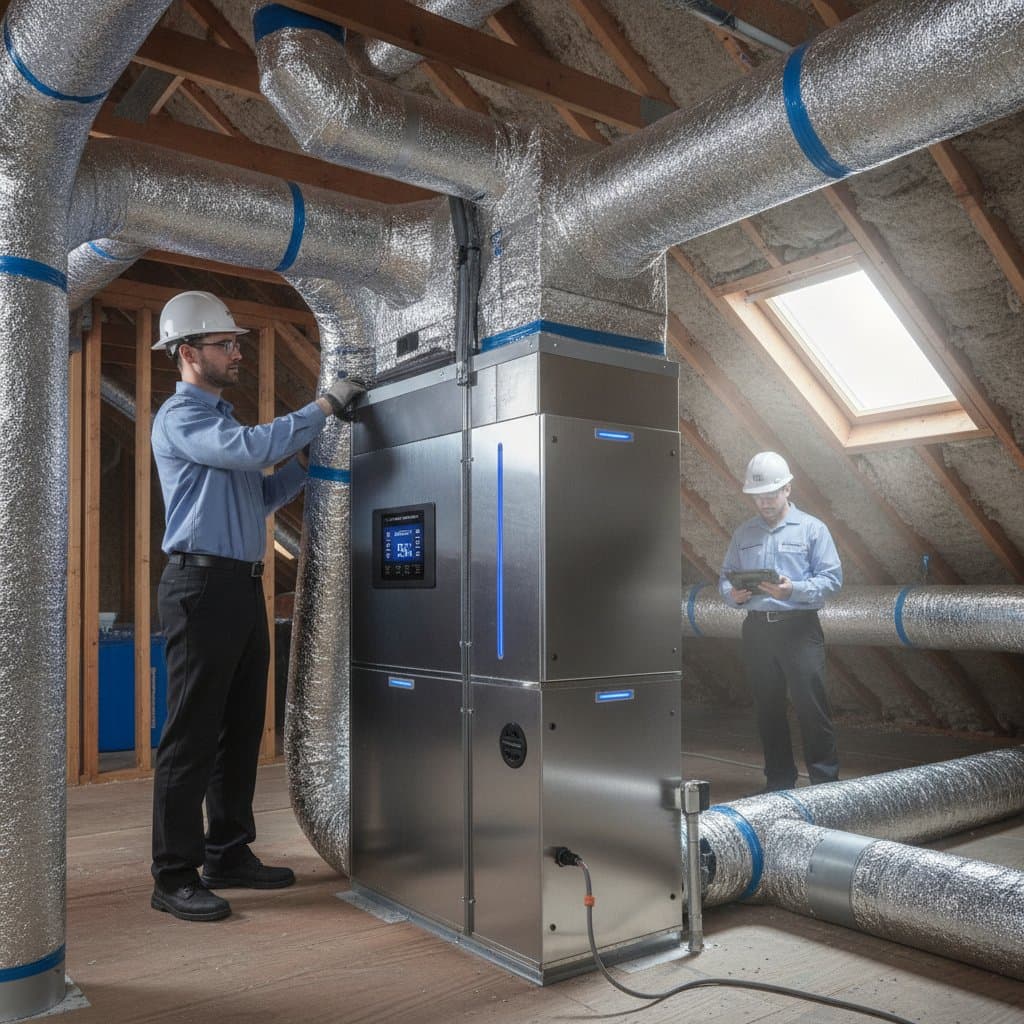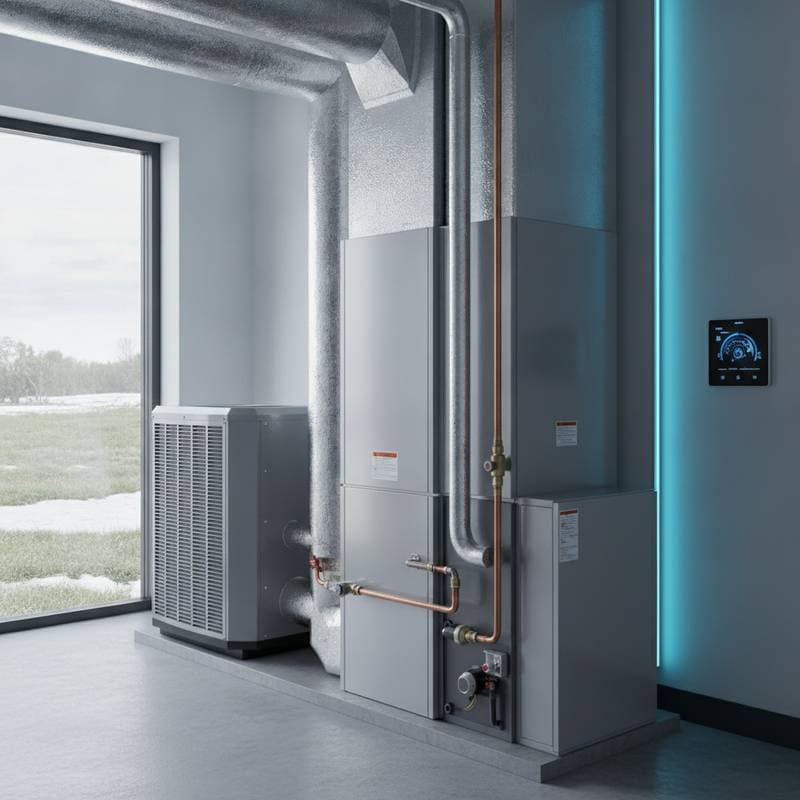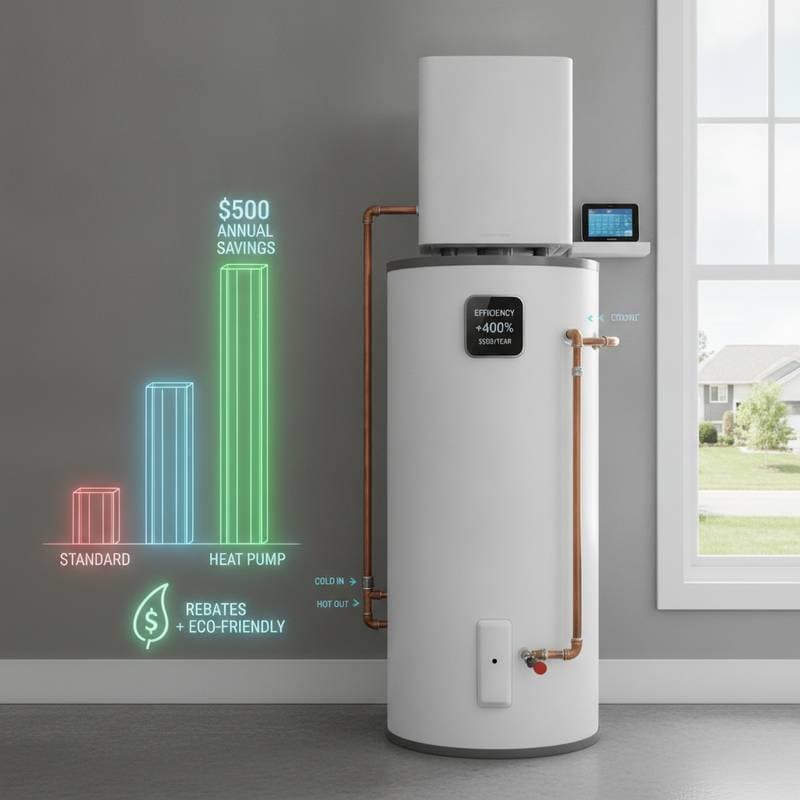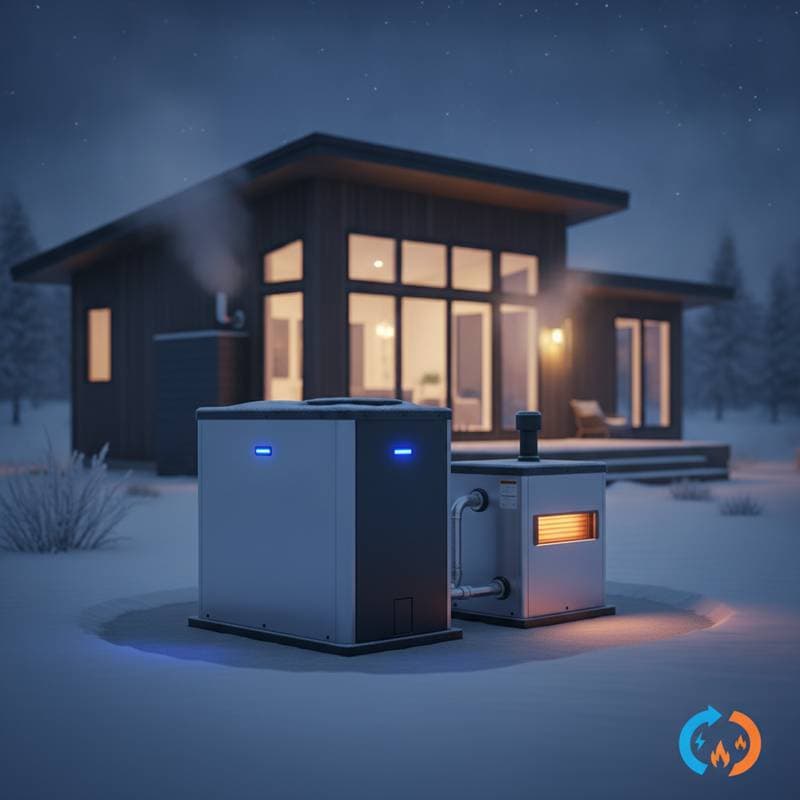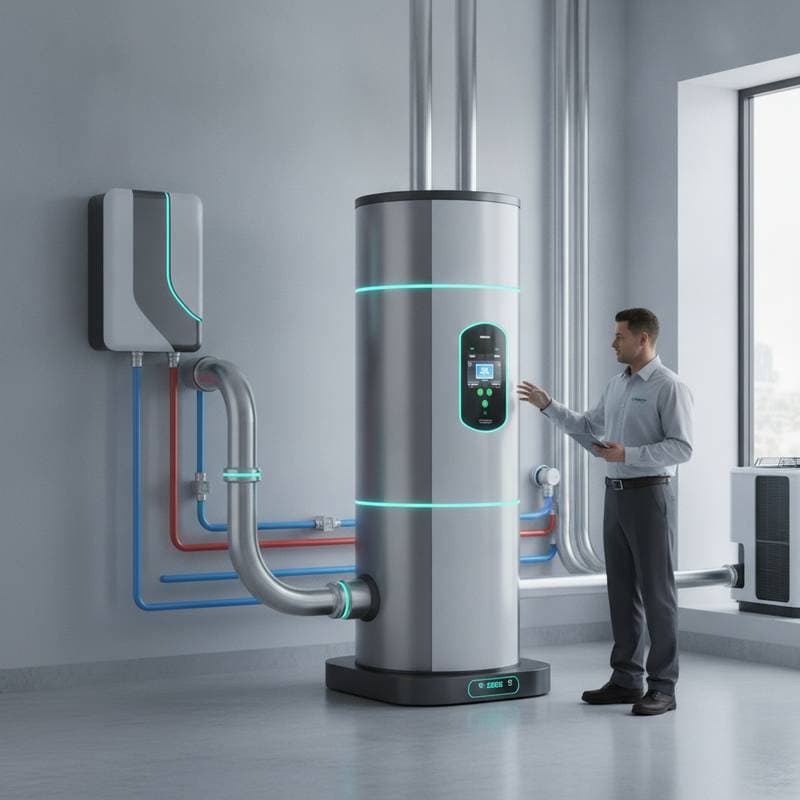
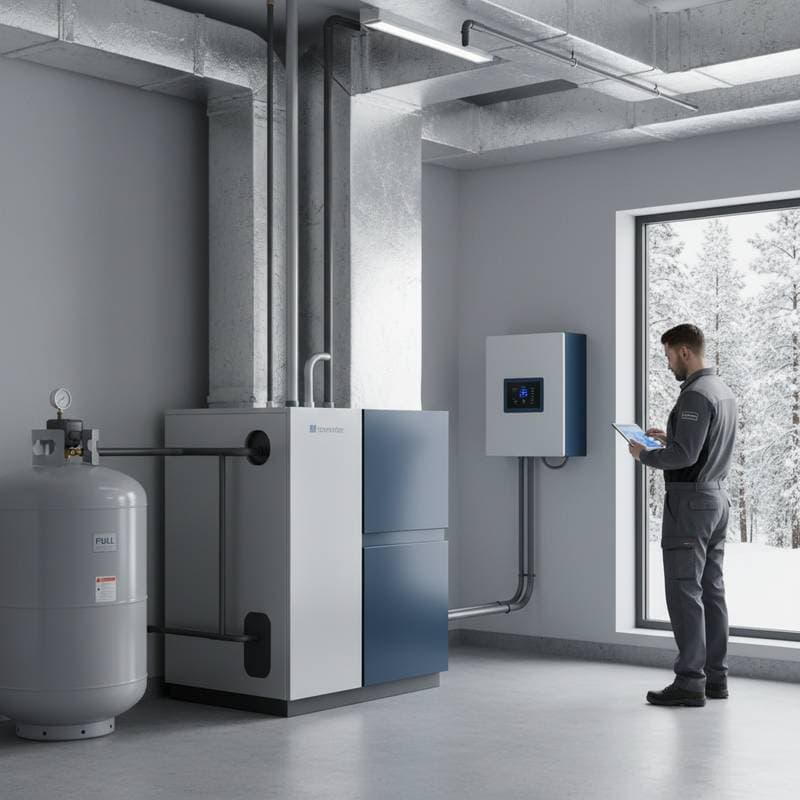
- Current Setup: Existing propane lines and duct systems simplify and reduce installation efforts.
- Unit Efficiency: Models with superior ratings involve higher initial costs but generate greater bill reductions over years.
- Regional Climate: Properties in severe cold zones might require supplementary features for full effectiveness.
- Professional Fees: Local labor rates and contractor expertise affect total pricing.
Consult a certified HVAC specialist for a customized assessment of your property. Although upfront costs may surpass those of basic electric installations, sustained energy efficiencies typically recover the difference within several seasons.
Comparing Propane Heat Pumps to Electric Heat Pumps
Distinguishing between these heating options aids informed decision-making for residential upgrades.
Operational Reliability
Electric heat pumps excel in temperate areas but falter in subfreezing weather, often failing to deliver adequate heat. Propane hybrids sustain performance across a broader temperature range, preventing discomfort during severe winter storms.
Expense Management
All-electric configurations depend solely on power grids, which prove costly amid intensive seasonal use. Propane heat pumps mitigate this by employing propane during high-demand intervals, yielding notable long-term financial benefits.
Ecological Considerations
Propane burns cleanly, emitting lower levels of greenhouse gases than numerous other fuels. Paired with heat pump technology, this hybrid reduces the total carbon output compared to electric systems reliant on coal- or gas-fired power plants.
Professional Installation and Maintenance Guidelines
Propane heat pump setup demands expertise in electrical wiring, refrigerant management, and fuel line integration. Certified professionals possess the necessary qualifications to execute these processes safely. Engage a licensed HVAC technician to evaluate, install, and verify system components for optimal function.
Homeowners manage routine tasks such as replacing air filters, removing outdoor unit debris, and adjusting thermostats. Address any irregularities like odd sounds or error codes promptly through expert service. Early intervention averts minor issues from escalating into expensive overhauls.
Frequently Asked Questions
How Much Savings Can Expect from a Propane Heat Pump?
Actual reductions depend on residence size, regional energy prices, and weather patterns. Numerous users experience up to 55 percent decreases in winter bills versus electric alternatives. Greatest advantages appear in areas with harsh winters and premium electricity tariffs.
Do Propane Heat Pumps Function During Power Outages?
The electric heat pump requires power to operate, yet the propane furnace typically runs with limited electricity. Discuss auxiliary solutions like batteries or generators with your installer to secure heating continuity in disruptions.
What Maintenance Schedule Applies to Propane Heat Pumps?
Annual professional inspections and cleanings prove essential. Such routines preserve efficiency and identify concerns before they worsen.
Is Conversion of an Existing Electric Heat Pump to Propane Hybrid Feasible?
Yes, many systems allow retrofitting with propane backup components. A qualified technician assesses compatibility and handles modifications to integrate the furnace effectively.
Does Propane Pose Safety Risks in Residential Settings?
Propane remains safe when systems install and maintain correctly. Modern units include safeguards like leak detectors and automatic shutoffs. Adhere to professional guidelines and local codes to minimize hazards.
Evaluating Your Path to Efficient Heating
Propane heat pumps deliver the dependable warmth and economic advantages that pure electric systems often cannot provide in challenging winters. This hybrid technology leverages complementary strengths to ensure even heating distribution and reduced operational expenses. Schedule an evaluation with a reputable HVAC provider to explore how this upgrade aligns with your home's requirements and budget.