Operating Cost Comparison: Propane Versus Electric Heat Pumps in 2026
Homeowners upgrading heating systems frequently evaluate propane heat pumps against electric heat pumps to achieve optimal comfort at minimal expense. Propane models deliver operating costs up to 40% below those of electric counterparts in numerous areas, influenced by local energy rates, weather patterns, and unit performance. This analysis details expense variations, setup considerations, and upkeep needs to guide selection of the most suitable option for specific homes and financial plans.
Typical Installation and Annual Operating Expenses
Propane and electric heat pumps both furnish effective heating solutions, yet differences emerge in running expenses, setup fees, and energy output. The following table outlines expected ranges for homeowners assessing these technologies.
| Type | Average Installation Cost | Average Annual Operating Cost | Key Details |
|---|---|---|---|
| Propane Heat Pump | $4,500 – $9,000 | $600 – $1,100 | These systems utilize on-site propane storage and maintain strong performance in subzero conditions. |
| Electric Heat Pump | $4,000 – $8,500 | $900 – $1,800 | Dependent on grid electricity, these units experience efficiency drops in temperatures below freezing. |
Installation expenses align closely between the two, but propane heat pumps yield reduced long-term energy outlays, especially where electric systems demand supplemental power during harsh winters.
Expenses Influenced by Efficiency Ratings and System Capacity
Heating system efficiency relies on the Heating Seasonal Performance Factor (HSPF), where elevated ratings correlate with diminished utility payments alongside increased initial investments. Capacity requirements also impact both setup and ongoing costs, scaled to home dimensions.
| Efficiency Rating | Propane Heat Pump Cost | Electric Heat Pump Cost | Typical Home Size Supported |
|---|---|---|---|
| Standard (HSPF 8 – 9) | $4,000 – $6,500 | $4,000 – $6,000 | Small to medium homes (1,000–2,000 sq ft) |
| High Efficiency (HSPF 10 – 11) | $6,500 – $8,500 | $6,000 – $8,000 | Medium to large homes (2,000–3,500 sq ft) |
| Premium Efficiency (HSPF 12+) | $8,500 – $9,500+ | $8,000 – $9,000+ | Large or high-demand homes (3,500+ sq ft) |
Propane heat pumps sustain superior efficiency during extreme cold, whereas electric variants may falter below 32 degrees Fahrenheit, amplifying yearly energy demands and expenses.
Key Factors Shaping Propane and Electric Heat Pump Expenses
Multiple elements determine the overall expense of propane or electric heating, including geographic position, unit configuration, and prevailing energy tariffs. Each plays a role in cumulative expenditures across the system's service life.
1. Fuel and Energy Tariffs
Propane pricing varies with market forces yet frequently undercuts electricity costs in rural or remote locales. Electricity tariffs often escalate in winter peaks, elevating the burden for electric heat pump operators.
2. Regional Climate Variations
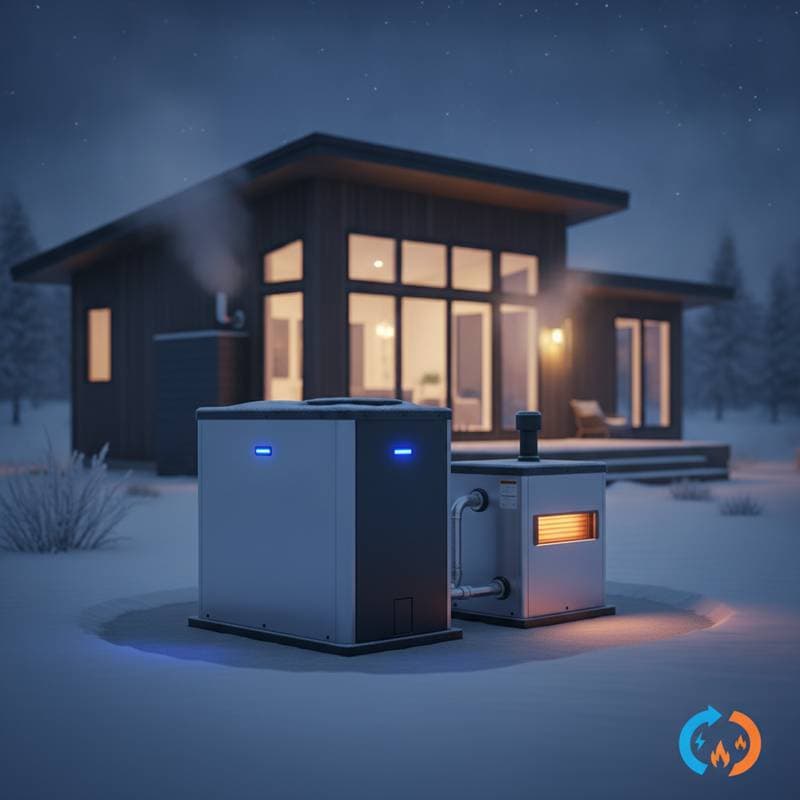
Propane heat pumps operate reliably in severe cold, independent of ambient air temperatures for heat generation. Electric heat pumps excel in temperate zones but require auxiliary heating in prolonged freezes, which raises costs.
3. Setup and Labor Expenses
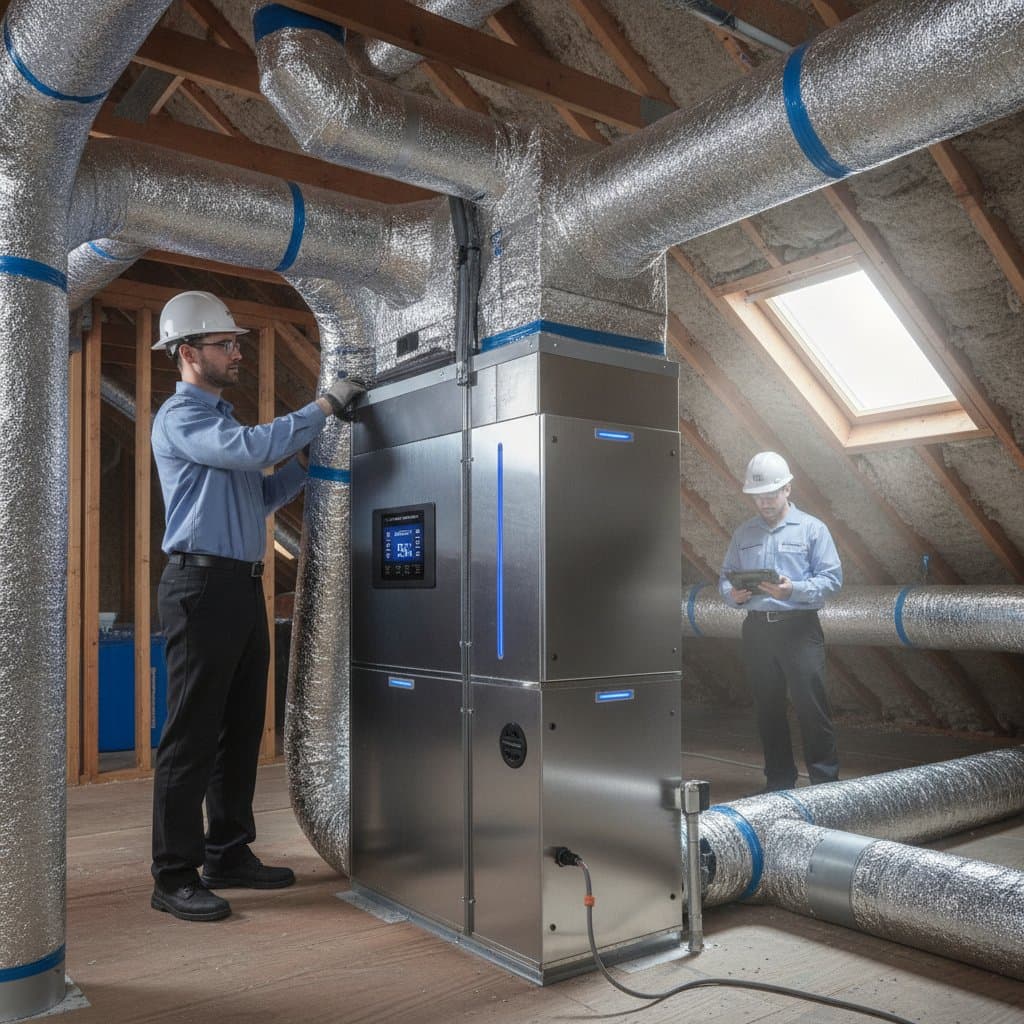
Local labor rates and project intricacy dictate installation fees. Propane setups involve tank placement and piping, potentially increasing complexity, while electric installations demand electrical panel enhancements in aging structures.
4. Upkeep and Servicing Requirements
Propane heat pumps necessitate regular tank assessments and combustion chamber inspections. Electric models call for air filter replacements, evaporator coil maintenance, and refrigerant level verifications. Annual servicing expenses remain comparable, although propane elements may warrant more thorough checks due to fuel-burning components.
5. Rebates and Financial Incentives
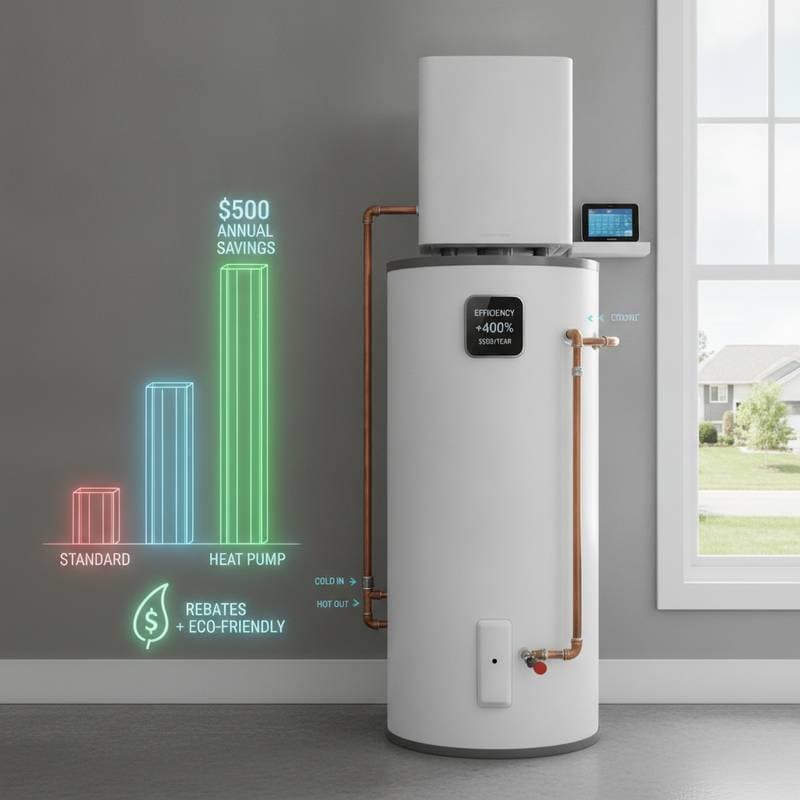
Utility providers and government programs frequently subsidize high-efficiency installations for both technologies. Homeowners should verify eligibility for credits that offset initial outlays, particularly for energy-conserving upgrades.
Frequently Asked Questions on Propane Versus Electric Heat Pumps
Are Propane Heat Pumps Truly 40% Less Expensive to Operate?
In various locales, propane heat pumps incur 30% to 40% lower running costs than electric models, contingent on regional rates and efficiency levels. Colder areas amplify this advantage, as propane avoids the need for inefficient electric backups during deep freezes.
Which System Delivers Superior Heating Output?
Propane heat pumps provide robust, rapid warmth, particularly in frigid conditions. Electric heat pumps function effectively in moderate weather but may activate supplemental resistance heating in extended cold periods, compromising efficiency.
What Is the Expected Service Life for Each System?
With diligent maintenance, both propane and electric heat pumps endure 15 to 20 years. Routine professional inspections and component cleaning preserve performance and prolong operational longevity.
Is Transitioning from Electric to Propane Straightforward?
Conversion proves feasible, though it entails installing a propane tank, supply lines, and exhaust venting. An HVAC specialist evaluates site conditions to furnish a precise cost projection and timeline.
Which Option Proves More Environmentally Sustainable?
Electric heat pumps qualify as greener when sourcing power from renewable grids, emitting no on-site pollutants. Propane heat pumps, reliant on combustion, release some carbon dioxide, yet modern low-emission designs and efficient operation minimize their ecological footprint compared to traditional fossil fuel heaters.
Securing Quotes for Propane or Electric Heat Pump Installations
Essential Questions for HVAC Professionals
- What capacity suits my home's specific heating requirements?
- How do prevailing local energy prices influence projected annual expenses?
- Which efficiency rating aligns best with my regional climate?
- What rebates or incentives apply to this project?
- What servicing routine ensures peak operation?
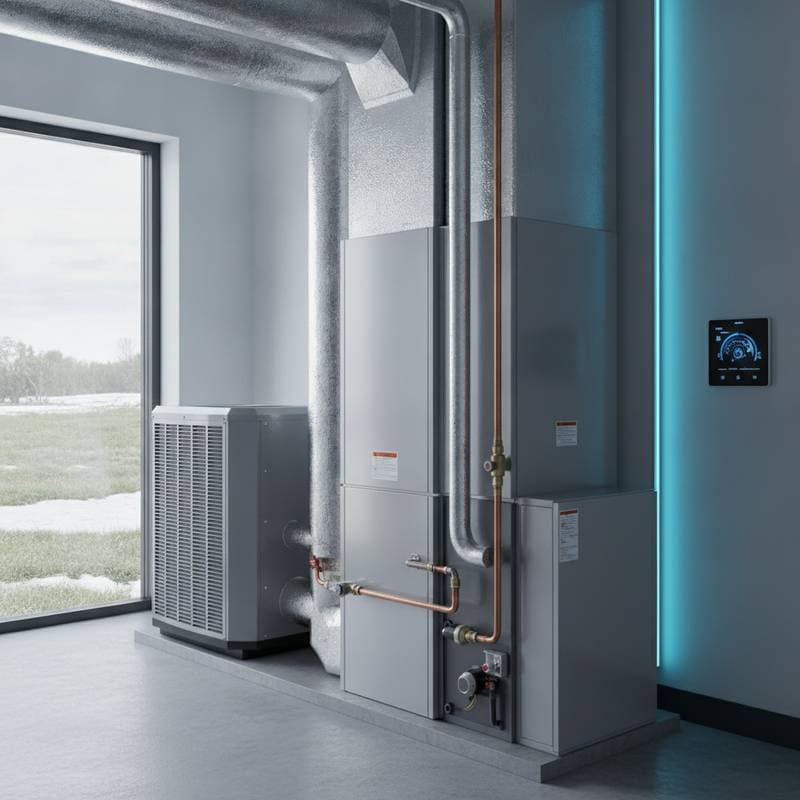
- Does this integrate seamlessly with current duct systems?
- How do warranties compare across propane and electric options?
- What durability can I anticipate from this installation?
- What is the projected completion timeframe?
- What are the forecasted yearly operating costs?
Selecting the Optimal Heating Solution for Your Home
Propane and electric heat pumps both guarantee dependable warmth and energy thrift, yet their economic viability hinges on climate and energy access. Residents in chilly or isolated settings benefit from propane's cost savings and steadfast performance. In warmer areas with clean power availability, electric systems offer simplicity and sustainability. Evaluate your circumstances to invest in a setup that enhances comfort while curbing expenses over the long term.