How Will the 8 States Mandating HVAC Electrification in 2025 Affect Homeowners?
Home heating and cooling systems enter a new era as eight states mandate HVAC electrification in 2025. This policy shift influences construction of new buildings and upgrades to existing homes. The objective centers on reducing fossil fuel dependence by substituting gas furnaces with electric heat pumps and enhancing energy efficiency in residential and commercial sectors.
Homeowners encounter impacts on installation costs, system options, energy savings, and property resale value. This guide defines HVAC electrification, identifies affected states, specifies qualifying systems, and outlines preparation strategies. It addresses anticipated costs, available incentives, and compliance measures.
Average HVAC Electrification Cost
Costs for replacing or installing an electric HVAC system fluctuate based on home size, regional climate, and selected equipment. Homeowners typically invest between $8,000 and $20,000 for a full electrified setup that handles both heating and cooling.
| System Type | Average Installed Cost | Description |
|---|---|---|
| Air-source heat pump | $8,000 – $14,000 | Suitable for moderate climates; delivers heating and cooling |
| Cold-climate heat pump | $10,000 – $20,000 | Engineered for low temperatures; frequently replaces gas furnaces |
| Geothermal heat pump | $15,000 – $35,000 | Employs underground loops for superior efficiency, though installation proves costly |
| Ductless mini-split system | $4,000 – $12,000 | Perfect for compact homes or additions lacking ductwork |
These figures encompass labor, materials, and essential electrical modifications. Properties with prior gas furnace setups might require expanded electrical capacity or panel enhancements, adding $1,000 to $3,000.
Residents in mandating states qualify for rebates or tax incentives that offset expenses, especially for high-efficiency or Energy Star-rated heat pumps.
HVAC Electrification Cost Factors
Multiple elements determine the total expense of adopting or installing an electric system. Grasping these allows homeowners to budget effectively and pinpoint cost-reduction tactics.
1. System Type and Efficiency
Units with superior efficiency demand higher initial investment yet yield reduced energy bills over time. Models for cold climates or those with variable-speed operation prove advantageous in severe winter conditions.
2. Home Size and Layout
Expansive residences or multi-level designs necessitate greater capacity and extra indoor components, elevating equipment and labor expenditures.
3. Electrical Upgrades
Aging structures often require panel or circuit improvements to accommodate electric heating loads. Such modifications generally span $1,000 to $5,000, varying by project intricacy.
4. Ductwork Condition
Current duct networks demand evaluation for leaks or improper sizing. Remediation or fresh installations contribute $2,000 to $6,000 toward the overall sum.
5. Climate
Regions with frigid weather call for specialized heat pumps that function effectively at subzero levels. These options cost more initially but guarantee dependable performance.
6. Labor Costs
Installation fees vary by location. Metropolitan zones or areas with rigorous certification standards tend to incur elevated labor charges.
7. Rebates and Incentives
State programs and utility providers frequently supply rebates exceeding $3,000 for eligible electric HVAC installations. Federal tax credits further diminish out-of-pocket spending.
Common Challenges and Solutions
Shifting to electric heating presents hurdles such as cold-weather reliability, substantial initial outlays, and integration with legacy infrastructure. Advances in technology and support programs mitigate these concerns.
| Challenge | Solution |
|---|---|
| Cold climate performance | Select cold-climate heat pumps featuring inverter technology |
| High upfront cost | Leverage rebates, secure financing, or implement gradual upgrades |
| Electrical capacity limits | Incorporate subpanels or enhance primary service |
| Space constraints | Deploy ductless mini-split configurations |
| Unfamiliarity among contractors | Engage professionals certified in heat pump systems |
Homeowners benefit from collaborating with HVAC experts versed in local regulations and electrification protocols. These specialists ensure optimal system design and execution.
HVAC Electrification FAQs
Will gas furnaces be banned completely?
Most states permit existing gas furnaces to operate through their natural service life. Mandates target new builds and significant renovations. Gradually, replacements must align with electric or electric-ready specifications.
How long does a heat pump last?
Properly maintained heat pumps endure 15 to 20 years. Durability hinges on operational frequency, upkeep routines, and environmental factors. Consistent servicing and filter replacements prolong efficiency and longevity.
Can a heat pump handle both heating and cooling?
Affirmative. Contemporary heat pumps deliver seasonal versatility through operational reversal. During winter, they extract ambient heat to warm interiors. In summer, they expel indoor heat for cooling.
What are the main maintenance requirements?
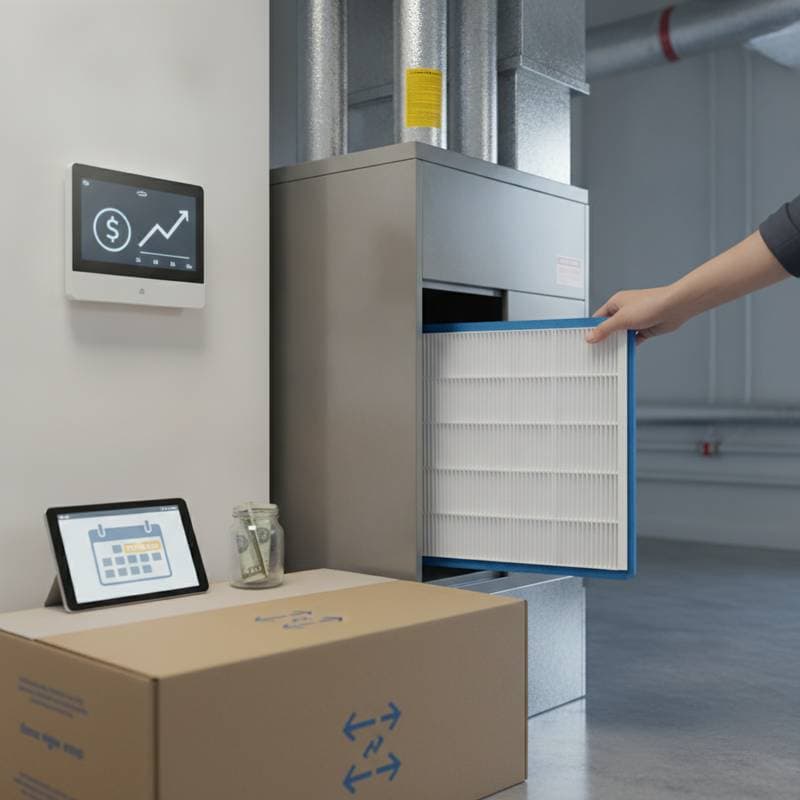
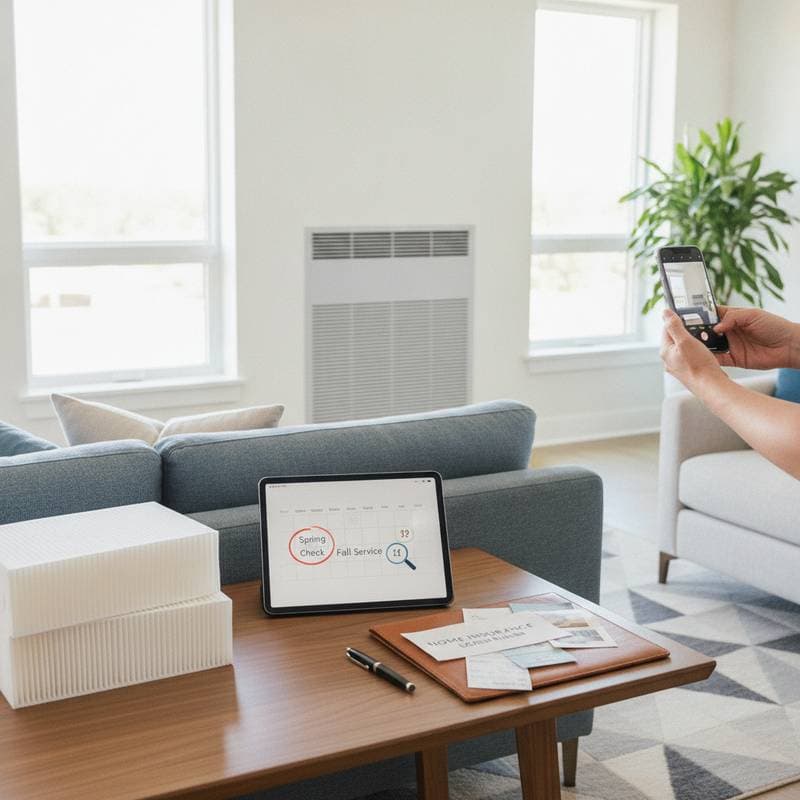
Routine tasks involve filter cleaning or replacement every few months, coil and fan inspections, and yearly professional checkups. Clearing debris from exterior units optimizes airflow and functionality.
Are electric systems more expensive to run?
Electricity pricing differs by provider, but heat pumps exhibit remarkable efficiency. They consume less power than gas furnaces for equivalent output, often translating to decreased utility expenses, particularly in temperate zones.
How do these mandates affect resale value?
Properties equipped with contemporary electric systems appeal to prospective buyers. Such features signal code compliance and operational economy, thereby boosting market value.
Getting HVAC Electrification Quotes
Initiating the electrification process involves soliciting estimates from licensed contractors experienced in electric HVAC. Personalized assessments reveal appropriate system dimensions, duct needs, and incentive eligibility.
Questions to Ask Before Hiring
- Do you hold certification for installing high-efficiency heat pumps?
- Which brands and models suit my local climate?
- Does my current electrical panel accommodate this setup?
- What rebates or incentives qualify for this installation?
- Can you furnish a comprehensive breakdown of labor and equipment costs?
- What is the projected timeline for completion?
- What warranty terms apply?
- How should I maintain the system for peak efficiency?
- Have you executed comparable projects nearby?
- What phased upgrade alternatives exist if full replacement proves impractical?
Preparing Your Home for Electrification Mandates
Eight states advance HVAC electrification mandates, prompting nationwide homeowner awareness. This evolution from gas to electric frameworks redefines heating and cooling delivery, influencing future home technologies.
Early adaptation yields economic and ecological gains. Homeowners who comprehend costs, incentives, and setup demands position their residences for sustained comfort, regulatory adherence, and energy optimization.