Dual-Fuel Heat Pumps: Seamless Transition to Gas for Extreme Cold
When winter temperatures plummet, a dependable heating system becomes essential. Dual-fuel heat pumps provide an intelligent hybrid approach, delivering energy-efficient performance during milder conditions and robust heating when severe cold arrives. This guide explores the mechanics of these systems, their advantages in challenging climates, and practical considerations for installation and maintenance.
Understanding Dual-Fuel Heat Pumps
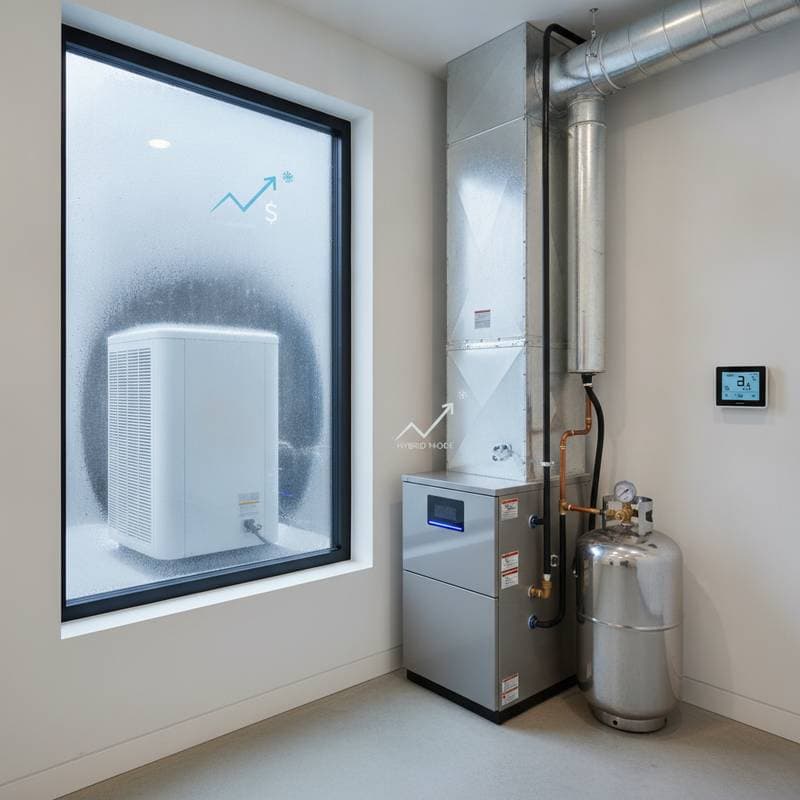
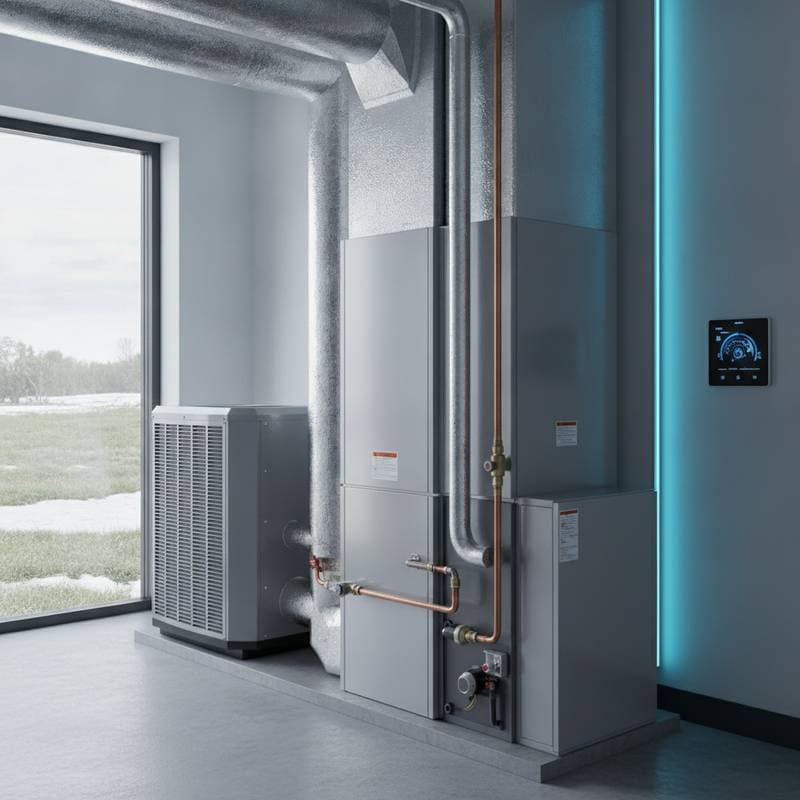
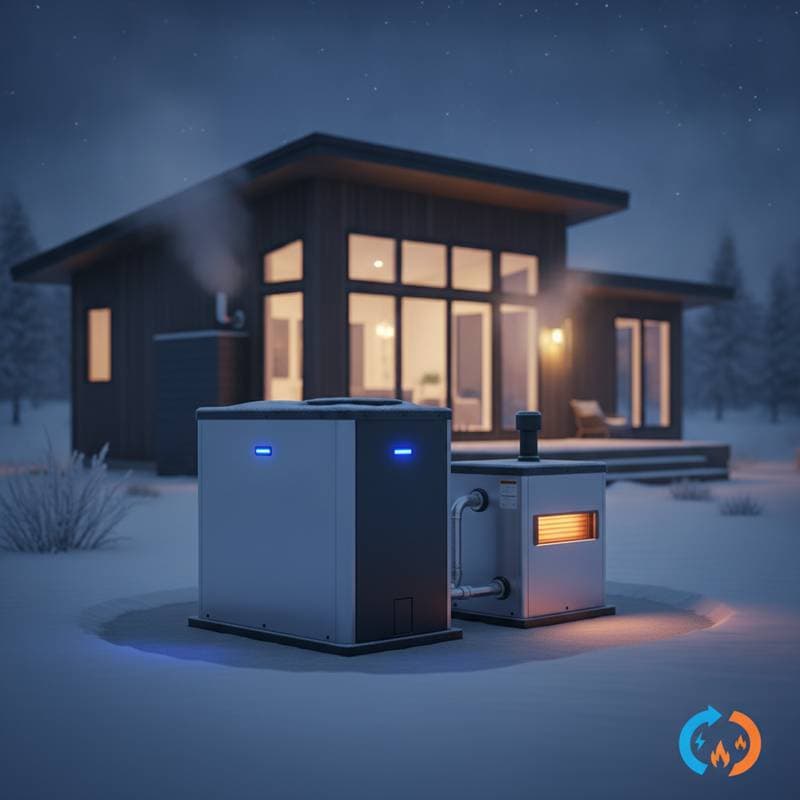
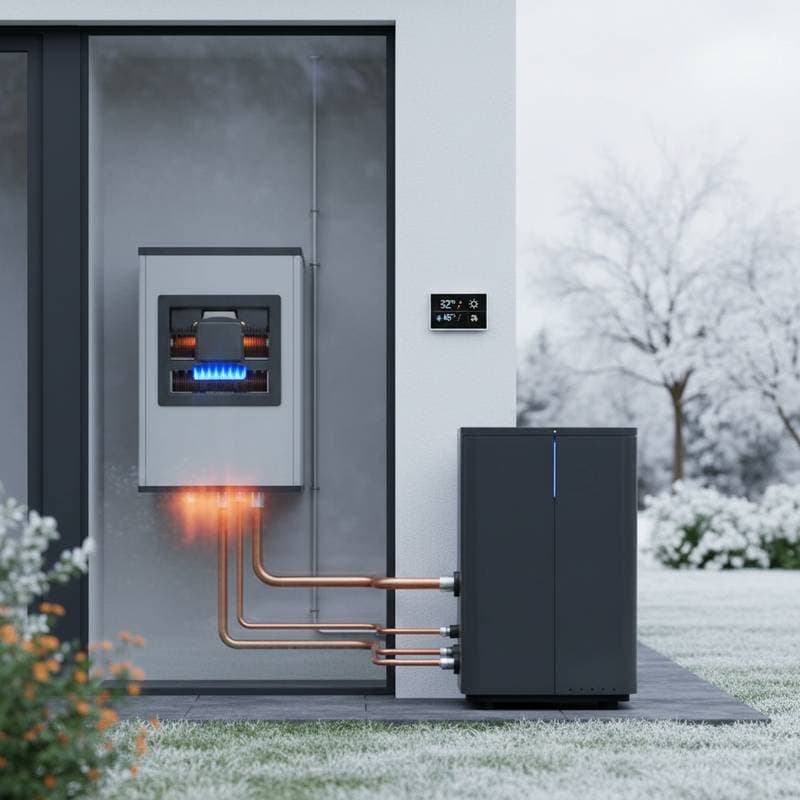
A dual-fuel heat pump integrates the efficiency of an electric heat pump with the high-output capacity of a gas furnace. This hybrid setup automatically shifts between the two components based on external temperature readings.
In temperate weather, the heat pump extracts ambient heat from outdoor air and moves it inside using electricity, which minimizes energy use. As temperatures fall below efficient operating thresholds, typically around 30 degrees Fahrenheit, the system engages the gas furnace to deliver consistent, powerful warmth. This seamless operation maintains indoor comfort while optimizing fuel consumption throughout the seasons.
Advantages in Cold Weather Regions
Standard electric heat pumps perform optimally in mild conditions but lose efficiency in subfreezing environments, often requiring supplemental heating. Dual-fuel systems address this limitation by incorporating a gas furnace that activates precisely when needed.
Homeowners in such areas gain several key benefits:
- Superior energy efficiency during fall and spring, when the heat pump handles primary heating duties.
- Unwavering reliability in the depths of winter, ensuring steady temperatures without performance dips.
- Substantial reductions in overall energy expenses, as the more costly gas furnace operates only during peak demand periods.
These features make dual-fuel systems particularly suitable for homes in northern states or mountainous regions prone to prolonged freezes.
Indicators That a Dual-Fuel System Suits Your Home
Certain conditions signal the potential value of upgrading to a dual-fuel heat pump. Evaluate your situation against these factors:
- Residence in an area with extended winters and frequent temperatures below freezing.
- Desire to lower utility bills while preserving consistent indoor temperatures.
- Availability of natural gas lines or propane storage on the property.
- An older furnace approaching the end of its service life, prompting a shift to advanced technology.
- Noticeable inconsistencies in heating or excessive wear on current equipment during cold snaps.
Matching these criteria suggests that a dual-fuel installation could enhance both comfort and efficiency in your household.
Factors Influencing Installation Costs
Budgeting for a dual-fuel heat pump requires accounting for several variables that affect the total expense. Initial outlays typically range from $8,000 to $15,000, depending on specifics.
- Unit Capacity and Sizing: Homes with greater square footage demand larger systems, which elevate material and labor costs.
- Model Efficiency and Brand: Systems with high seasonal energy efficiency ratios (SEER) and heating seasonal performance factors (HSPF) command premium prices but yield faster returns through savings.
- Integration with Existing Infrastructure: Modifications to ductwork, electrical panels, or the current furnace can add $1,000 to $3,000 to the project.
- Fuel Source Economics: Natural gas tends to be more affordable than propane in many locations, impacting ongoing operational expenses.
- Regional Climate Demands: Harsher environments may necessitate enhanced insulation or auxiliary components, increasing upfront investment.
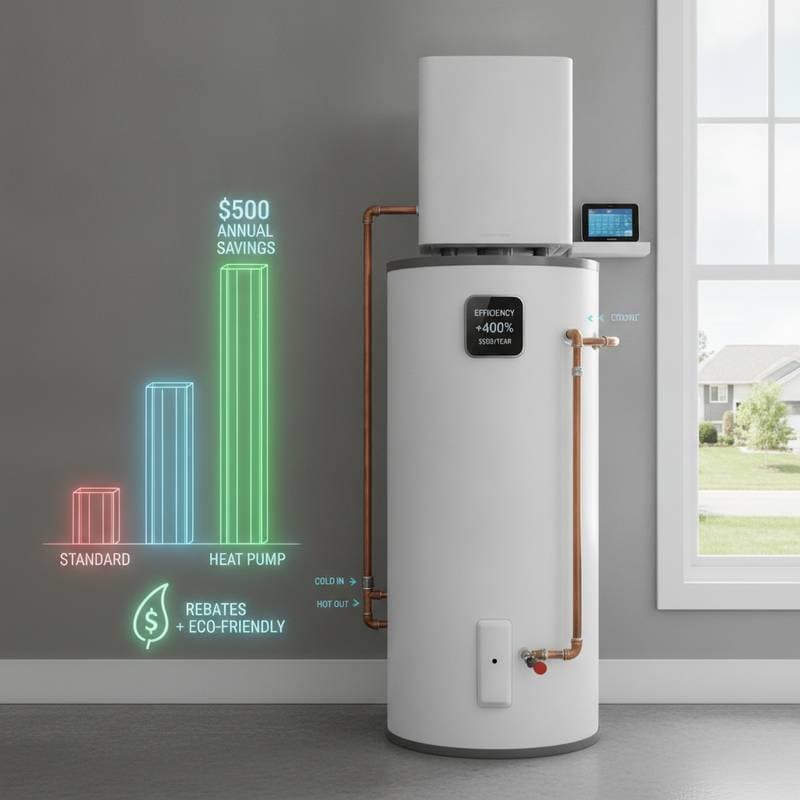
Although the starting cost exceeds that of traditional setups, rebates from utility providers and long-term efficiency often offset the difference within five years.
Maintenance Strategies for Longevity
Regular care extends the lifespan of a dual-fuel system, which can exceed 15 years with proper attention. Homeowners can manage basic tasks independently.
- Replace or clean air filters every one to three months to maintain airflow and indoor air quality.
- Remove leaves, snow, or dirt from the outdoor unit quarterly to prevent efficiency losses.
- Ensure all supply and return vents remain unobstructed for even heat distribution.
Professional services prove indispensable for complex inspections. Certified HVAC experts should conduct annual tune-ups, verifying refrigerant levels, gas line integrity, and thermostat calibration. This approach safeguards against safety risks associated with combined gas and electrical elements while maximizing system performance.
Step-by-Step Installation Overview
Installing a dual-fuel heat pump involves coordinated professional steps to integrate the components effectively. The process generally spans two to four days.
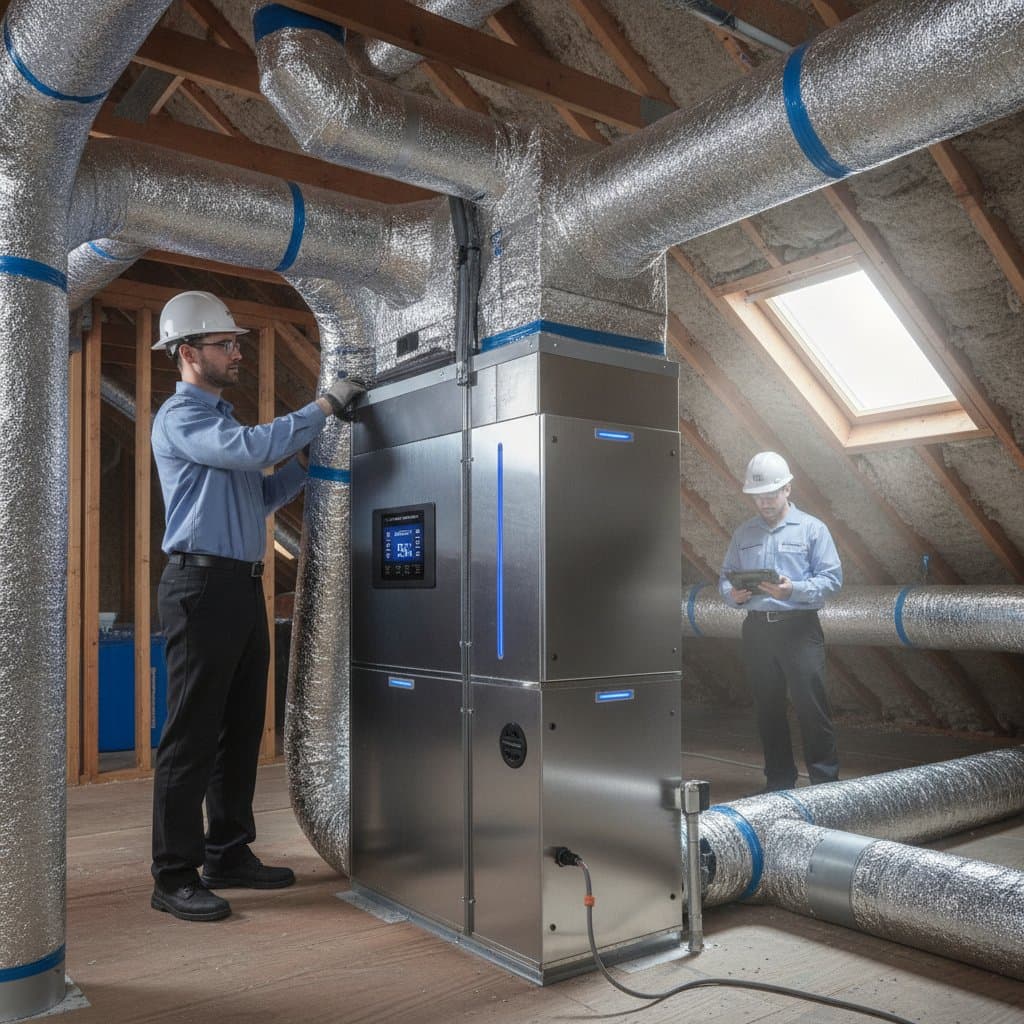
First, technicians assess the home's layout, calculating load requirements based on insulation, windows, and occupancy. They then install the outdoor heat pump unit on a stable, level pad, connecting it to the indoor air handler via refrigerant lines.
Next, the gas furnace integrates into the existing ductwork, with controls wired to a smart thermostat that monitors outdoor sensors. Electrical upgrades, if required, ensure compliance with local codes. Finally, comprehensive testing confirms automatic switching and balanced operation.
Engaging a licensed contractor familiar with hybrid systems minimizes disruptions and guarantees warranty validity.
Frequently Asked Questions
How does the system determine the switch point to the gas furnace?
An integrated outdoor temperature sensor monitors conditions continuously. When readings drop to the programmed threshold, usually 25 to 35 degrees Fahrenheit, the controls activate the furnace to maintain efficiency.
Do dual-fuel heat pumps outperform traditional gas furnaces in efficiency?
They do, particularly in transitional seasons. The electric component reduces reliance on gas, cutting costs by up to 30 percent annually in mixed climates compared to furnace-only operation.
Is retrofitting possible with an existing furnace?
In many cases, yes. Compatible heat pumps pair with current units, provided sizing matches and controls synchronize; a site evaluation by an expert confirms feasibility.
What maintenance differs from standard HVAC systems?
Requirements align closely with conventional setups. Annual professional servicing and seasonal filter checks suffice, with added attention to gas valve function during inspections.
Does this system handle summer cooling?
Absolutely. The heat pump reverses its cycle for air conditioning, often surpassing standalone units in efficiency and potentially eliminating the need for a separate AC system.
Steps to Upgrade Your Heating
Transitioning to a dual-fuel heat pump starts with a professional energy audit to pinpoint savings potential. Compare quotes from vetted local installers, factoring in incentives like federal tax credits under the Inflation Reduction Act.
Post-installation, monitor performance through utility bills and thermostat data to verify optimal operation. This upgrade not only fortifies your home against winter extremes but also aligns with sustainable energy practices, delivering lasting comfort and financial benefits.