Why 2026 Building Codes Require UV-C Air Purifiers in Residential HVAC Systems
Homeowners increasingly encounter discussions about forthcoming building codes that mandate UV-C air purifiers within residential HVAC systems. Individuals often seek clarification on the rationale for this shift and its implications for health, comfort, and finances. This article delineates the necessity of UV-C air purifiers as a mandated standard, elucidates their operational principles, and outlines preparatory actions for residential compliance.
Understanding UV-C Air Purifiers
A UV-C air purifier employs ultraviolet light at the 254-nanometer wavelength to deactivate airborne microorganisms. This process targets bacteria, mold spores, and viruses that traverse HVAC pathways. Originally prevalent in medical facilities and research environments, this technology now integrates into household applications.
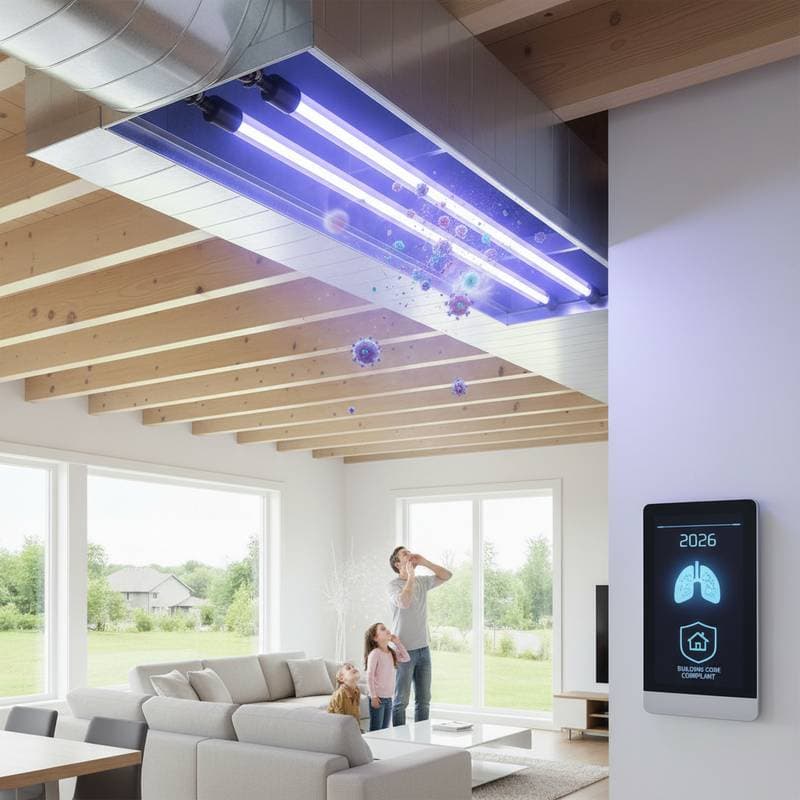
Positioned within the HVAC framework, the UV-C lamp irradiates cooling coils, air handlers, or duct interiors. Exposure to the light disrupts microbial DNA, inhibiting replication and dissemination throughout living areas. Consequently, airborne contaminants diminish, fostering sustained indoor air cleanliness.
Rationale for Evolving Building Codes
Building codes undergo revision to incorporate UV-C air purification amid heightened awareness of indoor air quality challenges. Enhanced energy efficiency in modern residences results in tighter seals, which conserve energy yet confine pollutants. Elements such as dust, pet dander, mold, and bacteria persist without adequate filtration or sanitation.
Experts in health and HVAC acknowledge the limitations of conventional filters in eliminating all pathogens. Mandating UV-C systems advances safer indoor atmospheres for occupants. The objective centers on mitigating respiratory conditions, allergic reactions, and illnesses linked to suboptimal air quality.
Indicators That UV-C Air Purification May Benefit Your Residence
Although local regulations may not yet enforce UV-C requirements, certain symptoms suggest an upgrade could prove advantageous. Consider these observable signs:
- Persistent allergy or asthma manifestations within indoor settings
- Musty or stagnant odors emanating from ventilation points
- Apparent mold proliferation adjacent to air handlers or coils
- Rapid reaccumulation of dust following cleaning efforts
- Persistent aromas unaffected by standard filtration methods
Should these conditions resonate, UV-C technology addresses overlooked microorganisms and organic residues, yielding tangible improvements.
Integration of UV-C Air Purifiers into HVAC Configurations
Installation of a UV-C air purifier occurs at strategic HVAC locations tailored to specific requirements.
Evaporator Coil Sanitization
A frequent placement involves proximity to the evaporator coil, where condensation fosters mold and bacterial growth. The UV-C lamp maintains coil sterility, averting microbial accumulation. This approach enhances system efficiency by preventing airflow obstructions.
Airborne Pathogen Disinfection
Alternative configurations position UV-C lamps within return or supply ducts. Airflow exposure to the light deactivates contaminants in transit. Such setups deliver comprehensive home-wide purification beyond mere coil maintenance.
Hybrid Configurations
Advanced systems combine coil and duct placements for optimal efficacy. These prove ideal for expansive residences or households with vulnerable respiratory profiles.
Determinants of UV-C Air Purifier Expenses
Prior to procurement, evaluate elements influencing costs. Variations arise, yet principal factors include:
- HVAC Scale: Expansive units necessitate robust or supplementary lamps to cover full airflow volumes.
- Lamp Durability: Premium lamps endure extended periods with elevated UV-C intensity, bolstering effectiveness.
- Placement Complexity: Coil installations generally demand less intricacy than duct integrations.
- Installation Fees: Regional labor rates and technician expertise dictate charges.
- Supplementary Capabilities: Units with monitoring sensors, scheduling functions, or intelligent connectivity incur additional expenses.
Installation expenses typically span $300 to $1,200. Obtain precise quotations through consultations with certified HVAC specialists conducting on-site assessments.
Self-Installation Versus Professional Services
While self-installation of a UV-C air purifier may appear feasible, safety imperatives favor expert intervention. UV-C exposure risks skin and ocular damage, and improper electrical handling invites hazards.
Resident-Assisted Tasks
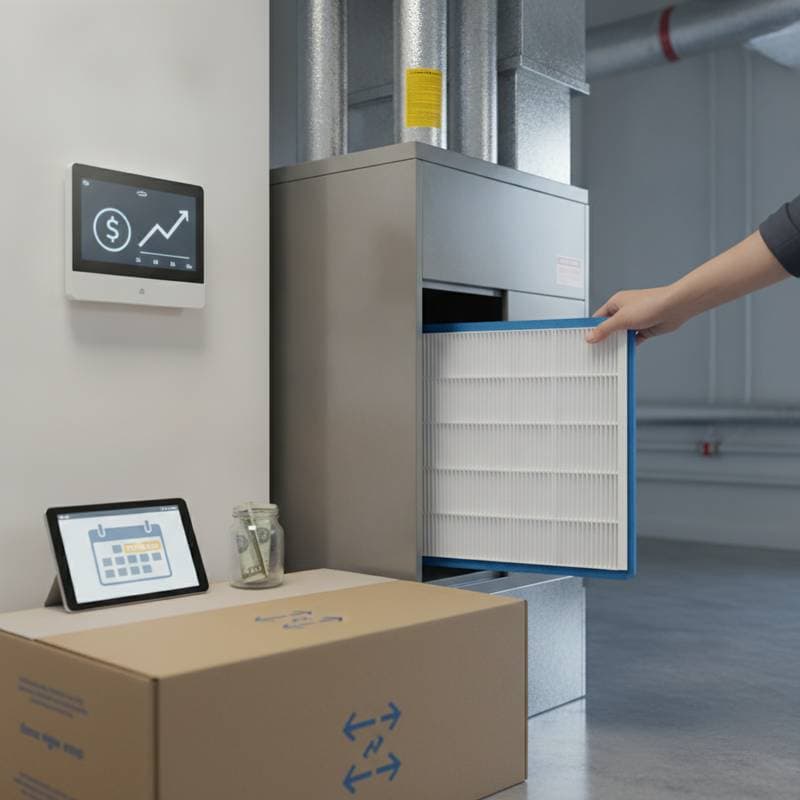
Homeowners manage routine duties such as filter replacements, vent cleaning, and airflow clearance around HVAC components. Preliminary research into compatible products facilitates informed discussions with professionals.
Essential Professional Involvement
Certified technicians address electrical integrations, refrigerant proximity, and internal placements. Proper execution guarantees code adherence, safeguards health, and optimizes performance.
Standard Installation Procedure
Professional UV-C installations follow a structured sequence:
- HVAC Evaluation: Technicians examine the system to determine optimal lamp positioning.
- Equipment Specification: Selection aligns lamp specifications with system dimensions and architecture.
- Secure Mounting: The lamp affixes within the air handler or duct, integrating with electrical sources.
- Operational Verification: Light emission undergoes testing to confirm efficacy and safety.
- Ongoing Care Instructions: Guidance covers lamp replacement intervals and efficiency maintenance.
The procedure generally concludes within several hours, with subsequent upkeep remaining straightforward.
Frequently Addressed Inquiries
Do UV-C Air Purifiers Pose Risks to Household Members?
UV-C air purifiers remain safe for families when professionals install them accurately. Enclosure within the HVAC confines the light, preventing exposure in occupied areas.
What Is the Replacement Interval for UV-C Lamps?
UV-C lamps typically function for one to two years until output wanes. Diminished intensity compromises disinfection, necessitating prompt substitution regardless of visible illumination.
Does UV-C Purification Eliminate Odors?
UV-C systems effectively neutralize odor-causing organic compounds by disrupting microbial sources. While not a dedicated deodorizer, this action reduces persistent smells from mold, bacteria, or decay.
Can UV-C Lights Contribute to Reduced Energy Expenses?
UV-C illumination maintains clean coils and components, optimizing airflow and system efficiency. Cleaner operations lower energy demands, potentially decreasing utility costs over time.
Must All New Residences Incorporate UV-C Purifiers?
Requirements vary by jurisdiction, with many regions adopting the 2026 mandates for new constructions and major renovations. Verify local codes through municipal resources or HVAC consultations.
Advancing Toward Compliant and Healthier Indoor Environments
With UV-C air purifiers entering mandatory status, proactive evaluation benefits homeowners. Integration aligns with regulatory demands while promoting superior air purity and well-being. Consult qualified professionals during HVAC enhancements, constructions, or renovations to incorporate this technology seamlessly.