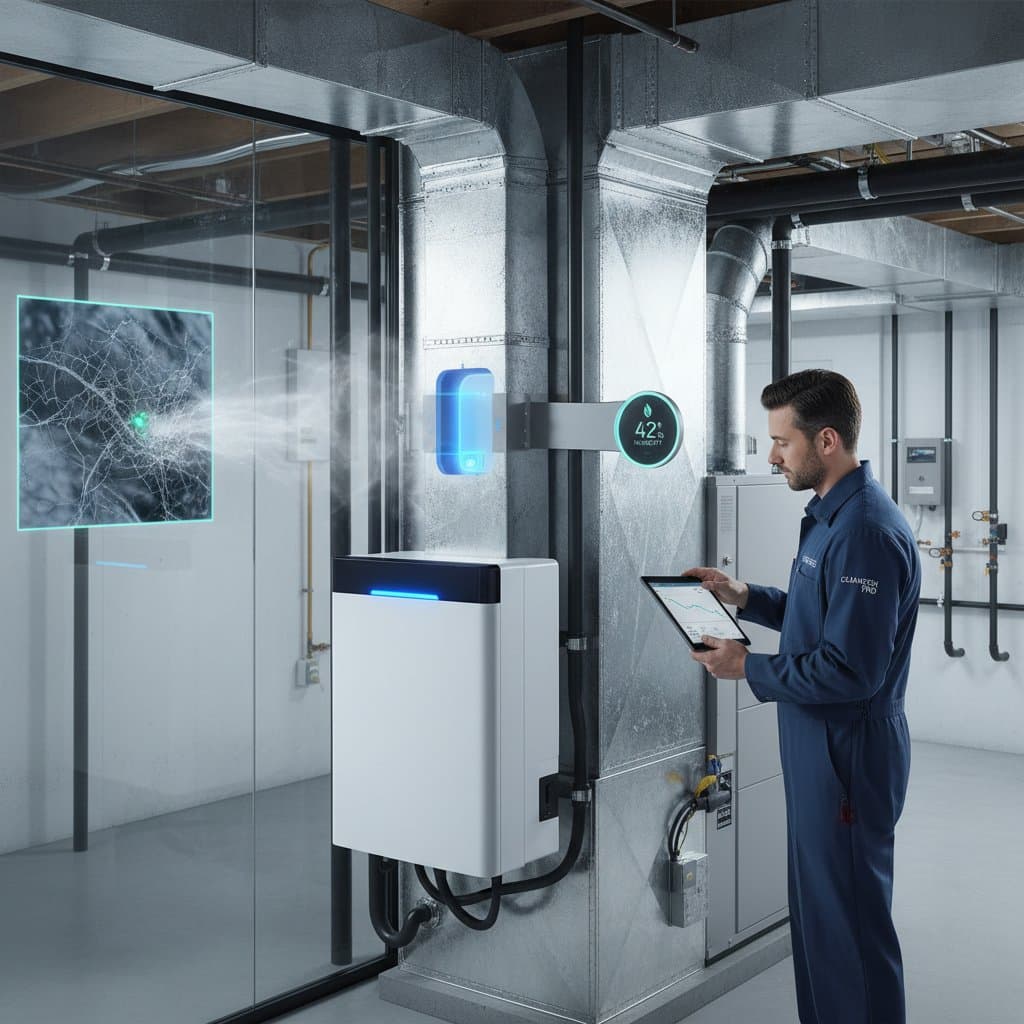
Humidity-Controlled HVAC Cuts Mold Risk 58%
Humidity control represents one of the most overlooked elements of home comfort. This factor profoundly affects health, energy expenses, and the structural durability of a residence. Advanced humidity-controlled HVAC systems enable homeowners to reduce mold risks by up to 58 percent. Such systems deliver cleaner air, diminish allergens, and foster a safer living space. The following sections explain the mechanics of intelligent humidity regulation and its importance for residential environments.
What Is a Humidity-Controlled HVAC System?
A humidity-controlled HVAC system continuously monitors and regulates indoor moisture levels to maintain a comfortable and healthy range, typically between 30 percent and 50 percent. Conventional HVAC units prioritize temperature adjustment through heating and cooling, yet they frequently fail to extract sufficient moisture, particularly in regions with high ambient humidity.
Advanced units incorporate sensors that detect humidity fluctuations and activate dehumidification or humidification processes accordingly. This mechanism ensures balanced air composition, which inhibits mold proliferation, eliminates musty scents, and safeguards materials such as wood and drywall from deterioration.
How High Humidity Fuels Mold Growth
Mold flourishes in environments characterized by elevated moisture and limited air circulation. When indoor humidity surpasses 60 percent, surfaces including walls, ceilings, and ventilation components provide optimal conditions for mold spores to adhere and proliferate. Established mold releases spores into the air, triggering allergic responses and respiratory discomfort.
Excessive humidity also impairs HVAC efficiency. Moist air perceives as warmer, compelling the air conditioning unit to operate more intensively. This increased workload elevates utility costs and hastens component degradation.
Effective humidity management within the recommended range curtails mold development, enhances air purity, and optimizes system performance.
Common Signs You Need Better Humidity Control
A home that consistently feels clammy or emits a musty odor may indicate inadequate moisture management by the HVAC system. Homeowners should remain vigilant for these indicators:
- Persistent condensation on windows, mirrors, or pipes
- Lingering damp or mildew odors, especially in basements or bathrooms
- Visible mold patches or discoloration near air vents and ducts
- Warping in wooden elements or blistering on painted surfaces
- Intensified allergy symptoms, such as sneezing or itchy eyes, while indoors
Recognition of these symptoms warrants evaluation and potential upgrades to humidity regulation capabilities.
How Humidity-Controlled HVAC Systems Reduce Mold Risk
Contemporary humidity-controlled HVAC systems employ intelligent sensors and variable-speed blowers to sustain uniform indoor conditions. These technologies mitigate mold through several targeted mechanisms:
-
Automatic Moisture Balance
Sensors assess humidity levels in real time and modulate airflow or cooling intensity to preserve the optimal range. -
Integrated Dehumidification
Built-in dehumidifiers extract surplus moisture prior to its distribution via ductwork, preventing widespread dampness. -
Consistent Air Movement
Variable-speed fans promote gentle circulation, eliminating stagnant areas conducive to mold initiation. -
Smart Thermostat Coordination
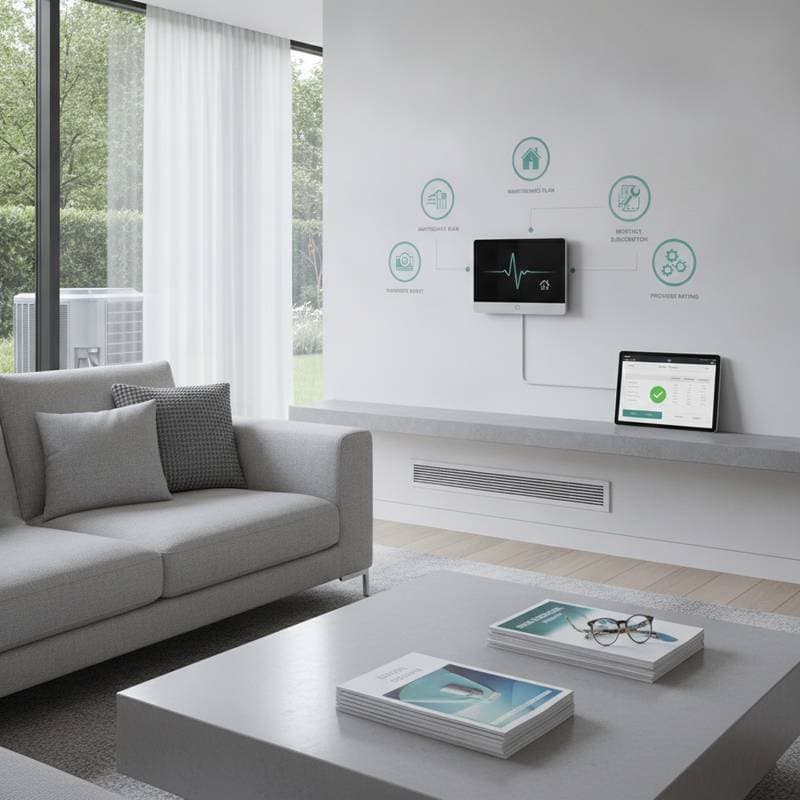
Integrated thermostats monitor humidity patterns and issue notifications for deviations, enabling prompt intervention.
Homeowners utilizing these systems observe marked declines in mold incidence, superior air quality, and reduced repair frequency.
Key Factors Affecting Humidity-Controlled HVAC Cost
Expenses for humidity-controlled HVAC systems fluctuate based on multiple variables. Regional differences and contractor rates contribute to variability, but the primary determinants include:
-
System Type and Size
Residences of greater square footage require units with enhanced capacity, which command higher prices. Proper sizing avoids inefficiency and premature failure. -
Smart Technology Features
Units equipped with sophisticated sensors, remote app integration, and predictive climate analytics incur premium costs, yet they yield substantial long-term savings through optimized operation. -
Installation Complexity
Properties featuring outdated ducts or spatial constraints often necessitate additional modifications, increasing labor and material expenditures. -
Brand and Efficiency Rating
Reputable manufacturers offering superior energy efficiency ratings involve greater initial outlay but deliver reduced operational costs. -
Maintenance Plans
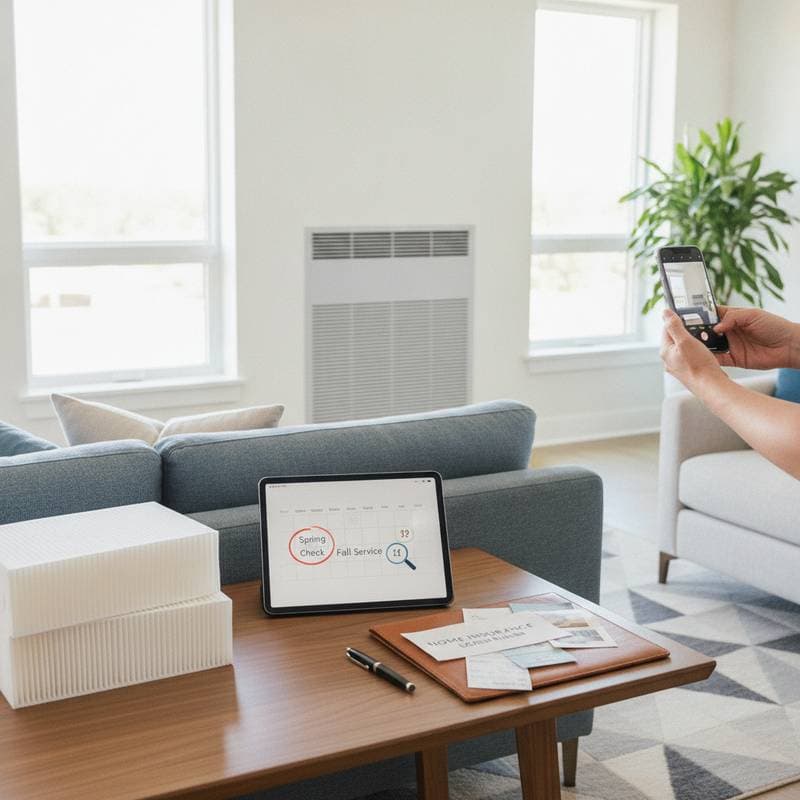
Scheduled servicing upholds reliability and mold deterrence. Providers frequently bundle annual inspections, filter replacements, sensor calibrations, and thorough cleanings into comprehensive packages.
DIY Humidity Control vs. Hiring a Pro
Certain homeowners attempt humidity mitigation using standalone dehumidifiers or programmable thermostats. These approaches yield limited results compared to integrated solutions.
What You Can Safely Do
- Acquire a digital hygrometer to track humidity fluctuations accurately.
- Activate exhaust fans in bathrooms and kitchens for 20 to 30 minutes following water-intensive activities.
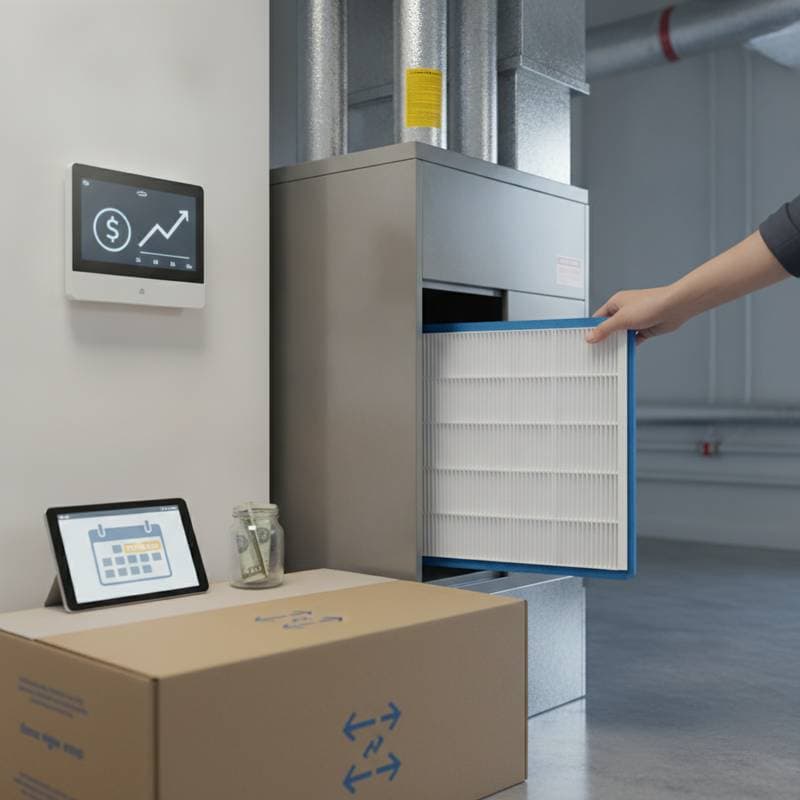
- Replace air filters monthly to facilitate unrestricted airflow.
- Ventilate by opening windows during periods of lower outdoor humidity, avoiding peak moisture times.
When to Call a Professional
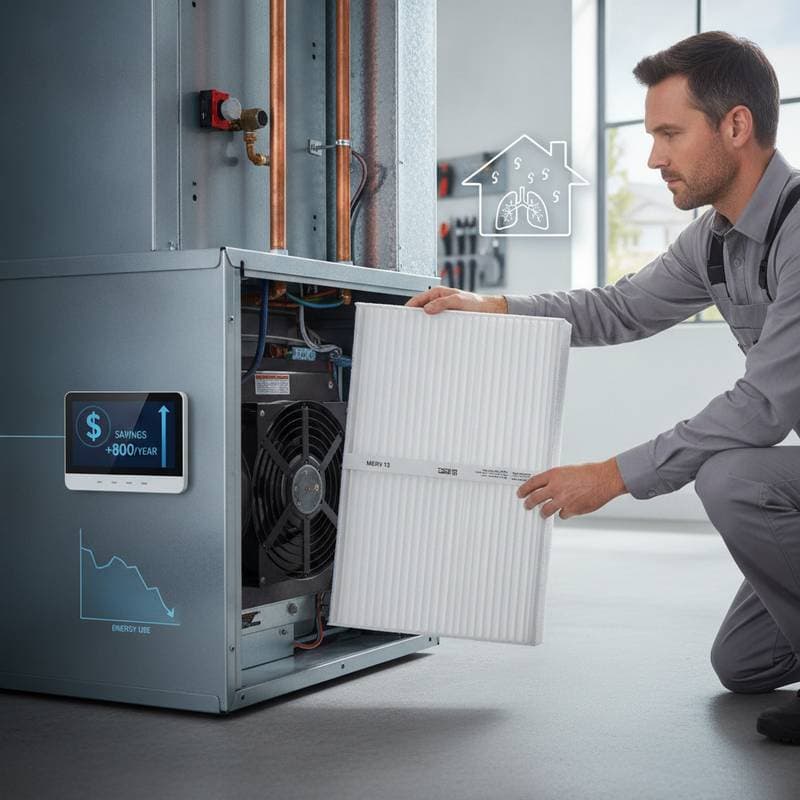
Persistent high humidity despite these measures, or recurring mold, signals the need for expert intervention. Licensed HVAC specialists can:
- Conduct thorough audits of airflow dynamics and duct configurations.
- Advise on or deploy comprehensive whole-home humidity solutions.
- Seamlessly incorporate sensors into current HVAC infrastructure while adhering to building codes.
Engaging professionals guarantees compliance with safety protocols and maximizes system efficacy.
The Installation Process for Humidity-Controlled HVAC Systems
Professional installation follows a structured sequence to integrate the system effectively:
-
Initial Assessment
Technicians examine insulation quality, duct integrity, and existing HVAC components to identify suitable equipment. -
System Selection
Recommendations align unit specifications with home dimensions and local climate demands, emphasizing both efficiency and humidity mastery. -
Installation and Calibration
Components, including sensors and controls, undergo precise placement, wiring, and fine-tuning for automated humidity maintenance. -
Testing and Education
Post-installation verification confirms functionality, followed by guidance on monitoring tools, setting adjustments, and early detection of issues.
This methodical approach secures year-round comfort and resilience against moisture-induced harm.
Frequently Asked Questions
How do I know if my HVAC system controls humidity properly?
Utilize a digital hygrometer to measure indoor levels regularly. Sustained readings above 55 percent suggest the need for adjustments or enhancements.
Can I add humidity control to my existing HVAC system?
Yes, retrofitting options such as duct-connected dehumidifiers or humidifiers prove feasible for many setups. A certified technician assesses compatibility and executes the upgrade.
Is humidity control worth the investment?
Indeed, the benefits extend to mold avoidance, heightened comfort, prolonged equipment life, and diminished energy consumption through stabilized environments.
How often should humidity sensors be checked or calibrated?
Annual inspections during standard maintenance suffice for most systems. Technicians confirm precision and rectify any discrepancies.
Will a humidity-controlled HVAC help with allergies?
Yes, regulated humidity suppresses mold, dust mites, and similar irritants that proliferate in moist settings, thereby elevating overall air quality.
Steps to Implement Humidity Control in Your Home
Begin by purchasing a hygrometer to baseline your current indoor conditions. Schedule a professional consultation to evaluate your HVAC setup and explore tailored solutions. Invest in a system that aligns with your home's needs for lasting protection against mold and enhanced living quality.