Why HVAC Professionals Rely on UV-C Technology for Superior Indoor Air Quality
Indoor air quality ranks as a primary concern for numerous homeowners, prompting HVAC professionals to recommend and install UV-C air purifiers at higher rates. Homeowners often experience stuffy atmospheres, excessive dust, or persistent odors in their living spaces. These purifiers address concealed airborne contaminants overlooked by standard filters. The following sections explain the rationale behind expert endorsement of UV-C technology and its benefits for healthier home environments.
Understanding UV-C Air Purification
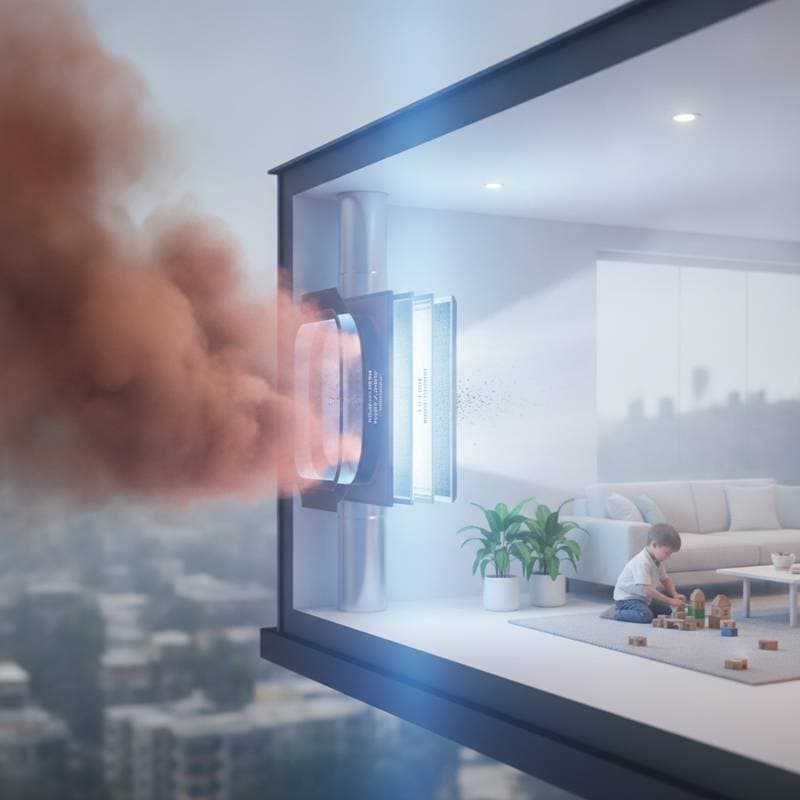
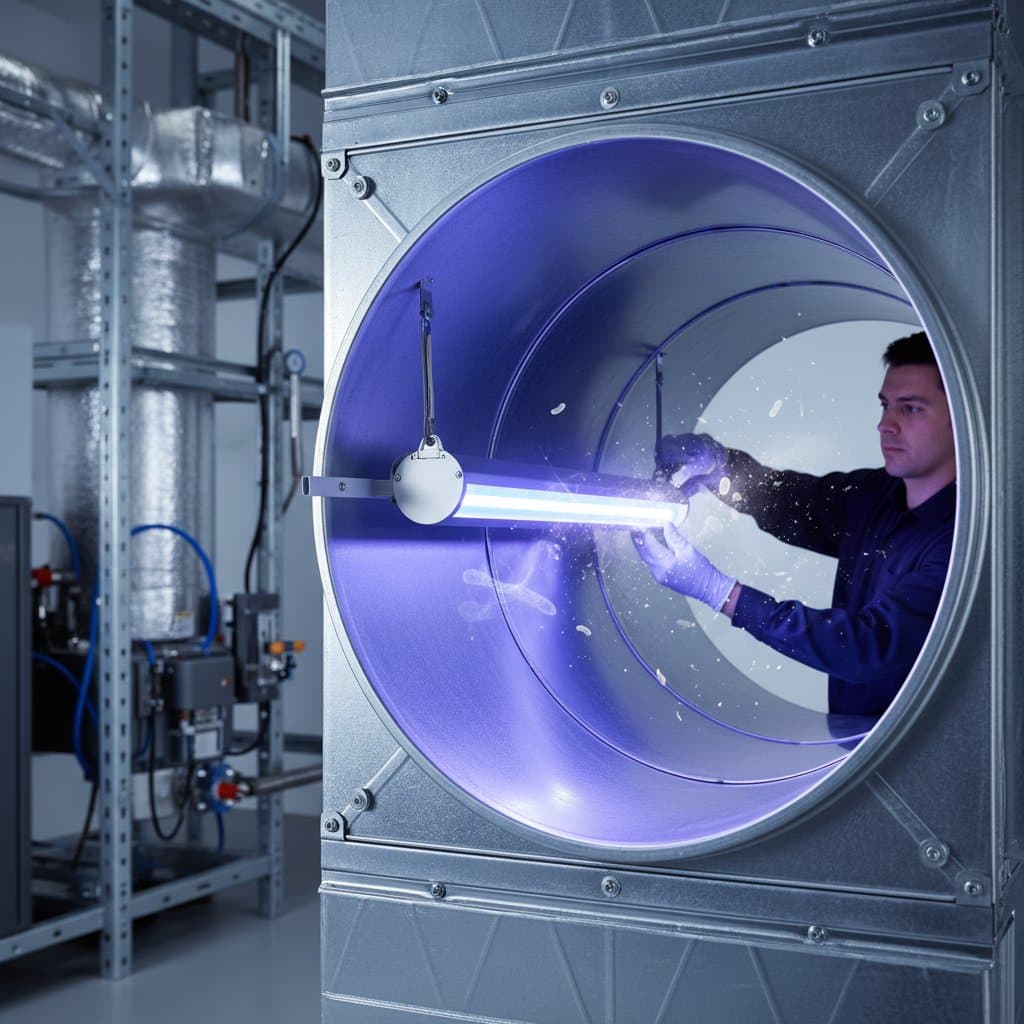
A UV-C air purifier employs ultraviolet light at the C-band wavelength to inactivate bacteria, viruses, and mold spores circulating through the HVAC system. This light damages the DNA or RNA of microorganisms, halting their reproduction and dissemination. In essence, UV-C renders these threats inert prior to their distribution throughout the residence.
In contrast to conventional filters that capture particulate matter, UV-C systems actively disinfect the airflow. Installation typically occurs within air handlers, adjacent to evaporator coils, or inside ductwork, enabling direct exposure to the air stream. Such positioning ensures microbial elimination at the origin, minimizing accumulation within the system and preventing dispersal via vents.
Reasons HVAC Professionals Recommend UV-C Systems
HVAC experts install UV-C purifiers to address health, operational efficiency, and equipment durability concerns.
Enhanced Indoor Air Quality
Contemporary residences feature tight seals for energy conservation, which limit natural air exchange. Indoor pollutants, including dust, pet dander, and volatile organic compounds, tend to build up. UV-C targets biological agents undetectable by filters, fostering a safer respiratory environment.
Prevention of Mold and Bacterial Growth
Condensation frequently forms on air conditioning coils and drain pans, creating ideal conditions for mold and bacteria proliferation. These pathogens can propagate through ducts over time. Positioning a UV-C light near the coils inhibits such development, maintaining system cleanliness. Homeowners observe diminished odors and optimized airflow consequently.
Boosted System Efficiency and Durability
Clean coils allow the HVAC unit to operate with reduced effort in air circulation and temperature regulation. This alleviates stress on motors and compressors, prolonging overall equipment lifespan. Professionals view UV-C as a strategic measure for safeguarding both air purity and hardware integrity.
Low-Maintenance Continuous Performance
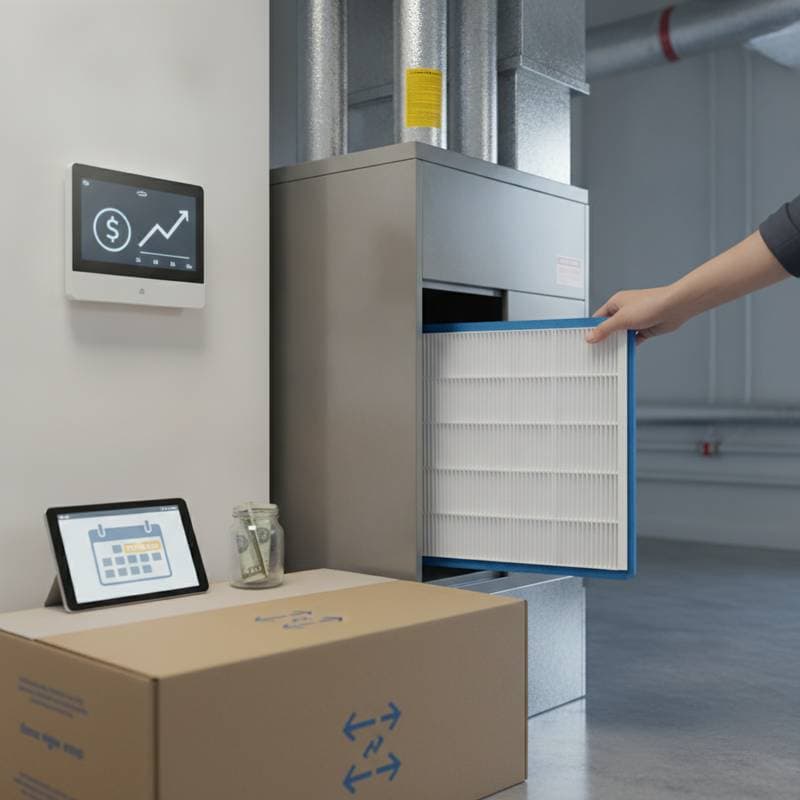
After installation, UV-C purifiers function unobtrusively. Bulbs generally necessitate annual replacement, eliminating the need for frequent filter cleaning or substitution. This appeals to homeowners seeking sustained purification with minimal intervention.
Response to Demand for Healthier Interiors
Technicians note a surge in requests for remedies to allergies and respiratory issues. UV-C directly mitigates these by neutralizing symptom-inducing microbes. The outcome includes air that feels invigorating and supportive of well-being.
Integration of UV-C Purifiers into HVAC Systems
UV-C systems integrate seamlessly into HVAC infrastructure, treating air during its standard circulation through ducts, rather than functioning as isolated units.
The process unfolds as follows:
- Air enters the system via return vents.
- Upon passing the UV-C light, radiation deactivates any microorganisms.
- Purified air proceeds through ducts to occupied areas.
- The cycle recurs with each HVAC activation, ensuring persistent sanitation.
This ongoing treatment curbs microbial accumulation internally and stabilizes the indoor climate for hygiene.
Indicators That UV-C Purification May Benefit Your Home
Certain issues signal the potential value of UV-C enhancement, even if air quality problems remain subtle.
- Ongoing musty or acrid smells during air conditioning or heating operation
- Observable mold growth proximate to vents or the indoor unit
- Recurrent indoor allergy or asthma episodes
- Rapid accumulation of dust or particles on furnishings
- Diminished airflow or suboptimal cooling and heating performance
Should these signs appear, consult an HVAC specialist for system evaluation and UV-C suitability assessment.
Elements Influencing UV-C Air Purifier Installation Expenses
Costs fluctuate based on residence dimensions, HVAC configuration, and regional factors, yet remain reasonable relative to alternative air quality enhancements. Key determinants include:
- System Scale and Configuration: Extensive duct networks might demand several UV-C bulbs for thorough treatment.
- Purifier Variant: Coil-specific lights generally cost less than comprehensive in-duct models.
- Setup Intricacy: Confined areas or challenging electrical routing extend labor duration.
- Bulb Specifications: High-output, durable bulbs incur higher initial expense but reduce replacement frequency.
- Technician Proficiency: Licensed installers guarantee secure, optimal positioning for efficacy.
Request a comprehensive estimate and system overview from your provider.
Professional Installation Versus DIY Approaches
Although DIY UV-C kits exist, professionals urge expert involvement for optimal results and safety.
Homeowner Preparation Steps
Maintain clean filters, unobstructed return vents, and routine inspections to prepare the HVAC for UV-C addition. Monitor indoor humidity and promote ventilation to limit biological proliferation.
Advantages of Professional Service
UV-C installation involves electrical wiring and exact placement near critical components. Improper setup risks inefficacy or harm to wiring and coils. Certified technicians:
- Determine suitable wavelength and intensity for the specific system
- Position the bulb for maximal exposure
- Secure electrical integrations per code standards
- Confirm containment to avoid light exposure in living zones
Expert handling ensures reliability, performance, and preserved warranties.
Standard UV-C Installation Procedure
Engaging a qualified HVAC technician for UV-C integration follows a structured approach:
- Initial Assessment: Review of HVAC design to identify ideal light placement.
- Model Selection: Choice of UV-C unit aligned with system capacity and airflow dynamics.
- Power Integration: Safe connection of electrical supply, isolated from adjacent parts.
- Installation and Validation: Securing and operational testing of the bulb.
- Ongoing Care Instructions: Guidance on performance checks and bulb renewal schedules.
Procedures typically conclude within hours, often alongside scheduled maintenance.
Frequently Asked Questions
In What Ways Does UV-C Light Differ from Conventional Air Filters?
Standard filters mechanically capture particles such as dust and pollen, whereas UV-C eradicates biological entities like bacteria and viruses. The two methods synergize to provide comprehensive air defense.
Does UV-C Light Present Risks to Family Members or Pets?
When properly installed within the HVAC enclosure, UV-C remains fully shielded and harmless to occupants or animals. Exposure occurs solely within the system, never reaching living areas.
Can UV-C Air Purifiers Eliminate Odors?
UV-C primarily neutralizes microbes, thereby alleviating odors stemming from bacterial or mold activity. For persistent scents, pair with activated carbon filters for enhanced results.
What Is the Recommended Replacement Interval for UV-C Bulbs?
Bulbs endure approximately one year under constant operation. Although visible illumination may persist, germicidal potency wanes, necessitating prompt substitution for sustained effectiveness.
Does a UV-C Purifier Increase Energy Consumption?
Power draw equates to that of a modest light bulb, representing negligible impact. Cleaner coils often yield efficiency improvements that counteract any minor electrical uptick.
Steps to Achieve Cleaner Indoor Air
Evaluate your current HVAC performance and consult a trusted professional to explore UV-C integration. This upgrade not only elevates air purity but also safeguards system health for enduring comfort. Initiate the process today to experience the difference in your home's atmosphere.