Understanding the Impact of Humidity on Your Home and HVAC System
Excess humidity creates several challenges in residential environments. It fosters mold proliferation, which poses health risks and structural damage. Additionally, high moisture levels force air conditioning units to operate more frequently, increasing energy consumption and operational costs.
A whole-home dehumidifier addresses these issues by integrating with your existing heating, ventilation, and air conditioning system. This setup regulates indoor humidity effectively, leading to noticeable improvements in comfort and efficiency. Homeowners often report a drier, fresher atmosphere that requires less cooling effort.
The Mechanics of a Whole-Home Dehumidifier
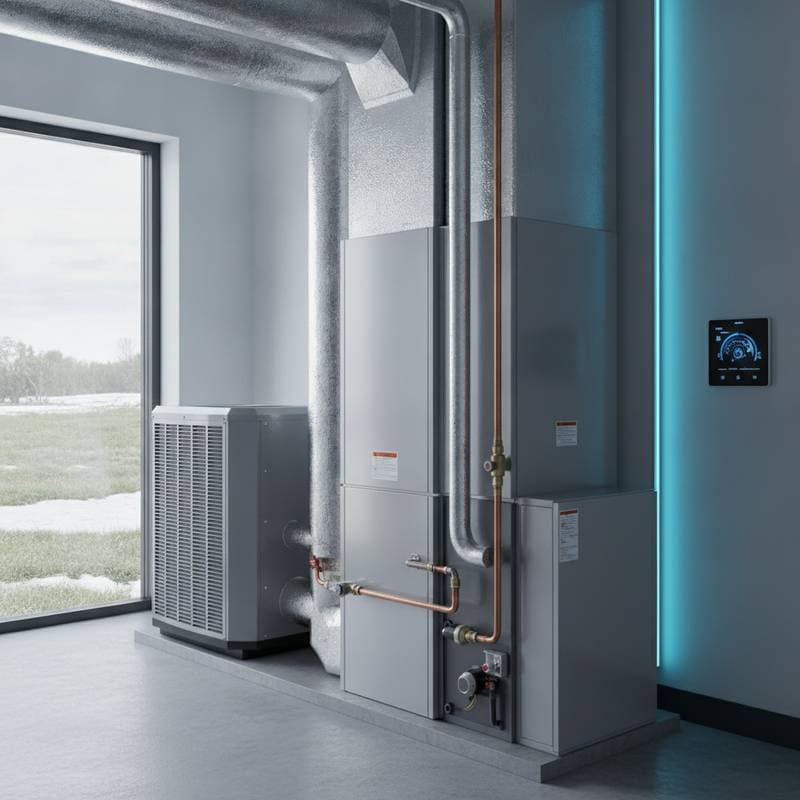
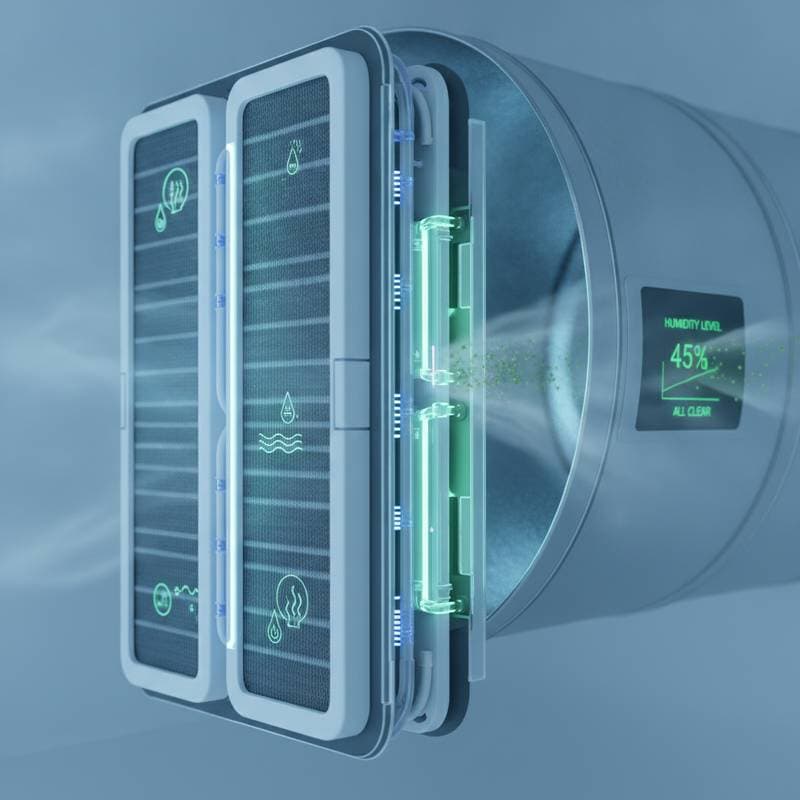
Whole-home dehumidifiers function as specialized components within the HVAC framework. They draw in humid air from the ductwork and pass it over cooling coils chilled below the dew point. Water vapor condenses into liquid form, which the system collects and drains away, typically through existing plumbing lines.
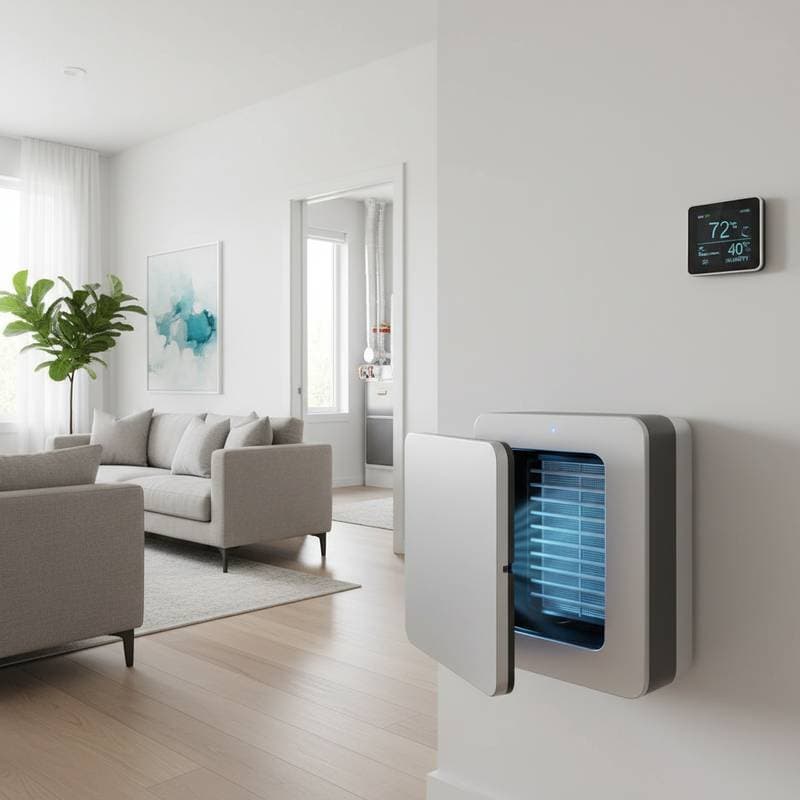
Unlike portable units that treat single rooms, these systems distribute conditioned air throughout the entire house via the central ducts. Advanced models include sensors that monitor humidity levels and adjust operations automatically. This precise control ensures consistent performance without manual intervention.
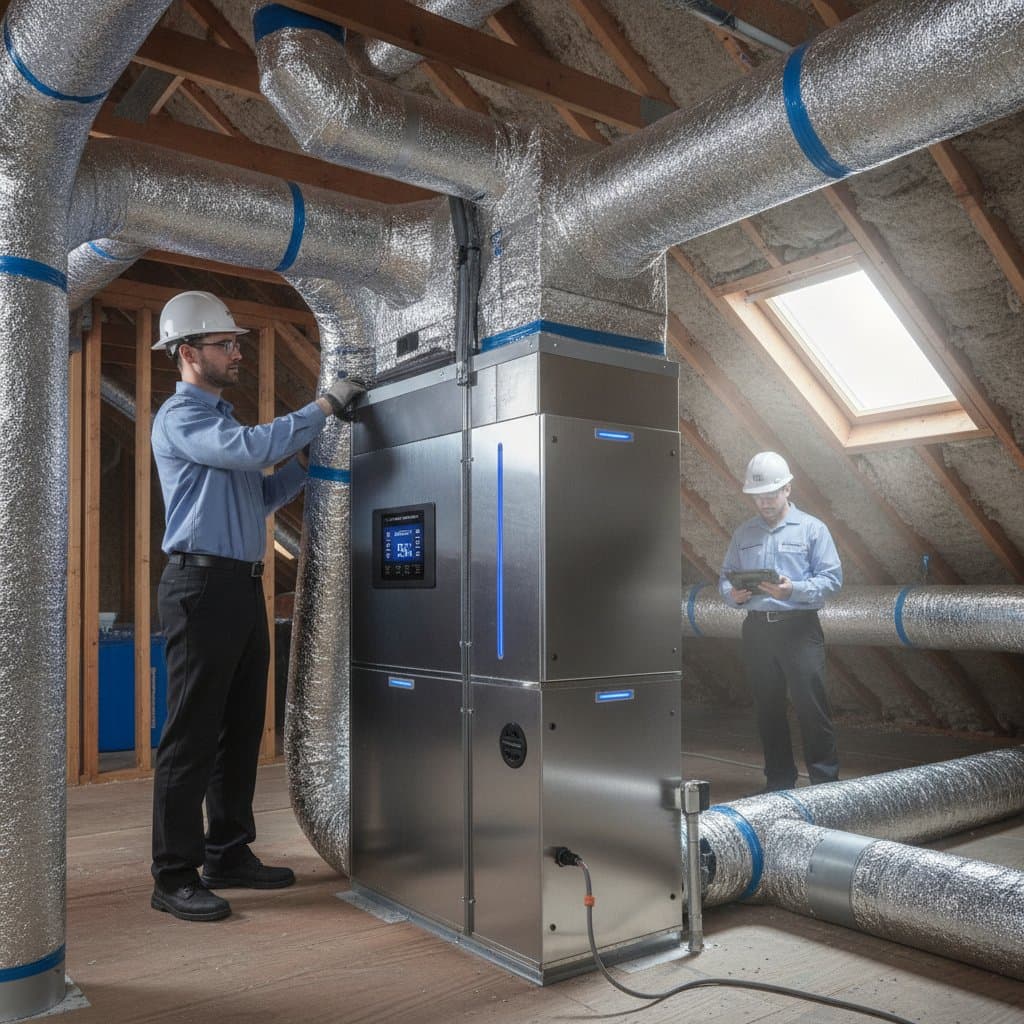
The integration process involves connecting the dehumidifier to the return air duct or installing it as a standalone unit with dedicated ducting. Professional assessment determines the optimal placement to maximize airflow and efficiency. Once operational, the system cycles on during high-humidity periods, complementing the air conditioner's primary cooling duties.
Components and Technology Overview
Key elements include the evaporator coil, compressor, and fan assembly. The evaporator coil extracts moisture, while the compressor powers the refrigeration cycle. Fans ensure adequate air circulation through the unit.
Many units feature variable-speed motors for quieter operation and better energy use. Some incorporate antimicrobial filters to enhance air purification. These technological features contribute to the system's longevity and effectiveness in diverse home settings.
Core Benefits for Homeowners
Installing a whole-home dehumidifier yields multiple advantages beyond basic moisture control. It transforms the indoor environment into a healthier, more comfortable space. The following sections detail these gains.
Preventing Mold and Improving Air Quality
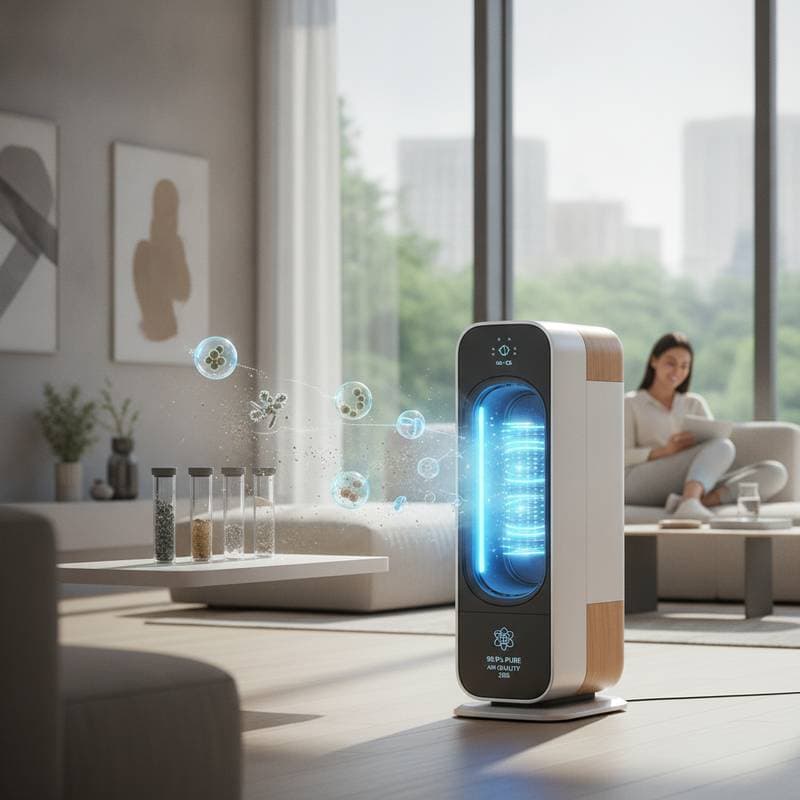
Maintaining humidity between 40 and 50 percent inhibits mold spore germination. This range discourages the growth of mildew, bacteria, and dust mites, common allergens in damp conditions. Residents experience fewer respiratory issues and reduced odors associated with moisture buildup.
Clean, dry air circulates more effectively, promoting overall well-being. Families with children or elderly members benefit particularly from this protective measure. Regular operation minimizes the need for chemical treatments or remediation efforts.
Enhancing Energy Efficiency and Cost Savings
Dry air enhances the perceived cooling effect, allowing thermostat settings to increase by two to three degrees. This adjustment reduces air conditioner runtime, directly lowering electricity bills. Studies indicate potential savings of up to 18 percent on cooling expenses in humid climates.
The dehumidifier operates more efficiently than overworking the AC unit for moisture removal. It targets humidity specifically, preserving the AC's focus on temperature regulation. Over time, these efficiencies compound into substantial financial benefits.
Prolonging HVAC System Durability
Excess moisture causes corrosion and strain on HVAC components, such as coils and compressors. By handling dehumidification, the dedicated unit alleviates this burden. Air conditioners last longer with reduced cycles and cleaner operation.
Lower maintenance demands result from decreased dust and debris accumulation in humid environments. Homeowners avoid frequent repairs, extending the overall lifespan of their HVAC investment. This reliability supports uninterrupted comfort year-round.
Evaluating Costs, Performance, and Suitability
Determining the right whole-home dehumidifier involves assessing several variables. Costs range from $1,500 to $3,000 for the unit, plus $500 to $1,500 for installation, depending on complexity. Performance hinges on proper selection and setup.
Home Size and Capacity Needs
Units are rated by pints of water removed per day, typically 70 to 150 pints for residential use. Smaller homes under 2,000 square feet require lower-capacity models, while larger properties need robust systems. Oversized units waste energy, whereas undersized ones fail to control humidity adequately.
Consult square footage, ceiling height, and insulation levels during planning. Professionals use load calculations to recommend the ideal capacity. This ensures even coverage without hot spots or persistent dampness.
Compatibility with Existing HVAC Infrastructure
Most modern systems integrate seamlessly with standard ductwork. However, older homes may require modifications, such as adding bypass ducts or electrical upgrades. Compatibility checks prevent performance issues post-installation.
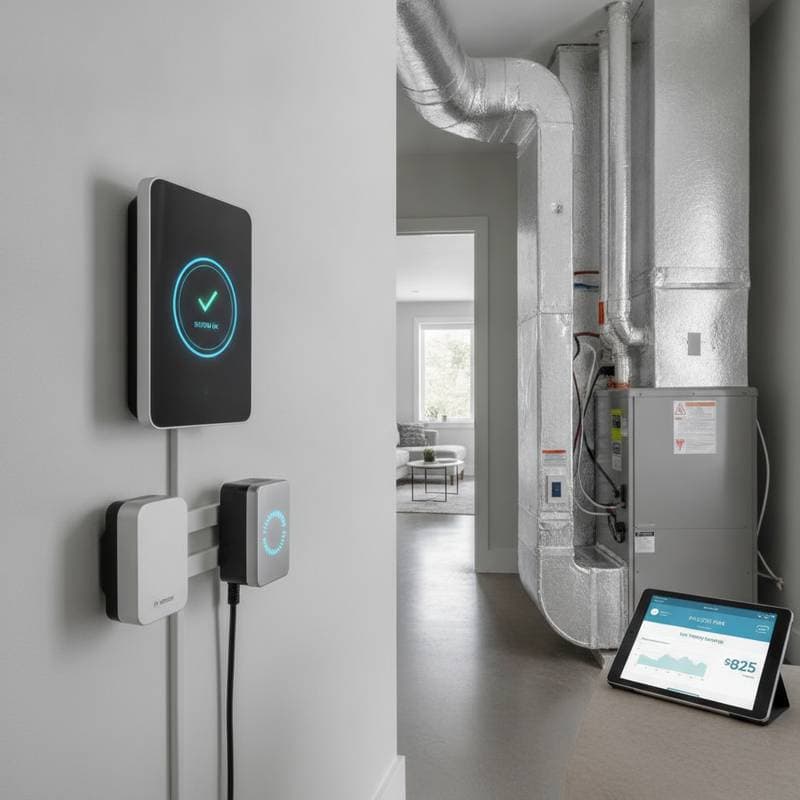
Energy-efficient homes with tight seals benefit from integrated controls that sync with smart thermostats. These features optimize runtime and respond to occupancy patterns. Upgrading outdated HVAC elements can enhance overall system synergy.
Regional Climate Considerations
In areas with average relative humidity above 60 percent, dehumidifiers deliver maximum value. Coastal or tropical regions see the greatest impact on comfort and savings. Temperate zones with occasional humidity spikes still gain from preventive installation.
Seasonal variations influence usage; summer months demand higher operation. Units with adjustable settings adapt to changing conditions. Long-term residents in humid locales recoup investments faster through consistent energy reductions.
Efficiency Ratings and Long-Term Value
Look for models with high integrated energy factor ratings, measured in liters per kilowatt-hour. Higher ratings indicate better performance per energy unit consumed. Initial costs rise with efficiency, but payback periods shorten through bill reductions.
Warranties spanning five to ten years cover major components. Low-maintenance designs feature self-draining mechanisms and accessible filters. These attributes minimize ongoing expenses and ensure reliable service.
Steps to Implement a Whole-Home Dehumidifier
Transitioning to this technology requires informed decisions and expert guidance. Begin with a professional evaluation of your home's humidity profile. This assessment identifies baseline levels and potential improvements.
Selecting and Sizing the Unit
Choose based on capacity, efficiency, and features like digital controls. Verify compatibility through detailed HVAC inspections. Prioritize units from reputable manufacturers known for durability.
Budget for the full project, including any duct modifications. Financing options or energy rebates can offset upfront expenses. Government incentives for efficient appliances often apply to qualifying installations.
Professional Installation Process
Hire certified technicians experienced in HVAC integrations. The process typically spans one to two days, involving unit mounting, duct connections, and electrical wiring. Post-installation testing confirms proper airflow and drainage.
Follow local building codes for venting and condensate lines. Integrate air quality monitors to track effectiveness. This setup guarantees safe, optimal operation from day one.
Maintenance for Peak Performance
Annual filter replacements and coil cleanings sustain efficiency. Inspect drain lines quarterly to prevent clogs. Professional tune-ups every one to two years address any wear.
Monitor humidity with built-in gauges or separate hygrometers. Adjust settings seasonally for best results. These routines extend equipment life and maintain savings.
Essential Questions for Your HVAC Contractor
- What capacity dehumidifier matches my home's size and layout?
- Does my current HVAC system support direct integration, or are modifications necessary?
- What maintenance schedule do you recommend, and how frequently should servicing occur?
- Are rebates or tax credits available for energy-efficient dehumidification systems?
- What warranty terms cover the unit and installation labor?
- Based on my usage patterns, what energy bill reductions can I expect?
- How does this upgrade impact my home's overall indoor air quality?
Realizing Lasting Comfort and Savings
A whole-home dehumidifier elevates daily living by creating a balanced, inviting indoor climate. It safeguards health, preserves property, and optimizes energy use. Homeowners enjoy cooler sensations without excessive cooling, fostering relaxation in every room.
The investment pays dividends through reduced bills, fewer repairs, and enhanced well-being. As humidity control becomes standard in efficient homes, early adoption positions you ahead. Consult professionals to tailor this solution to your needs and start benefiting today.