
UV-C Purifiers: Defend Against Wildfire Smoke
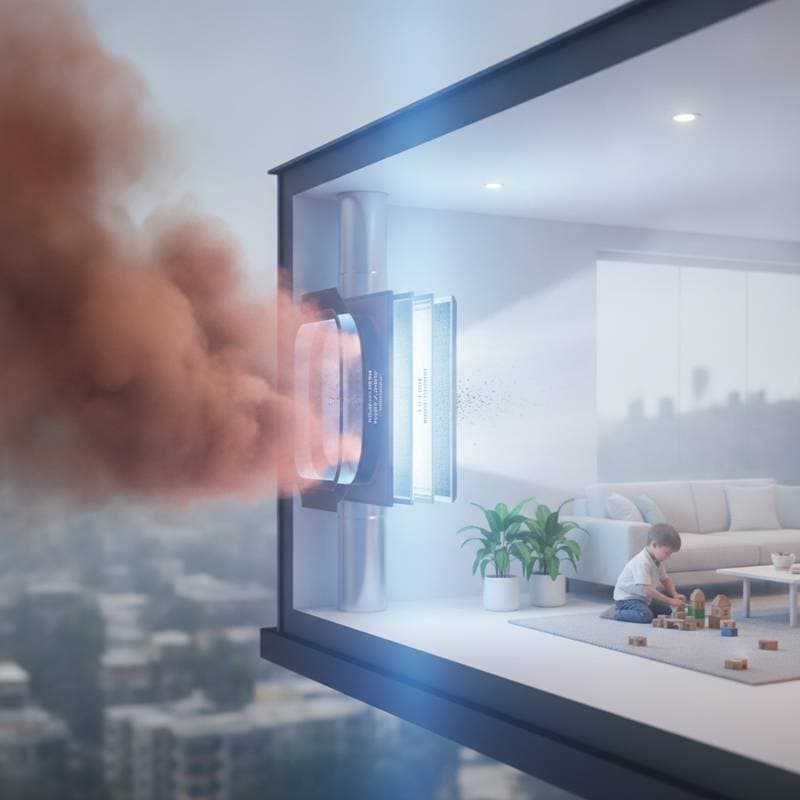
Residents in wildfire-prone regions understand the rapid deterioration of indoor air quality caused by smoke infiltration. UV-C air purifiers serve as a robust defense mechanism by neutralizing airborne pollutants and pathogens that conventional filters frequently overlook. The typical installation cost for a UV-C air purification system falls between $400 and $1,200, influenced by the existing HVAC configuration and system intricacy. This guide details the functionality of UV-C technology, its role in wildfire mitigation, and the associated expenses for installation and upkeep.
| Item | Average Cost |
|---|---|
| National Average Cost | $700 |
| Typical Price Range | $400 - $1,200 |
| Extreme High-End | $2,000+ |
| Extreme Low-End | $250 |
Key Factors That Affect UV-C Purifier Price
Multiple elements determine the overall expense of a UV-C air purification system. Gaining insight into these components enables informed selection aligned with specific requirements and financial constraints.
System Type
Central or in-duct configurations demand higher investment than portable units due to the necessity of expert installation and HVAC integration. Portable options prove more affordable and suit targeted room purification needs.
Lamp Wattage and Quality
Lamps with elevated wattage accelerate air disinfection yet draw greater energy and incur steeper initial costs. Premium quartz lamps endure longer and deliver intensified UV-C exposure compared to economical alternatives.
Installation Complexity
Older HVAC setups or those with limited space for UV-C components may necessitate structural adjustments. Labor expenses escalate when electricians install new wiring or HVAC specialists modify ducts.
Maintenance and Replacement
UV-C lamps diminish in efficacy over time, requiring substitution every one to two years. Bulb replacements cost between $50 and $150, varying by manufacturer and specifications. Annual professional servicing sessions contribute an additional $100 to $200.
Additional Air Filtration Features
Certain sophisticated models incorporate HEPA or activated carbon filters to trap minuscule smoke particulates and neutralize odors. These combined systems command premium pricing but yield enhanced safeguarding amid wildfire occurrences.
Signs You Need a UV-C Purifier
Recurrent wildfire smoke or suboptimal indoor air quality signals the potential need for enhanced purification. Consider these indicators:
- Lingering smoky or charred scents within living spaces
- Observable mist or particulates suspended in sunbeams adjacent to windows
- Heightened allergic reactions or asthma episodes during fire seasons
- Accumulation of dust on ventilation outlets or furnishings despite routine cleaning
- Recurrent coughing, headaches, or sinus discomfort among household members
- HVAC operation at increased frequency without corresponding improvements in comfort
Such symptoms indicate that existing filtration may falter against pervasive airborne threats, particularly during wildfires.
The UV-C Purifier Installation Process
Expert installation guarantees safe and optimal performance of UV-C systems. Although variations occur based on home layouts, the procedure generally adheres to these steps.
- Assessment and System Selection
Technicians inspect the HVAC infrastructure, duct configuration, and air circulation rates to recommend an appropriate UV-C arrangement. - Placement and Mounting
The unit secures within the air handler or ducts at a position that optimizes air contact duration. - Electrical Connection
Professionals link the UV-C lamp to a reliable power supply and confirm the integrity of safety mechanisms. - Testing and Calibration
Post-installation, evaluations verify airflow dynamics, lamp intensity, and seamless system synergy. - Homeowner Orientation
Instructions cover replacement timelines, precautionary measures, and ongoing care protocols.
Installations commonly span two to four hours. Intricate setups might extend to an entire day.
UV-C Purifier Labor Costs
Installation labor typically spans $150 to $400, contingent on system demands and regional rates. Duct alterations or electrical enhancements in the HVAC elevate these figures.
Basic coil sanitation installations approximate $150 in labor. Comprehensive whole-home in-duct purifiers approach $400 to $500 for professional services. Obtain itemized estimates encompassing parts, labor, and supplementary supplies prior to commencement.
Frequently Asked Questions About UV-C Purifiers
How does UV-C light clean the air?
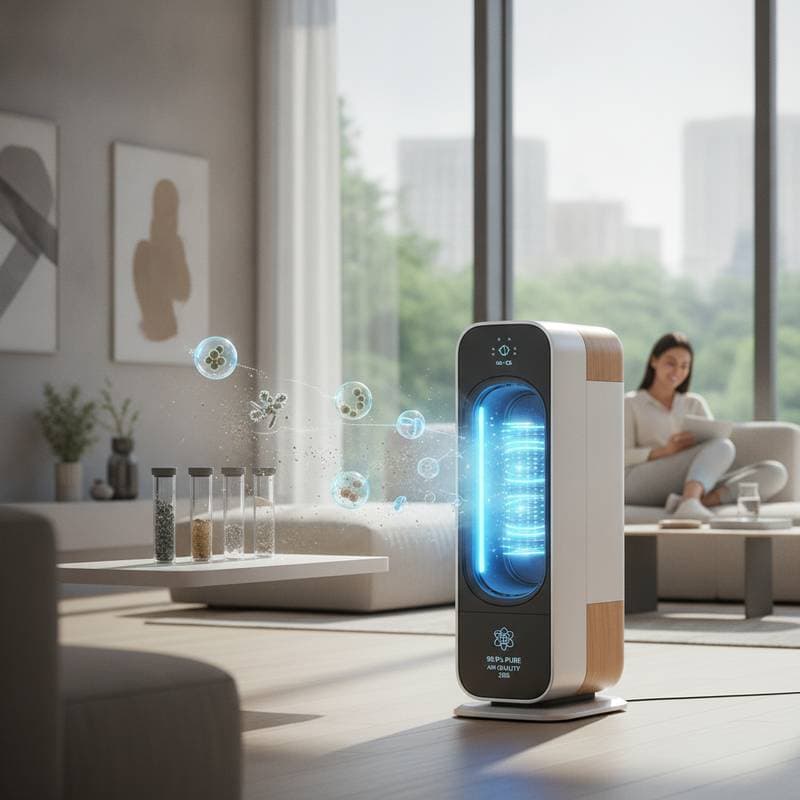
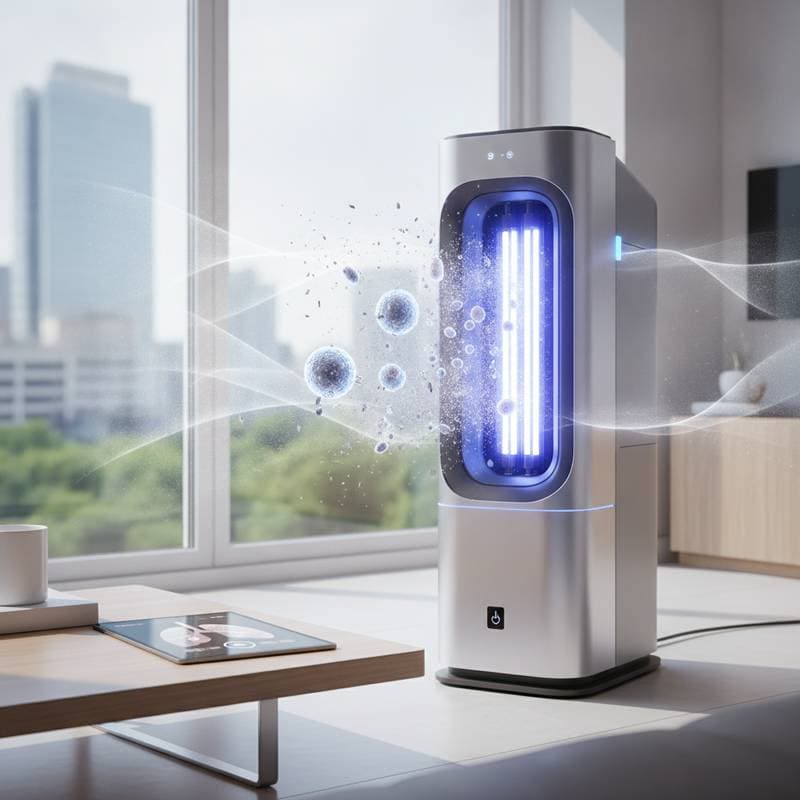
UV-C illumination disrupts the DNA or RNA structures of microbes such as bacteria, viruses, and mold, inhibiting replication. Integrated with suitable filtration, it diminishes airborne impurities and scents.
Can UV-C purifiers remove wildfire smoke particles?
UV-C targets biological agents rather than particulates directly. HEPA or activated carbon filters handle smoke, ash, and ultrafine dust capture. Optimal results arise from UV-C and filtration synergy.
Are UV-C purifiers safe for people and pets?
Properly installed within HVAC enclosures, UV-C exposure remains confined. Avoid applications in exposed areas to prevent direct contact. Adhere strictly to producer safety directives.
How often should UV-C lamps be replaced?
Lamps retain viability for approximately one year under constant operation. Diminished germicidal potency persists even if illumination continues. Schedule replacements to sustain efficacy.
Do UV-C systems increase energy costs?
Consumption mirrors that of a conventional bulb, remaining negligible. Activation often aligns with HVAC fan cycles, minimizing overall power draw.
Can I install a UV-C purifier myself?
Portable variants offer straightforward setup. However, duct-integrated or full-home systems demand certified HVAC expertise to avert inefficiencies and hazards.
Will a UV-C system help with allergies?
Reduction of mold, bacteria, and allergens in the air alleviates symptoms, particularly in environments burdened by smoke or particulates.
Steps to Secure Your Home's Air Quality
Wildfire emissions render indoor atmospheres comparably hazardous to outdoor conditions. UV-C technology, augmented by HEPA filtration, empowers HVAC units to combat unseen microbes and tangible debris. Consistent upkeep, prompt bulb exchanges, and filter renewals preserve system reliability.
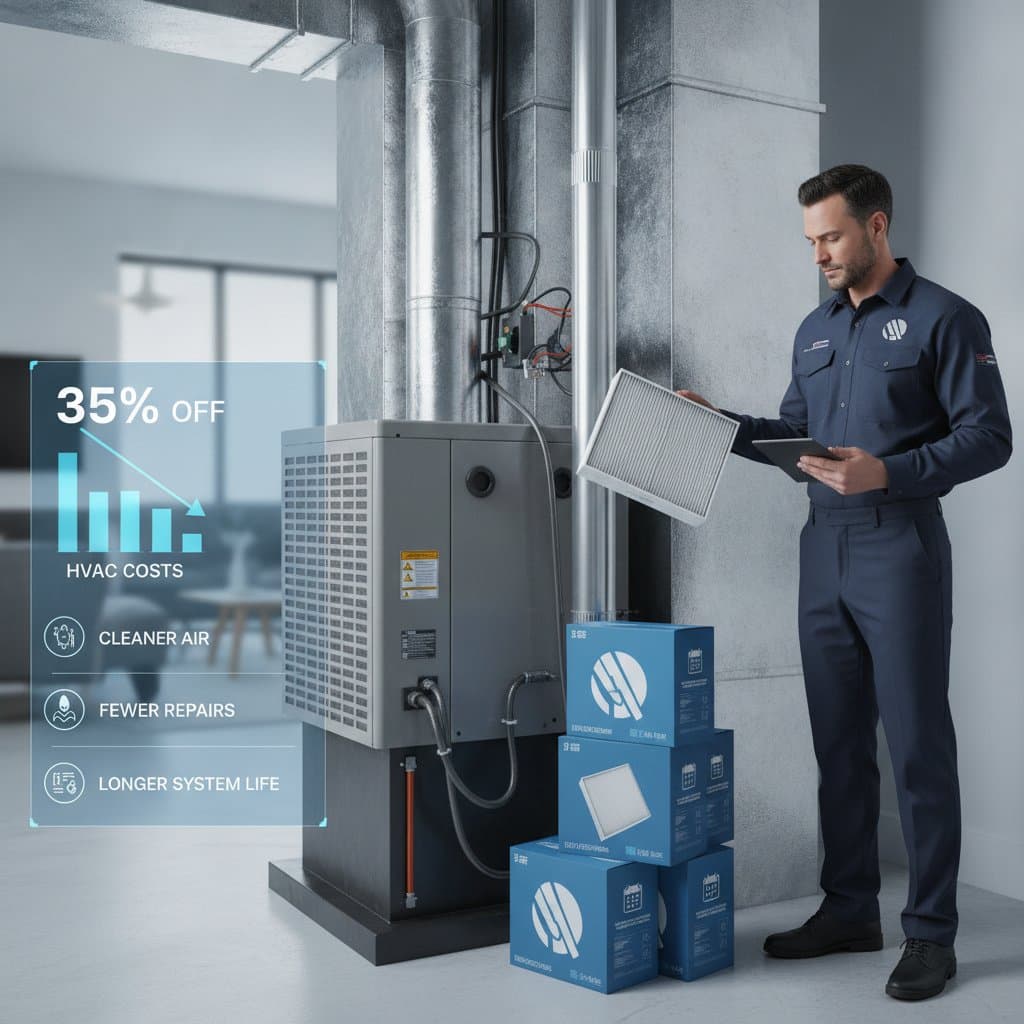
Consult a qualified HVAC specialist to explore UV-C integration tailored to your residence. Solicit several proposals and evaluate features to achieve equilibrium among expense, functionality, and enduring wellness advantages.